
Plants
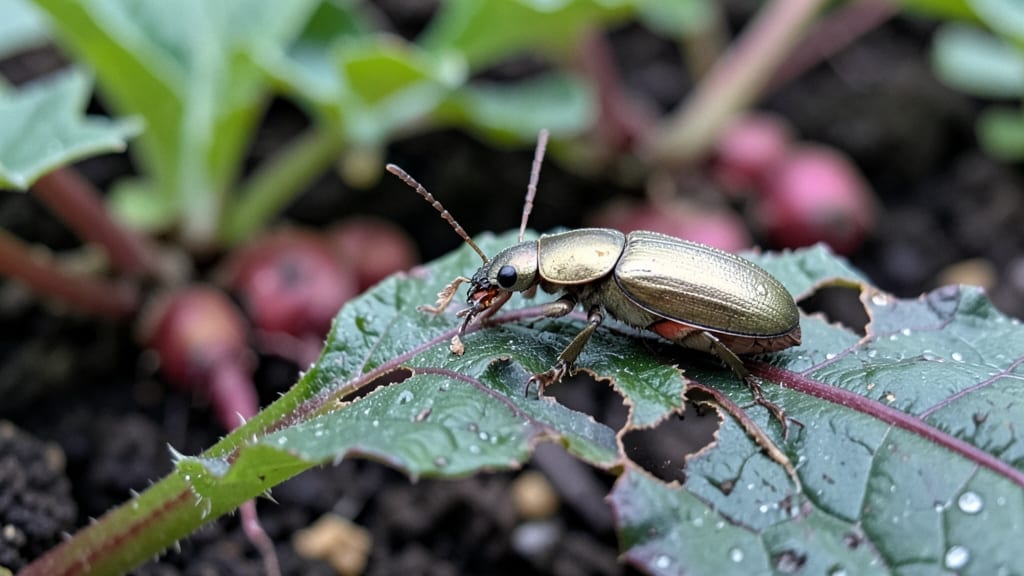
Watch beetles eating plants strip your garden bare in days—Japanese, Colorado potato, and flea beetles can turn lush tomatoes into leafy skeletons overnight, but there’s a better solution than harsh chemicals. smart, natural strategies that actually work.
The damage these beetles leave behind is unmistakable: skeletonized leaves, chewed stems, and tiny holes that multiply faster than you can say "pesticide."
The key to stopping them is understanding their life cycles and hitting them at the right moments—like targeting larvae in the soil or trapping adults before they lay eggs.
With the right approach, you’ll see fewer beetles within a week, and your plants will bounce back stronger. We’re talking neem oil sprays, row covers, and even a few unexpected allies like beneficial nematodes that do the dirty work for you.
This works whether you’re growing vegetables, flowers, or shrubs—no matter how bad the infestation looks right now, there’s a solution that won’t poison your soil or your family. Let’s get your garden back to thriving.
Root Causes Of Plant Devouring Beetles
When beetles start feasting on your plants, it’s rarely a random act—it’s a response to specific conditions that make your garden a beetle buffet. Understanding these triggers helps you disrupt the cycle before damage escalates. Here’s why these six-legged pests turn your greenery into their personal salad bar.
Beetles, especially Japanese beetles and colorado potato beetles, are drawn to plants that are already stressed or compromised. Overripe fruit, wilting leaves, or plants weakened by disease emit chemical signals (like volatiles) that beetles detect from miles away.
These compounds act like dinner bells, luring them in for an easy meal.
💡 Pro Tip: Prune dead or diseased foliage immediately—this removes the scent trail and reduces beetle attraction. Healthy plants with firm, vibrant leaves are far less tempting.
In balanced ecosystems, beetles are kept in check by predators like birds, spiders, parasitic wasps, and ground beetles. But when you disrupt this harmony—through overuse of broad-spectrum pesticides, monoculture gardening, or urbanization—you eliminate these natural controls.
Without predators, beetle populations explode, turning your garden into their personal all-you-can-eat buffet.
🔥 Actionable Fix: Encourage biodiversity! Plant native flowers to attract predatory insects, install birdhouses, and avoid chemical sprays that harm beneficial bugs.
Beetles thrive in warm, sunny conditions—ideal for rapid metabolism and reproduction. Species like the Mexican bean beetle and rose chafer become more active when temperatures rise above 75°F (24°C). Direct sunlight also dries out soil, stressing plants and making them more susceptible to beetle attacks.
🌡️ Climate Hack: Use shade cloth over vulnerable plants during peak heat (10–30% coverage works well). Mulch heavily to retain moisture and cool root zones.
Gardens with single-species plantings (like a massive rose bush patch or rows of corn) create a beetle’s dream: uninterrupted food sources. Without diversity, beetles can strip entire sections before moving on. Even worse, they reproduce faster in these environments because their larvae have no competition for resources.
🎯 Design Strategy: Interplant beetle-prone species with repellent companions, such as:
- Garlic/chives near roses (deters Japanese beetles)
- Tansy around potatoes (confuses Colorado potato beetles)
- Marigolds in veggie beds (masks plant scents)
While some beetles (like flea beetles) prefer dry, sandy soil, others—such as root-feeding weevils—thrive in waterlogged conditions. Overwatering or compacted soil creates the perfect breeding ground for these pests, as their larvae develop in damp, oxygen-poor environments. Additionally, soggy plants are weaker and produce less defensive compounds like tannins.
⏰ Drainage Check:
- Test soil moisture—stick your finger 2 inches deep; if it’s damp after 24 hours, you’re overwatering.
- Amend heavy clay soil with compost or perlite to improve aeration.
- Avoid watering in the evening to prevent fungal growth that attracts beetles.
As natural habitats shrink, beetles (and their larvae) are forced into human-altered landscapes, where your garden becomes their last resort. Deforestation, lawn expansion, and pesticide use push beetles into agricultural and ornamental plants. Some species, like the Asian longhorned beetle, hitchhike on imported wood or plants, establishing themselves in new regions with no natural enemies.
🌿 Eco-Friendly Solution: Leave wild edges in your yard (like a patch of clover or dandelions) to provide alternative food for adult beetles, reducing pressure on your prized plants.
Beat Back Beetles Naturally
Discovering beetles munching on your plants can feel like a nightmare—especially when you’re committed to chemical-free gardening. The good news? There are effective, eco-friendly solutions to protect your greenery without harming the planet (or your health).
Below, we break down practical fixes based on the most common causes of beetle infestations, from Japanese beetles to colorado potato beetles, plus tips to keep them away for good.
Cause: Adult beetles (like Japanese beetles) strip foliage, leaving skeletonized leaves behind. Fix:- Handpick them! 👨🍳 Early morning is prime time—beetles are sluggish. Drop them into soapy water (1 tbsp dish soap per gallon) to kill them instantly.
- Neem oil spray 🌿 Mix 2 tbsp neem oil + 1 tsp mild soap in 1 quart water. Spray leaves directly (avoid flowers to protect pollinators). Reapply every 5–7 days.
- Kaolin clay barrier 🏗️ Dust plants with Surround WP (food-grade clay). Beetles hate the gritty texture and avoid landing.
Pro Tip: 💡 Shake plants vigorously over a bucket of soapy water to dislodge beetles before they dig in.
Cause: Grubs (larvae) chew roots, while eggs hatch into more beetles underground. Fix:- Milky spore treatment 🪰 For Japanese beetle grubs, apply milky spore powder to soil in early spring. It’s a natural bacteria that targets grubs without chemicals.
- Diatomaceous earth (DE) 🏖️ Sprinkle food-grade DE around plant bases and garden edges. It dehydrates beetle eggs and soft-bodied larvae.
- Floating row covers 🛡️ Use lightweight fabric over vulnerable plants (like roses or potatoes) to block adult beetles from laying eggs.
Pro Tip: ✨ Water plants deeply after applying DE to prevent it from blowing away.
Cause: Beetles are drawn to specific plants (e.g., potatoes, roses, grapes). Fix:- Interplant repellent herbs 🌱 Add tansy, catnip, or garlic nearby—beetles despise their strong scents.
- Marigolds as a trap crop 🌼 Plant them away from your veggies; beetles will go for marigolds first. Remove them (and the beetles) weekly.
- Chives or alliums around susceptible plants 🧅 Their aroma confuses beetles’ landing patterns.
Pro Tip: 🎯 Rotate crops yearly to starve beetles of their favorite hosts.
Cause: Beetles return yearly if conditions (like moist soil or overripe fruit) persist. Fix:- Remove debris & fallen fruit 🗑️ Clean up garden waste where beetles hide over winter.
- Encourage natural predators 🐞 Attract birds (with feeders), parasitic wasps (plant dill or fennel), and ground beetles (leave leaf litter in shady spots).
- Prune damaged foliage ⏰ Trim and destroy chewed leaves daily to remove egg-laying sites.
Pro Tip: 🌡️ Mulch with wood chips—it raises soil temperature, making it less hospitable for beetle grubs.
With these targeted, chemical-free methods, you can reclaim your garden without resorting to pesticides. Start with the fixes that match your biggest beetle problem, then layer in prevention tips for lasting protection. Your plants (and the planet) will thank you!
Frequently asked questions
What are the most destructive beetles that eat plants?
The worst offenders include Japanese beetles (skeletonize leaves), Colorado potato beetles (devour nightshades), and flea beetles (create tiny holes). Each targets specific plants—Japanese beetles love roses, while flea beetles attack seedlings like eggplants and peppers.
How do I tell if beetle damage is from adults or larvae?
Adult beetles leave large, irregular holes or skeletonized leaves, while larvae cause chewed roots or wilting plants. Check soil for white grubs (Japanese beetle larvae) or inspect undersides of leaves for tiny, dark beetles.
Will neem oil really stop beetles from eating my plants?
Yes, but it needs direct contact with beetles. Mix 2 tbsp neem oil + 1 tsp soap per quart of water and spray leaves thoroughly. Reapply every 5-7 days during active infestations—it disrupts their feeding and reproduction cycles.
Can I use diatomaceous earth on edible plants?
Only food-grade DE is safe for veggies and fruits. Apply a thin layer around plant bases (not directly on leaves) and water lightly afterward. Reapply after rain—it works by dehydrating beetle eggs and soft-bodied larvae without harming plants.
Why do beetles keep coming back even after I treat them?
Beetles often return because their life cycle spans months. Adults lay eggs that hatch into larvae, which may go unnoticed underground. Combine treatments: use neem oil for adults and milky spore for larvae, plus remove debris where they overwinter.