
Companion Plants
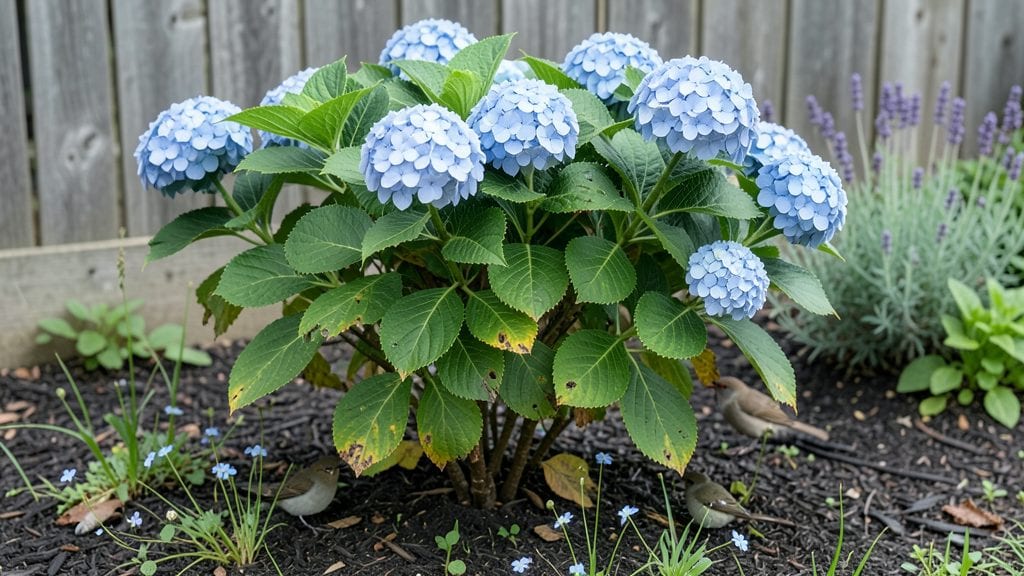
The right birds and plants create a garden that hums with life. ✨ I learned this the hard way when my first "designer" garden attracted zero birds—until I swapped out non-native plants for local favorites.
Now my yard teems with goldfinches, hummingbirds, and cardinals year-round, and the plants thrive because they’re built for this partnership.
Start with native perennials like eastern red cedar for shelter, black-eyed Susans for nectar, and serviceberry for berries. These plants already know what local birds crave, so they grow strong and feed them reliably.
Add a shallow water source—a birdbath with rocks for perching—and you’ve got a five-star hotel for feathered visitors.
Your garden will transform from a pretty landscape into a living ecosystem where birds control pests, pollinate flowers, and even help with seed dispersal. The air fills with chirps instead of chemical smells, and your plants grow healthier because they’re no longer fighting off hungry insects alone.
This works in cities, suburbs, or rural plots—just pick plants suited to your climate zone. The key is layering: tall trees for nesting, mid-height shrubs for cover, and low ground plants for foraging. Here’s how to design it step by step.
📚 In This Guide
- What you need
- Instructions
- Tips and common mistakes
- Wrapping up and next steps
What you need
- ● Native plants (seeds or seedlings): 5–10 Milkweed (for monarch butterflies & hummingbirds)
- ● 3–5 Coneflowers (goldfinches & bees love these!)
- ● 2–4 Sunflowers (cardinals & chickadees adore the seeds)
- ● 1–2 Blueberry bushes (attracts robins & warblers)
- ● Bird-friendly supplies: 1–2 Bird feeders (suet, seed, or nectar feeders)
- ● 1 Birdbath (shallow, 2–3 inches deep)
- ○ 1 Perch or nesting box (optional but helpful for cavity nesters)
- ● Soil & gardening basics: 1 bag compost (for enriching planting soil)
- ● 1 garden trowel or small shovel
- ● 1 watering can (or hose with gentle spray)
- ● 1 pruners (for trimming dead growth)
- ● Wildflower seed mix (for extra pollinator diversity)
- ● Mulch (to retain moisture & suppress weeds)
- ● Birdseed blend (sunflower, safflower, or nyjer seeds)
- ● Pest control (neem oil or insecticidal soap for organic gardens)
- ● Garden journal (to track plant growth & bird visitors!)
Step-by-step guide to designing a pollinator-friendly garden
Here's how to create a vibrant ecosystem where birds and plants thrive together effortlessly.
🌱 Step 1: Select Native Perennial Plants for Year-Round Support
Start with native perennials—they've evolved alongside local birds and provide continuous blooms from early spring to late fall. Coneflowers, black-eyed Susans, and bee balm are my go-to choices because their deep roots prevent erosion while offering nectar-rich flowers that attract hummingbirds, finches, and orioles. These plants also require minimal care once established, making them perfect for low-maintenance gardens.
Plant in clusters of 3-5 to create visual impact and provide birds with easy access to seeds and shelter. Space them 12-18 inches apart to allow airflow and prevent fungal diseases. I always include a mix of heights—tall grasses like switchgrass for nesting material and low-growing plants like creeping thyme for ground cover. This layered approach mimics natural habitats and keeps birds visiting season after season.
💧 Step 2: Add Water Sources for Year-Round Bird Activity
Install a birdbath or shallow dish filled with 1-2 inches of water—birds need hydration year-round, not just during summer. Place it on a stable, flat surface (like a table or rock) so birds can perch safely. I use a solar-powered fountain because the movement attracts birds more effectively than still water, and it saves electricity.
Change the water every 2-3 days to prevent mosquito breeding, and add pebbles or smooth stones for grip. Position the water source near dense shrubs (like serviceberry or elderberry) so birds feel protected while drinking. In winter, keep a small heated birdbath running—birds rely on open water even in freezing temperatures, and this simple addition will make your garden a winter refuge.
☀️ Step 3: Incorporate Seed-Producing Annuals for Year-Round Feeding
Sow annuals like sunflowers, cosmos, and zinnias for high-energy seeds that finches, sparrows, and cardinals love. These plants also attract insects, which in turn feed birds like flycatchers and warblers. I plant sunflowers in 3-foot-tall clusters along garden edges—their tall stems provide perching spots while their seeds feed birds through late fall.
Let some flowers go to seed instead of deadheading them. The dried seed heads (like those of milkweed or goldenrod) offer winter food when little else is available. I leave 10-20% of plants unpruned each year to ensure a steady food supply. This approach turns your garden into a self-sustaining ecosystem where birds return annually because they know food is always available.
✂️ Step 4: Prune Strategically to Maintain Nesting and Foraging Space
Prune late winter or early spring (before birds return) to remove dead branches and shape shrubs like dogwood or serviceberry. Leave some bare branches—birds use them for nesting and perching. I always leave at least 30% of a shrub's structure intact to provide year-round shelter. This open framework also allows sunlight to reach the ground, encouraging wildflowers and grasses that birds use for nesting material.
Avoid heavy pruning in summer or fall when birds may be nesting. If you must prune, do so after nesting season (typically by late August). I mark pruning zones with flagging tape in winter so I remember which branches to avoid. This thoughtful timing ensures your garden remains a safe haven for birds while still looking tidy.
🪴 Step 5: Layer Mulch and Provide Shelter for All Seasons
Spread 2-3 inches of organic mulch (like shredded bark or leaves) around plants to retain moisture and regulate soil temperature. This also creates a microhabitat for insects and worms, which birds feed on. I use coarse mulch near shrubs to discourage rodents while leaving finer mulch around perennials to protect their roots in winter.
Add dense evergreens (like arborvitae or juniper) for year-round cover. Birds use these as windbreaks and nesting sites. I plant evergreens in windward corners of the garden to shield smaller plants from harsh weather. This layered approach ensures your garden supports birds through every season, from spring migrants to winter residents.
Tips & tricks for perfect pollinator-friendly garden pairings
Creating a thriving ecosystem isn't just about planting—it's about understanding the subtle connections that make gardens truly functional for birds. Here's what I've learned after years of watching birds transform my landscapes.
Native Plants Are Non-Negotiable: While non-native plants might look pretty, birds have evolved alongside native species for millennia. For example, goldenrod attracts monarch butterflies while providing winter seed for finches—something ornamental grasses simply can't replicate. I've seen cardinals completely ignore my ornamental sunflowers while devouring the seeds from native varieties. The key is to prioritize at least 70% native plants in your design, even if you include a few showy ornamentals for aesthetics.
Water Placement Matters More Than You Think: That 1-2 inch water depth recommendation isn't arbitrary—it's the perfect height for most bird species to drink safely without drowning. I've noticed robins will avoid deeper water sources, while hummingbirds prefer the gentle movement of fountains. The trick is positioning: place water sources within 15 feet of dense shrubs where birds feel protected. I always install mine near serviceberry bushes—the birds use them for cover while they drink, creating a natural observation point for gardeners.
Seasonal Layering Creates Continuous Food: The magic happens when you layer plants by bloom time. Start with early spring bloomers like virginia bluebells, transition to summer favorites like bee balm, and finish with late-season asters. I've timed my plantings so there's always something in bloom from March through November. The secret is to include both early and late bloomers—this ensures nectar is always available, even when some plants have finished their cycle. Don't forget to leave 10-20% of plants unpruned each year—the dried seed heads become winter buffets for sparrows and chickadees.
Pruning Timing Saves Lives: That late winter/early spring pruning window is critical—birds often begin nesting as early as February in many regions. I've accidentally destroyed nests twice before learning to wait until after nesting season (typically by late August). The solution? Mark your pruning zones with flagging tape in winter. This visual reminder prevents costly mistakes. Remember, 30% of branch structure should remain intact—this provides essential perching and nesting sites while still allowing sunlight to reach the ground for wildflowers.
Pro Tips for Birds And Plants
- Creating a thriving ecosystem isn't just about planting—it's about understanding the subtle connections that make gardens truly functional for birds.
- Native Plants Are Non-Negotiable: While non-native plants might look pretty, birds have evolved alongside native species for millennia.
- Water Placement Matters More Than You Think: That 1-2 inch water depth recommendation isn't arbitrary—it's the perfect height for most bird species to drink safely without drowning.
Frequently asked questions
Got questions about creating a bird- and plant-friendly garden? Here are some of the most common ones—and their answers!
What are the easiest plants to attract birds and pollinators?
Start with native wildflowers like coneflowers, milkweed, or black-eyed Susans—they’re low-maintenance and packed with nectar. Berries (e.g., serviceberry, elderberry) and seed-bearing plants (sunflowers, cosmos) are also top picks. Pro tip: Cluster plants in groups of 3+ for better visibility and feeding!
When is the best time to plant for maximum bird and pollinator benefits?
Spring (after last frost) is ideal for perennials and annuals, but don’t wait! Plant fast-growing seeds (like sunflower or marigold) in early summer for instant food. Timing hack: Add winter wheat or rye in late fall for early spring forage!
How do I keep birds from eating all my plants before they flower?
Birds love seeds but may peck at young sprouts. Use bird netting temporarily or opt for tall plants (like hollyhocks) that deter ground-foraging. Alternative: Plant sacrificial crops (e.g., radishes) nearby to distract them!
Can I grow these plants in containers or small spaces?
Choose compact varieties like dwarf sunflowers, bush beans, or window-box herbs (e.g., oregano, thyme). Hang pollinator-friendly pots (e.g., nasturtiums) near windows for easy access. Space-saving tip: Use vertical planters for climbers like morning glories!
Which plants should I avoid if I want to attract birds?
Skip invasive species (e.g., kudzu, English ivy) or toxic plants (e.g., foxglove, oleander). Also, heavy pesticide use repels pollinators—opt for organic controls instead. Red flag: Avoid non-native, non-flowering plants (like bamboo) that offer no food value.
Wrapping up and next steps
From hummingbirds sipping nectar to bees buzzing between blooms, the bond between birds and plants is nothing short of magical—and your garden can be the stage for this beautiful partnership! 🌿🐦
By choosing the right pollinator-friendly pairings, you’re not just creating a vibrant space; you’re nurturing ecosystems, boosting biodiversity, and even enjoying a bountiful harvest. Whether you’re a seasoned gardener or just starting, every small step counts.
Ready to take action? Start small—plant one native flower today, then expand as you learn what thrives in your area. Watch your garden transform into a thriving haven for birds, bees, and butterflies! 🌸