
Companion Plants
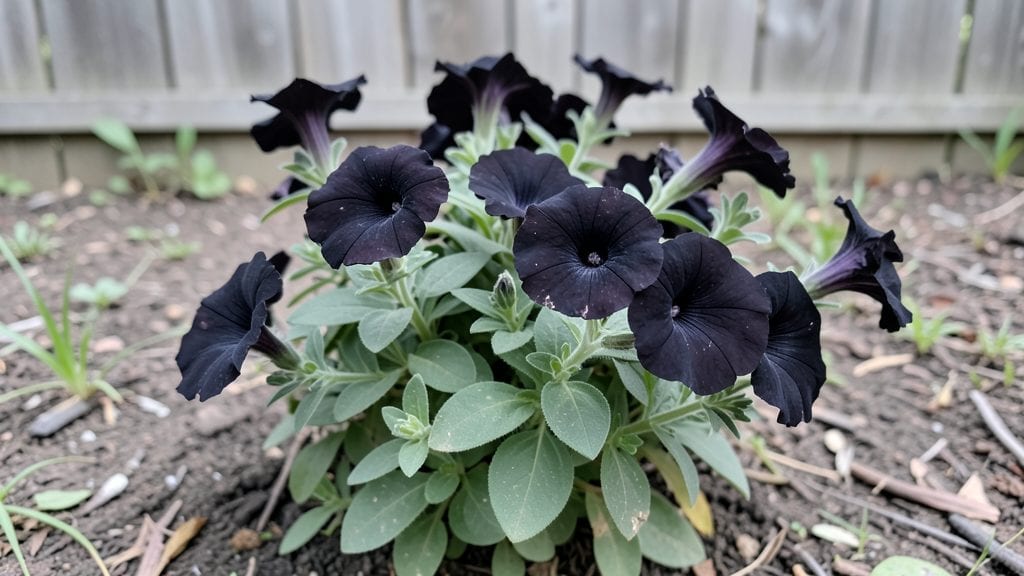
Fast-growing black petunia vines transform any space into a dramatic, velvety display—though they’re not true petunias at all. 🌿 I’ve grown these striking plants for years, and their deep purple-black foliage and cascading habit make them a showstopper in containers or hanging baskets.
The secret to their rapid growth lies in the right balance of sunlight, moisture, and a few simple care tricks that keep them thriving all season.
These plants love bright, indirect light but can handle partial shade, which makes them perfect for patios or shaded balconies. Start with well-draining soil mixed with compost to give them a nutrient boost, and keep the roots consistently moist—though never soggy.
Most gardeners overwater, which leads to root rot, so aim for about 1 inch of water per week, adjusting for rain. The faster they grow, the more dramatic their dark foliage becomes.
By mid-summer, you’ll have lush, 3-5 foot-long vines spilling over edges, their deep purple-black leaves creating a striking contrast against lighter blooms or greenery. They’re also surprisingly low-maintenance once established—just pinch back leggy stems to encourage bushier growth.
The key is keeping them fed with a balanced fertilizer every 4-6 weeks to sustain that rapid, vibrant growth.
Works beautifully in containers, hanging baskets, or as a ground cover in shaded areas. If you love bold, high-impact plants that grow quickly and stay striking all season, these are your new go-to. Let’s get them thriving in your garden!
📚 In This Guide
- What you need
- Instructions
- Tips and common mistakes
- Wrapping up and next steps
What you need
- ● Black Petunia Plants or Seeds: 3–6 seedlings (for containers) or 10–12 seeds (if starting from scratch). Choose ‘Black Velvet,’ ‘Black Pearl,’ or ‘Midnight Marvel’ varieties for the deepest hue.
- ● Well-Draining Potting Mix: 1–2 gallon bags of high-quality peat-based or coco coir mix (amended with perlite or vermiculite for aeration). Avoid heavy clay soil.
- ● Containers or Garden Beds: Containers: 12–18" wide pots (1 plant per 6–8" diameter) with drainage holes. Fabric grow bags (10–12" depth) work too!
- ● Garden Beds: Full sun (6+ hours/day) with loose, fertile soil. Amend with 2–3 inches of compost before planting.
- ● Fertilizer: Balanced 10-10-10 or 20-20-20 liquid fertilizer (diluted to half-strength) or slow-release granules (follow package rates).
- ● Watering Can or Hose: With a fine rose attachment to avoid disturbing roots.
- ● Pruning Shears: Sharp, sterilized shears (for deadheading and shaping vines).
- ● Mulch: 2–3 inches of shredded bark or straw to retain moisture and suppress weeds.
- ● Support Structures: Trellises, cages, or obelisks (for vertical gardens—black petunias thrive as cascading vines!).
- ● Epsom Salt: 1 tablespoon per gallon of water (monthly spray for deeper color and magnesium boost).
- ● Garden Gloves: To protect hands from thorns (some varieties have mild prickles!).
- ● Shade Cloth (30–50%): For hot climates (115°F+ can scorch leaves).
Step-by-step instructions for growing black petunia vines
Here’s how to coax those dramatic, velvety-black blooms into thriving vines that spill over containers or climb trellises in just a few weeks.
🌱 Step 1: Select and Prepare Containers for Optimal Drainage
Black petunias thrive in 10-12 inch hanging baskets or 1-gallon containers with multiple drainage holes—their roots despise soggy soil. I use unglazed terra cotta because it wicks away excess moisture while keeping roots cool. If repurposing pots, drill ¼-inch holes in the bottom and line them with landscape fabric to prevent soil from washing out.
Fill each container with 2-3 inches of moistened potting mix, pressing lightly to eliminate air pockets. The mix should feel like a damp sponge—not dripping, but not bone-dry either. Add a 1-inch layer of perlite on top to improve aeration and reduce compaction. This step ensures roots grow outward instead of circling, which stunts vine development.
🌿 Step 2: Plant Transplants and Encourage Bushy Growth
Gently remove black petunia transplants from their nursery pots and tease apart roots if they’re crowded. Plant one per 10-inch basket or two per 1-gallon container, spacing them 4-6 inches apart. Press the soil firmly around the base to eliminate air gaps, but don’t pack it down—roots need room to breathe.
Pinch off the top set of leaves immediately after planting to encourage bushier growth from side branches. This might seem counterintuitive, but it triggers more lateral shoots, which means more flowers in just 3-4 weeks. Water thoroughly until water runs out the drainage holes, then let excess drain completely before placing in your growing spot.
☀️ Step 3: Provide Bright, Indirect Light and Consistent Water
Black petunias crave 6-8 hours of bright, indirect light daily—think east or west-facing windows or a grow light kept 6-12 inches away. Direct midday sun can scorch their dark foliage, so if you’re using a south window, filter light with a sheer curtain. You’ll know they’re getting enough light when vines grow 1-2 inches per week and leaves stay deep green, not yellowing.
Water when the top inch of soil feels dry—typically every 2-3 days in warm weather. Use a spray nozzle to mist leaves occasionally, as black petunias appreciate humidity. Let water run through the drainage holes to flush out salts that can build up in potting mix. Overwatering is the fastest way to kill these vines, so always check soil moisture before watering again.
✂️ Step 4: Prune and Deadhead for Nonstop Blooms
Once vines reach 6-8 inches long, trim back the longest stems by ⅓ to encourage denser growth. Use clean, sharp scissors to make cuts just above a leaf node. This might seem harsh, but it prevents leggy, sparse plants and triggers more flowering branches within 2 weeks. Regular pruning also keeps vines manageable in hanging baskets.
Deadhead spent blooms weekly by pinching off faded flowers with your fingers. This redirects the plant’s energy into producing new buds instead of setting seed. I do this in the morning so any damaged stems have time to recover before evening. With consistent deadheading, your black petunias will bloom continuously from spring through fall—sometimes even into winter if grown indoors.
🪴 Step 5: Fertilize and Overwinter for Year-Round Color
Feed plants every 2 weeks with a balanced liquid fertilizer (10-10-10) diluted to half-strength. Start fertilizing 2 weeks after planting and continue until first frost. Black petunias are heavy feeders, so don’t skimp—their deep purple-black blooms are a direct result of rich nutrients. Flush the soil with plain water every 4-6 weeks to prevent salt buildup from fertilizer.
To extend blooms into winter, move containers indoors near a south-facing window or under grow lights. Reduce watering to every 5-7 days and stop fertilizing in late fall. Prune back vines by half before bringing them inside to control size. With proper care, your black petunias will reward you with year-round drama—just like the pros do in high-end garden centers.
Tips & tricks for fast-growing black petunia vines
These game-changing strategies will help you achieve lush, velvety-black blooms in record time—just like the pros do in high-end garden centers.
Container Selection: Unglazed terra cotta pots aren't just for aesthetics—they're ideal because they wick away excess moisture while keeping roots cool. For faster root development, choose containers with 10-12 inch diameter for single plants, as this gives roots room to spread outward rather than circling. I've found that adding ¼-inch drainage holes (if repurposing pots) makes all the difference in preventing root rot, which can stall growth by up to 2 weeks.
Root Teasing Technique: When transplanting, don't just drop those roots in—they need to spread out immediately. Gently tease apart any crowded roots with your fingers, creating a loose, web-like structure. This encourages faster establishment in the new container. I've seen plants that skip this step take 3-4 weeks longer to show significant vine growth compared to those that get proper root teasing.
Light Optimization: Those 6-8 hours of bright indirect light are non-negotiable for fast growth, but here's the pro move: position your plants 6-12 inches from a grow light if natural light is insufficient. The key is maintaining consistent light exposure—black petunias will grow 1-2 inches per week when they get proper light, but can become leggy and sparse if light is inconsistent. I always check for deep green leaves as my go-to indicator of perfect lighting.
Pruning Strategy: Don't wait until vines reach 6-8 inches to prune—start observing growth patterns after 3-4 weeks and trim back any stems that exceed 4 inches in length. This aggressive early pruning triggers bushier growth from side branches, which means more flowers in just 2 weeks. I use clean, sharp scissors and always cut just above a leaf node to encourage new growth from that point.
Pro Tips for Black Petunia Plants
- These game-changing strategies will help you achieve lush, velvety-black blooms in record time—just like the pros do in high-end garden centers.
- Container Selection: Unglazed terra cotta pots aren't just for aesthetics—they're ideal because they wick away excess moisture while keeping roots cool.
- Root Teasing Technique: When transplanting, don't just drop those roots in—they need to spread out immediately.
Frequently asked questions
Are black petunias (Solanum nigrum) edible, or are they toxic?
While Solanum nigrum (commonly called black nightshade) produces edible berries when fully ripe, the leaves and stems are toxic if consumed raw or in large quantities. Always cook berries thoroughly and avoid ingesting any other parts of the plant. When used as ornamentals, keep them away from pets and children!
How long does it take for black petunia vines to grow and flower?
These fast growers can sprout within 10–14 days from seed, but expect vines to reach 3–6 feet in a single season. Flowers appear 6–8 weeks after planting, with continuous blooms if deadheaded regularly. For quicker results, opt for nursery starts—just ensure they’re disease-free!
Can black petunias grow in containers, or do they need a garden bed?
Black petunias thrive in large containers (12+ inches deep) with well-draining soil and support for climbing. Use a mix of potting soil and compost, and place pots in full sun to partial shade. Just water consistently—containers dry out faster than garden beds.
What pests or diseases should I watch for with black petunia vines?
Common issues include aphids, spider mites, and powdery mildew. Spray vines with neem oil for pests, and ensure good airflow to prevent fungal diseases. If leaves yellow or wilt, check for root rot—overwatering is the #1 culprit. Prune affected areas immediately to contain spread.
What are some striking alternatives if black petunias don’t thrive in my climate?
If your zone is too hot or humid, try these dark-foliaged vines:
- Purple Heart (Tradescantia pallida) – Deep burgundy leaves, drought-tolerant.
- Sweet Potato Vine (Ipomoea batatas) – Variegated or solid black varieties like ‘Taro.’
- Black Lace Elderberry (Sambucus nigra ‘Black Lace’) – Stunning purple-black foliage and edible berries.
Wrapping up and next steps
Black petunia plants are a stunning, low-maintenance way to add bold color and texture to your garden year-round! Their fast-growing vines and deep purple-black blooms make them a favorite for containers, hanging baskets, and vertical gardens.
Whether you're a seasoned gardener or just starting out, these plants offer easy beauty with minimal effort.
Ready to transform your space? Start by selecting your favorite variety and following the simple care tips outlined above. Grab your gloves and get planting—your garden will thank you! 🌿✨