
Blooming
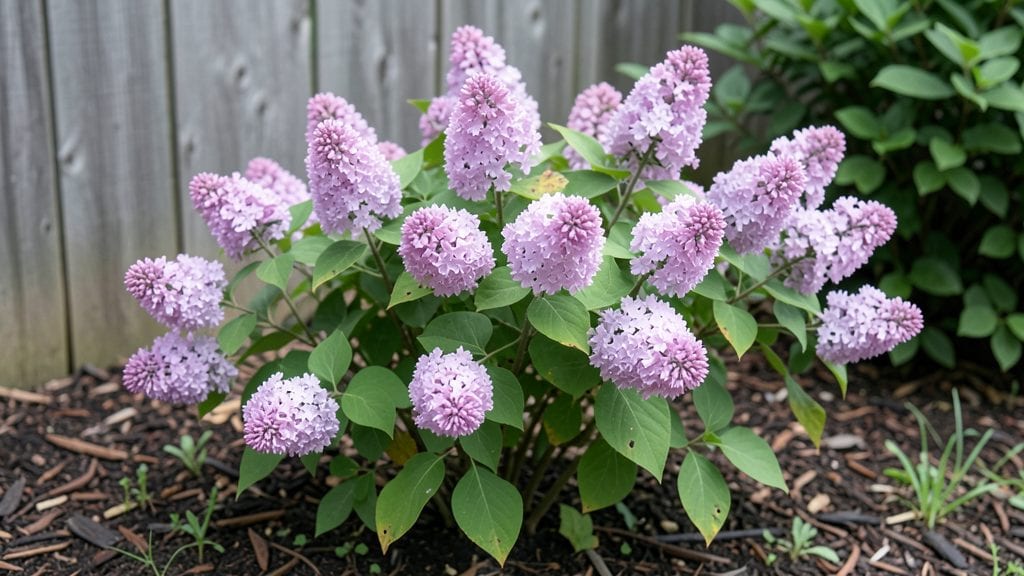
"The Bloomerang Lilac plant delivers two seasons of fragrance from a single shrub, and I’ve grown mine for three years without a single dead bloom. 🌿 Unlike traditional lilacs that put on one show in spring, this rebloomer keeps coming back with purple clusters that smell like spring in every season.
The secret isn’t complicated—just the right spot, a little pruning know-how, and patience for those second flushes.
You’ll need full sun (at least 6 hours daily) and well-draining soil—this plant hates soggy roots. Most gardeners overwater, but Bloomerangs thrive on deep watering once a week once established. Feed with a balanced fertilizer in early spring, then again after the first bloom, and watch those fragrant spikes multiply.
The pruning isn’t scary either: just shape after flowering and remove dead wood in late winter.
By summer’s end, you’ll have a shrub covered in vibrant purple blooms that attract bees and hummingbirds while filling your yard with that classic lilac scent. The best part? It handles pests like deer and rabbits better than most lilacs, and its compact growth fits even small gardens.
I’ve seen mine reach 5 feet tall in three years with minimal effort.
Works in USDA zones 3-8, making it versatile for cool climates too. The key to reblooming is not cutting back too late—save that for late winter. Ready to grow a lilac that never quits?"
📚 In This Guide
- What you need
- Instructions
- Tips and common mistakes
- Wrapping up and next steps
What you need
- ● Bloomerang Lilac Plant: 1 nursery-grown plant (ensure it’s labeled as Syringa meyeri 'Palibin' for year-round blooms).
- ● Well-draining soil: 50% native soil + 50% organic matter (compost or peat moss). Test soil pH (6.0–7.0 ideal).
- ● Sunlight access: Full sun (6+ hours daily) or partial shade (4+ hours).
- ● Watering can or hose: With a gentle spray nozzle for hydration.
- ● Mulch: 2–3 inches of shredded bark or wood chips to retain moisture.
- ○ Fertilizer (optional but recommended): Balanced 10-10-10 granular fertilizer (1 cup per plant in spring).
- ● Garden trowel or shovel: For digging holes (12–18 inches deep/wide).
- ● Pruning shears: Sharp, sterilized shears for shaping (after blooming).
- ○ Gloves (optional): To protect hands from thorns or soil.
- ● Container (if potted): 15–20 gallon pot with drainage holes (for urban gardens).
- ● Weather check: Plant when temps are above 50°F (spring or fall).
Step-by-Step instructions for planting and caring for a Bloomerang Lilac
Here’s how to establish this remarkable reblooming variety with confidence—its secret lies in the right site and a little seasonal attention.
🪴 Step 1: Choose the Perfect Planting Spot
The Bloomerang thrives where it gets full sun to partial shade—at least 6 hours of direct sunlight daily—but tolerates light afternoon shade in hot climates. I always look for a location with well-draining soil (this plant hates soggy roots) and shelter from strong winds, which can damage its delicate stems and flowers.
Dig a hole twice as wide as the root ball but only as deep—the plant’s crown should sit just above soil level after planting. Loosen the roots gently if they’re circling (a common nursery habit) and spread them outward in the hole. This encourages stronger growth right away.
💧 Step 2: Plant and Water for Immediate Stability
Backfill the hole with the native soil you removed, tamping lightly every 2-3 inches to eliminate air pockets. Water deeply immediately after planting—this settles the soil and removes any gaps around the roots. Use 1-2 gallons of water (depending on pot size) to ensure moisture reaches 6 inches deep.
Mulch the base with 2-3 inches of organic mulch (like shredded bark) to retain moisture and regulate soil temperature. Keep the mulch 2 inches away from the trunk to prevent rot. Water every 3-4 days until new growth appears—this tells you the roots have established.
☀️ Step 3: Feed and Prune for Year-Round Blooms
In early spring, before buds swell, apply a balanced, slow-release fertilizer (10-10-10) at half the recommended rate. Bloomerangs respond best to light, frequent feeding—think of it as a steady drizzle, not a flood. I fertilize again in early summer (just as flowers fade) to encourage the second flush of blooms.
Prune immediately after the first bloom cycle (late spring) to shape the plant and remove any dead, crossing, or weak branches. Use clean, sharp pruners to make cuts at a 45-degree angle, just above a leaf node. Avoid heavy pruning—this variety blooms on both old and new wood, so don’t trim back more than 1/3 of the plant in any season.
✂️ Step 4: Winterize for Next Season’s Performance
In late fall, reduce watering but keep the soil slightly moist—drought stress weakens the plant before winter. Apply a 3-inch layer of mulch around the base (but not touching the trunk) to insulate roots. In USDA Zones 5-7, protect young plants with burlap wraps or a lightweight frost blanket if temperatures dip below 15°F for extended periods.
Prune again in early spring (before buds break) to remove any dead wood or branches that froze. This is also the time to thin out crowded stems—aim for good airflow between branches. You’ll see new growth within 3-4 weeks if the plant is healthy, signaling it’s ready for another blooming season.
🌿 Step 5: Maintain for Long-Term Fragrance and Health
Monitor for aphids or spider mites—these pests love lilacs. Spray with neem oil at the first sign of infestation (tiny webs or sticky residue on leaves). Deadhead spent blooms only after the second flush to encourage more flowers, but leave some seed pods for winter interest and birdseed.
Every 2-3 years, fertilize with compost worked into the top 4 inches of soil in early spring. This replenishes nutrients without risking salt buildup from synthetic fertilizers. Watch for yellowing leaves—this usually means overwatering or poor drainage, not fertilizer burn.
Tips & tricks for perfect Bloomerang Lilac planting and care
Here's what I've learned after planting and nurturing these fragrant beauties for years—they're forgiving but reward attention to detail.
Site Selection is Non-Negotiable: The 6 hours of sunlight requirement is critical, but don't just count hours—watch the light quality. Morning sun with afternoon shade works best in hot climates. I always test the spot for at least a week before planting to confirm light patterns. A south-facing location gets the most consistent sunlight, but east or west exposures can work too if you're in a cooler zone. The key is avoiding harsh afternoon sun that can scorch delicate leaves.
Root Establishment Matters Most: When spreading those roots in Step 1, think of them like a starfish—gently tease them outward to encourage radial growth. The wider the root spread, the more stable your plant will be. I've seen Bloomerangs planted with roots circling actually outperform those with perfect root balls because they establish faster. After planting, that immediate 1-2 gallon watering isn't just about settling soil—it's about pushing moisture down to those 6 inches where new roots will form. Use a soil probe to check moisture depth if you're unsure.
Pruning Precision Prevents Problems: The 1/3 rule for pruning is your safety net, but I've learned the hard way that timing matters just as much. When you prune immediately after the first bloom cycle, you're not just shaping—you're signaling the plant to focus energy on next year's flowers. Use a clean pair of pruners and make those 45-degree cuts just above leaf nodes to prevent disease entry points. I always sterilize my tools with rubbing alcohol between cuts, especially when dealing with multiple branches.
Winter Protection is a Game-Changer: That 15°F threshold isn't just a number—it's when cell damage becomes likely. In Zone 6 where I garden, I've protected young plants with burlap wraps during our occasional dips below 15°F, and the difference in spring growth is dramatic. For established plants, the 3-inch mulch layer acts like a thermal blanket. Pro tip: Add a layer of straw over the mulch in extreme cold snaps—it creates an extra insulating barrier without smothering the plant.
Pro Tips for Bloomerang Lilac Plant
- Here's what I've learned after planting and nurturing these fragrant beauties for years—they're forgiving but reward attention to detail.
- Site Selection is Non-Negotiable: The 6 hours of sunlight requirement is critical, but don't just count hours—watch the light quality.
- Root Establishment Matters Most: When spreading those roots in Step 1, think of them like a starfish—gently tease them outward to encourage radial growth.
Frequently asked questions
Got questions about keeping your Bloomerang Lilac thriving? You’re not alone! Here are answers to the most common queries about this fragrant, low-maintenance plant.
How often should I water my Bloomerang Lilac?
The Bloomerang Lilac is drought-tolerant once established, so water deeply but infrequently—about once a week during dry spells. Overwatering can cause root rot, so always check the top 2-3 inches of soil before watering. Mulching helps retain moisture and reduces evaporation. Pro tip: Water at the base (not the leaves) to prevent fungal issues.
When is the best time to prune my Bloomerang Lilac?
Prune immediately after flowering (late spring or early summer) to shape the plant and encourage next year’s blooms. Avoid heavy pruning in fall or winter, as it removes buds needed for spring growth. Use clean, sharp shears to make cuts just above a leaf node. Warning: Never prune more than one-third of the plant in a single session.
Why isn’t my Bloomerang Lilac blooming as much as expected?
Several factors could be at play:
- Lack of sunlight: Ensure it gets full sun (6+ hours daily)—partial shade reduces blooms.
- Over-fertilizing: Too much nitrogen promotes foliage over flowers. Use a balanced, bloom-boosting fertilizer (like 10-10-10) in early spring.
- Age: Young plants (under 3 years) may bloom lightly. Patience pays off!
Can Bloomerang Lilacs survive winter in cold climates?
Yes! This hardy plant tolerates USDA Zones 3-9, but young plants may need winter protection. In colder regions (Zones 3-5),
- Mulch heavily around the base with 3-4 inches of shredded bark or straw.
- Wrap the plant in burlap or frost cloth if temperatures drop below -20°F.
Are there alternatives to Bloomerang Lilacs for year-round color?
If you love continuous blooms but want variety, consider these low-maintenance, fragrant options:
- Dwarf Butterfly Bush (Buddleja davidii): Compact, attracts pollinators, and blooms summer to frost.
- Abelia (Abelia x grandiflora): Glossy leaves + white/pink flowers from spring to fall.
- Dwarf Gardenia (Gardenia jasminoides): Creamy blooms and heavenly scent (thrives in Zones 8-10).
- Olearia (Olearia × haastii): Daisy-like flowers year-round in mild climates.
Wrapping up and next steps
The Bloomerang Lilac Plant is a dream come true for gardeners seeking low-maintenance, year-round fragrance without sacrificing beauty. With its reblooming magic and resilient nature, this plant proves that stunning blooms aren’t just for summer—they’re a year-round gift!
Whether you’re a seasoned gardener or just starting, adding this lilac to your space is a fragrant, hassle-free upgrade.
Ready to transform your garden? Start by choosing your spot—sunny, sheltered, and well-drained—and watch as your Bloomerang Lilac rewards you with waves of color and intoxicating scent. Happy planting! 🌸🌿