
Companion Plants
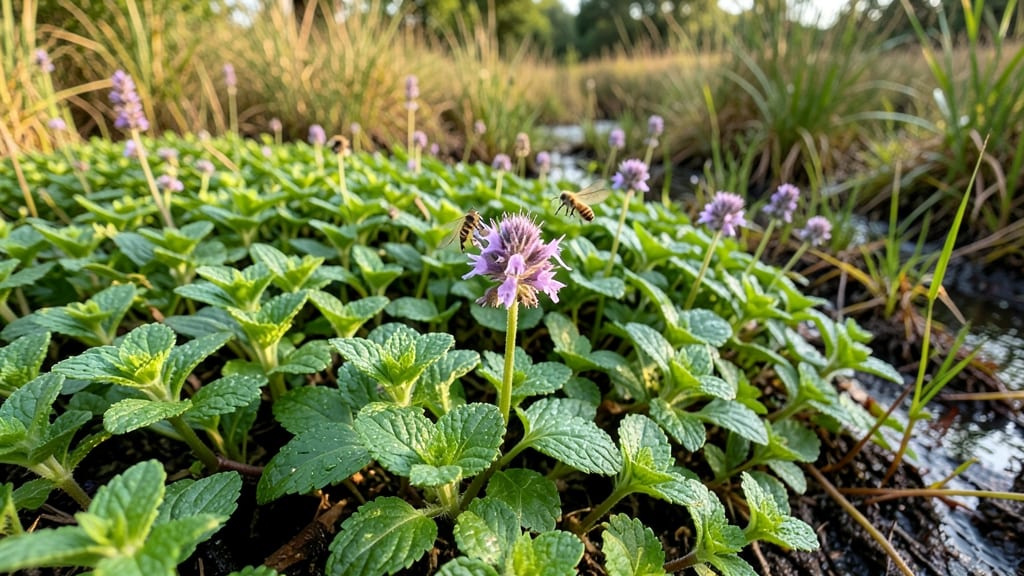
Transform soggy garden spots into lush, thriving ecosystems with these 10 bog-loving plants. Perfect for acidic soil gardens, these moisture-lovers add texture, color, and wildlife benefits while requiring minimal maintenance.
Royal Fern with Arching Fronds
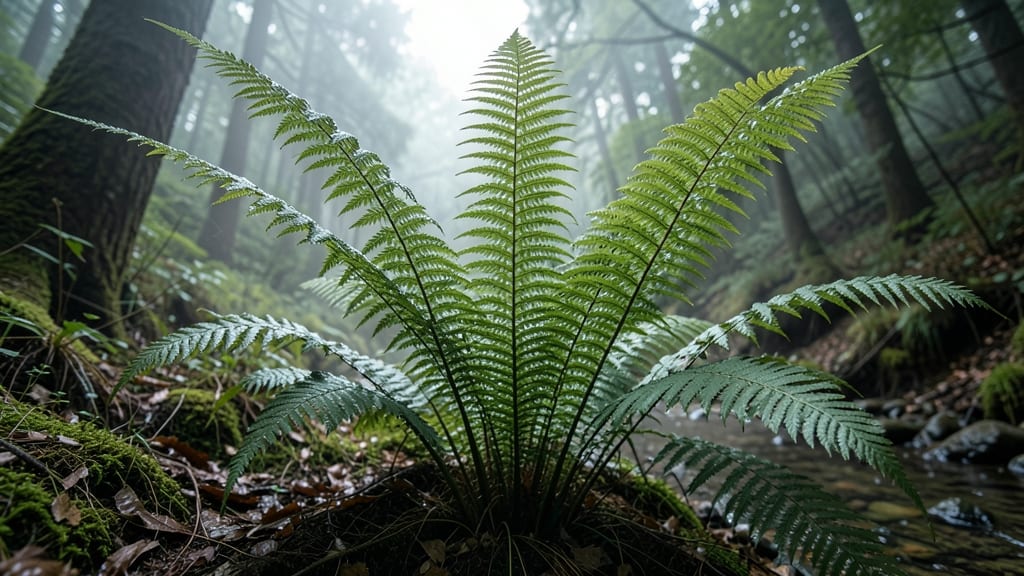
Turn your shady, waterlogged corners into a lush woodland retreat with the royal fern (Osmunda regalis), a towering beauty that thrives where others falter. Its elegant, arching fronds can reach up to 5 feet tall, creating a dramatic vertical focal point that softens the edges of ponds, streams, or damp garden beds.
This deep green fern loves full shade and acidic, waterlogged soils, making it ideal for bog gardens, rain garden edges, or moist woodland areas. Simply plant crowns in spring or fall, ensuring they’re never allowed to dry out—once established, they’ll spread slowly to form lush colonies. The fronds unfurl in spring, adding fresh texture to your garden before turning golden-brown in fall.
Perfect for gardeners who want low-maintenance structure without sacrificing beauty, royal ferns also support local wildlife by providing shelter for insects and birds. Plant them along pathways or near seating areas to enjoy their graceful presence year-round. 🌿
Purple Loosestrife for Pollinators
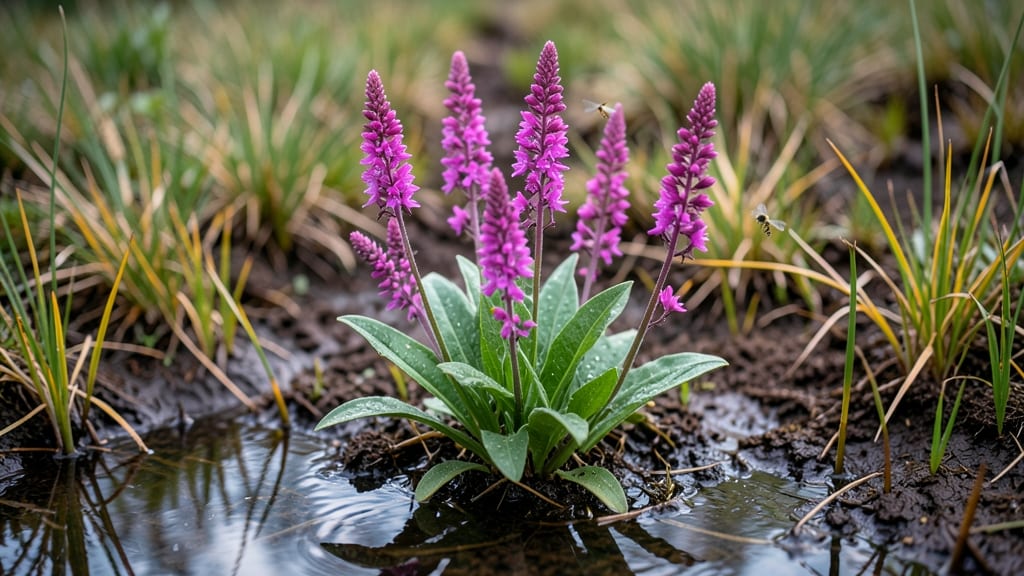
Turn your bog garden into a buzzing hub for pollinators with purple loosestrife (Lythrum salicaria), a vibrant perennial that thrives where others fail. This hardy plant doesn’t just tolerate wet soil—it flourishes in standing water and even poor, acidic conditions, making it ideal for neglected corners of your garden.
From mid-summer to fall, its magenta-pink flower spikes bloom nonstop, drawing bees, butterflies, and hummingbirds like a magnet. Plant it in full sun to partial shade for maximum impact, and watch as it self-seeds to create naturalizing drifts. While native to Europe, it’s naturalized across North America and has become a favorite for wildlife-friendly gardens.
Perfect for gardeners who want low-maintenance beauty with high ecological value, purple loosestrife is especially rewarding for those with moist, sunny spots that need a splash of color and life. 🌟
Corsican Helichrysum Ground Cover
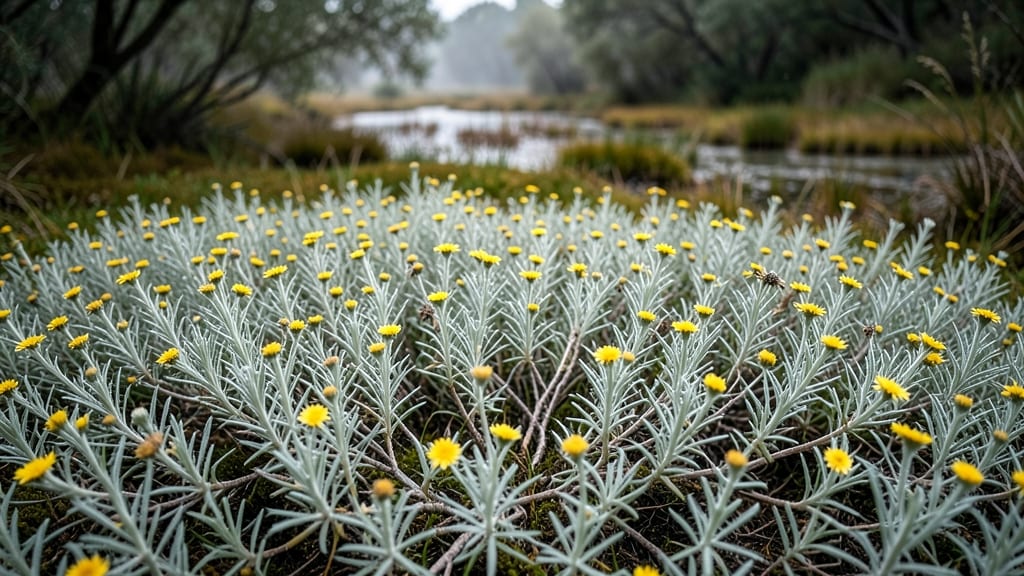
Tired of battling weeds in your bog garden? Corsican helichrysum (Helichrysum italicum) is the ultimate lazy gardener’s solution—a self-spreading ground cover that smothers weeds while adding silvery texture to wet, acidic soil.
This evergreen shrub grows just 6–12 inches tall, forming a dense, low-maintenance carpet that thrives in full sun to partial shade. Its fine, silvery foliage contrasts beautifully with other bog plants, and tiny yellow flowers appear in summer, adding subtle color. Unlike invasive species, it stays contained and won’t take over—just water it occasionally and let it do the work.
Ideal for gardeners who want zero fuss but maximum impact, Corsican helichrysum is perfect for edging bog gardens, lining paths, or filling gaps between taller plants. It’s also drought-tolerant once established, making it a resilient choice for wetland conditions. 🌿
Yellow Flag Iris in Wetlands
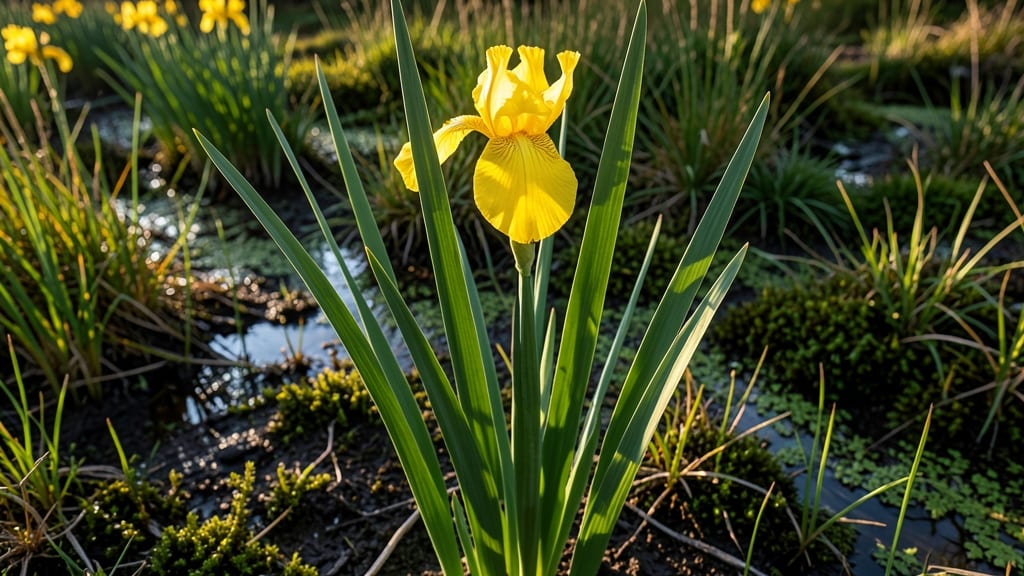
Turn your sun-drenched bog into a showstopper with yellow flag iris (Iris pseudacorus), a plant that thrives where others falter. Its bold, golden-yellow blooms rise dramatically above sword-like foliage, creating a striking vertical accent that demands attention—ideal for rain gardens or pond edges.
This hardy perennial thrives in full sun to partial shade and tolerates standing water, making it perfect for wetland restoration projects. Beyond its ornamental value, yellow flag iris acts as a natural water purifier, absorbing excess nutrients and filtering runoff. Plant rhizomes in spring for a year-round display of architectural beauty and ecological benefits.
Perfect for gardeners who want both drama and function, this iris is especially rewarding for those with sunny, waterlogged spaces who crave low-maintenance impact. 🌻
Cotton Grass for Textural Drama
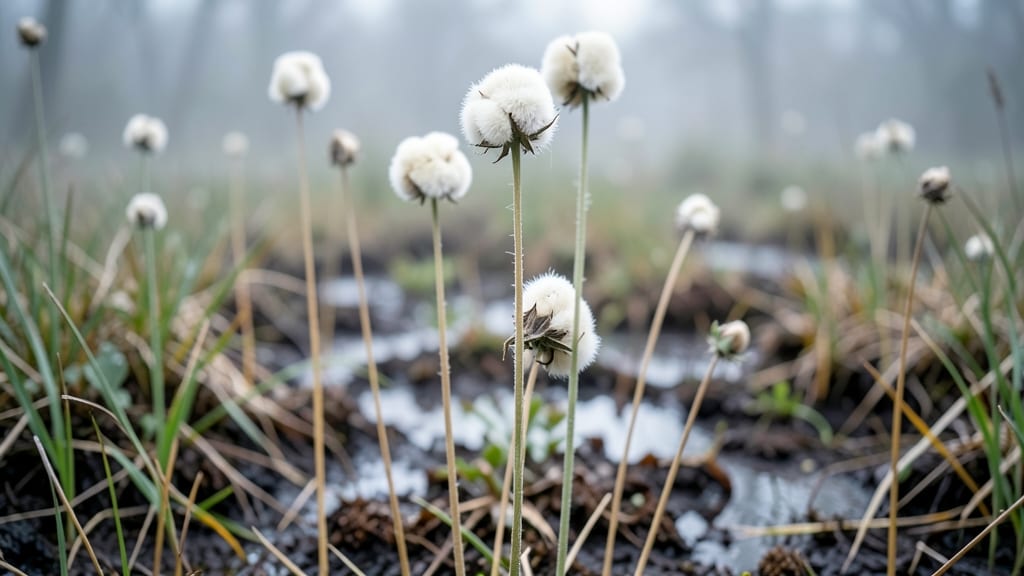
Skip the summer color fade-out with cotton grass—this architectural stunner keeps your bog garden looking fresh even when other plants have gone dormant. Its fluffy white seed heads (yes, they really look like cotton) stand out against bare stems, adding year-round texture that modern garden designs crave.
Plant Eriophorum species in full sun to partial shade where water pools or soils stay soggy year-round. The grass thrives in acidic, nutrient-poor soils, making it perfect for low-maintenance bogs. For maximum drama, pair it with purple moorsedge or sweet flag to create contrasting heights and textures.
Urban gardeners and minimalists will love how cotton grass requires zero pruning—just let it grow wild for that effortless, natural look. It’s the secret weapon for turning winter gardens into textured masterpieces. ✨
Marsh Marigold for Early Spring
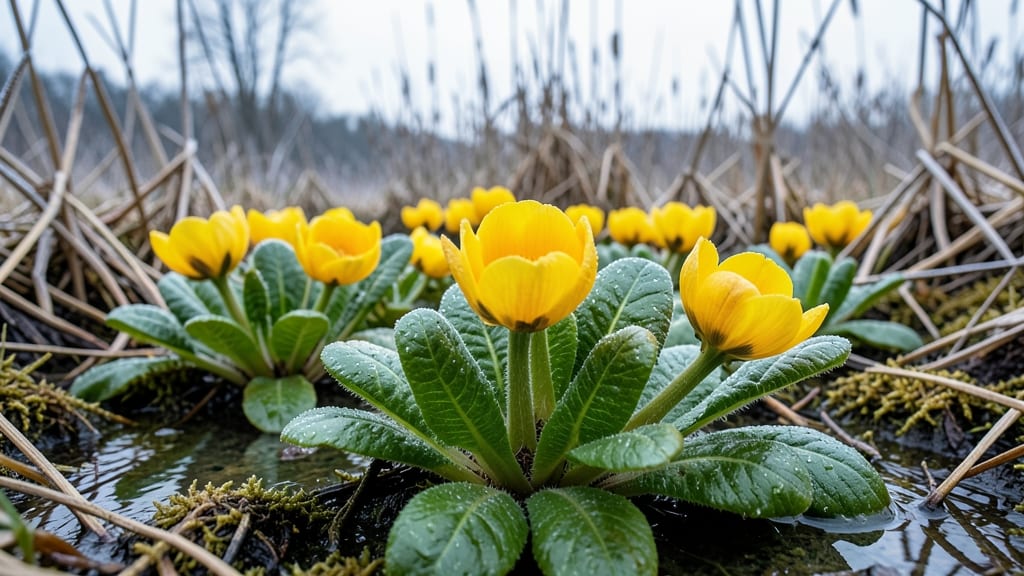
When your bog garden looks like a winter wasteland, marsh marigold (Caltha palustris) bursts onto the scene with cheerful yellow blooms as early as February, defying the chill. This hardy perennial thrives in shallow water or soggy soil, making it the perfect early-season anchor for water gardens, ponds, or wetland edges.
Its glossy, heart-shaped leaves stay evergreen through mild winters, while the cup-shaped flowers (up to 2 inches wide) attract pollinators like early bees and hoverflies. For best results, plant in partial to full shade—it tolerates wet roots but dislikes drying out. A single clump can spread to 2 feet wide, creating a lush, golden carpet that brightens the garden before spring bulbs even think about blooming.
Ideal for gardeners in USDA Zones 3-8, marsh marigold is especially rewarding for those in cooler climates where spring color arrives late. Pair it with cotton grass for winter texture or water forget-me-nots for a cascading blue contrast once summer arrives. 🌻
Sweet Flag for Fragrant Bogs
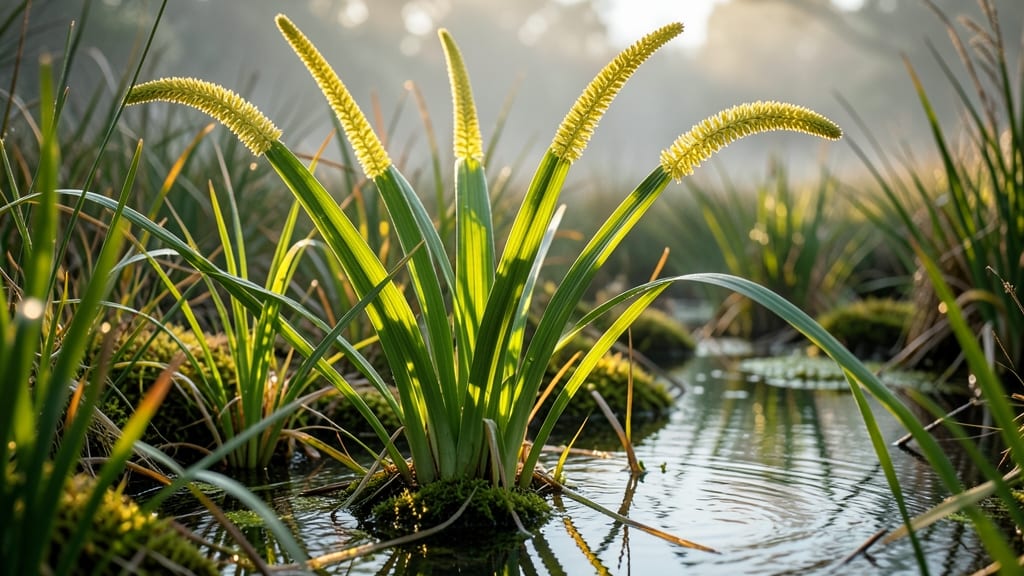
Want to add a sensory experience to your bog garden? Sweet flag (Acorus calamus) brings a citrusy aroma that lingers when brushed against, making it a fragrant standout in wetland spaces. Unlike most bog plants, this perennial thrives in standing water while producing arching yellow-green plumes that sway gently in the breeze.
Plant it in full sun to partial shade where its sword-like leaves can spread 2-3 feet wide, creating a striking vertical element. The roots also help stabilize soggy soil, making it ideal for rain garden edges. For best results, divide clumps every 3-4 years to maintain vigor.
Perfect for gardeners who love multi-sensory planting—this low-maintenance plant offers both visual drama and a refreshing scent, especially near seating areas or pathways. 🌿
Water Forget-Me-Not Clusters
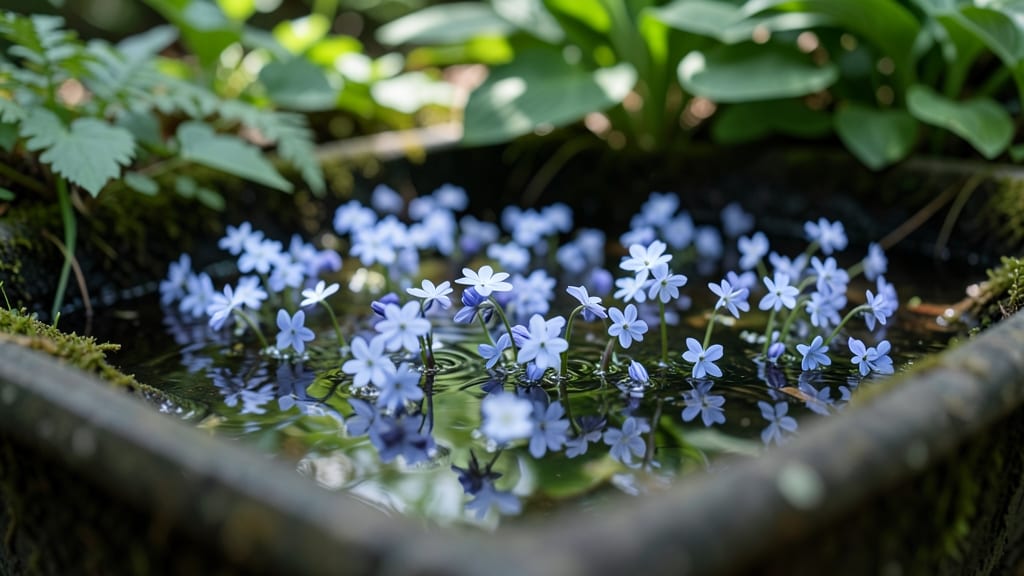
Looking for a self-seeding annual that effortlessly brightens your container bog garden? Water forget-me-not (Myosotis scorpioides) delivers clusters of delicate blue blooms that float above the water like tiny sky islands, perfect for adding charm to ponds or shallow water features.
This hardy plant thrives in full sun to partial shade, tolerating moist to waterlogged soils with ease. Simply scatter seeds in spring—no need for fertilizers or complex care. The flowers attract pollinators while self-seeding for year-round color with minimal effort from you.
Ideal for urban gardeners or beginners, water forget-me-nots bring effortless beauty to small spaces, requiring only occasional deadheading to keep blooms coming. 🌻
Purple Moorsedge for Late Season Color
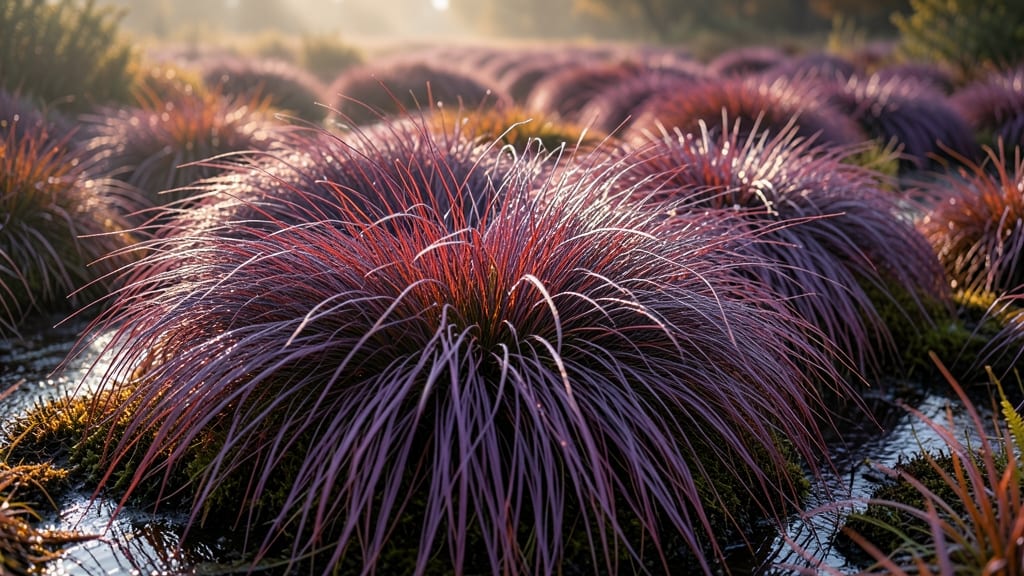
When your bog garden starts to fade in late summer, purple moorsedge (Molinia caerulea) steps in to steal the show. This clump-forming grass thrives in full sun and waterlogged soils, delivering deep purple foliage that transforms into fiery red hues by autumn—keeping your garden vibrant long after other plants have slowed down.
Native to European wetlands, this plant handles acidic, nutrient-poor soils with ease and even tolerates occasional flooding. Its airy seed heads add texture from late summer through winter, while its low-maintenance nature makes it ideal for busy gardeners. Simply cut back dead foliage in early spring to encourage fresh growth.
Perfect for modern bog gardens, purple moorsedge pairs beautifully with moisture-loving perennials like sweet flag or cotton grass. Urban gardeners with wet spots will love its ability to thrive in containers or rain gardens. 🌻
Water Mint for Pollinators and Scent

If you love the idea of a fragrant garden that doubles as a pollinator paradise, water mint is your secret weapon. This fast-spreading ground cover thrives in waterlogged soils while releasing a refreshing, minty aroma that keeps bees and butterflies buzzing all season long.
Plant it in partial to full sun along pond edges or bog gardens, where its bright green, lance-shaped leaves and tiny purple flowers create a lush carpet. To keep it from overtaking your space, trim it back by one-third in early spring and again after flowering—this simple step prevents it from becoming too aggressive while keeping your garden smelling fresh.
Perfect for gardeners who want low-maintenance fragrance and wildlife support, water mint is especially great for urban gardens with wet spots or container bog setups. Just be prepared for its charm to spread—literally! 🌿