
Pests and Diseases
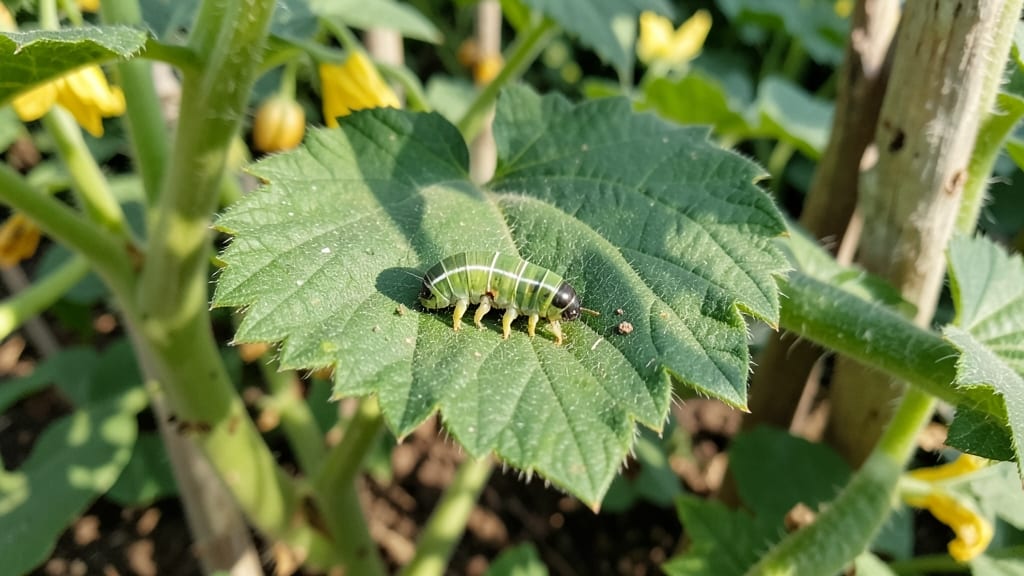
Spotting these bugs on tomato plants pictures can be a gardener’s worst nightmare—every summer, I’ve watched entire harvests vanish from pests I couldn’t even name. 🌱 This guide shows you exactly what those critters look like, what damage to watch for, and how to kick them out before they ruin your plants.
The worst part? Many pests hide on the undersides of leaves or blend into plant tissue until it's too late. I've seen hornworms strip a tomato plant bare in just two days, and aphids turn leaves sticky and yellow overnight.
But here's the good news: knowing what you're up against cuts response time from days to minutes. A quick spray of soapy water or neem oil can stop an infestation before it starts.
By the end, you'll recognize the telltale signs—chewed leaves, webbing, or tiny black dots—and act fast. Your tomatoes will stay lush, your harvests will stay big, and you'll never panic when you spot something unfamiliar again. Let's get those plants protected before the bugs get comfortable.
Works for backyard gardens, containers, and even patio pots—no matter where your tomatoes grow. The key is acting early, and this guide gives you the visual clues you need to spot trouble before it spreads. Ready to take back your garden?
Understanding the Root Causes
Tomatoes are a garden favorite, but their lush green leaves and ripe red fruits can become a buffet for unwanted critters. If you’ve spotted bugs on your tomato plants, chances are one (or more) of these factors is at play.
Let’s break down the science behind why pests target your tomatoes—and how environmental and plant health conditions make them vulnerable.
When tomato plants are packed too closely together or struggling with poor health, they become prime targets for pests. Here’s why:
- Reduced Airflow: Dense foliage traps moisture, creating a damp, humid microclimate that attracts soft-bodied insects like aphids, whiteflies, and fungus gnats.
These pests thrive in sticky, sugary environments where they can feed and reproduce rapidly. - Nutrient Deficiencies: Plants under stress (due to poor soil, over/under-watering, or lack of sunlight) produce weaker cell walls, making them easier for pests to penetrate.
For example, hornworms prefer stressed plants because their defenses are compromised. - Root Damage: Overwatering or compacted soil can weaken roots, making plants more susceptible to root-knot nematodes and other soil-borne pests that exploit compromised vascular systems.
Actionable Fix: Space plants 18–24 inches apart, prune regularly to improve airflow, and ensure balanced fertilization (especially nitrogen, phosphorus, and potassium).
Pests don’t just appear randomly—they’re drawn by specific conditions in your garden ecosystem.
- Warm, Humid Climates: Many tomato pests, like spider mites and stink bugs, flourish in heat (above 80°F) and high humidity.
Heat stress weakens plants, releasing volatile organic compounds (VOCs) that attract predators. - Dry Conditions: While some pests (e.g., aphids) love moisture, others like thrips and whiteflies thrive in dry, dusty environments where plants can’t defend themselves as effectively. - Seasonal Cycles: Early spring brings cutworms and slugs, while late summer attracts hornworms and fruitworms.
Each pest has a peak season tied to tomato plant growth stages.
Actionable Fix: Use shade cloth in extreme heat, mulch to retain moisture, and monitor humidity levels with a hygrometer.
A messy garden is an open invitation for pests. Here’s how neglect sets the stage:
- Debris and Weeds: Fallen leaves, plant residues, and weeds harbor egg-laying pests (e.g., tomato hornworm moths) and provide shelter for earwigs and cutworms.
- Unwashed Tools: Pruners and stakes can transfer nematodes or viral diseases (like tomato mosaic virus) from infected plants to healthy ones.
- Compost Piles: While compost is great, improperly managed piles can attract fruit flies and maggots, which may migrate to your tomato plants.
Actionable Fix: Clear garden debris weekly, sterilize tools with rubbing alcohol, and keep compost piles aerated and turned.
Some bugs are simply part of the tomato plant’s life cycle—and they’re highly efficient at exploiting it.
- Host Plant Preference: Many pests, like the colorado potato beetle or tomato fruitworm, have evolved to target Solanaceae (nightshade) plants, including tomatoes.
Their larvae and adults are chemically attracted to tomato foliage and fruits. - Pheromone Traps: Female pests release pheromones to attract mates, creating localized infestations.
For example, whitefly populations explode when a few females lay eggs in a sheltered spot. - Polyphagous Feeders: Generalist pests like stink bugs and aphids don’t discriminate—they’ll feast on any weak or damaged plant, including tomatoes.
Actionable Fix: Use pheromone traps for specific pests (like hornworm moths) and introduce beneficial insects (e.g., ladybugs, parasitic wasps) to disrupt their life cycles.
Sometimes, well-meaning gardening practices backfire by inviting pests.
- Over-Fertilizing: Excess nitrogen promotes soft, succulent growth, which attracts aphids and whiteflies. These pests love the high-sugar sap of overfed plants. - Synthetic Pesticide Use: Harsh chemicals can kill natural predators (like lacewings or ground beetles), leading to pest resurgence.
For example, spraying broad-spectrum insecticides may eliminate spider mites’ predators, causing an outbreak. - Transplanting Infested Plants: Buying or swapping contaminated seedlings can introduce viruses (e.g., tomato yellow leaf curl) or hidden pests (e.g., root-knot nematodes) into your garden.
Actionable Fix: Use organic, targeted sprays (like neem oil or insecticidal soap), and always inspect new plants for pests before transplanting.
Extreme weather events can turn your tomato plants into pest magnets overnight.
- Heavy Rain: Washes away natural predators (like spiders) and creates standing water, ideal for mosquitoes and fungus gnats.
It also dilutes soil nutrients, stressing plants. - Drought: Weakens plants, making them more attractive to sucking insects (e.g., thrips) that seek out water-rich tissues. - Wind Damage: Tears leaves, exposing tender stems to cutworms and slugs, which target injured plants.
Actionable Fix: Use drip irrigation to avoid wetting foliage, and row covers to protect plants during storms.
Pests don’t choose tomatoes randomly—they’re drawn by a mix of plant stress, environmental conditions, and human habits. By addressing these root causes, you can make your garden less appealing to invaders and create a healthier ecosystem for your plants to thrive. 🚀
Quick Fixes for Tomato Plant Pests
Now that you’ve identified the culprits 🐛🐞 lurking on your tomato plants, it’s time to take action! Below are practical, step-by-step solutions tailored to the most common pests, along with prevention tips to keep your garden thriving.
Whether you’re dealing with chewers, suckers, or leaf-munchers, these methods are easy to implement and effective—no fancy (or expensive) tools required.
👨🍳 Spot & Squash Them Hornworms are masters of disguise, blending into foliage during the day. Check plants at dawn or dusk when they’re most active. Look for:
- Large green caterpillars (up to 4 inches!)
- White "horns" on their rear ends
- Half-eaten leaves with frass (black droppings) nearby
🔪 Manual Removal (Best for Small Infestations)
- Wear gloves (hornworms can be fuzzy and irritating).
- Grab and drop them into soapy water—no mercy! 🚫
- Check daily—they grow fast and multiply quickly.
🌿 Natural Predators & Traps
- Encourage ladybugs and parasitic wasps (they love hornworm eggs!).
- Use yellow sticky traps to catch adult moths before they lay eggs.
💡 Prevention Tip: Plant basil, dill, or marigolds nearby—hornworms avoid these scents!
🍳 Blast Them Off Aphids cluster on new growth and undersides of leaves, leaving behind a sticky honeydew that attracts mold. Act fast with these methods:
💦 Water Blast (Gentle but Effective)
- Spray leaves with a strong stream of water from a hose (early morning works best).
- Repeat every 2–3 days until gone.
🧼 Soap Spray (Non-Toxic & Fast) Mix:
- 1 tsp mild liquid soap (like Castile)
- 1 quart water
- Spray directly on aphids (avoid flowers to protect bees).
🌡️ Introduce Beneficial Insects
- Ladybugs, lacewings, or parasitic wasps will eat aphids for breakfast. Buy them online or attract them with neem oil (see below).
✨ Prevention Tip:
- Neem oil spray (1 tbsp neem oil + 1 tsp soap + 1 quart water) repels aphids and disrupts their life cycle.
🔍 Identify the Damage Spider mites are microscopic but leave telltale signs:
- Yellow stippling on leaves
- Fine webbing (especially under leaves)
- Slow plant growth (they suck sap!)
🌧️ Water & Increase Humidity
- Mites hate moisture—spray leaves daily (especially undersides).
- Mulch around plants to retain soil moisture.
🧴 Oil Spray (Knocks Them Out) Mix:
- 1 tbsp horticultural oil (or neem oil)
- 1 tsp soap
- 1 quart water
- Spray thoroughly (miticides work best when plants are dry).
💡 Prevention Tip:
- Avoid over-fertilizing (mites love dry, dusty plants).
- Use reflective mulch (aluminum foil) to disorient mites with light.
🕵️♂️ Catch Them in Action Whiteflies flutter away when disturbed. Shake plants over a white sheet—if tiny white moths fly up, you’ve got an infestation.
🕯️ Yellow Sticky Traps (Best Early Defense)
- Hang yellow sticky cards near plants to trap adults.
- Replace every 1–2 weeks.
🧼 Soap or Neem Spray (Direct Attack)
- Spray undersides of leaves (where they hide) with soapy water or neem oil.
- Repeat every 5–7 days until no more adults appear.
🌿 Beneficial Wasps (Long-Term Solution)
- Encouraging Encarsia formosa (a parasitic wasp) will lay eggs inside whitefly pupae, killing them naturally.
🎯 Prevention Tip:
- Inspect new plants before bringing them indoors or into the garden.
- Remove infected leaves immediately to stop the spread.
🍳 Handpick & Destroy These orange-and-black beetles and their yellow larvae devour leaves, leaving skeletons behind.
🔪 Manual Removal (Most Effective)
- Pick off beetles and larvae by hand (they’re easy to spot).
- Drop them in soapy water—do not compost them!
🌿 Row Covers (Preventative Barrier)
- Cover young plants with floating row covers to block adults.
- Remove covers when flowers appear to allow pollination.
💡 Prevention Tip:
- Rotate crops—don’t plant tomatoes or potatoes in the same spot yearly.
- Plant trap crops like nasturtiums to lure beetles away.
Want to avoid pests altogether? Try these proactive strategies:
💡 Healthy Soil = Strong Plants
- Compost-rich soil = healthier plants that pests avoid.
- Avoid overwatering (fungus gnats and mites love damp soil).
🌡️ Rotate Crops & Plant Diversity
- Don’t plant tomatoes in the same spot every year.
- Interplant with herbs (basil, thyme, oregano) to repel pests naturally.
🕵️♀️ Early Detection = Easy Fixes
- Inspect plants weekly (especially undersides of leaves).
- Remove damaged leaves immediately to stop infestations early.
🌿 Companion Planting Wins
| Pest | Repellent Plants |
|---|---|
| Hornworms | Basil, Marigolds, Dill |
| Aphids | Garlic, Chives, Mint |
| Spider Mites | Cucumbers, Corn |
| Whiteflies | Nasturtiums, Ageratum |
Final Pro Tip: 🎯 Act fast! The sooner you treat an infestation, the easier it is to control. Most pests can be eliminated in 1–2 weeks with consistent effort. Happy gardening—your tomatoes will thank you! 🍅🌱
Frequently asked questions
What are the most common bugs that attack tomato plants?
Look for these troublemakers: hornworms (green caterpillars with white "horns"), aphids (tiny green/black clusters on leaves), whiteflies (tiny white moths that flutter away when disturbed), and spider mites (microscopic but leave yellow stippling). Each leaves distinct damage clues on leaves and stems.
How can I tell if my tomato plant has a pest problem?
Watch for these red flags: chewed leaves (hornworms), sticky residue (aphid honeydew), webbing (spider mites), or tiny black dots (whitefly frass). Check leaf undersides first—most pests hide there! A simple shake test (shake leaves over white paper) reveals fluttering whiteflies.
Are there any bugs that actually help tomato plants?
Yes! Ladybugs and lacewings eat aphids, parasitic wasps attack hornworm eggs, and ground beetles hunt cutworms. Plant dill or marigolds to attract these helpful allies—nature’s pest control! These beneficial insects keep harmful populations in check without chemicals.
Can I use homemade sprays to get rid of tomato plant bugs?
Try a soapy water spray (1 tsp mild soap + 1 quart water) for aphids or neem oil mix (1 tbsp neem oil + 1 tsp soap + 1 quart water) for mites and whiteflies. Spray early morning/evening to avoid harming bees. Always test sprays on a small leaf first—some plants are sensitive!
What’s the best time of day to check for bugs on tomato plants?
Early morning or late afternoon are ideal—pests like hornworms and aphids are most active then. Avoid midday when plants are wilted from heat. Pro tip: Use a flashlight to inspect leaf undersides at dusk—many pests hide there during daylight hours.