
How To
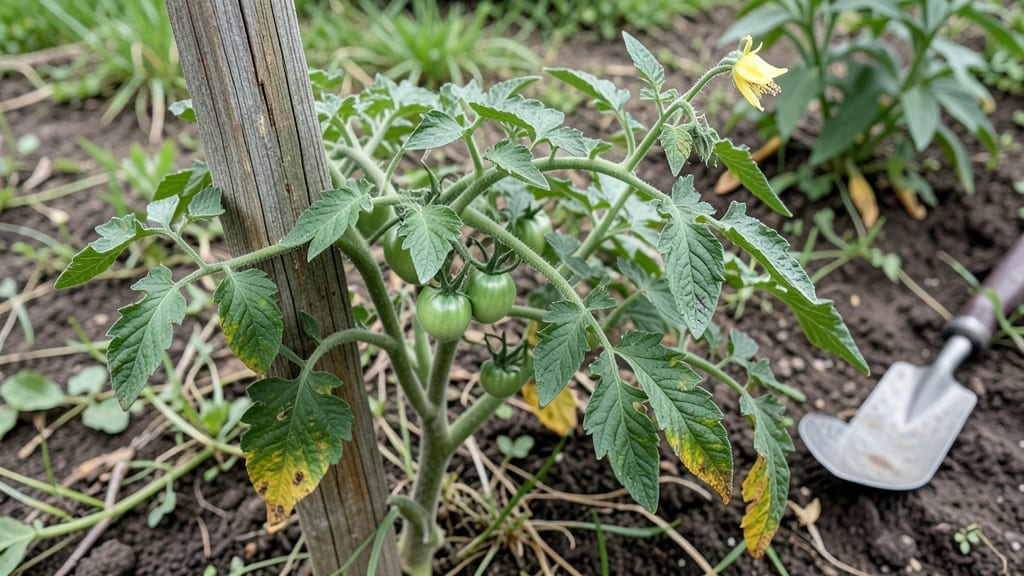
You should avoid planting peppers with tomatoes since they attract the same soil-borne pathogens like fusarium and verticillium wilt, which can ruin both plants. Opt for companions like basil, onions, or marigolds to promote stronger growth.
These diseases thrive in the soil and spread easily between plants in the nightshade family, including eggplants and potatoes. 🌱 Once established, they can linger for years, making rotation and smart pairings essential for garden health.
I’ve seen entire tomato and pepper crops fail when planted together, so I always separate them by at least 3 feet or use raised beds to minimize risk.
Peppers actually grow better alongside herbs like basil, which repels pests, or aromatic onions that deter aphids. Marigolds are another great choice—their strong scent confuses garden pests while improving soil structure. 💫 The key is creating a diverse planting scheme that reduces disease pressure and maximizes flavor.
💡 In This Article
- Shared Diseases: Why Peppers and Tomatoes Clash in Gardens
- Best Companion Plants for Peppers to Boost Yields
Shared diseases: why peppers and tomatoes clash in gardens
The real problem with planting peppers near tomatoes isn't just competition for nutrients—it's the shared vulnerability to two devastating soil-borne fungi: fusarium wilt and verticillium wilt. These pathogens thrive in the same soil conditions both plants prefer: warm, moist environments with rich organic matter.
The fungi produce microscopic spores that can survive in soil for 15+ years, waiting for susceptible hosts like tomatoes and peppers to appear.
Here's what actually happens: The fungi enter plant roots through microscopic wounds, then grow into vascular tissues where they block water and nutrient transport.
You'll notice symptoms starting with yellowing leaves (especially on older foliage), followed by wilting that occurs even when soil is moist—a classic sign of vascular disease. 🔥 The key difference from nutrient deficiency is that these symptoms appear on one side of the plant first before spreading.
In advanced cases, stems develop dark streaks when cut open, confirming fungal invasion.
What most gardeners don't realize is how efficiently these diseases spread. The fungi produce spores that can travel through water splashes (like irrigation or rain) or even on garden tools.
When infected tomato plants die, they release millions of spores back into the soil, creating a perfect storm for pepper plants nearby. The lifecycle is relentless: spores germinate, infect roots, spread upward, and repeat the cycle.
Temperature plays a critical role in disease severity. Fusarium wilt becomes most aggressive when soil temperatures exceed 80°F, while verticillium thrives in cooler conditions (60-70°F). This explains why southern gardens often see more fusarium cases, while northern gardens battle verticillium more frequently.
The fungi also compete with beneficial soil microbes, further weakening plant defenses.
There's another layer to consider: both peppers and tomatoes are part of the Solanaceae family, meaning they share similar biochemical pathways that these fungi exploit. The plants' natural defenses against pathogens are essentially the same, making them equally vulnerable to these specific soil invaders.
This shared susceptibility is why gardeners see entire beds collapse when these crops are planted together.
What makes this particularly frustrating is that these diseases aren't just plant killers—they're soil contaminants. Even after removing infected plants, the spores remain dormant in the soil, ready to infect the next susceptible crop.
This is why crop rotation becomes essential, though it requires 3-4 years of planting non-host crops to significantly reduce spore populations.
The bottom line? These diseases don't just affect peppers and tomatoes—they create a vicious cycle that can degrade soil health for years. Understanding this lifecycle helps explain why even experienced gardeners see their carefully tended plants suddenly fail without obvious signs of pest damage. 💫