
Pests and Diseases
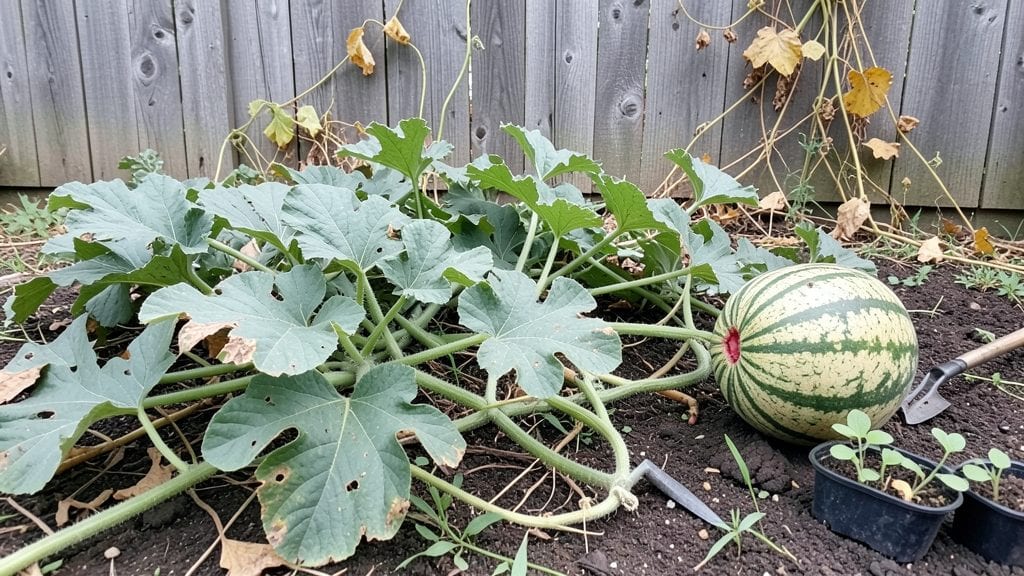
You can plant watermelon and strawberries together, but their spacing and sunlight needs demand thoughtful planning to prevent competition. Strawberries prefer partial shade and shallow soil, while watermelons sprawl in full sun and need deeper roots—so positioning them strategically (like trellising watermelons) maximizes both crops' success.
Watermelon vines can smother strawberry plants if not controlled, but their contrasting needs actually create a natural balance. 🌱 Placing strawberries on the north side of watermelons (in the Northern Hemisphere) gives them shade while letting watermelons bask in full sun.
I’ve seen this combo thrive in raised beds or when watermelons climb trellises—it’s all about giving each plant its own space without sacrificing yield.
For best results, space watermelon plants 6 feet apart and strawberries 18 inches apart in rows. This prevents root competition while allowing airflow to reduce fungal diseases. Adding mulch around strawberries helps retain moisture, which watermelons also appreciate during their sprawling growth phase.
💡 In This Article
- Optimal Spacing and Sunlight Needs for Watermelon and Strawberry Pairings
- Companion Planting Tips for Watermelon and Strawberry Gardens
Optimal spacing and sunlight needs for watermelon and strawberry pairings
Here's what's actually happening beneath the soil: watermelons develop deep taproots that can extend 3-4 feet down, while strawberries have shallow, fibrous roots typically staying in the top 6 inches of soil. This creates a natural vertical separation that reduces competition when spaced properly.
The key factor is their sunlight requirements—watermelons demand 6-8 hours of full sun daily for proper fruit development, while strawberries prefer 4-6 hours of partial shade to prevent scorching. 🔥
Watermelon vines spread aggressively, covering up to 20 square feet per plant, which can smother strawberries if not controlled. That's why spacing watermelons 6 feet apart in rows creates breathing room for both plants.
Strawberries, planted in between watermelon rows, receive dappled shade from the sprawling vines while still getting morning sunlight. The trick is positioning strawberries on the north side of watermelons (in Northern Hemisphere gardens) to maximize shade benefits during peak afternoon heat.
This arrangement works because watermelons' sprawling habit naturally creates shade, which strawberries crave to prevent their delicate leaves from burning at 90°F+ temperatures. The science behind this involves stomatal regulation—strawberry leaves close their pores in intense heat to conserve moisture, reducing photosynthesis efficiency.
By placing them under watermelon vines, you're essentially providing a built-in shade cloth that maintains optimal growing conditions without artificial intervention. ✨
What most people don't realize is how this pairing benefits soil moisture retention. Watermelon vines act like living mulch, reducing evaporation from the soil surface. Strawberries, with their shallow roots, benefit from this moisture retention while watermelons access deeper water supplies.
This creates a symbiotic relationship where both plants thrive without competing for the same resources—watermelons get deep hydration while strawberries maintain surface moisture levels. 💫
Consider these spacing variations based on garden layout:
- Raised beds: Plant watermelons along the edges with strawberries in the center, creating a natural shade gradient
- Trellis system: Grow watermelons vertically 8-10 feet above ground, freeing up ground space for strawberries below
- Container gardening: Use separate containers with watermelons in larger pots (15-gallon minimum) and strawberries in 5-gallon containers
The most critical measurement is vertical space—watermelon vines can reach 10-12 feet when trellised, while strawberries typically stay under 6 inches tall. This dramatic height difference allows you to stack them vertically, maximizing garden space while meeting each plant's specific sunlight requirements. The result is a dual-layer garden where both crops flourish without resource conflicts. 🌱