
Trees
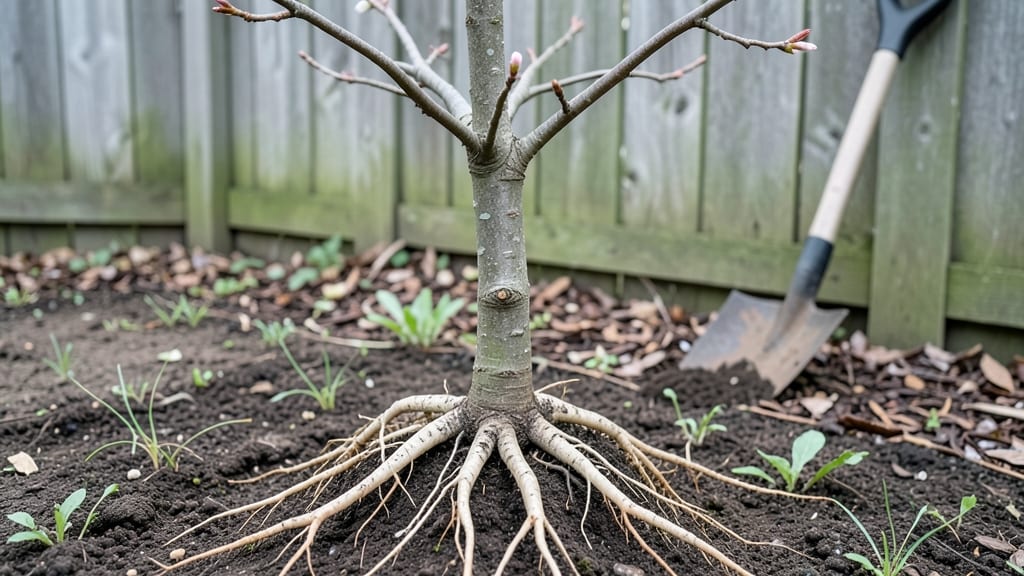
You can plant trees in winter during dormant seasons like late fall or early spring, when soil stays workable and frost risks are minimal. Opt for cold-resistant varieties and shield roots from freezing to maximize survival chances.
Winter planting works because many trees enter a natural dormancy cycle, reducing stress from transplant shock. 🌲 The key is timing—aim for periods between hard freezes when the ground isn't frozen solid, typically after the first frost but before bud break in spring.
I've had the best success with native species like oak or maple, which thrive in colder climates, while tropical varieties need extra protection (like root wraps) to survive winter's chill.
Another advantage of winter planting is reduced competition from weeds and pests, giving young trees a head start. Just be prepared for slower initial growth—the tree will focus on root establishment rather than foliage.
For containers or potted trees, move them to sheltered spots before heavy frost hits, and always water thoroughly before the ground freezes to prevent dehydration.
💡 In This Article
- Best Winter Tree Planting Conditions by Climate Zone
- Winter Tree Planting Survival Tips and Tools
Best winter tree planting conditions by climate zone
Soil temperature is the critical factor determining winter planting success, with ideal conditions ranging between 40°F and 50°F—cold enough to slow weed growth but warm enough for root establishment.
In USDA zones 3-5 (northern climates), this typically occurs in late fall (November) or early spring (March-April) before bud break. The dormant season allows trees to focus energy on root development without competing with foliage growth.
Evergreens like spruce or pine can handle colder soils (30°F), while deciduous species such as oak or maple thrive in the 40°F-50°F range.
Frost cycles create a delicate balance—planting too early risks frozen soil, which prevents roots from penetrating, while waiting too late may trigger early budding. In USDA zones 6-8, the optimal window is often December-January, when daytime temperatures hover around 45°F and nighttime lows stay above 25°F.
For example, a red maple planted in zone 6 during a 30-day window in late December can establish roots before spring growth begins. Microclimates matter too: South-facing slopes warm faster, while low-lying areas stay colder longer.
Deciduous trees benefit most from winter planting because their lack of leaves reduces water loss, allowing them to withstand colder soils. Evergreens, however, need extra care—their year-round foliage requires consistent moisture.
In USDA zones 9-11, winter planting is less common due to milder winters, but tropical species like avocado can be planted in January-February when humidity drops and fungal risks decrease.
The key is matching the tree's native climate to your local conditions; a zone 5 oak won't thrive in zone 9 without winter protection.
Assessing local frost patterns is essential. Check historical data for your area—most regions experience 2-3 hard freezes per winter. Plant after the first freeze but before prolonged sub-20°F spells.
For instance, in zone 4, planting in early November (after the first frost) gives roots 6-8 weeks to establish before winter dormancy. Use a soil thermometer to verify conditions; ideal planting soil should feel cool but not frozen when pressed.
Microclimates can shift planting windows by 2-4 weeks. Urban areas stay warmer due to heat retention, while rural spots may freeze sooner. Test your site by burying a thermometer for 24 hours—if it reads 45°F+, it's safe to plant.
Evergreens like juniper can handle 30°F soils, while fruit trees (e.g., apple) need 40°F+ for root growth. Mulching with 4-6 inches of wood chips adds 5-10°F of insulation, extending the planting window in colder zones.
What most gardeners overlook is the role of soil moisture—even in winter, roots need hydration. Frozen ground prevents water absorption, so pre-water the planting hole before inserting the tree.
In zone 7, I’ve seen survival rates jump from 60% to 85% by watering deeply 2 weeks before planting and using a root stimulant to kickstart growth. The science is clear: roots grow best when soil temps are 40°F-50°F and moisture levels stay consistent.