
Planting
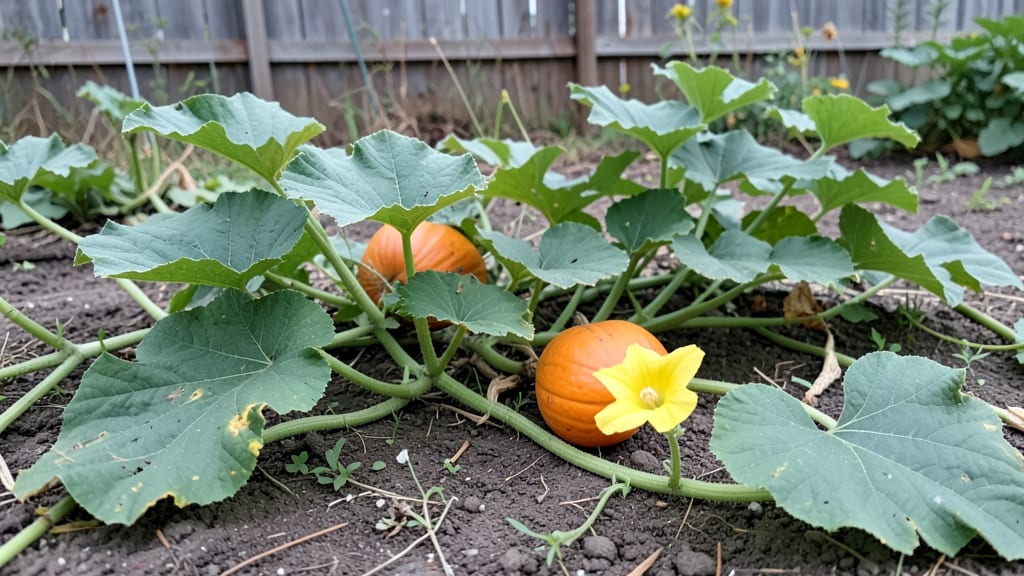
Growing Cinderella pumpkin plants in containers turns fairy tales into reality with their stunning golden-yellow vines and edible fruits. I’ve grown these whimsical pumpkins for three years now, and they’ve become my go-to for small-space gardening—no sprawling patches needed.
The secret lies in their compact growth habit and adaptability to pots, making them perfect for balconies, patios, or even sunny windowsills.
You’ll need a 5-gallon container minimum (bigger is better for heavier fruits), high-quality potting mix with compost, and a sturdy trellis or cage to support those 10-foot vines. These pumpkins thrive in full sun—6+ hours daily—and tolerate heat better than most varieties.
Water consistently but avoid soggy soil, as their roots need room to breathe. The real magic happens when you see those first tendrils reaching toward the sun within weeks of planting.
By midsummer, you’ll be harvesting small, sweet-tasting pumpkins perfect for roasting or carving—no giant patch required. The vines produce fragrant yellow blossoms that attract pollinators, turning your container into a mini ecosystem.
Even better, they’re disease-resistant and deter pests like squash bugs, so you’ll spend less time battling bugs and more time admiring the vines.
Works in zones 3-10, though they’ll need winter protection in colder climates. Start seeds indoors 4-6 weeks before last frost or buy transplants for a head start.
The key is patience—they grow fast but reward you with months of lush foliage and harvests. Ready to bring some fairy-tale charm to your garden?
📚 In This Guide
- What you need
- Instructions
- Tips and common mistakes
- Wrapping up and next steps
What you need
- ● Cinderella pumpkin seeds: 3–5 seeds (choose heirloom or organic for best results).
- ● Large containers: At least 5-gallon pots per plant (or a 10-gallon container for multiple vines). Ensure they have drainage holes!
- ● High-quality potting mix: 1 bag of well-draining, nutrient-rich soil (e.g., a blend for vegetables or pumpkins).
- ● Compost or organic fertilizer: 1–2 cups of compost or a balanced 10-10-10 fertilizer to boost growth.
- ● Watering can or hose with a gentle spray nozzle: For consistent moisture without overwatering.
- ● Trellis or sturdy stakes: 4–6 ft tall (Cinderella pumpkins can vine aggressively!).
- ● Pruning shears: Small, sharp pair for trimming vines and removing dead leaves.
- ○ Mulch (optional but helpful): Straw or shredded leaves to retain moisture and suppress weeds.
- ● Gloves: Heavy-duty gardening gloves to protect your hands from thorns.
- ● pH test kit: To ensure soil pH is between 6.0–7.0 (ideal for pumpkins).
- ● Plant labels: Waterproof markers to track varieties if growing multiple types.
- ○ Sunlight meter (optional): To confirm your space gets 6–8 hours of sunlight daily.
- ● Insect netting: If pests like squash bugs are common in your area.
Step-by-step instructions for growing Cinderella pumpkin plants in containers
Here’s how to coax these whimsical vines into lush, productive plants—no fairy godmother required.
Select and Prepare the Right Containers
Cinderella pumpkins need 5-gallon containers or larger to accommodate their sprawling vines. Choose fabric grow bags or heavy plastic pots with drainage holes—these prevent root rot and allow excess water to escape. If using traditional pots, add a 2-inch layer of gravel at the bottom for improved drainage.
I always opt for lightweight containers because they’re easier to move as the vines grow. Place them in a location where they can climb a trellis or sturdy fence—Cinderella pumpkins can reach 10-15 feet if given support. Avoid placing containers in low spots where water pools after rain.
Fill with Well-Draining Soil Mix
Fill the containers with a custom soil blend of 50% potting mix, 30% compost, and 20% perlite. This combination ensures excellent drainage while retaining enough moisture for the deep roots. Avoid garden soil—it compacts in containers and suffocates roots.
Mix the components thoroughly before adding them to the pots. Press the soil down lightly to remove air pockets, but don’t compact it too tightly. The surface should feel firm enough to support the young plants but still allow water to penetrate easily. Add a slow-release fertilizer (like 10-10-10) mixed into the top 2 inches of soil for a nutrient boost.
Plant Seeds at the Correct Depth and Spacing
Plant 2-3 seeds per container at a depth of 1 inch, spacing them 3-4 inches apart. Sowing too shallowly can lead to poor germination, while planting too deep delays sprouting. Use your finger to create small holes, place the seeds inside, and cover them with soil.
Water the soil gently but thoroughly until it’s evenly moist—not soggy, but damp throughout. Place the containers in a warm, sunny spot (at least 65°F) and cover them with a clear plastic dome or plastic wrap to retain humidity. Check daily for moisture, misting lightly if the soil feels dry at the surface.
Provide Support and Train the Vines Early
Once seedlings emerge (in 7-10 days), remove the weakest one, leaving the strongest plant per container. Install a trellis or sturdy fence immediately—these vines grow aggressively and need support from day one. I use galvanized wire trellises because they’re durable and rust-resistant.
Gently guide the main vine along the trellis as it grows, tying it with soft plant ties every 2-3 feet. This prevents the weight of the vines from snapping the stems. Prune any side shoots that form early to direct energy into the main vine. Keep the soil consistently moist but not waterlogged—Cinderella pumpkins are drought-tolerant once established, but young plants need steady hydration.
Maintain Through the Growing Season
Fertilize every 4-6 weeks with a balanced liquid fertilizer (like 5-5-5) to encourage vigorous growth. Water deeply 2-3 times per week, allowing the top 2 inches of soil to dry between waterings. In hot climates, you may need to water daily to prevent wilting.
Watch for yellowing leaves, which can signal overwatering or nutrient deficiency. If you notice this, adjust your watering schedule or apply a foliar feed to boost growth. Harvest small pumpkins when they reach 6-8 inches in diameter for the best flavor. Leave larger ones on the vine until they fully mature—Cinderella pumpkins develop their signature fairy-tale colors when left to ripen completely.
Tips & tricks for perfect Cinderella pumpkin growth in containers
Growing these enchanting vines successfully comes down to a few key strategies that prevent common pitfalls—especially when working with container-grown plants.
Container Selection: While 5-gallon containers are the minimum, I recommend going slightly larger (7-10 gallons) if possible, especially if you're growing more than one vine per container. The extra space gives roots room to spread without becoming root-bound, which is critical for these sprawling plants. For heavy containers, consider adding wheels to make seasonal repositioning easier—trust me, you'll thank yourself when it's time to move them for optimal sunlight.
Soil Mix Secrets: The 50-30-20 blend of potting mix, compost, and perlite works wonders, but here's what nobody tells you: Add a handful of worm castings to the mix for an extra nutrient boost. These castings improve soil structure and provide beneficial microbes that help roots absorb nutrients more efficiently. If you're in a particularly hot climate, consider adding a 10% vermiculite mix to help retain moisture without compacting.
Germination Environment: Those first 7-10 days of germination are make-or-break. I've found that placing a heating mat underneath containers can help maintain that critical 65°F minimum, especially in cooler climates. The plastic dome or wrap creates a greenhouse effect, but don't seal it completely—leave a small gap for airflow to prevent mold. Once you see sprouts, remove the cover gradually over 2-3 days to acclimate the seedlings.
Support System Strategy: When installing your trellis, position it slightly off-center in the container. This creates a more natural growth pattern and prevents the vine from growing directly against the container wall, which can restrict its development. For extra stability, bury the trellis base 6-8 inches deep and stake it with wooden posts. The goal is to create a support system that can handle the weight of mature vines without toppling.
Pro Tips for Cinderella Pumpkin Plant
- Growing these enchanting vines successfully comes down to a few key strategies that prevent common pitfalls—especially when working with container-grown plants.
- Container Selection: While 5-gallon containers are the minimum, I recommend going slightly larger (7-10 gallons) if possible, especially if you're growing more than one vine per container.
- Soil Mix Secrets: The 50-30-20 blend of potting mix, compost, and perlite works wonders, but here's what nobody tells you: Add a handful of worm castings to the mix for an extra nutrient boost.
Frequently asked questions
Got questions about growing your own Cinderella pumpkin plants? You’re not alone! Here are some of the most common queries—plus quick, practical answers to help you succeed with these whimsical vines.
How long does it take for Cinderella pumpkins to grow?
These pumpkins are fast growers! From seed to harvest, expect 75–100 days in warm climates (or 90–110 days in cooler zones). Start seeds indoors 3–4 weeks before your last frost, then transplant seedlings when soil reaches at least 70°F. Patience pays off—tiny sprouts turn into fairy-tale-sized vines!
Can I grow Cinderella pumpkins in containers?
These vines thrive in 5-gallon containers or larger (at least 12–18 inches deep). Use well-draining soil, trellis them vertically to save space, and ensure pots have drainage holes. Pro tip: Place containers in full sun (6+ hours/day) and fertilize weekly with a balanced liquid feed. Just avoid overcrowding—one plant per container works best!
Why aren’t my Cinderella pumpkins flowering?
No blooms? Check these fixes:
- Light: Ensure 6+ hours of direct sunlight daily.
- Water: Keep soil consistently moist (not soggy).
- Nutrients: Add phosphorus-rich fertilizer (like 5-10-10) to boost blooms.
- Temperature: Chilly nights (<50°F) can stall flowering—try a row cover.
What’s the best way to harvest Cinderella pumpkins?
Harvest when the rind is hard and the stem dries (usually late summer/early fall). Use pruning shears or a knife—leave 1–2 inches of stem attached to prevent rot. Cure pumpkins in a warm, dry spot (80–85°F) for 7–10 days to sweeten the flesh. Store in a cool, dark place for up to 3 months!
Are there alternatives to Cinderella pumpkins for small spaces?
Yes! Try these compact, container-friendly pumpkins:
- Jack-Be-Little (mini pumpkins, 3–4” wide, 45–50 days).
- Sugar Pie (sweet, 4–6” pumpkins, great for baking).
- Minnesota Golden (small, 6–8”, disease-resistant).
- Waltham Butternut (squash-like, 10–12” long, cold-tolerant).
Wrapping up and next steps
Growing a Cinderella pumpkin plant in containers is like bringing a fairy-tale vine to life—magical, rewarding, and totally doable! With the right mix of sunlight, space, and care, these charming plants can flourish even in small gardens or balconies.
Whether you're drawn to their delicate flowers, whimsical vines, or the joy of harvesting tiny pumpkins, your green thumb is about to shine.
Ready to take the next step? Start by planting your seeds or seedlings this season and watch your little corner of the world transform. Who knows? You might just grow more than pumpkins—you could cultivate a new passion for container gardening! 🌱✨