
Container Gardens
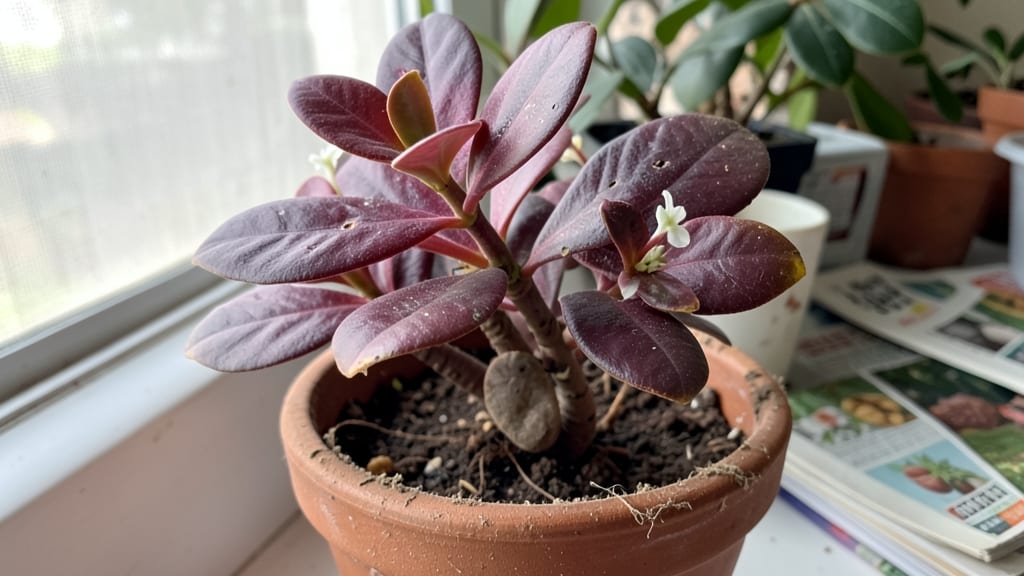
Growing a Clusia indoor plant 🌿 means bringing home a tropical stunner that demands just as much attention as it delivers beauty.
Picture this: your fall decor centerpiece, its deep green leaves and fiery red berries glowing under a south-facing window—until you realize it’s dropping leaves faster than you can water it.
That’s the tricky balance of caring for a Clusia, but don’t worry, the secrets to keeping it thriving are simpler than you think.
This sun-loving shrub isn’t just about bright light—it’s about the right kind of light, the perfect soil mix, and knowing when to step back (yes, even with watering). Below, I’ll walk you through the exact care routine that turns a finicky plant into a year-round showstopper, no green thumb required.
Ready to master the art of Clusia care? Let’s dive into the sun-loving secrets that’ll keep your plant lush, happy, and full of life—without the guesswork.


Clusia indoor plant light requirements: balancing sun exposure for optimal growth
Your Clusia indoor plant 🌿 needs bright indirect light to thrive, but too much direct sun can scorch its leaves while too little light leads to leggy, weak growth. The key is finding that sweet spot where your plant gets enough sunlight without risking damage.
I’ve learned this the hard way—my first Clusia nearly turned into a sad, stretched-out shadow plant before I adjusted its light exposure.
Clusia plants naturally grow in tropical forests where they adapt to dappled sunlight filtering through the canopy. Replicating this environment indoors means positioning your plant near a north or east-facing window where it receives 4-6 hours of bright, filtered light daily.
South-facing windows can work too, but only if you place the plant a few feet back to avoid harsh afternoon rays.
Here’s the critical comparison to help you choose the perfect light setup for your Clusia:
Step-by-step Clusia plant care: watering, soil, and humidity tips for thriving growth
Mastering the watering routine for your Clusia indoor plant 🪴 is half the battle for keeping it thriving. Unlike many houseplants, Clusia prefers a soak-and-dry method—meaning you water thoroughly until it drains, then let the top 1-2 inches of soil dry out before watering again.
Overwatering is the #1 killer of Clusia plants, leading to root rot and yellowing leaves, while underwatering causes crispy edges and stunted growth.
Your Clusia’s soil mix is just as critical as watering. These tropical plants love a well-draining, slightly acidic mix (pH 5.5-6.5) that mimics their natural forest floor habitat. A blend of 50% peat moss or coco coir, 30% perlite, and 20% orchid bark works wonders.
This combination prevents soggy roots while retaining enough moisture to keep the plant happy between waterings.
Here’s your step-by-step care guide to keep your Clusia thriving year-round:
Use the finger test: Stick your finger 1-2 inches into the soil. If it feels dry, water until it drains from the pot’s bottom. Never let it sit in standing water.
Repot every 2-3 years using a mix of peat moss, perlite, and orchid bark. Add a handful of worm castings for nutrients.
Maintain 50-70% humidity with a pebble tray or humidifier. Mist leaves 2-3 times weekly in dry climates.
If roots smell rotten, trim affected areas with sterile scissors and repot in fresh, dry mix. Hold off on watering for 10 days.
Soak the pot in room-temperature water for 15-20 minutes, then drain. Increase humidity and monitor soil moisture closely.
Your Clusia’s humidity needs are just as important as watering. These tropical beauties thrive in 50-70% humidity, which is often lower than most homes provide.
If your air feels dry (especially in winter), place your Clusia on a pebble tray filled with water and pebbles, or use a small humidifier nearby. I’ve seen dramatic improvements in leaf health after adding a humidifier near my Clusia during dry spells.
One of the biggest mistakes I see with Clusia care is ignoring seasonal adjustments. During summer months, your plant may need watering every 5-7 days, while in winter, you can stretch it to every 10-14 days.
Always check soil moisture before watering—overwatering in winter is a common cause of root rot. If your Clusia’s leaves start curling or dropping, it’s often a sign of either too much or too little water.
For extra care, I recommend fertilizing lightly during the growing season (spring and summer) with a balanced liquid fertilizer (10-10-10) every 4-6 weeks. This gives your Clusia the nutrients it needs without overwhelming its sensitive roots.
In fall and winter, skip fertilizing entirely to let the plant rest. A happy Clusia rewards you with glossy leaves and those vibrant red berries that make it worth every effort.