
Companion Plants
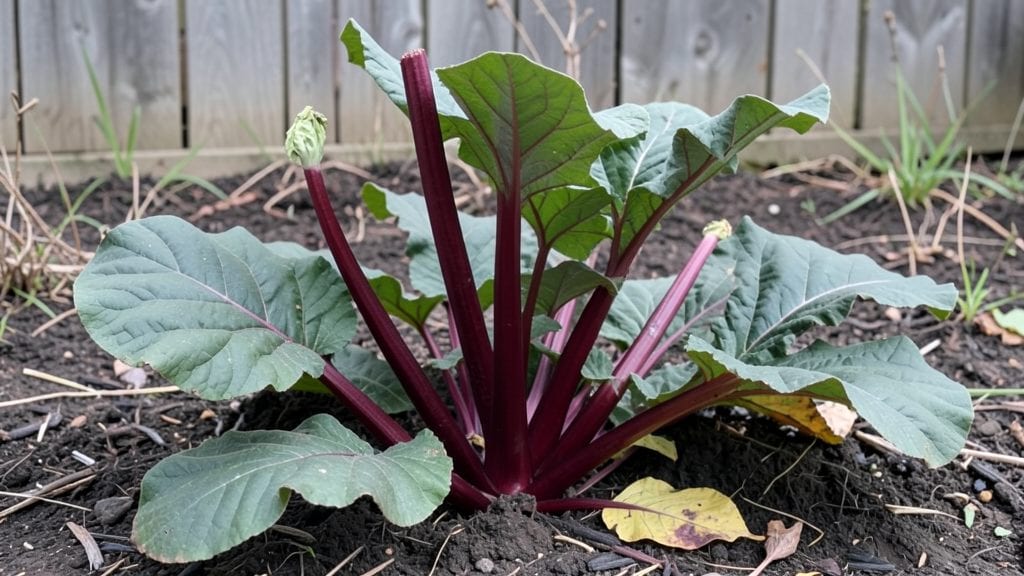
Crimson rhubarb plants deliver the deepest red stems you'll ever grow, and their cold-hardiness makes them a standout in early spring gardens. 🌱 I remember the first time I pulled a vibrant stalk from my garden in late March—it was like finding a jewel in the frost.
This variety thrives where others falter, offering harvests even in Zone 3 climates.
The secret to their success starts with well-draining soil rich in organic matter. Plant in full sun with at least 3 feet between crowns, and you'll see those striking red stalks emerging faster than most varieties.
Water consistently but avoid soggy roots—they hate wet feet more than any other rhubarb. Mulch heavily in winter to protect the crowns from freeze-thaw cycles.
By late spring, you'll be harvesting tender, sweet-tart stalks that outshine any grocery store variety. The flavor is more complex than green rhubarb, with a hint of berry-like depth that makes pies and compotes unforgettable.
With proper care, a single plant can produce for decades, giving you a reliable harvest every year.
Perfect for northern gardens, small spaces, or anyone tired of bland green rhubarb. Here's how to get started with this cold-hardy superstar!
📚 In This Guide
- What you need
- Instructions
- Tips and common mistakes
- Wrapping up and next steps
What you need
- ● Crimson rhubarb plants: 1–3 crowns (bare-root) or 3–5 young plants (potted) per garden bed. Choose certified disease-free varieties for best results.
- ● Well-draining soil: Amend with compost (2–3 gallons per plant) or aged manure (5–10 lbs per bed) to enrich fertility.
- ● Organic mulch: Straw, wood chips, or shredded leaves (2–3 inches deep) to retain moisture and suppress weeds.
- ● Slow-release fertilizer: 5-10-10 or balanced organic fertilizer (e.g., 10-10-10) for planting (follow package rates).
- ● Garden tools: Trowel or transplant spade
- ● Garden fork (for loosening soil)
- ● Pruners (sterilized with rubbing alcohol)
- ● Watering can or hose with adjustable nozzle
- ● Soil pH tester: Crimson rhubarb thrives in slightly acidic to neutral soil (pH 6.0–7.0). Adjust with lime (to raise pH) or sulfur (to lower) if needed.
- ● Row covers or frost cloth: For early spring/fall protection in colder climates (Zone 3 and below).
- ● Drip irrigation system: Ensures consistent moisture without overwatering.
- ● Plant markers: Rhubarb can look like weeds—label your beds to avoid accidental harvesting!
- ● Companion plants: Try planting with comfrey, thyme, or strawberries to deter pests naturally.
How to plant and grow Crimson rhubarb for year-round harvests
Here’s my go-to method for establishing cold-hardy Crimson rhubarb—it’s surprisingly simple once you know the key steps.
🌱 Step 1: Choose the Perfect Planting Spot
Crimson rhubarb thrives in full sun to partial shade, with at least 6 hours of direct sunlight daily. I always pick a spot with well-draining soil—rhubarb hates soggy roots. If your soil is heavy clay, mix in 2-3 inches of compost to improve drainage before planting. The plant’s deep roots mean it stays in one place for years, so avoid areas where you’ll need to dig later.
Test your spot’s moisture by digging a 6-inch hole—if water pools instead of draining within 30 minutes, amend the soil further. A slightly elevated bed helps prevent winter moisture buildup, which can rot crowns. Mark the area with stakes to avoid disturbing roots during transplanting.
🪴 Step 2: Plant Crowns at the Right Depth and Spacing
For 4 plants, dig holes 12-18 inches deep and space them 3-4 feet apart—this gives stems room to grow thick and sturdy. Crimson rhubarb’s crowns (the thick, fleshy base) should sit just below soil level, with the top of the crown 1 inch under the surface. Press soil firmly around the crown to eliminate air pockets, but don’t compact it.
I always water the holes 1-2 days before planting to settle the soil. After placing the crown, backfill with the native soil (no amendments here—rhubarb prefers slightly acidic to neutral soil). Mulch with 2-3 inches of straw or shredded leaves to retain moisture and suppress weeds. Avoid wood chips, which can acidify the soil over time.
☀️ Step 3: Water Deeply and Establish a Routine
Water deeply once a week during the first growing season, aiming for 1-1.5 inches of water per week. Crimson rhubarb is drought-tolerant once established, but young plants need consistent moisture. You’ll know you’re doing it right when the soil feels damp 2-3 inches down—stick your finger in to check. Overwatering causes crown rot, so let the top 1 inch dry out between waterings.
Fertilize lightly in early spring with a balanced 10-10-10 fertilizer (use ½ the recommended rate—rhubarb is sensitive to excess nitrogen). I skip fall fertilization to encourage winter hardiness. By year 2, your plants will send up thick, vibrant red stems—this is your reward for patience.
✂️ Step 4: Harvest Strategically for Long-Term Growth
Wait 2-3 years before harvesting stems—this gives roots time to establish. Cut stems at the base with clean pruners when they reach 8-10 inches tall, leaving the leaf crown intact. Harvest no more than ⅓ of the stems in the first year to avoid weakening the plant. Crimson rhubarb’s deep red color develops fully when stems are fully mature—don’t rush it.
After harvest, water deeply and mulch again to protect roots. In winter, add an extra 4-6 inches of mulch to insulate crowns. Rhubarb is famously cold-hardy (down to -30°F), but extra protection extends the season. By year 3, you’ll have year-round harvest potential—even in mild winters, new shoots emerge early.
⏰ Step 5: Prune and Maintain for Longevity
Remove dead or diseased leaves in early spring to improve air circulation. If stems flop over, tie them to small stakes—this keeps them upright and prevents rot. I prune back any suckers (small shoots at the base) unless you’re propagating new plants. Crimson rhubarb lives 15+ years with proper care, so invest time in winter protection and spring cleanup.
Here’s the thing—rhubarb’s first harvest is the sweetest payoff. The key is patience and consistency. Once established, these plants reward you with bold, cold-hardy stems that outperform store-bought any day. Just don’t overharvest, or you’ll end up with a sad, leggy plant next year.
Tips & tricks for perfect Crimson rhubarb growth
These simple strategies will help you avoid common pitfalls and maximize your Crimson rhubarb's potential for years to come.
Soil Test Tip: Before planting, grab a handful of your garden soil and squeeze it tightly. If it holds its shape like clay, you'll need those 2-3 inches of compost in Step 1 to improve drainage. I've learned this the hard way—soggy roots lead to rot, not harvests. The 30-minute drainage test in the instructions is your best friend for preventing this.
Planting Depth Secret: That 1-inch crown depth in Step 2 might seem tricky, but here's my trick: Use a ruler or even a pencil to measure from the top of the crown down to your planting depth. Too deep, and the crown rots; too shallow, and it dries out. I mark my pencil at the right spot before planting to avoid guesswork.
Winter Protection Hack: When adding that 4-6 inches of mulch in winter, I use a combination of straw and leaves—straw for insulation and leaves for moisture retention. Spread it in a volcano shape around the crown to prevent snow from pooling directly on the plant. This extra layer makes all the difference when temperatures drop below 30°F.
Harvest Timing: Those 8-10 inch stems in Step 4 should feel firm but not woody. I test by gently squeezing—if it springs back, it's ready. The first year, I only harvest 1-2 stems per plant to let them establish. Patience here means bigger harvests later, and trust me, it's worth it.
Pro Tips for Crimson Rhubarb Plants
- These simple strategies will help you avoid common pitfalls and maximize your Crimson rhubarb's potential for years to come.
- Soil Test Tip: Before planting, grab a handful of your garden soil and squeeze it tightly.
- Planting Depth Secret: That 1-inch crown depth in Step 2 might seem tricky, but here's my trick: Use a ruler or even a pencil to measure from the top of the crown down to your planting depth.
Frequently asked questions
Got questions about growing crimson rhubarb plants? You’re not alone! Here are some of the most common queries—plus straightforward answers to help you cultivate this cold-hardy beauty with confidence.
How cold can crimson rhubarb tolerate?
Crimson rhubarb (Rheum palmatum) is famously tough! It thrives in USDA zones 3-8 and can handle frost down to -30°F (-34°C). In fact, a cold winter helps it produce sweeter, more vibrant stems the following spring. Just mulch heavily in extreme winters to protect the crown.
When is the best time to harvest crimson rhubarb?
Harvest stems in early spring (as soon as they’re 8–10 inches tall) for the sweetest flavor. You can also harvest lightly in fall before the first hard frost, but avoid heavy harvesting then—save energy for next year’s growth. Never harvest before the plant is 2+ years old!
Why is my crimson rhubarb turning yellow or mushy?
Yellow or mushy stems often signal overwatering, poor drainage, or fungal issues. Ensure the plant has well-draining soil and water only when the top 1–2 inches of soil are dry. If fungal disease (like crown rot) is suspected, remove affected stems and treat with copper fungicide or neem oil.
Can I grow crimson rhubarb in containers?
Yes! Crimson rhubarb adapts well to large containers (at least 12–18 inches deep) with drainage holes. Use a balanced pH soil mix (6.0–7.0) and place pots in full sun to partial shade. Just be prepared to protect pots from freezing temps in winter with insulation or move them to a sheltered spot.
What plants make great companions for crimson rhubarb?
Crimson rhubarb pairs beautifully with companion plants that deter pests and improve soil. Try:
- Alliums (garlic, chives, onions) – Repel aphids and improve flavor.
- Thyme or rosemary – Deter slugs and attract pollinators.
- Comfrey – Boosts soil fertility with nitrogen.
- Avoid planting near potatoes or beans—they compete for nutrients.
Wrapping up and next steps
Growing crimson rhubarb plants is a rewarding journey that brings vibrant color, versatility, and cold-hardy resilience to your garden. Whether you're drawn to their striking foliage, easy-care nature, or culinary potential, these plants offer year-round harvests with minimal fuss.
Now that you’re equipped with the right knowledge, it’s time to roll up your sleeves and get planting—your kitchen (and garden!) will thank you.
🌱 Next steps:
- Pick your spot and prep the soil—your rhubarb is ready to thrive!
- Start with a single plant or expand your patch for future harvests.
- Share your progress (or questions!) with fellow gardening enthusiasts for extra tips.