
Diseases
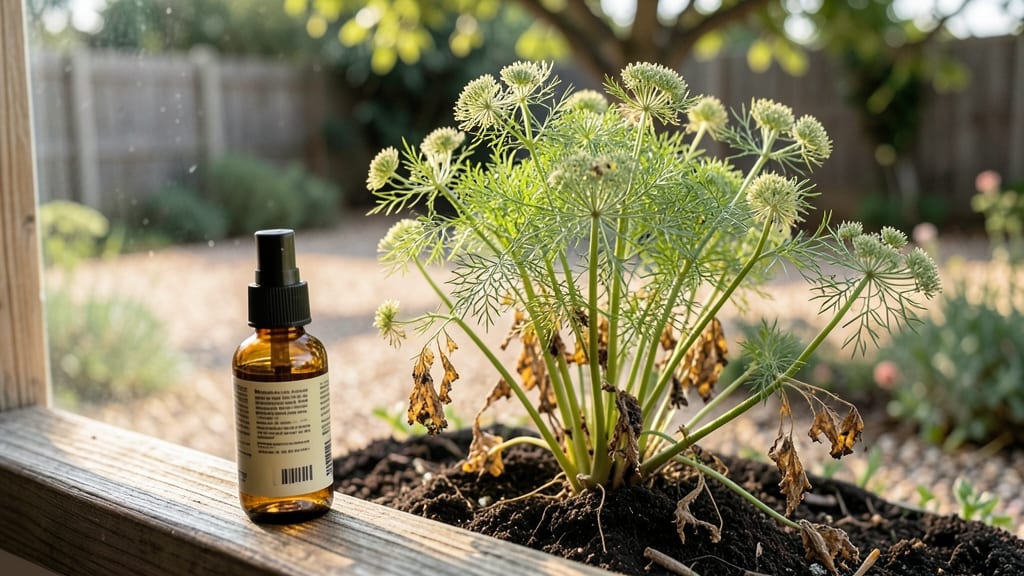
Dill plant diseases like yellow leaf spots and powdery mildew can turn your fragrant herb patch into a sad, spotted mess—unless you catch them early. 🌿 I’ve seen this happen twice in my garden, and the difference between a thriving dill plant and a struggling one comes down to knowing the right moves when those first spots appear.
The culprits are usually too much moisture, poor airflow, or crowded plants letting humidity build up. Powdery mildew starts as white fuzz, while yellow leaf spots look like water-soaked splotches that spread fast.
The good news? Both respond well to a mix of preventive care and quick action—no need for harsh chemicals if you act fast.
You’ll learn how to prune for airflow, adjust watering to keep leaves dry, and use simple sprays like neem oil or baking soda mixtures to stop the spread. Within a week, your dill should bounce back with fresh, disease-free growth—ready to flavor your summer dishes again.
Works for both container-grown dill and in-ground plants, and the same tricks prevent future outbreaks. Let’s get those plants healthy again—without losing your sanity over it.
Root Causes of Dill Plant Troubles
Dill plants, with their delicate fronds and aromatic leaves, can quickly fall victim to diseases like yellow leaf spots and powdery mildew—but why do these issues even happen? Understanding the underlying factors behind these problems is the first step to preventing them.
Let’s break down the science and environmental triggers that turn a thriving dill plant into a struggling one.
Fungal diseases like powdery mildew and leaf spot thrive because they’re everywhere. Spores float in the air, waiting for the right conditions to land on your dill and take hold. Here’s how it works:
- Overcrowded plants: When dill grows too close together, air circulation stalls. Warm, humid conditions (ideal for fungi) linger between leaves, giving spores a perfect breeding ground.
- Previous infections: If you’ve grown dill—or other susceptible plants like cucumbers or squash—in the same spot before, fungal spores may still be lurking in the soil or debris.
- Wind and water spread: Rain splashes spores onto leaves, while wind carries them from infected plants nearby. Even a gentle breeze can turn a single infected plant into an epidemic.
Pro Tip: 💡 Rotate crops and avoid planting dill in the same spot year after year. If you must reuse the area, solarize the soil (cover it with clear plastic for 4–6 weeks in hot sun) to kill lingering spores.
Dill plants love sunlight, but they hate stagnant, damp air. When humidity spikes (especially above 75%) and airflow is restricted, fungi and bacteria get a golden opportunity:
- Stagnant moisture: Water droplets on leaves create a film that traps heat and humidity, speeding up fungal growth. Yellow leaf spots often appear when leaves stay wet for more than 6 hours.
- Thick foliage barriers: Tall, bushy dill varieties (like ‘Bouquet’ or ‘Fernleaf’) can block sunlight and air from reaching lower leaves, creating a microclimate perfect for disease.
- Irrigation habits: Overhead watering (especially in the evening) keeps leaves damp overnight, while drip irrigation at the base keeps foliage dry—a game-changer for prevention.
Fix It: 🌡️ Space plants 12–18 inches apart and prune regularly to improve airflow. Water early in the day so leaves dry before nightfall.
A dill plant under stress is like a person with a weak immune system—it can’t fend off invaders. Nutrient deficiencies (or excesses) make dill vulnerable to diseases:
| Deficiency | Symptoms | Disease Risk |
|---|---|---|
| Nitrogen (N) | Pale, yellowing leaves (especially older ones) | Weak growth = slower recovery from fungal attacks |
| Magnesium (Mg) | Interveinal yellowing (between leaf veins) | Reduced chlorophyll = less energy to fight pathogens |
| Potassium (K) | Brown leaf edges, weak stems | Poor cell structure = easier entry for bacteria/fungi |
Boost Resistance: ✨ Use a balanced fertilizer (like 10-10-10) at planting, then side-dress with compost mid-season. Epsom salt (magnesium sulfate) can help if leaves show yellow between veins.
Extreme or sudden changes in temperature, light, or water can shock dill plants, making them highly susceptible to diseases:
- Temperature swings: Powdery mildew thrives in 60–80°F (15–27°C) with high humidity. If nights dip below 50°F (10°C), growth slows, weakening the plant’s defenses.
- Too much shade: Dill needs 6+ hours of sunlight daily. Shady spots lead to etiolated (stretched, weak) stems that can’t support healthy foliage.
- Drought stress: While dill is drought-tolerant, sudden watering after a dry spell can shock roots, making them more prone to fungal infections.
Prevent Stress: 🎯 Plant in full sun and mulch to keep soil moisture consistent. Avoid overhead watering in hot afternoons to prevent leaf burn and fungal spread.
By addressing these root causes—fungal spores, poor airflow, nutrient gaps, and environmental stress—you’ll give your dill plants the best shot at staying healthy and disease-free. The next step? Learn how to treat and prevent these issues before they take over.
Fixing Common Dill Plant Ailments
Dill plants may look delicate, but with the right care, they can bounce back from even the trickiest issues. Below, we’ve mapped out practical solutions for the most common dill plant diseases—yellow leaf spots, powdery mildew, and more—along with prevention tips to keep your herbs thriving.
Let’s get your dill back to its vibrant, healthy self!
Cause: Fungal infections (like Alternaria or Septoria) thrive in damp, humid conditions, causing unsightly brown or yellow spots on leaves.
How to Fix It: ✅ 🔥 Remove Infected Leaves Immediately
- Snip off any leaves with yellow/brown spots before the fungus spreads. Dispose of them in the trash (not compost)—fungi can survive in compost piles.
✅ 🌡️ Improve Air Circulation
- Thin out crowded plants or space them 12–18 inches apart to reduce humidity around leaves. If growing in containers, ensure pots have drainage holes.
✅ 💧 Adjust Watering Habits
- Water at the base (not overhead) to keep foliage dry. Aim for deep watering 1–2 times per week instead of daily shallow sprinkles.
- Morning watering is best—wet leaves dry faster in sunlight, discouraging fungal growth.
✅ 🍄 Fungal Sprays for Severe Cases - Baking soda spray: Mix 1 tsp baking soda + 1 tbsp vegetable oil + 1 tsp mild soap in 1 quart water.
Spray leaves every 7–10 days until spots fade. - Neem oil or copper fungicide: Apply every 1–2 weeks for stubborn infections. Follow label instructions for dilution.
💡 Prevention Tips:
- Rotate crops: Avoid planting dill in the same spot yearly—fungi linger in soil.
- Solarize soil: Cover garden beds with clear plastic for 4–6 weeks in summer to kill fungal spores.
- Choose resistant varieties: Some dill cultivars (like ‘Bouquet’) are less prone to leaf spots.
Cause: This white, powdery fungus loves shady, humid conditions and weakens plants by coating leaves, blocking sunlight.
How to Fix It: ✅ 👨🍳 Prune for Better Sunlight
- Trim overlapping or shaded leaves to improve airflow. Aim for 6+ hours of sunlight daily—powdery mildew thrives in low light.
✅ 🌧️ Reduce Moisture
- Water early in the day so leaves dry by evening. Avoid mulching too close to stems (keep 3–4 inches away).
- If growing in pots, elevate them on saucers to prevent soggy soil.
✅ 🧼 Homemade Sprays for Mild Cases - Milk spray: Mix 1 part milk to 9 parts water + a drop of dish soap.
Spray every 3–4 days—milk’s lactic acid fights fungi naturally. - Vinegar spray (for severe cases): Use 1 tbsp apple cider vinegar per quart of water + 1 tsp soap. Test on a small leaf first—vinegar can burn sensitive plants.
✅ 🍄 Fungicidal Treatments
- Sulfur or potassium bicarbonate sprays (like Bonide Fung-onil) work well. Reapply every 7–10 days until mildew clears.
💡 Prevention Tips:
- Space plants properly: Powdery mildew spreads via spores—keep dill 12–18 inches apart.
- Resistant varieties: Try ‘Fernleaf’ or ‘Mammoth’ dill, which handle humidity better.
- Reflective mulch: Use white gravel or aluminum foil around plants to bounce sunlight onto leaves, drying out spores.
Even without visible diseases, these proactive steps keep dill strong and disease-resistant:
🔹 🌱 Soil Health Matters
- Test soil pH (6.0–7.0 is ideal for dill). Amend with compost if soil is poor—healthy soil = stronger plants.
🔹 🍃 Companion Planting
- Pair dill with marigolds, nasturtiums, or basil to repel pests and improve air circulation.
🔹 🔄 Regular Inspections
- Check leaves weekly for early signs of trouble. Catch issues before they spread!
🔹 🌡️ Heat & Stress Management
- Dill bolts (stretches tall and bitter) in heat—provide afternoon shade in hot climates to delay bolting and keep foliage lush.
Final Thought: Most dill diseases are preventable with good hygiene and smart gardening. Once you spot the first signs, act fast—your dill’s recovery depends on it! 🌿✨
Frequently asked questions
Why do my dill leaves suddenly turn yellow with brown spots?
Those are classic signs of fungal leaf spot diseases like Alternaria or Septoria. They thrive when leaves stay wet for more than 6 hours—check your watering schedule. The spots start small but spread fast if humidity is high. Prune infected leaves immediately and switch to morning watering at the base.
Can I still use dill leaves if they have powdery mildew?
Only harvest leaves from the outer edges of healthy growth—never from mildew-covered areas. The white powder contains fungal spores that can spread to your kitchen. For severe cases, treat the plant first with neem oil or a baking soda spray before harvesting any more leaves.
How often should I spray my dill plants to prevent diseases?
For prevention, a weekly spray of homemade solutions works best. Try a milk spray (1:9 milk-to-water ratio) or neem oil every 7 days during humid months. If you spot early signs of mildew, increase to every 3-4 days until the problem clears. Always spray in the morning so leaves dry quickly.
Will crop rotation really help my dill plants avoid diseases next year?
Fungal spores can survive in soil for years, so rotating to a different plant family (like tomatoes or beans) breaks the cycle. For extra protection, solarize the old bed by covering it with clear plastic for 4-6 weeks before replanting. This kills lingering spores without chemicals.
My dill looks healthy but keeps getting diseases—what am I missing?
Check your airflow and spacing first—dill needs 12-18 inches between plants for proper circulation. Also verify your watering: overhead sprinklers spread spores, while drip irrigation at the base keeps leaves dry. Finally, test your soil pH—dill prefers 6.0-7.0 range for optimal health.