
Landscaping
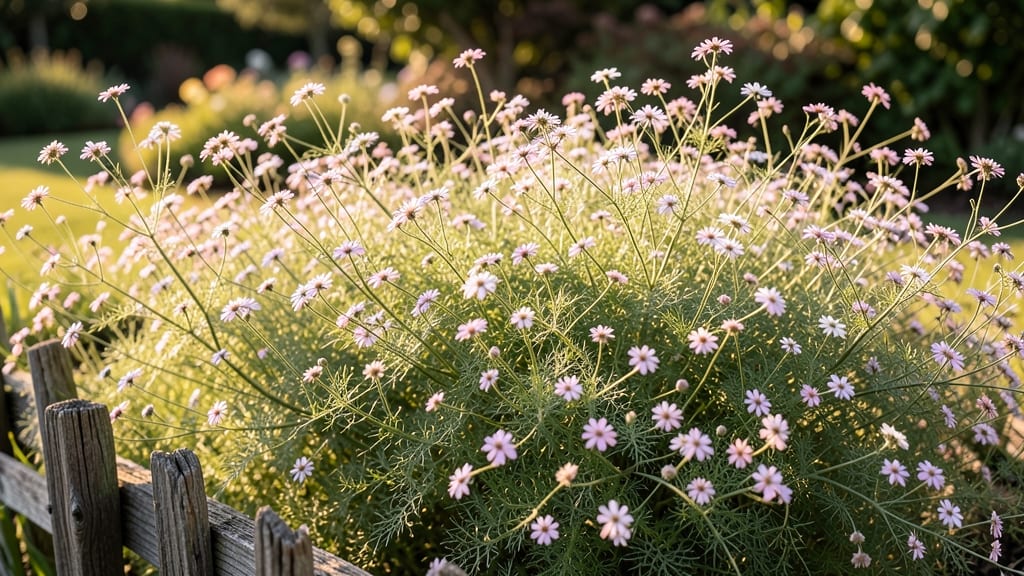
Gaura, also known as whirling butterflies, brings delicate blooms and effortless charm to any garden. These 10 creative planting ideas will help you maximize their beauty, fragrance, and pollinator appeal while ensuring year-round interest in your outdoor space.
Fragrant Gaura Border Along Garden Pathways
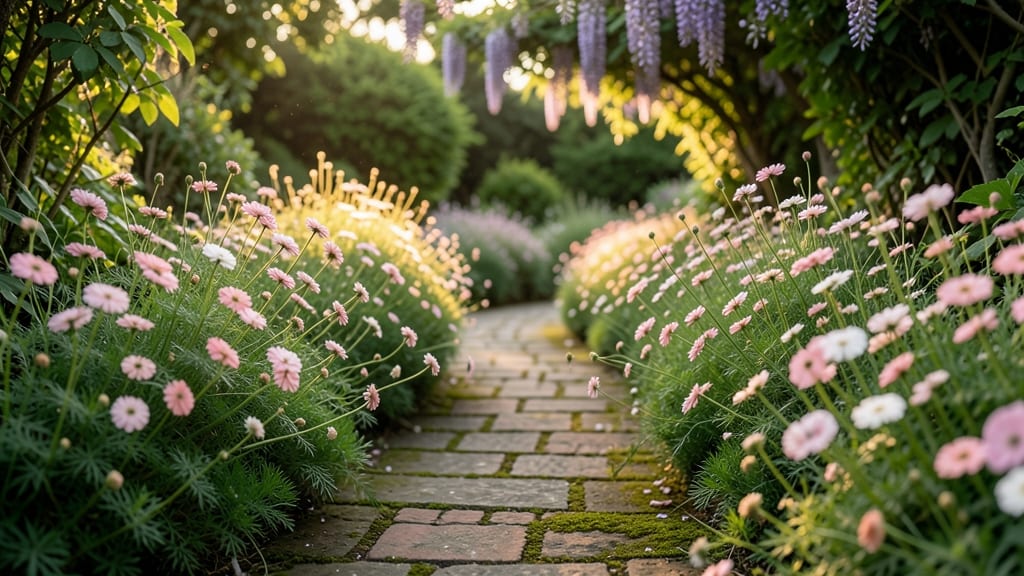
Transform your garden pathways into a fragrant journey with a fragrant gaura border that guides visitors through your space while releasing delicate, sweet-scented blooms. This low-maintenance approach is perfect for cottage or English-style gardens, where rustic charm meets sensory delight.
Plant gaura lindheimeri or gaura coccinea in a single row along pathways, spacing them 12-18 inches apart for a lush, continuous look. Their airy stems and butterfly-shaped flowers in shades of pink, white, and purple create a dreamy effect, while their subtle fragrance intensifies when brushed against by passersby. Pair with lavender or rosemary for added scent and pollinator appeal.
This idea works beautifully for gardeners who love romantic, layered designs without the upkeep of high-maintenance borders. The fragrant border also doubles as a natural guide, subtly directing foot traffic while keeping your garden feeling intimate and inviting. 🌷
Drought-Tolerant Gaura Meadow Mix
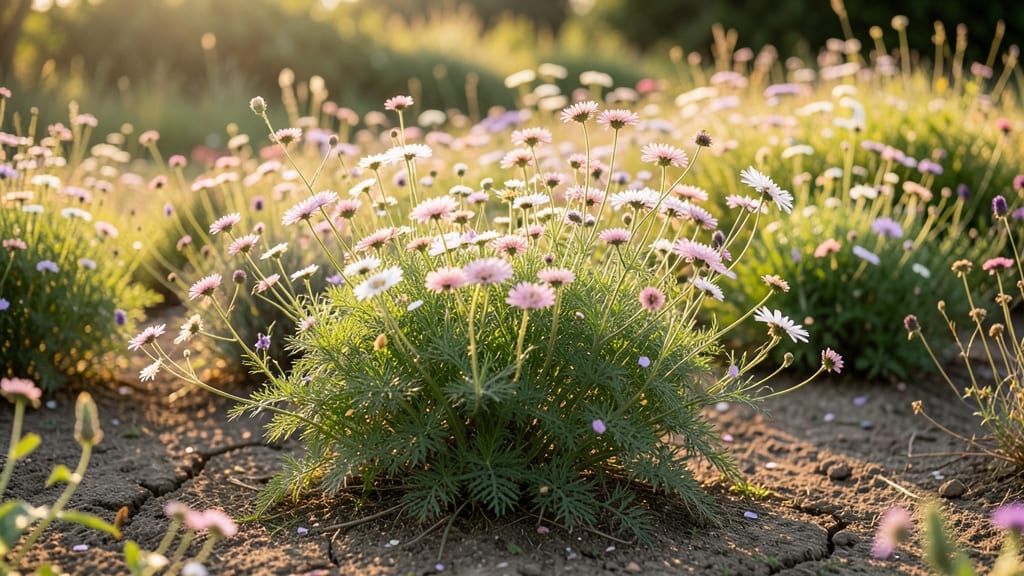
If you're dreaming of a low-maintenance garden that thrives even during dry spells, a drought-tolerant Gaura Meadow Mix is your answer. This wildflower-style planting transforms sun-drenched areas into a pollinator paradise with minimal watering—ideal for xeriscaping or busy gardeners who want beauty without the fuss.
Mix three gaura varieties (like 'Whirling Butterflies,' 'Crimson Butterflies,' and 'Siskiyou Pink') with native grasses and wildflowers for a textured, ever-changing meadow. Plant in well-draining soil and space clusters 12–18 inches apart for a natural, airy look. Once established, these plants need only occasional watering—perfect for water-conscious regions.
This approach benefits urban gardeners, eco-conscious landscapers, and pollinator advocates by reducing water use while boosting biodiversity. Let nature do the work! 🌻
Gaura And Succulent Container Combos
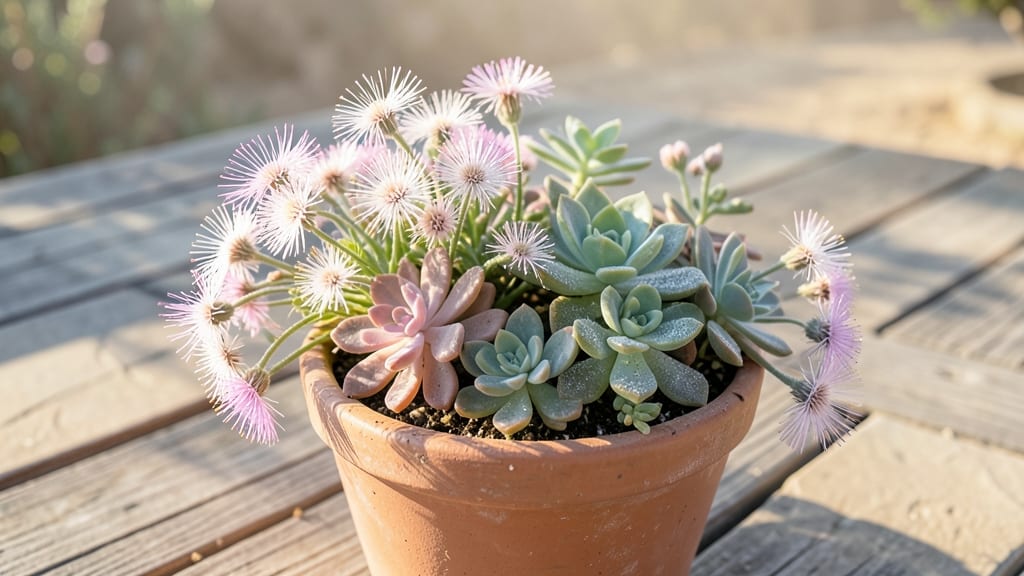
Transform your hot, sunny patio into a low-maintenance oasis with gaura and succulent container combos. This pairing lets the airy, butterfly-like blooms of gaura dance above drought-loving succulents like echeveria or sedum, creating a textured, layered look that thrives on neglect.
Start with a well-draining potting mix (add perlite or sand) to prevent succulent rot, then plant gaura at the edges for cascading drama. Succulents like hen-and-chicks or sempervivum add bold geometric shapes that contrast beautifully with gaura's feathery stems. Water only when the top inch of soil is dry—this combo handles heat waves like a pro.
Perfect for urban balconies or small spaces, this design gives you year-round structure (succulents) and seasonal blooms (gaura) with almost zero upkeep. Urban gardeners and busy plant parents will love how this combo stays vibrant even when you forget to water. 💚
Moon Garden With White Gaura Varieties
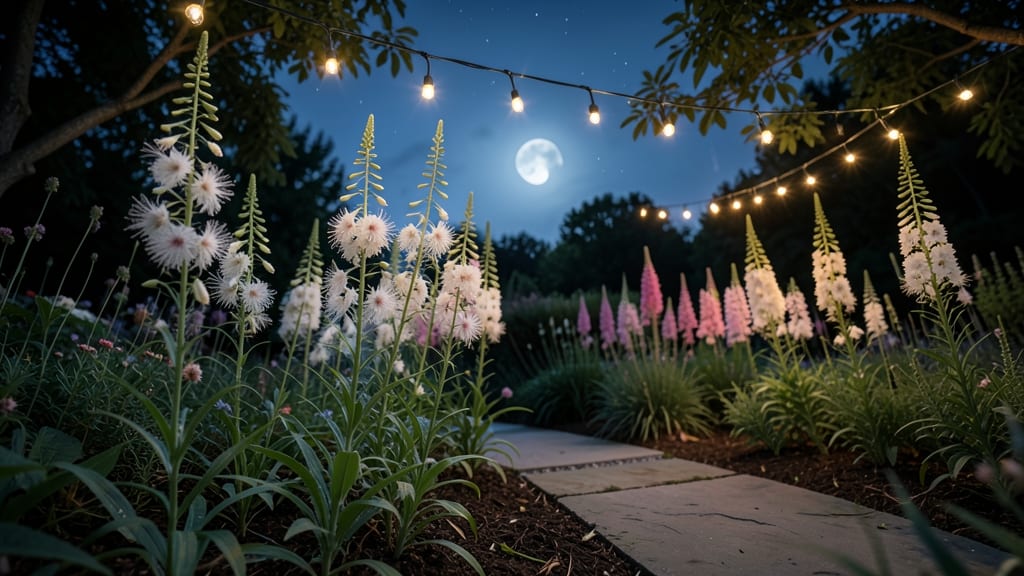
Transform your garden into a magical nighttime retreat by planting white gaura varieties like 'Candy Stripe' or 'Siskiyou Pink'. These delicate blooms glow softly under moonlight or solar-powered garden lights, creating a dreamy ambiance perfect for evening strolls or romantic dinners al fresco.
Pair white gaura with silvery foliage plants like lamb's ear (Stachys byzantina) or dusty miller (Jacobaea maritima) to enhance the luminous effect. Place them near pathways or seating areas where their ethereal glow will be most visible after dark. For extra drama, add soft string lights or small lanterns to highlight the blooms when the sun sets.
This idea is ideal for gardeners who love moonlit landscapes or want to create a serene evening space. The soft white blooms also attract moths and night-flying pollinators, adding another layer of enchantment to your garden. ✨
Gaura As Cut Flower Arrangement Filler
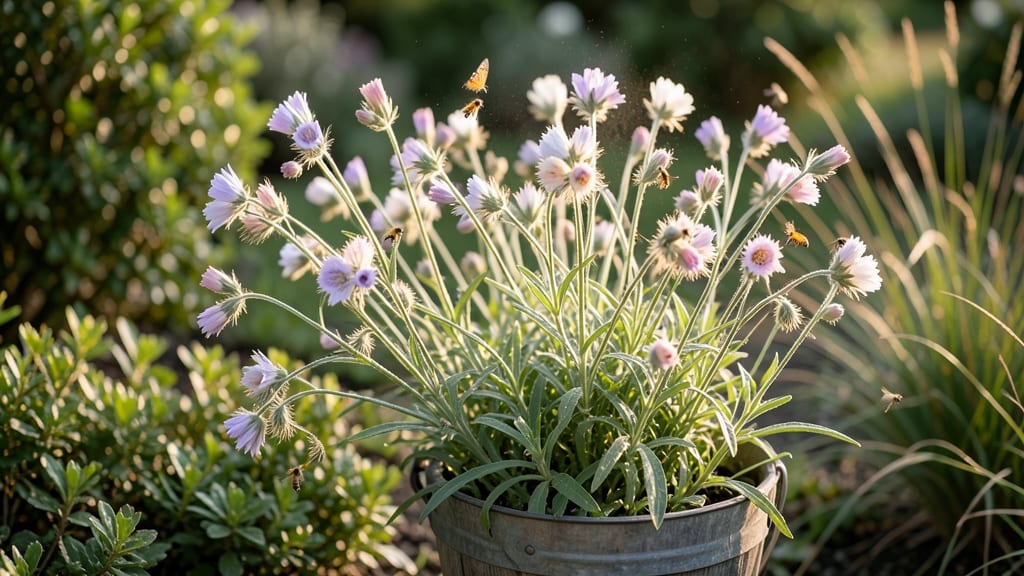
Transform your garden into a cut-flower powerhouse with gaura—its airy stems and delicate blooms stay fresh for weeks, making them the secret weapon for long-lasting arrangements. Unlike short-lived flowers, gaura’s stems hold up beautifully when cut, and its blooms dry to a soft, papery texture that adds rustic charm to dried bouquets.
Harvest stems in the early morning when blooms are fully open but still dewy for maximum vase life. Pair pink or white gaura varieties with roses, eucalyptus, or dusty miller for a romantic, cottage-style bouquet that stays vibrant for 10-14 days—or even longer if dried properly. For dried arrangements, bundle stems and hang upside down in a dark, dry space until fully crisp.
Floral designers and beginners alike will love this low-maintenance option—it’s budget-friendly, drought-tolerant, and thrives in partial sun, making it perfect for urban balconies or country gardens. 🌻
Gaura And Ornamental Grass Pairings
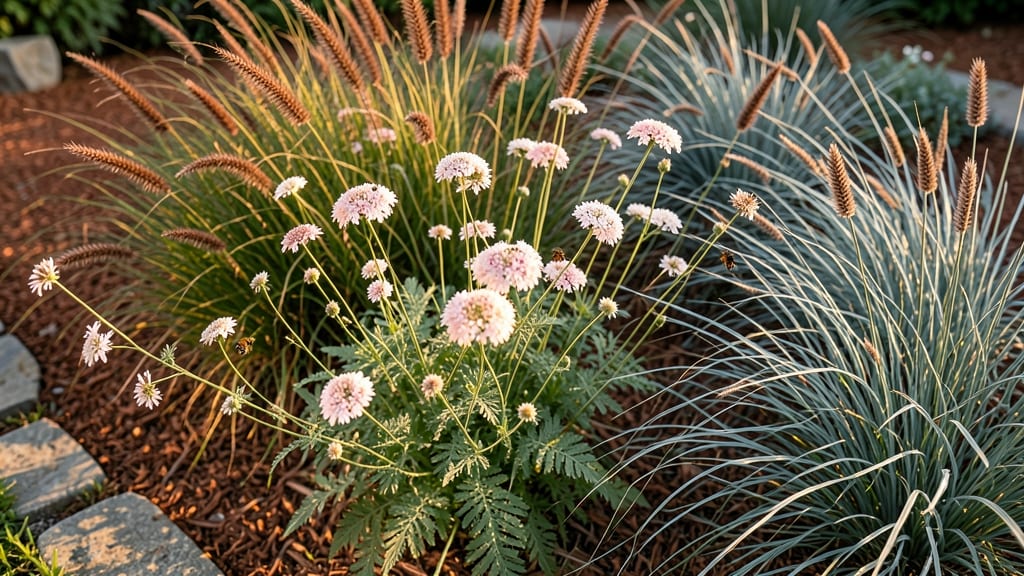
Want to add movement and texture to your garden beds without extra work? Pairing gaura with ornamental grasses creates a mesmerizing dance of color and form that keeps your landscape dynamic from spring through winter.
Start with tall grasses like fountain grass or maiden grass as your backdrop—their plumes sway in the breeze while gaura’s airy blooms add soft color contrasts. For a low-maintenance look, plant purple fountain grass with white gaura for a striking contrast, or try little bluestem with pink gaura for warm autumn tones. The grasses provide winter interest, while gaura’s seed heads add texture when blooms fade.
This combo is perfect for urban gardens with small spaces or rural landscapes needing structure. The grasses anchor the bed while gaura’s delicate stems create a dreamy, ethereal effect—ideal for pollinators and low-maintenance enthusiasts alike. 🌻
Edible Gaura Pollinator Garden
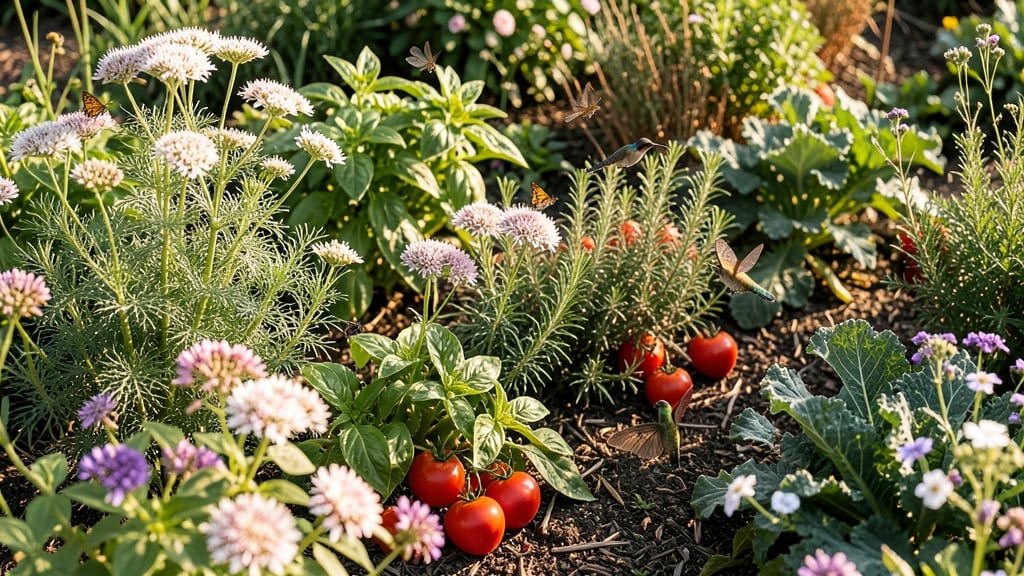
Turn your garden into a buzzing, productive paradise with a pollinator-friendly edible garden that combines gaura with your favorite herbs and veggies. This design lets you enjoy fresh food while supporting bees, butterflies, and other beneficial insects—all in the same space!
Plant gaura in clusters around edible companions like basil, thyme, or cherry tomatoes, ensuring they get full sun (6+ hours daily). The gaura’s delicate blooms will draw pollinators directly to your vegetables, boosting fruit and herb production. For extra impact, add lavender (deters pests) and nasturtiums (edible flowers) to the mix.
This setup is perfect for urban gardeners, homesteaders, or anyone short on space—maximizing every square foot while feeding both your family and the ecosystem. 🌻
Winter Interest Gaura With Seed Heads
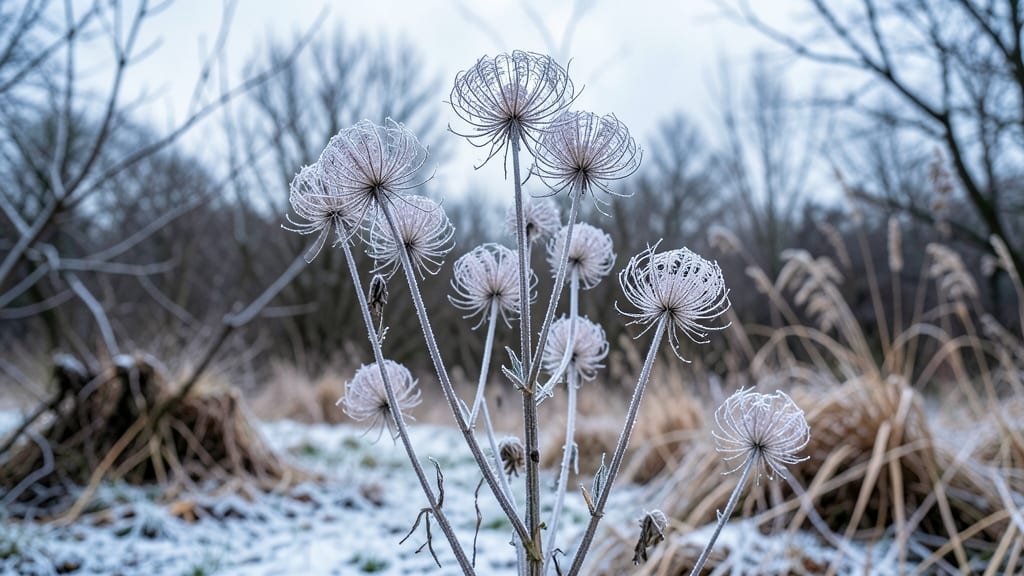
When winter strips most gardens of color and texture, gaura quietly steals the show with its dried seed heads that stand tall against frost. These delicate, feather-like structures add winter interest without requiring extra effort—just leave them in place after blooms fade.
To maximize their winter appeal, plant gaura varieties with upright growth habits like 'Crimson Butterflies' or 'Whirling Butterflies' in well-drained beds where they’ll catch light and snow. Their lacy seed heads contrast beautifully with evergreens, berries, or even bare branches, creating a textural winter garden that feels intentional rather than neglected.
Perfect for gardeners who love low-maintenance beauty, these seed heads also provide winter forage for birds and shelter for beneficial insects. Let them shine as your garden’s unsung hero when color fades. ✨
Gaura In Rain Gardens For Wet Areas
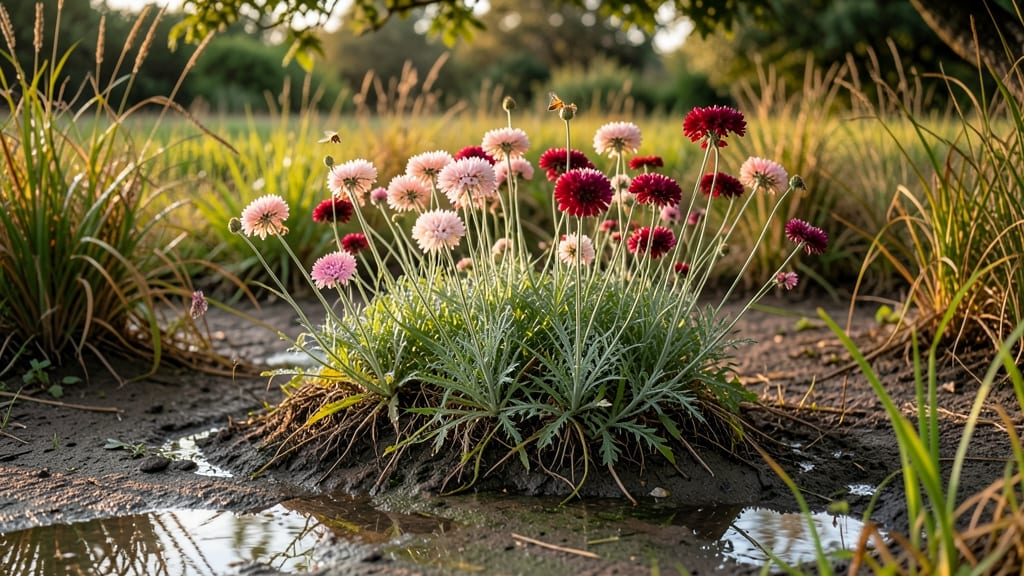
Turn problem areas into pollinator powerhouses with gaura in your rain garden! While many plants struggle in soggy soil, gaura thrives in moist, poorly drained spots while still attracting bees and butterflies—no compromise on beauty or function.
Plant gaura varieties like 'Passion Pink' or 'Crimson Butterflies' in sunny, wet areas where water pools after rain. Pair it with native wetland plants like Joe-Pye weed or swamp milkweed to create a lush, functional ecosystem. Gaura’s airy blooms will dance above the waterline while supporting your local pollinator population.
This is the perfect solution for gardeners with low-lying spots or areas prone to standing water—no more wasted space, just vibrant blooms and happy wildlife! 🌻
Gaura As Living Privacy Screen

Tired of unsightly wooden fences that block both views and airflow? A living privacy screen made of gaura offers a breathable, blooming alternative that softens your property lines while letting light and breezes flow through. Unlike dense hedges, gaura's airy stems create a permeable barrier that still provides visual privacy—ideal for urban backyards or open landscapes.
Plant tall varieties like Gaura lindheimeri 'Siskyou Pink' or 'Whirling Butterflies' in staggered rows, spacing them 18-24 inches apart for full coverage by midsummer. Their self-cleaning blooms (no deadheading needed) and drought tolerance mean less maintenance than traditional screens. For extra height, interplant with Russian sage or lavender behind the gaura.
This solution works best for urban gardeners or anyone with limited space who wants privacy without sacrificing natural light. Plus, the butterfly magnet effect adds life to your outdoor living areas. 🌻