
Companion Plants
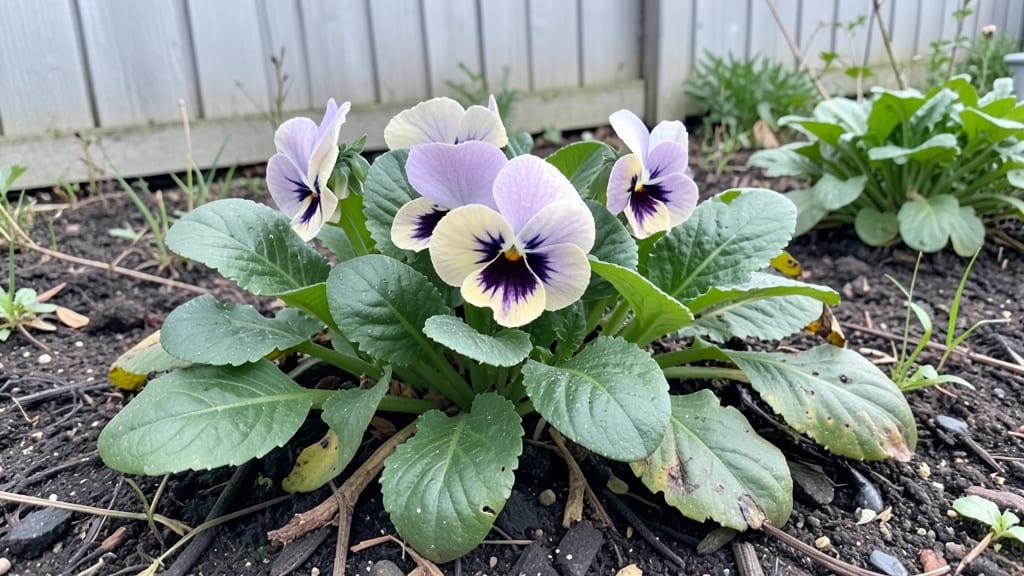
Those giant pansy plants turn any garden into a fragrant, deer-proof showstopper that blooms from spring through fall—sometimes even winter. 🌿 I learned the hard way that regular pansies just don’t cut it when you want those 4-inch blooms and... that signature sweet scent.
These aren’t your grandmother’s pansies; they’re the bold, velvety-faced varieties that make neighbors double-take.
The secret starts with well-draining soil mixed with compost and a spot that gets 4-6 hours of sunlight daily. Overcrowding kills their dramatic growth, so space them 12-18 inches apart—think of them like little divas needing room to shine.
Water deeply but let the top inch dry between soakings; soggy roots mean fewer blooms and more floppy stems.
By midseason, you’ll have clusters of blooms so dense they look like confetti, with colors ranging from deep violet to sunny yellow. The fragrance? Like a cross between honey and spring rain—enough to lure in pollinators while keeping deer at bay.
A light balanced fertilizer every 4-6 weeks keeps them lush, and deadheading spent blooms extends the show.
Here’s the kicker: these plants rebloom reliably if you prune back leggy stems in early summer. They handle light frost and even thrive in USDA Zones 3-10, making them the ultimate low-maintenance star. Ready to grow a garden that stops traffic?
📚 In This Guide
- What you need
- Instructions
- Tips and common mistakes
- Wrapping up and next steps
What you need
- ● Giant pansy plants: Choose disease-resistant varieties like 'Mammoth Mixed' or 'Giant Ice'. Purchase 3–5 plants per square yard for full coverage.
- ● Well-draining potting mix or garden soil: Use a high-quality, organic blend (e.g., Miracle-Gro Potting Mix) or amend clay soil with 2–3 inches of compost.
- ● Slow-release fertilizer: A 10-10-10 or 14-14-14 blend (e.g., Osmocote Smart-Release Plant Food) to feed roots for 2–3 months.
- ● Mulch: 1–2 inches of shredded bark or straw to retain moisture and suppress weeds.
- ● Watering can or hose with a gentle spray nozzle: Pansies need 1 inch of water per week (more in containers).
- ● Garden trowel or hand shovel: For planting in garden beds.
- ○ Containers (optional): Choose 5–7 inch pots with drainage holes for container gardening (1 plant per container).
- ● Pruning shears: To trim dead blooms and encourage longer flowering.
- ○ Epsom salt (optional): 1 tablespoon per gallon of water monthly for magnesium boost in deficient soils.
- ○ Deer repellent (optional): Spray with hot pepper wax or plant deer-resistant companions like lavender or snapdragons nearby.
Step-by-step instructions for cultivating giant pansy plants
Here's how to coax those bold, fragrant blooms into thriving giants—deer-proof and ready for seasonal color.
🌱 Step 1: Prepare Soil and Plant at Optimal Depth
Start with a well-draining, nutrient-rich soil mix—amend garden beds with 2-3 inches of compost mixed into the top 6 inches of soil. Giant pansies need fertile ground to support their larger foliage and abundant blooms. Test your soil pH; these plants thrive in slightly acidic to neutral soil (6.0-7.0). If your soil is heavy clay, incorporate 1 part perlite per 3 parts soil to improve aeration.
Dig holes twice as wide as the root ball but only as deep as the container’s drainage holes. Press the plant gently into place so the top of the root ball sits just below soil level—never bury the crown. This prevents rot while allowing roots to establish quickly. Water immediately after planting to settle the soil and eliminate air pockets.
💧 Step 2: Water Deeply and Maintain Consistent Moisture
Giant pansies need consistent moisture but hate soggy roots. Water deeply 1-2 times per week, soaking the soil to a depth of 4-6 inches. Check moisture by inserting your finger—water when the top 2 inches feel dry. Overhead watering can spread fungal diseases, so water at the base in the morning to allow foliage to dry quickly.
Mulch around plants with 2-3 inches of shredded bark or straw to retain moisture and suppress weeds. Keep mulch 2 inches away from stems to prevent rot. In hot climates, mulch also protects roots from temperature swings, which can stress these tender perennials.
☀️ Step 3: Position for Partial Sun and Protect from Harsh Elements
Giant pansies prefer morning sun with afternoon shade, especially in hotter regions. Full sun (6+ hours daily) can scorch their velvety petals, while too little light (<4 hours) results in sparse blooms. In Zone 7 and warmer, provide dappled shade during peak afternoon heat. In cooler zones, they tolerate full sun with no issues.
These plants are deer-resistant, but rabbits and slugs may still target them. Place a light row cover or mesh netting over young plants until established. If slugs become an issue, set out beer traps (a shallow dish of beer buried at soil level) to lure them away—it works better than you’d think.
✂️ Step 4: Prune and Fertilize for Continuous Blooms
Deadhead spent blooms weekly to encourage new flowers and prevent seed production, which drains the plant’s energy. Pinch back leggy stems in early spring to promote bushier growth. Giant pansies benefit from balanced, slow-release fertilizer applied every 4-6 weeks during the growing season. Use a 10-10-10 or 20-20-20 formula at half strength to avoid burning roots.
In late summer, reduce watering slightly to trigger dormancy if you’re in a warm climate. This helps pansies rebound stronger in spring. In colder zones, apply a 2-3 inch layer of mulch before frost to insulate roots—giant pansies are hardy to Zone 5, but young plants need winter protection.
⏰ Step 5: Divide and Propagate Every 2-3 Years
Giant pansies spread over time, so divide clumps in early spring before new growth appears. Dig up the entire plant, separate the crowns with a sharp knife, and replant the healthiest sections. This rejuvenates growth and prevents the center from becoming bare. Each division should have 3-5 leaves and a portion of the root system.
For extra plants, take stem cuttings in early summer. Snip a 4-inch stem, remove lower leaves, and dip in rooting hormone. Plant in a moist potting mix and cover with a plastic bag to retain humidity. Roots form in 4-6 weeks—transplant once established.
Tips & tricks for perfect giant pansy plants
Transforming your garden into a vibrant display of giant pansies doesn't have to be a guessing game—these insider tips will help you avoid common pitfalls and maximize those fragrant blooms.
Soil Preparation Secret: The 2-3 inches of compost mixed into the top 6 inches of soil isn't just about nutrients—it's about creating the perfect air-water balance. I always add a handful of worm castings to this mix for an extra boost of microbial activity. This helps roots establish faster and prevents the soil from becoming compacted over time. For heavy clay soils, don't just add perlite—mix in some coarse sand too to improve drainage without sacrificing moisture retention.
Planting Depth Technique: When you're planting, that "just below soil level" guideline is critical. I've seen many gardeners bury the crown too deeply, which leads to rot. Here's my trick: Use a small stick to mark where the soil level should be before pressing the plant in. This ensures you don't accidentally plant too deep while still getting good root-to-soil contact. After planting, give the soil a gentle squeeze—it should hold together but not be rock-hard.
Watering Strategy: The 1-2 times per week watering schedule works beautifully, but timing matters just as much as frequency. I water my giant pansies between 6-8 AM when the air is coolest. This prevents water from evaporating too quickly and gives the plants a full day to absorb moisture before afternoon heat. For the first 2 weeks after planting, I actually water daily to help roots establish, then taper off to the recommended schedule.
Pest Prevention Hack: While giant pansies are deer-resistant, rabbits and slugs can still be problematic. I've found that the beer traps work best when placed near the base of plants rather than scattered randomly. For extra protection, I sprinkle crushed eggshells around the base—it's a natural barrier that deters slugs without harming beneficial insects. And if you notice chewed leaves, don't assume it's pests—sometimes it's just the natural pruning of older foliage to make room for new growth.
Pro Tips for Giant Pansy Plants
- Transforming your garden into a vibrant display of giant pansies doesn't have to be a guessing game—these insider tips will help you avoid common pitfalls and maximize those fragrant blooms.
- Soil Preparation Secret: The 2-3 inches of compost mixed into the top 6 inches of soil isn't just about nutrients—it's about creating the perfect air-water balance.
- Planting Depth Technique: When you're planting, that "just below soil level" guideline is critical.
Frequently asked questions
Got questions about growing giant pansy plants? You’re not alone! Here are answers to the most common queries—from planting tips to troubleshooting—to help you keep these vibrant bloomers thriving all season.
When is the best time to plant giant pansies?
Giant pansies thrive in cool weather and can be planted 8–10 weeks before your first frost (early fall) or 4–6 weeks before the last frost in spring. They tolerate light frost but avoid planting in scorching summer heat—they’ll sulk! For year-round color, stagger plantings in fall, winter, and early spring.
Are giant pansies deer-resistant?
Yes! While no plant is 100% deer-proof, giant pansies are highly deer-resistant thanks to their mild toxicity. Deer usually avoid them unless other food is scarce. For extra protection, pair them with deer-deterrent plants like lavender or Russian sage or use repellent sprays.
How long do giant pansies bloom, and how do I encourage more flowers?
With proper care, giant pansies bloom continuously for 6–8 months (or longer in mild climates). To prolong flowering:
- Deadhead spent blooms regularly to prevent seed production.
- Fertilize lightly with a balanced, water-soluble fertilizer every 4–6 weeks.
- Ensure they get 6+ hours of sunlight daily—partial shade can reduce blooms.
Why are my giant pansies wilting or turning yellow?
Wilting or yellowing leaves usually signal overwatering, underwatering, or disease. Check these fixes:
Too wet? Ensure pots/drainage have holes and soil isn’t soggy.
Too dry? Water at the base (avoid wetting leaves) when the top inch of soil is dry.
Disease? Fungal issues (like powdery mildew) thrive in humidity. Space plants for airflow and remove affected leaves.
Preventative tip: Mulch with 2–3 inches of organic mulch to retain moisture and regulate soil temp.What are some great companion plants for giant pansies?
Giant pansies play well with others! Pair them with:
- Deer-resistant plants: Lavender, catmint, or heuchera.
- Edibles: Lettuce, spinach, or radishes (they love the same cool conditions!).
- Height contrast: Ornamental grasses or snapdragons to create a layered look.
Wrapping up and next steps
Giant pansy plants are a game-changer for gardeners seeking year-round beauty, fragrance, and resilience—especially in deer-prone areas! 🌸 Their vibrant blooms, low-maintenance care, and ability to thrive in partial shade or sun make them a must-have for any landscape.
Whether you're a seasoned gardener or just starting, these hardy plants offer effortless charm with big rewards.
Ready to transform your garden? Start small—plant a few giant pansies in containers or along pathways—and watch your outdoor space bloom with color and life. Happy gardening! 🌱