
Companion Plants
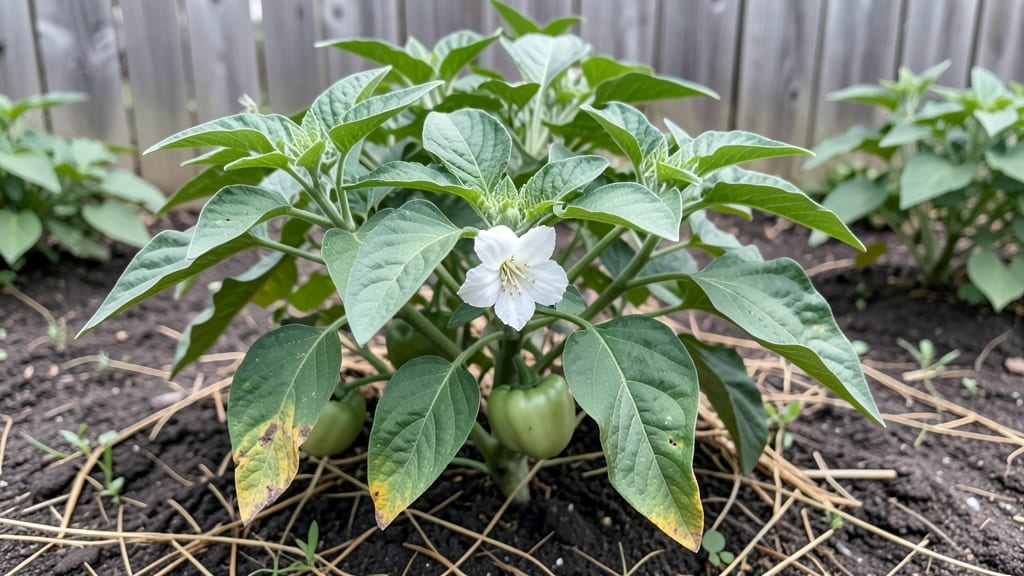
Growing healthy pepper plants starts with one simple truth: peppers hate soggy soil and weak light, but give them the right conditions, and they reward you with bold harvests that last from summer through fall. 🌿 I’ve watched my own plants go from wilted sad sticks to thriving bushes producing pounds of peppers—all by fixing just three key things: drainage, sunlight, and a steady feeding schedule.
The secret isn’t fancy equipment—it’s matching their needs. Peppers crave 6+ hours of direct sun daily and soil that drains like a sponge, not a swamp. Most gardeners overwater or plant them too close together, which spreads disease faster than you can say “blight.”
My first year, I lost half my plants to damping-off—until I switched to raised beds with perlite and cut back on watering.
By mid-summer, you’ll be snipping deep green, glossy peppers that burst with flavor, not the pale, bitter ones you get from stressed plants. The right mix of compost, balanced fertilizer, and a little mulch keeps them disease-resistant and hungry for more fruit.
Even my black thumb can’t kill these once you get the basics right.
Works for bell peppers, jalapeños, or habaneros—just adjust spacing and heat tolerance. Let’s turn those sad seedlings into a thriving harvest you’ll brag about to your neighbors.
📚 In This Guide
- What you need
- Instructions
- Tips and common mistakes
- Wrapping up and next steps
What you need
- ● Pepper Seeds or Seedlings: Choose disease-resistant varieties (e.g., Bell, Jalapeño, or Cayenne). Start with 5–10 seeds or 3–5 seedlings per plant.
- ● Well-Draining Soil: Mix 60% potting soil with 40% compost or coconut coir. pH should be 6.0–6.8.
- ● Containers or Garden Bed: Containers: 5–10 gallon pots (minimum 12" deep) with drainage holes.
- ● Garden Bed: Full sun (6+ hours/day) with loose, fertile soil.
- ● Fertilizer: Balanced organic fertilizer (10-10-10) or compost tea. Apply every 4–6 weeks.
- ● Mulch: Straw or shredded leaves to retain moisture and suppress weeds.
- ● Gloves & Hand Trowel – For planting and soil prep.
- ○ Watering Can or Hose with Nozzle – Drip irrigation is optional but ideal.
- ● Pruning Shears – To trim dead leaves or encourage bushier growth.
- ● Support Stakes or Cages – For taller varieties (e.g., 3–4 ft stakes).
- ○ pH Test Kit – Optional but helpful for monitoring soil health.
- ● Warmth: Peppers thrive in 70–90°F (21–32°C). Start indoors 8–10 weeks before last frost or wait until soil is warm.
- ● Sunlight: Full sun (6+ hours/day) is non-negotiable!
- ● Patience: Germination takes 7–21 days—stay consistent with moisture.
Instructions for cultivating healthy pepper plants
Here's the proven method I use to grow peppers with thick stems and abundant fruit—no wilting, no pests, just robust growth.
🌱 Step 1: Start Seeds Indoors with Warmth and Moisture
Fill 2-3 inch deep seed trays with the seed-starting mix and moisten it until damp but not soggy. Pepper seeds germinate best at 75-85°F, so place the tray on a seedling heat mat or in a warm spot like on top of the fridge. Sow seeds ¼ inch deep—any deeper delays germination.
Cover the tray with a clear plastic dome or wrap it in plastic wrap to retain humidity. Check daily but avoid watering until you see condensation on the inside of the cover. Germination takes 10-14 days, and you'll know it's happening when tiny green sprouts push through the soil.
☀️ Step 2: Provide Bright Light and Prevent Leggy Growth
As soon as seedlings emerge, remove the plastic cover and move them under grow lights or to a south-facing window. Peppers need 14-16 hours of light daily to grow strong. If you notice seedlings stretching toward the light with pale, thin stems, they're not getting enough intensity—adjust the lights to stay 2-4 inches above the plants.
You'll see healthy seedlings develop thick stems and dark green leaves. Rotate the tray a quarter turn daily so plants grow evenly. Avoid overwatering—keep the soil lightly moist but never soggy, or roots will rot.
🪴 Step 3: Transplant Seedlings When Strong Enough
Wait until seedlings have 3-4 true leaves and are at least 4-6 inches tall before transplanting. Fill 5-gallon containers or garden beds with well-draining potting mix mixed with compost. Dig holes just deep enough to hold the root ball without burying the stem too deeply.
Gently remove seedlings from their trays, being careful not to disturb the roots. Space plants 18-24 inches apart to allow airflow and prevent disease. Water deeply after transplanting to help roots establish in their new home.
💧 Step 4: Maintain Consistent Moisture and Fertility
Peppers thrive with 1-1.5 inches of water weekly, but avoid wetting the leaves to prevent fungal diseases. Water at the base in the morning so foliage dries quickly. When flowers appear, switch to fertilizer solution every 2-3 weeks to encourage fruit production.
You'll know your plants are healthy when they produce dark green, glossy leaves and plentiful blooms. Prune suckers—the small shoots that form in the leaf axils—regularly to direct energy toward fruit development. Mulch around the base with organic mulch to retain moisture and suppress weeds.
✂️ Step 5: Harvest Peppers at Peak Ripeness
Peppers are ready to harvest when they reach full size and vibrant color. For bell peppers, this is usually 70-80 days after transplanting, while hot peppers may take 60-90 days. Use clean pruning shears to cut stems, leaving a small portion attached to encourage more fruit growth.
Harvesting regularly stimulates production, so check plants every 2-3 days during peak season. Store peppers in a cool, dry place or use them fresh in recipes. With proper care, your pepper plants will keep producing bold harvests all season long.
Tips & tricks for perfect pepper plant cultivation
These game-changing insights will help you cultivate peppers that thrive with minimal effort and maximum yield.
Seed Starting Strategy: Don't rush the germination process in Step 1—those 10-14 days are crucial for strong root development. I've found that using a seedling heat mat set to maintain 75-85°F consistently produces seedlings that emerge 2-3 days faster. The key is patience: resist the urge to water until you see condensation forming on the plastic cover—this ensures proper moisture balance without creating anaerobic conditions that stunt growth.
Light Management Technique: In Step 2, when adjusting your grow lights to stay 2-4 inches above seedlings, consider using a small ruler or measuring tape to maintain precise distance. I've noticed that even a 1-inch difference in light height can cause dramatic growth variations—closer lights create leggy seedlings, while slightly farther lights promote thicker stems. Rotating the tray daily also prevents uneven growth toward the light source.
Transplanting Preparation: Before transplanting in Step 3, harden off your seedlings by gradually exposing them to outdoor conditions over 5-7 days. Start with 1 hour daily in partial shade, then increase exposure time and sunlight intensity. This acclimation process reduces transplant shock and helps seedlings establish more quickly in their permanent home. The goal is to mimic outdoor conditions without overwhelming tender seedlings.
Fertilizer Timing: When switching to fertilizer solution in Step 4, I recommend using a balanced 10-10-10 formula diluted to half strength for the first application. Pepper plants are sensitive to over-fertilization, which can lead to excessive leaf growth at the expense of fruit production. The 2-3 week interval between applications gives roots time to absorb nutrients without salt buildup in the soil.
Pro Tips for Healthy Pepper Plants
- These game-changing insights will help you cultivate peppers that thrive with minimal effort and maximum yield.
- Seed Starting Strategy: Don't rush the germination process in Step 1—those 10-14 days are crucial for strong root development.
- Light Management Technique: In Step 2, when adjusting your grow lights to stay 2-4 inches above seedlings, consider using a small ruler or measuring tape to maintain precise distance.
Frequently asked questions
Got questions about growing vibrant, healthy pepper plants?
You're not alone! Here are some of the most common queries from gardeners—plus straightforward answers to help you cultivate a thriving harvest.
How often should I water my pepper plants?
Water pepper plants deeply but infrequently—about 1 to 1.5 inches per week, especially during fruiting. Avoid wetting leaves to prevent disease. Pro tip: Use mulch to retain moisture and regulate soil temperature!
When is the best time to transplant pepper seedlings?
Transplant after the last frost when soil is at least 60°F (15°C) and seedlings are 6–8 inches tall. Harden them off for 7–10 days first by gradually exposing them to outdoor conditions. Timing matters!
What are common pests for pepper plants, and how do I prevent them?
Watch for aphids, spider mites, and hornworms. Use neem oil or insecticidal soap for mild infestations. Introduce ladybugs or parasitic wasps for natural control. Early detection saves your harvest!
Can I grow peppers in containers, and what’s the best setup?
Yes! Use pots at least 12–18 inches deep with well-draining soil. Place containers in full sun (6+ hours/day) and fertilize regularly. Dwarf varieties like ‘Snackable’ thrive in small spaces!
Why are my pepper leaves turning yellow?
Yellow leaves often signal overwatering, nutrient deficiency (like nitrogen), or fungal issues. Check soil moisture, adjust watering, and amend with compost. Don’t panic—fix it fast!
Do pepper plants need pollination?
Most peppers are self-pollinating, but gentle shaking or a soft brush can help. Hot peppers (like jalapeños) may need extra love!
Wrapping up and next steps
Growing healthy pepper plants is all about the right balance—sunlight, soil, water, and a little TLC!
With the companion plants and tips from this guide, you’ll be well on your way to a bold, flavorful harvest year-round. 🌱✨ Don’t stop here—grab those seeds, get your hands dirty, and enjoy the rewarding journey of watching your peppers thrive!
Ready to take the next step? Start small—plant a few peppers today and expand as you gain confidence. Happy gardening!