
Diseases
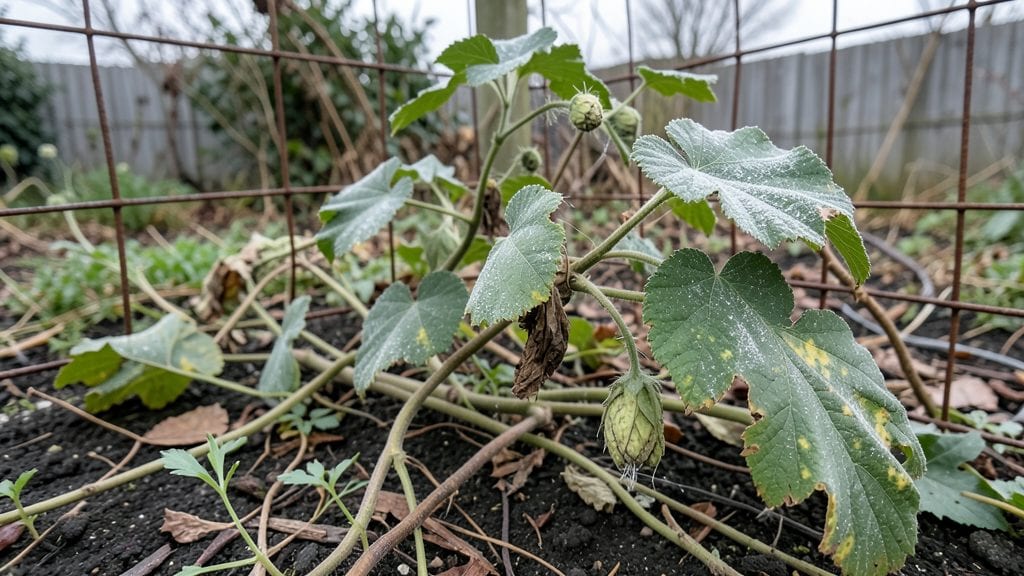
Hop plant diseases can turn a thriving vineyard into a battleground overnight—especially those sneaky fungal foes that strike when conditions are just right. 🌿 I’ve lost entire sections of my hops to powdery mildew and downy mildew, and the key to saving your crop isn’t just sprays—it’s understanding the why behind the symptoms.
Most gardeners treat the leaves but ignore the real culprits: humidity, poor airflow, and old plant debris.
Here’s the hard truth: 90% of hop diseases start with moisture. Powdery mildew looks like dusty white patches, while downy mildew leaves yellow, greasy spots on the undersides of leaves—both thrive in damp, shaded conditions.
Verticillium wilt, though less common, shows up as wilting despite healthy roots, and hop mosaic virus? That one’s a stubborn virus spread by aphids, leaving mottled leaves and stunted growth. The good news? Catching these early means you can still save your plants.
You’ll walk away knowing exactly which fungicide to use (organic options work for mildews, but wilt requires soil sterilization), how to prune for airflow, and when to pull the plug on hopeless vines.
My first year fighting these diseases, I wasted money on the wrong sprays—now I’ve got a fail-safe checklist that’s kept my hops productive for three seasons running. Let’s turn those brown spots into green victories.
This isn’t just about treating symptoms—it’s about building a disease-proof system for your hops. We’ll cover prevention first (because an ounce of copper spray is worth a pound of cure), then dive into the tools and timing for each specific threat.
Whether you’re growing for homebrew or commercial yields, these strategies will cut your losses by half. Ready to reclaim your vines?
Root Causes of Hop Fungal Foes
Understanding why hop plants fall prey to fungal diseases is the first step in preventing them. These issues rarely arise in isolation—environmental stress, poor growing practices, or even the plant’s natural biology often play a role.
Let’s break down the key factors that create the perfect storm for fungal infections in hops.
Fungal pathogens thrive in damp, warm conditions—think of them as opportunistic invaders waiting for the right moment to strike. Hops, with their dense foliage and climbing habit, create microclimates that trap moisture, especially on leaves and cones. Here’s why this happens:
- Prolonged Leaf Wetness 🌧️ Fungal spores need moisture to germinate and infect plant tissues.
If hop leaves stay wet for more than 6–12 hours (common in humid climates or after rain), spores from diseases like downy mildew (Pseudoperonospora humuli) or powdery mildew (Podosphaera macularis) can latch on and multiply rapidly.
Poor air circulation—often due to overcrowded plants or dense canopies—worsens the problem by slowing evaporation.
- High Humidity and Temperature Most fungal diseases peak when temperatures hover between 60–80°F (15–27°C) and humidity stays above 70%.
For example: - Downy mildew thrives in cool, wet conditions (ideal for early-season infections). - Powdery mildew prefers warmer, dry conditions but still needs humidity to spread. - Botrytis cinerea (gray mold) loves cool nights with high humidity, especially during flowering.
- Poor Drainage and Waterlogging Hops hate soggy roots. If soil doesn’t drain well—whether from heavy clay, compacted ground, or overwatering—root rot (Phytophthora spp.) and Verticillium wilt can take hold. Waterlogged roots weaken the plant, making it more susceptible to secondary fungal infections.
A stressed or weakened hop plant is an open invitation for fungi. Here’s how biology and poor health contribute:
- Nutritional Deficiencies Hops with low nitrogen (N) or magnesium (Mg) are more prone to diseases. Nitrogen deficiency, for example, leads to weak stems and sparse foliage, reducing the plant’s ability to resist infections. Meanwhile, potassium (K) deficiencies can weaken cell walls, making them easier targets for fungal penetration.
- Physical Damage and Entry Points Fungal spores can’t infect intact, healthy tissue—they need a way in.
Common entry points include: - Pruning wounds (if tools aren’t sterilized). - Insect damage (e.g., aphids or spider mites create openings for Botrytis or Podosphaera). - Hail or wind damage (breaks in leaves/cones let spores colonize).
- Old or Susceptible Varieties Some hop cultivars are genetically predisposed to certain diseases.
For instance: - Cascade is highly susceptible to powdery mildew. - Centennial struggles with downy mildew if not managed carefully. - Hereditary resistance in newer varieties (like Galena or Simcoe) reduces risk but isn’t foolproof—environment still plays a role.
How you cultivate hops directly impacts disease risk. Common mistakes create ideal conditions for fungi:
- Overhead Irrigation Watering from above splashes spores onto leaves, accelerating infections. Drip irrigation or soaker hoses keep foliage dry and reduce splash dispersal.
- Lack of Spacing and Pruning Crowded hop plants block airflow, trapping moisture and spores. Prune aggressively to:
- Remove lower leaves touching the soil (prevents Botrytis and Phytophthora).
- Thin cones to improve airflow during flowering.
- Reusing Infected Plant Debris Fungal spores overwinter in old plant material, soil, or trellis debris. Failing to clean up fallen leaves, cones, or prunings ensures next year’s plants start with a fungal head start.
- Contaminated Tools and Soil Pruners, trellises, and even compost piles can harbor spores. Sterilize tools with 70% isopropyl alcohol between uses, and avoid adding hop debris to compost if disease is suspected.
Some fungi don’t act alone—they hitch a ride with pests or exploit their damage:
- Aphids and Spider Mites These sap-suckers weaken plants and excrete honeydew, which attracts sooty mold (Capnodium spp.) and provides a food source for Botrytis.
- Thrips Their feeding scars on cones create entry points for gray mold (Botrytis cinerea), especially in humid conditions.
- Slugs and Snails While not pests in the traditional sense, they chew holes in young leaves, giving fungi like Phytophthora a direct route to the plant’s vascular system.
Where you grow hops matters—some regions are hotspots for specific diseases:
- Pacific Northwest (USA) Downy mildew is rampant due to cool, wet summers and dense fog. Varieties like Cascade are particularly vulnerable.
- Midwest and Eastern USA Powdery mildew dominates in hot, humid summers, especially in states like Oregon and Washington.
- Europe (Germany, UK) Verticillium wilt and Fusarium are more common in older hop yards with poor soil drainage.
- Australia/New Zealand Botrytis thrives in coastal areas with high humidity and frequent rain during cone development.
The best defense? Disrupt the fungus’s life cycle at every stage:
- Rotate crops if space allows (fungi like Verticillium persist in soil).
- Use resistant varieties where possible.
- Monitor weather forecasts and apply preventative sprays (e.g., copper fungicides for downy mildew) before infections take hold.
Quick Fixes for Hop Health
Hop plants can fall victim to a variety of fungal diseases, but the good news is that many issues can be managed—or even prevented—with the right approach. Below, we’ve mapped out practical solutions for the most common fungal foes, including preventive measures to keep your hops thriving.
Think of this as your hop plant’s emergency repair kit!
Cause: Pseudoperonospora humuli thrives in cool, damp conditions, creating yellow spots and fuzzy gray growth on leaves.
How to Fix It:
- 🔥 Remove Infected Foliage Immediately – Snip off and dispose of (don’t compost!) any leaves showing symptoms to prevent spores from spreading.
- 🌡️ Improve Airflow – Space plants properly (18–24 inches apart) and prune to allow sunlight and air to circulate. Use trellises to keep vines off the ground.
- 💡 Fungicide Sprays – Apply copper-based fungicides (like copper sulfate) or biological controls (e.g., Bacillus subtilis) at the first sign of infection. Reapply every 7–10 days during wet seasons.
- ⏰ Timing Matters – Start preventive sprays before symptoms appear if your region has a history of downy mildew.
Prevention Tips: ✔ Rotate crops – Avoid planting hops in the same spot year after year. ✔ Water at the base – Never wet foliage; use drip irrigation or soaker hoses. ✔ Choose resistant varieties – Look for mildew-resistant cultivars like ‘Galena’ or ‘Amarillo’.
Cause: Verticillium dahliae clogs xylem vessels, causing yellowing, wilting, and stunted growth. It lurks in the soil for years.
How to Fix It:
- 👨🍳 Soil Sterilization – Solarize soil in late summer by covering it with clear plastic for 4–6 weeks to kill fungal spores.
- 🔪 Replace Infested Soil – If possible, remove and replace the top 6–12 inches of soil in heavily infected beds.
- 🌱 Crop Rotation – Avoid planting hops (or susceptible crops like tomatoes) in the same spot for at least 5 years.
- 💡 Resistant Rootstocks – If replanting, use Verticillium-resistant hop varieties like ‘Cascade’ or ‘Centennial’.
Prevention Tips: ✔ Test your soil – Use a lab test to confirm Verticillium before planting. ✔ Improve drainage – Raised beds or slopes can reduce fungal survival. ✔ Avoid overhead watering – Wet soil speeds up spore spread.
Cause: Podosphaera macularis creates a white, powdery film on leaves, reducing photosynthesis and yield.
How to Fix It:
- 🧼 Baking Soda Spray – Mix 1 tbsp baking soda + 1 tsp horticultural oil + 1 tsp soap per gallon of water. Spray every 7–10 days during humid weather.
- 🍳 Neem Oil Treatment – Apply neem oil (2%) in the early morning or evening to smother spores. Reapply after rain.
- 🌿 Prune for Light – Remove heavily infected leaves and thin vines to boost airflow.
- 🔥 Burn or Bag Infected Debris – Never leave mildew-covered leaves in the garden.
Prevention Tips: ✔ Space plants widely – Powdery mildew spreads via spores; keep hops 2–3 feet apart. ✔ Use reflective mulch – Aluminum mulch can reduce humidity near plants. ✔ Plant mildew-resistant varieties – Try ‘Fuggle’ or ‘Willamette’.
Cause: Botrytis cinerea attacks flowers and cones, causing gray mold and rot—especially in damp, shaded areas.
How to Fix It:
- 🌡️ Dry the Harvest – Immediately dry cones in a well-ventilated, shaded area (not direct sun) to prevent mold growth.
- 🔪 Remove Infected Cones – Cut off and discard moldy cones before they spread to healthy ones.
- 💡 Fungicide at Flowering – Spray with potassium bicarbonate or myclobutanil when buds form.
- ⏰ Harvest Early – Pick cones before they fully mature to avoid overripe susceptibility.
Prevention Tips: ✔ Thin vines – Ensure cones get plenty of airflow. ✔ Avoid overhead irrigation – Use drip systems during flowering. ✔ Store cones properly – Keep harvested hops in paper bags (not plastic) in a cool, dry place.
No matter the disease, these universal tips will strengthen your hops’ defenses:
- 💪 Nutrient Balance – Ensure low nitrogen, high potassium fertilizer (e.g., 5-10-10) to build disease resistance.
- 🌱 Companion Planting – Interplant with garlic, chives, or marigolds to deter fungal spores.
- 🌡️ Monitor Humidity – Aim for below 70% humidity in the growing area; use fans if needed.
- 🔄 Soil Health – Add compost or mycorrhizal fungi to improve root resilience.
Remember: Early action is key! The moment you spot yellowing, fuzzy growth, or wilting, act fast—your hops will thank you with bigger yields and better beer. 🍻
Frequently asked questions
What’s the first sign my hop plants have downy mildew?
Look for yellow spots on upper leaves with fuzzy gray growth on the undersides—this is classic downy mildew. It thrives in cool, damp weather, so check leaves after rain or morning dew. The gray fuzz appears when spores release, usually in the evening.
Can I save my hops if Verticillium wilt has already taken hold?
Unfortunately, once Verticillium wilt infects your hops, there’s no cure—it’s a soil-borne fungus that persists for years. Your best bet is to remove and destroy infected plants, solarize the soil, and replant with resistant varieties like ‘Cascade’ in a new location after 5+ years of crop rotation.
How often should I spray copper fungicide for downy mildew prevention?
Start spraying copper-based fungicides every 7–10 days as soon as you see cool, wet conditions (ideal for downy mildew). For prevention, apply 3–4 times per season—begin at bud break and continue until harvest. Always spray in the evening to avoid leaf burn from sunlight.
Why does my hop powdery mildew keep coming back even after treatment?
Powdery mildew spreads via windborne spores, so if you’re not improving airflow or removing infected debris, it’ll keep returning. Focus on pruning for sunlight, using reflective mulch, and applying neem oil or baking soda sprays every 7–10 days. Also, check for overhead watering, which worsens the problem.
Are there any organic ways to prevent hop diseases without chemicals?
Yes! Start with companion planting (garlic, chives, or marigolds repel fungal spores), baking soda sprays (1 tbsp baking soda + 1 tsp oil per gallon), and silica-rich compost to strengthen plant cell walls. Drip irrigation (never overhead) and pruning for airflow also cut fungal risks dramatically.