
Succulent
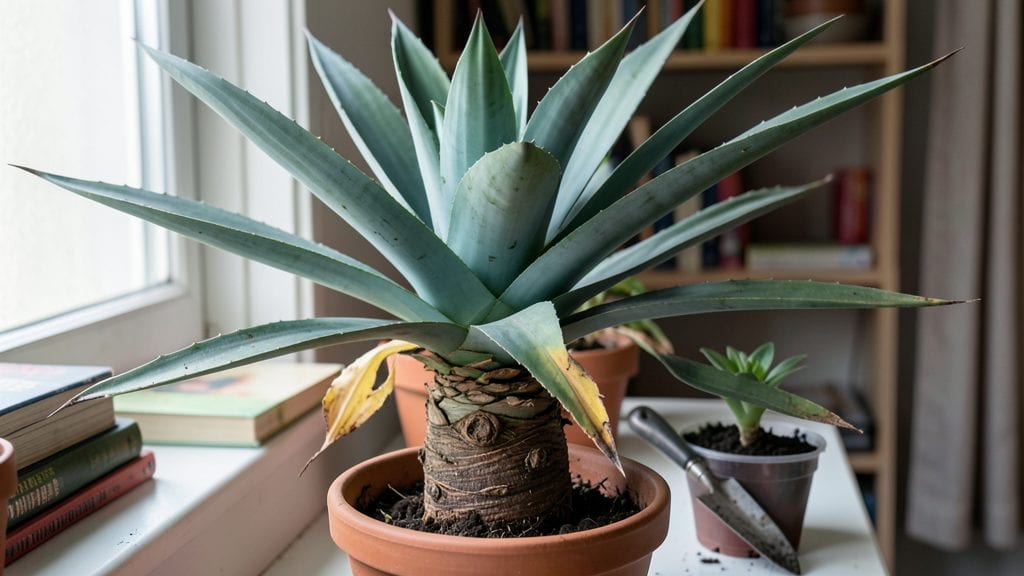
Transplanting a yucca plant feels like giving it a fresh start—when you do it right, the roots take hold faster than you’d expect. 🌱 The key is timing: wait until spring or early fall when temperatures are mild, and the plant’s energy isn’t drained by heat or cold.
I’ve moved mine in late April and October without losing a single leaf, and the secret lies in minimal soil disturbance and a well-draining mix.
Start by choosing a pot just 1-2 inches larger than the current one—yuccas hate soggy roots, so terracotta or a container with drainage holes is ideal. Loosen the root ball gently, shake off old soil, and place it in the new pot with fresh, gritty cactus mix.
Water lightly right after, then hold off for a week to let roots adjust. The first few weeks are critical: keep it in bright, indirect light and avoid heavy watering until new growth appears.
📚 In This Guide
- What you need
- Instructions
- Tips and common mistakes
- Wrapping up and next steps
What you need
- ● New container(s): 1-2 pots (depending on division) with drainage holes (1-2 inches larger in diameter than the current pot).
- ● Terracotta or ceramic preferred (for breathability).
- ● Well-draining potting mix: 3-5 gallons of cactus/succulent mix (or DIY: 60% potting soil + 30% perlite/pumice + 10% coarse sand).
- ● Garden tools: 1 pair of sterilized pruning shears or a sharp knife (for cutting roots).
- ● 1 trowel (for digging and transplanting).
- ○ 1 gloves (optional but recommended for prickly yucca leaves!).
- ● Watering supplies: 1 watering can with a rose attachment (for gentle hydration).
- ○ Optional (but helpful) extras: 1 rooting hormone (to encourage faster establishment).
- ● 1 mulch or pebbles (for top-dressing to retain moisture).
- ● 1 spray bottle (for misting leaves post-transplant).
Step-by-Step instructions for transplanting a yucca plant
Yuccas thrive when moved carefully—here’s how to do it right.
🪴 Step 1: Pick the Right Time and New Location
Transplant your yucca in early spring or late fall when temperatures are mild—50-70°F is ideal. Avoid extreme heat or frost, which stresses the plant. Choose a spot with full sun (6+ hours daily) and well-draining soil. Yuccas hate soggy roots, so raised beds or slopes work best if your yard stays damp.
Measure the new hole twice as wide as the root ball and 1 inch deeper—yuccas need room to settle. If repotting, use a container with drainage holes and 2-3 inches extra space at the bottom for gravel or broken pottery. The bigger the pot, the longer it takes to dry out, so don’t overdo it.
☀️ Step 2: Prepare the Plant and Dig Carefully
Water the yucca 2-3 days before moving to reduce shock. Dig around the base with a spade, keeping it 6-12 inches from the trunk to avoid cutting roots. Lift the plant gently—yuccas are heavy! If the root ball is tight, tap the sides of the hole to loosen soil. Never pull by the leaves; the roots will thank you.
Inspect the roots for rot or damage. Trim any mushy or brown sections with sterilized pruners, then dust the cuts with fungicide powder to prevent infection. Healthy roots should be tan and firm. If you’re repotting, place a 1-inch layer of gravel in the bottom of the container first to improve drainage.
💧 Step 3: Plant and Water for Stability
Set the yucca in the new hole or pot so the top of the root ball sits level with the soil surface—burying the trunk too deep causes rot. Fill gaps with native soil mixed with coarse sand (yuccas hate clay). Press lightly around the edges to remove air pockets, but don’t compact the soil. A loosely packed root zone lets water drain fast.
Water deeply but sparingly—yuccas store moisture in their trunks, so overwatering kills them. Give it 1 gallon per foot of plant height (e.g., a 3-foot yucca gets 3 gallons) and wait until the soil is completely dry before watering again. Mulch with 2-3 inches of gravel (not organic mulch) to keep roots cool and deter weeds.
⏰ Step 4: Monitor and Support Recovery
Keep the yucca in partial shade for 1-2 weeks to reduce stress, then gradually reintroduce full sun. Watch for yellowing leaves—this usually means overwatering, not transplant shock. If leaves wilt slightly, it’s normal; they’ll perk up once roots adjust. Avoid fertilizing for 6-8 weeks to let the plant focus on regrowing.
Yuccas often drop a few leaves after transplanting—that’s okay! New growth will emerge from the base within 4-6 weeks. If pests appear (like scale), spray with neem oil immediately. With patience, your yucca will bounce back stronger than ever. Here’s the thing—yuccas are tough, but they do appreciate a little care during the move.
Tips & tricks for transplanting a yucca plant
Moving a yucca successfully comes down to a few key details that make all the difference between a thriving plant and one that struggles to recover.
Timing is Everything: In Step 1, those 50-70°F temperatures are your sweet spot—this range gives roots time to adjust without the stress of extreme heat or cold. I've seen yuccas transplanted in 80°F+ weather wilt dramatically, while the same plants moved in 65°F conditions bounced back within weeks. If you're unsure about your local weather, check the forecast for the mildest days in early spring or late fall.
The Root Inspection Secret: When you're examining roots in Step 2, pay special attention to the color and texture—healthy roots should be tan and firm, not gray or mushy. I once transplanted a yucca with some overlooked soft roots, and it developed rot within weeks. Sterilize your pruners between cuts to prevent spreading any potential infections, and always dust those fresh cuts with fungicide powder immediately after trimming.
Watering Wisdom: The 1 gallon per foot of height rule in Step 3 is crucial, but timing matters just as much. Water deeply right after planting, then wait until the soil is completely dry before watering again. I've made the mistake of keeping newly transplanted yuccas too wet, and the roots suffocated. Think of yuccas as water-storing cacti—they're built to handle dry spells, not soggy soil.
Shade Strategy: That 1-2 week partial shade period in Step 4 isn't just a suggestion—it's a recovery lifeline. I've seen yuccas shocked back into full sun too soon drop all their leaves. Gradually reintroduce sunlight by moving the plant closer to its permanent spot each day. You'll know it's ready for full sun when new growth starts appearing at the base after about 4-6 weeks.
Pro Tips for Transplant A Yucca Plant
- Moving a yucca successfully comes down to a few key details that make all the difference between a thriving plant and one that struggles to recover.
- Timing is Everything: In Step 1, those 50-70°F temperatures are your sweet spot—this range gives roots time to adjust without the stress of extreme heat or cold.
- The Root Inspection Secret: When you're examining roots in Step 2, pay special attention to the color and texture—healthy roots should be tan and firm, not gray or mushy.
Frequently asked questions
Got questions about transplanting your yucca plant? You’re not alone! Here are the most common queries—answered simply and with care to help your plant thrive.
Can I transplant my yucca plant at any time?
While yuccas are tough, spring or early summer is ideal—when they’re actively growing. Avoid winter or extreme heat, as stress weakens the plant. If repotting is urgent (like root-bound roots), go for it, but water lightly for a week after to help recovery.
How do I know if my yucca needs repotting?
Watch for these signs:
- Roots spilling from the drainage holes.
- Slow growth or yellowing leaves.
- A pot that’s smaller than 12 inches in diameter.
What if my yucca plant wilts after transplanting?
Wilting is normal for the first few days—it’s adjusting! Check soil moisture (stick your finger in; it should be dry). Skip fertilizing for 2–3 weeks and keep it in bright, indirect light. If wilting persists after a week, trim yellow/brown leaves and ensure good drainage. Patience pays off!
Can I use regular potting soil for my yucca?
Nope! Yuccas hate soggy soil and need airflow. Mix cactus/succulent soil with perlite or coarse sand (50/50 ratio) for drainage. Avoid garden soil—it compacts and rots roots. Pro tip: Add a layer of pebbles at the pot’s bottom for extra flair and function!
What’s the best pot size for transplanting a yucca?
Go for a pot that’s 1–2 inches wider than the current one—no bigger! Overly large pots retain too much moisture, risking root rot. Ensure it has drainage holes (non-negotiable!). Terracotta pots are great for wicking away excess water.
Wrapping up and next steps
Transplanting your yucca plant doesn’t have to be intimidating—with the right tools, timing, and care, you’ll give it a fresh start for years of lush, thriving growth. 🌱 Remember, patience and gentle handling are key, so take your time to ensure a smooth transition.
Now that you’re armed with knowledge, it’s time to roll up your sleeves and watch your yucca flourish in its new home!
Ready to level up your succulent game? Next, explore tips for pruning or propagating your yucca—because why stop at one stunning plant when you can have more?