
How To
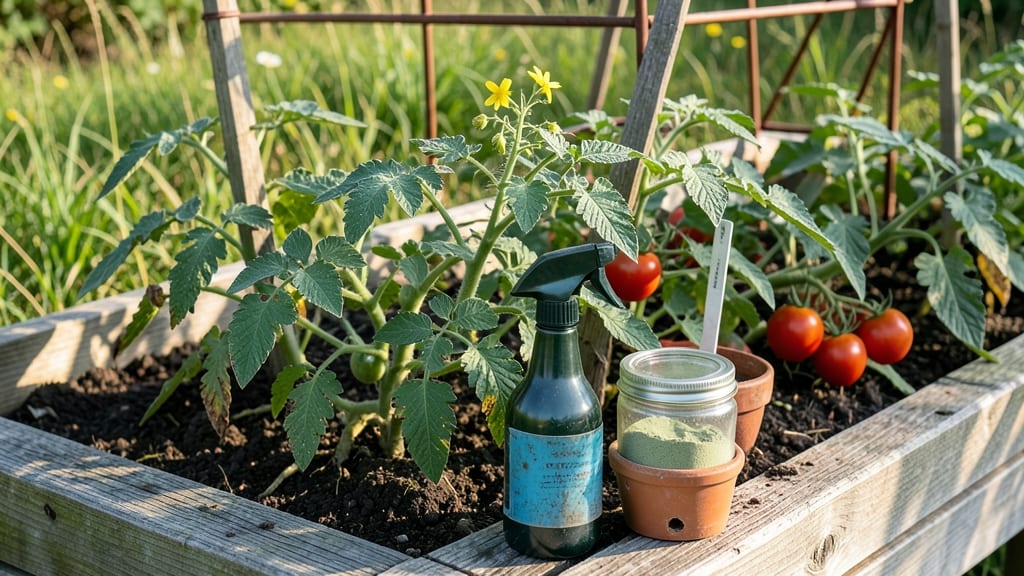
Treating fungus on tomato plants starts with spotting those first suspicious brown spots or white powder before they turn your harvest into a disaster. 🌱 I’ve seen blight wipe out entire plants in a week, but early action keeps your tomatoes thriving.
The key is acting fast—whether it’s pruning infected leaves, adjusting watering habits, or applying the right spray.
Most fungal issues—like early blight, late blight, or powdery mildew—love warm, wet conditions, so spacing plants properly and watering at the base (not overhead) cuts off their favorite environment.
I’ve tried everything from copper fungicides to homemade baking soda sprays, and some work better than others depending on the fungus type.
You’ll save your plants—and your sanity—by catching problems early. A few targeted treatments can stop blight in its tracks, and smart preventive habits mean fewer battles next season. The goal? Healthy, disease-free tomatoes that keep producing until frost.
Even if you’ve lost plants before, this method works—just start with the first sign of trouble. No more panicked late-night searches for a cure. Let’s turn those spots into a thing of the past.
Root Causes of Tomato Fungus
Fungal infections on tomato plants don’t appear out of nowhere—they’re the result of a perfect storm of conditions that create an ideal environment for pathogens to thrive. Understanding these causes is the first step in prevention and treatment.
Below, we break down the key factors that turn your thriving tomato plants into a fungal buffet.
🌧️ Fungi love water—literally. Most tomato plant fungi, like early blight (Alternaria solani) and late blight (Phytophthora infestans), thrive in damp conditions. Overhead watering, dense foliage, or poorly spaced plants trap moisture on leaves, creating a humid microclimate where fungal spores germinate and spread.
- Why it happens:
- Splashing water from irrigation or rain carries spores from soil to leaves.
- High humidity (above 75%) slows leaf drying, giving fungi time to infect.
- Crowded plants block airflow, keeping leaves wet longer.
- Actionable insight: Avoid watering leaves (use drip irrigation or soaker hoses instead). Space plants 18–24 inches apart for better airflow.
🛡️💀 Tomato plants under stress are like open doors for fungi. Nutrient deficiencies, physical damage, or environmental shocks weaken their natural defenses, making them susceptible to infection.
- Why it happens:
- Nitrogen deficiency reduces chlorophyll, making leaves less resistant.
- Injuries from hail, pests (like aphids), or pruning create entry points for spores.
- Extreme heat or cold shocks the plant, lowering its ability to fight off pathogens.
- Actionable insight:
- Test soil pH (aim for 6.0–6.8) and amend with compost for balanced nutrients.
- Prune carefully to avoid tearing leaves, and remove diseased foliage immediately.
🌱🔄 Fungal spores can lurk in soil, compost, or even gardening tools, waiting for the right moment to strike. If previous crops were infected or tools weren’t sanitized, spores can survive for years.
- Why it happens:
- Old crop debris (e.g., infected tomato stems left in soil) releases spores when tilled.
- Unsterilized pruners or gloves transfer spores between plants.
- Poor drainage keeps soil soggy, encouraging fungal growth in roots.
- Actionable insight:
- Rotate crops (avoid planting tomatoes in the same spot for 3+ years).
- Sterilize tools with a 10% bleach solution (1 part bleach to 9 parts water).
- Improve drainage with raised beds or organic matter like perlite.
🌡️🌧️ Fungi like late blight love warm nights (60–80°F) followed by cool, damp mornings. These conditions create the ideal "fungal factory" for rapid spore production and spread.
- Why it happens:
- High humidity + warm temps speed up spore germination in 6–12 hours.
- Frequent rain or dew keeps leaves wet for prolonged periods.
- Sudden temperature drops (e.g., from 85°F to 60°F) stress plants, making them vulnerable.
- Actionable insight:
- Monitor weather forecasts and apply preventive fungicides (like copper or neem oil) before rain.
- Use row covers to reduce humidity around plants during high-risk periods.
💥 While nitrogen boosts leafy growth, too much creates lush, tender foliage that’s a magnet for fungi. The trade-off? Soft, succulent leaves become prime real estate for spores.
- Why it happens:
- Excess nitrogen promotes rapid growth but weakens cell walls, making them easier to penetrate.
- Synthetic fertilizers (high in soluble salts) can burn roots, further stressing the plant.
- Actionable insight:
- Use a balanced fertilizer (e.g., 5-5-5 or 10-10-10) and follow package rates.
- Prioritize organic matter (compost, worm castings) for slow-release nutrients.
🔄🍅 Planting tomatoes in the same spot year after year or leaving infected plant material in the garden is like rolling out a welcome mat for fungi. Many tomato pathogens survive in soil or debris for months.
- Why it happens:
- Same-family crops (e.g., potatoes, peppers) share diseases like late blight.
- Untreated plant waste (e.g., stems, leaves) releases spores when composted improperly.
- Actionable insight:
- Rotate crops annually and avoid planting nightshades (tomatoes, potatoes, peppers) in the same bed for 3 years.
- Remove all plant debris at season’s end and compost it only in high-heat piles (140°F+ for 15+ days).
Quick Fixes for Fungus-Ridden Tomatoes
Fungal infections like early blight, late blight, and powdery mildew can turn your lush tomato plants into a sad, spotted mess—but don’t panic! With the right approach, you can stop the spread, revive your plants, and even save next year’s harvest.
Below, we’ve mapped out practical, step-by-step solutions tailored to the most common causes of fungal trouble, plus prevention tips to keep your tomatoes thriving.
Cause: Alternaria solani thrives in warm, humid conditions, starting with brown or black spots on older leaves.
How to Fix It:
- 🔥 Prune & Remove Infected Foliage
- Snip off yellow or spotted leaves (especially near the soil) with clean shears. Do not compost them—toss in the trash or burn.
- Open up airflow by thinning crowded plants or spacing them 18–24 inches apart.
- 🍳 Copper Fungicide Spray (Best Organic Fix)
- Mix 1 tbsp copper fungicide (like Bonide Copper Fungicide) with 1 gallon of water and spray early in the morning (avoid spraying when tomatoes are wet to prevent further spread).
- Reapply every 7–10 days or after rain.
- 👨🍳 Mulch Like a Pro
- Switch to straw or black plastic mulch (instead of grass clippings or hay, which trap moisture).
- Keep mulch 2–3 inches away from stems to reduce soil splashes.
- ⏰ Rotate Crops & Sanitize Tools
- Never plant tomatoes, potatoes, or peppers in the same spot next year (fungus lingers in soil).
- Disinfect pruners with rubbing alcohol or bleach water (1:10 ratio) between uses.
💡 Prevention Tip:
- Water at the base (not overhead) and early in the day so leaves dry quickly.
- Plant resistant varieties like ‘Mountain Merit’ or ‘Defiant PhR’ if early blight is recurrent.
Cause: Phytophthora infestans spreads rapidly in cool, wet weather, causing greasy-looking spots that turn black and mushy.
How to Fix It:
- 🔪 Remove & Destroy All Infected Plants
- Late blight is highly contagious. Pull up entire infected plants (roots and all) and bag them for trash pickup—do not leave them in the compost.
- 🌡️ Boost Plant Health with Baking Soda Spray (Mild Cases)
- Mix 1 tsp baking soda + 1 tbsp vegetable oil + 1 tsp dish soap + 1 gallon water. Spray every 5–7 days (works best as a preventative).
- ✨ Fungicide Intervention (Serious Cases)
- Use chlorothalonil (like Daconil) or maneb (follow label instructions). Reapply after rain or every 7–10 days.
- 🎯 Quarantine Your Garden
- Isolate tomato plants from other nightshades (peppers, eggplants) to prevent cross-contamination.
- Avoid overhead watering—use drip irrigation or soaker hoses.
💡 Prevention Tip:
- Plant tomatoes in raised beds (improves drainage and reduces soil-borne spores).
- Monitor weather forecasts—late blight thrives in 50–77°F temps with high humidity. Cover plants with row fabric if rain is forecasted.
Cause: Erysiphe cichoracearum appears as white, powdery patches on leaves, weakening plants by blocking sunlight.
How to Fix It:
- 🍳 Neem Oil or Potassium Soap Spray
- Mix 1 tbsp neem oil + 1 tsp mild dish soap + 1 quart water. Spray both sides of leaves until wet, then repeat every 7–10 days.
- 🌿 Improve Air Circulation
- Stake or cage tomato plants to prevent leaves from touching soil or each other.
- Space plants 18–24 inches apart and prune suckers to reduce humidity.
- 🔥 Baking Soda Blast (Budget-Friendly Fix)
- Spray 1 tsp baking soda + 1 quart water + a few drops of soap every 7–10 days. Works best on new growth.
- 🌡️ Reflect Light to Dry Leaves
- Place white reflective mulch (like aluminum foil) around plants to increase sunlight exposure and reduce moisture.
💡 Prevention Tip:
- Avoid nitrogen-heavy fertilizers (they encourage lush, mildew-prone growth). Use a balanced 10-10-10 or compost instead.
- Plant mildew-resistant varieties like ‘Celebrity’ or ‘Better Boy’.
If you’re unsure which fungus you’re dealing with, start with these universal steps: - 🌿 Stop watering from above—switch to drip irrigation or soaker hoses. - 🍅 Thin fruit—overloaded plants struggle to fight infections.
Remove some tomatoes to redirect energy. - 🌡️ Boost plant immunity with a compost tea spray (rich in beneficial microbes). - 🔄 Rotate crops—never plant tomatoes in the same spot for 3–4 years.
Final Pro Tip: 🌱 Healthy soil = healthy plants! Before replanting, amend soil with compost and add mycorrhizal fungi (available at garden centers) to strengthen roots naturally.
Frequently asked questions
Can I still save my tomatoes if the fungus has already spread to the fruit?
It depends on the type of fungus. For early blight, remove infected fruit immediately and focus on treating the leaves. With late blight, however, infected fruit is usually lost—pull the entire plant to stop further spread. For powdery mildew, the fruit may still be safe to eat if only leaves are affected, but wash thoroughly.
How often should I apply homemade fungicide sprays like baking soda or neem oil?
Apply every 7–10 days or after heavy rain for best results. Baking soda sprays work best as preventatives, while neem oil can be used both preventatively and to treat early infections. Always spray early in the morning so leaves dry quickly and avoid recontamination.
Will fungicides harm bees or other beneficial insects in my garden?
Most organic fungicides like copper, neem oil, and potassium soap are safe for bees when used correctly. Avoid spraying during peak bloom times (10 AM–4 PM) when bees are most active. Chemical fungicides like chlorothalonil can be harmful—always check labels and opt for organic options when possible.
Why does my tomato plant keep getting fungus even after treatment?
Recurring infections often mean the root cause isn't addressed. Check for poor airflow (prune and space plants), overhead watering (switch to drip irrigation), or contaminated soil (rotate crops). Fungal spores can also survive on old plant debris—always remove infected material completely.
Can I use coffee grounds as a fungicide for tomato plants?
Coffee grounds can help prevent some fungal issues by improving soil health, but they’re not a direct fungicide. Mix 1 cup of used grounds per plant into the soil around the base—this boosts beneficial microbes. For active infections, combine with other treatments like copper spray or neem oil for better results.