
Pruning
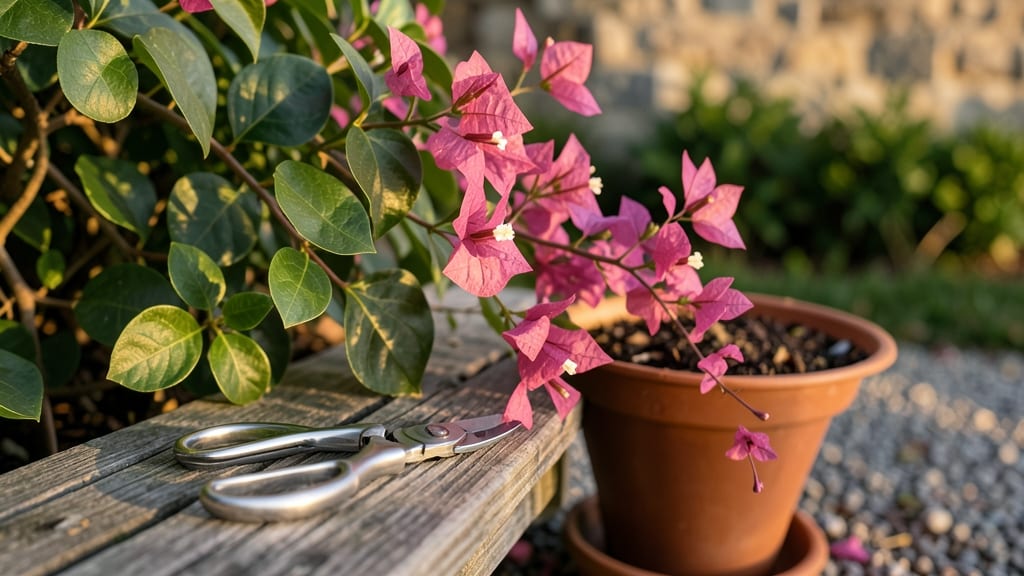
Trimming a bougainvillea plant isn’t just about keeping it neat—it’s the secret to those shockingly lush pink, purple, and orange blooms all year long. 🌸 I’ve learned the hard way that skipping pruning means sparse flowers and leggy branches, but with three strategic cuts, you’ll transform it into a flowering powerhouse.
The key is timing: early spring, mid-summer, and late fall each serve a different purpose, and missing one means missing out on peak blooms.
You’ll need just three tools: sharp bypass pruners for clean cuts, gloves to protect from thorns, and a bucket for trimmings. The real trick is cutting right above a leaf node—where new growth emerges—and shaping the plant into an open, airy form.
Bougainvilleas bloom on new wood, so aggressive pruning isn’t the goal; it’s about encouraging fresh, vibrant growth while maintaining that natural, cascading shape.
After your first trim, you’ll notice something magical: within weeks, new shoots burst forth, each one a potential bloom site. The plant becomes denser, healthier, and covered in more flowers than you’ve ever seen.
Even if you’ve let yours get wild, don’t panic—bougainvilleas are forgiving. Start with the basics, and by next season, your neighbors will be asking for your pruning secrets.
This method works in zones 9-11, where bougainvilleas thrive, but with some adjustments (like winter protection in colder microclimates), it can even extend to zone 8. The same principles apply whether you’re shaping a small container plant or a sprawling vine.
Let’s get those shears ready—your bougainvillea’s best blooms are just a cut away.
📚 In This Guide
- What you need
- Instructions
- Tips and common mistakes
- Wrapping up and next steps
What you need
- ● Pruning shears: Sharp, bypass-style shears (4–6" blade) for clean cuts on thin stems. (Avoid anvil shears—they crush stems!)
- ● Hand pruners: For thicker branches (½"–1" diameter), opt for ratchet-style or bypass pruners with a 45° cutting edge.
- ● Loppers: Heavy-duty (18–24" reach) for overgrown or woody growth—look for ergonomic grips to reduce hand fatigue.
- ● Gloves: Leather or heavy-duty garden gloves to protect against thorns (bougainvillea is seriously spiky!).
- ● Disinfectant: 70% isopropyl alcohol or rubbing alcohol to sterilize tools between cuts (prevents disease).
- ● Sharpie or marker: Permanent marker for labeling cuts if you’re training the plant (e.g., marking new growth areas).
- ● Bucket or trash bag: For clippings—bougainvillea stems can be heavy when wet!
- ● Pruning saw: For thick, stubborn branches (if your loppers struggle).
- ● Hose or spray bottle: To rinse tools after trimming (keeps sap off blades).
- ● Plant food: Balanced fertilizer (10-10-10) or bloom booster to feed the plant post-prune.
- ● Safety glasses: Extra protection if you’re dealing with dense, thorny growth.
- ● Step stool or ladder: For tall bougainvilleas (safety first—no wobbly chairs!).
Step-by-Step instructions for trimming a bougainvillea plant
Master these three seasonal cuts and your bougainvillea will reward you with vibrant blooms year after year.
✂️ Step 1: Early Spring Pruning for New Growth
Start your first cut in late February to early March, just as new growth begins to sprout. This is when your bougainvillea wakes from dormancy and prepares for its spring flush of blooms. Use clean, sharp pruning shears to make 45-degree angled cuts—this encourages faster healing and prevents water from pooling on the stems.
Focus on removing any dead, damaged, or crossing branches first. These are easy to spot—they’re brown, brittle, or growing inward toward the center of the plant. Next, trim back the remaining branches by one-third to one-half their length. You’ll see thick, woody stems with small buds along the sides; these are where new growth will emerge.
Here’s the thing—bougainvillea blooms on new wood, so don’t be afraid to cut aggressively. The more you prune back now, the bushier and more productive the plant will become by summer. Just avoid cutting into old wood (the bare, leafless stems) unless you’re shaping the plant’s overall form.
☀️ Step 2: Mid-Summer Maintenance for Shape and Blooms
About 6-8 weeks after your spring pruning, usually in June or July, perform a lighter maintenance trim. This isn’t about drastic reshaping but about encouraging continuous blooming and keeping the plant’s shape tidy. Bougainvillea blooms best when it’s slightly stressed, so avoid heavy pruning—just lightly trim any leggy or overgrown branches.
Look for branches that have outgrown their space or are growing in an unruly direction. Cut just above a leaf node or bud, always at a 45-degree angle. This encourages the plant to branch out and produce more flowers. Remove any spent blooms (deadheading) as you go—this redirects the plant’s energy into producing new flowers instead of seeding.
Real talk: If your bougainvillea looks overcrowded, this is the time to thin out the center. Air circulation is key to preventing fungal issues, and a well-aerated plant will bloom more vigorously. Just don’t remove more than 10-15% of the plant’s foliage in this trim—you’re guiding growth, not resetting it.
⏰ Step 3: Late Fall to Early Winter Pruning for Winter Hardiness
Your final cut of the year happens in November or December, just before the first hard frost. This is a light shaping trim to prepare the plant for dormancy. The goal here isn’t to encourage new growth (which bougainvillea won’t produce in cold weather) but to remove any dead or diseased wood and tidy up the plant’s structure for spring.
Start by removing any dead, diseased, or weak branches—these are easy to identify because they won’t have any leaves or buds. Next, trim back any branches that grew excessively during the summer. Cut just above a leaf node or bud, but avoid heavy pruning. You’re not trying to force new growth; you’re just cleaning up and shaping the plant for its winter rest.
I like to give my bougainvillea a final shape at this time of year—maybe a little more rounded or bushier, depending on the variety. This ensures that when spring arrives, the plant has a strong framework to build upon. After pruning, give the plant a light feeding with a balanced fertilizer to support its winter recovery.
🌿 Step 4: Year-Round Care Between Cuts
Between these three seasonal prunings, bougainvillea needs consistent care to keep blooming. Water deeply once a week (more in extreme heat) and always let the soil dry out between waterings—bougainvillea hates soggy roots. Fertilize every 4-6 weeks with a low-nitrogen, high-phosphorus fertilizer to encourage blooming, and mulch around the base to retain moisture and regulate soil temperature.
Watch for signs of stress like yellowing leaves or sparse blooms—these often mean the plant needs more sunlight or a different fertilizer. Bougainvillea thrives in full sun (6+ hours daily) and well-draining soil. If your plant starts looking leggy between cuts, it’s a sign it needs more light or a lighter hand with the pruners.
Don’t skip the deadheading! Snip off spent blooms regularly to keep the plant focused on producing new flowers. This is especially important in warmer climates where bougainvillea can bloom almost year-round. A little maintenance between cuts keeps your plant looking its best and blooming its brightest.
Tips & tricks for perfect bougainvillea pruning
These pro-level techniques will help you master the art of seasonal bougainvillea trimming—and keep your plant blooming like a pro.
Timing is Everything: The late February to early March window for your first cut is non-negotiable. This is when your bougainvillea's growth hormones kick into gear after dormancy. If you prune too early, you risk cutting back new growth that hasn't emerged yet. I've learned this the hard way—wait until you see those first tiny green shoots before making your cuts. In Step 1, those 45-degree angled cuts aren't just for looks—they create a larger surface area for faster healing and prevent water from pooling, which can lead to rot.
Visual Cues for Pruning: When trimming back branches by one-third to one-half in Step 1, look for those thick, woody stems with small buds along the sides. These buds are your growth indicators—they'll tell you exactly where new shoots will emerge. In Step 2, when you're doing your mid-summer maintenance, focus on branches that have outgrown their space. These are the ones that look leggy or are growing inward toward the center. The key is to cut just above a leaf node or bud—this is where new branches will sprout from.
Seasonal Strategy: Remember that bougainvillea blooms on new wood, so your aggressive spring pruning (Step 1) is actually encouraging more flowers later. In Step 3, that light shaping trim in November-December isn't about forcing new growth—it's about preparing the plant for winter dormancy. I like to think of this as giving my bougainvillea a "haircut" before hibernation. The goal is to remove any dead or diseased wood while maintaining the plant's overall shape. This ensures your plant has a strong framework to build upon when spring arrives.
Equipment Essentials: Your pruning shears need to be clean and sharp—dull blades can crush stems instead of making clean cuts. I've found that sterilizing my shears with rubbing alcohol between cuts prevents the spread of disease. For larger branches, consider using bypass pruners which make cleaner cuts than anvil pruners. And always make those cuts at a 45-degree angle—this isn't just a recommendation, it's a technique that prevents water from pooling on the stem and encourages faster healing.
Pro Tips for Trim A Bougainvillea Plant
- These pro-level techniques will help you master the art of seasonal bougainvillea trimming—and keep your plant blooming like a pro.
- Timing is Everything: The late February to early March window for your first cut is non-negotiable.
- Visual Cues for Pruning: When trimming back branches by one-third to one-half in Step 1, look for those thick, woody stems with small buds along the sides.
Frequently asked questions
Got questions about trimming your bougainvillea? You’re not alone! Here are answers to the most common queries to help you keep your plant thriving and blooming beautifully.
When is the best time to trim a bougainvillea?
The ideal times are early spring (just before new growth starts), summer after flowering, and late fall to shape the plant. Avoid heavy pruning in winter—bougainvilleas are semi-dormant and may struggle to recover. Light trimming to remove dead branches can happen year-round, though!
Can I trim a bougainvillea too much?
Yes! Over-trimming can stress the plant, reduce blooms, or even kill it. Never cut more than 1/3 of the plant’s foliage in a single session. Focus on shaping rather than drastic reductions. Bougainvilleas bloom on new growth, so aim for balanced cuts to encourage vibrant flowers.
What if my bougainvillea doesn’t bloom after trimming?
Lack of blooms often stems from over-pruning or nutrient deficiencies. Ensure you’re trimming just above a leaf node (where new growth emerges) and fertilize with a low-nitrogen, high-phosphorus formula in spring. Also, bougainvilleas need full sun (6+ hours daily)—shady spots can stunt flowering.
Do I need special tools to trim a bougainvillea?
While sharp pruning shears work for small branches, thicker stems (over ½ inch) need bypass pruners or a pruning saw. Disinfect tools with rubbing alcohol between cuts to prevent disease. Avoid hedge trimmers—they can tear bark and damage the plant. Pro tip: Wear gloves to avoid thorns!
What should I do with the cuttings?
Don’t toss those trimmings! Bougainvillea cuttings root easily. Dip the cut end in rooting hormone, plant in well-draining soil, and keep moist (but not soggy). Place in bright, indirect light until roots form (4–6 weeks). You’ll soon have a new plant—or even a gift for a fellow gardening enthusiast!
Wrapping up and next steps
Trimming your bougainvillea doesn’t have to be intimidating—with the right tools, timing, and technique, you’ll encourage vibrant blooms year-round while keeping your plant healthy and lush.
Whether you’re pruning for shape, size, or seasonal growth, remember: confidence comes with practice! Start small, observe your plant’s response, and adjust as needed.
Now that you’re armed with the know-how, grab those shears and get pruning! 🌸 For even more tips, explore our guide on seasonal bougainvillea care to keep your plant thriving all year.