
Companion Plants
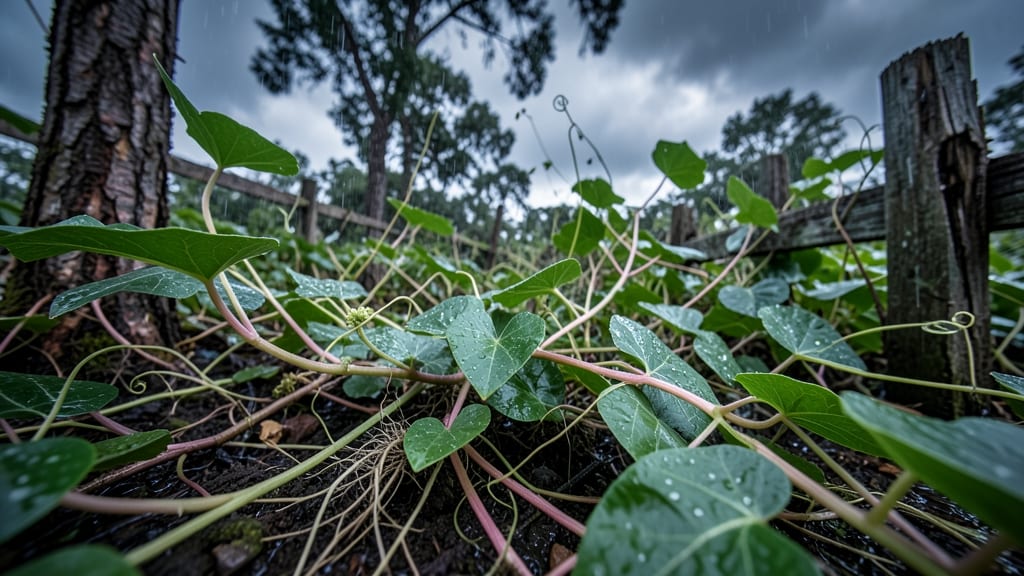
Invasive vine plants can strangle gardens, damage property, and disrupt local ecosystems. Learn to identify these aggressive climbers early and use proven eradication methods to protect your outdoor spaces before they become uncontrollable.
Kudzu Vine Identification and Control Guide
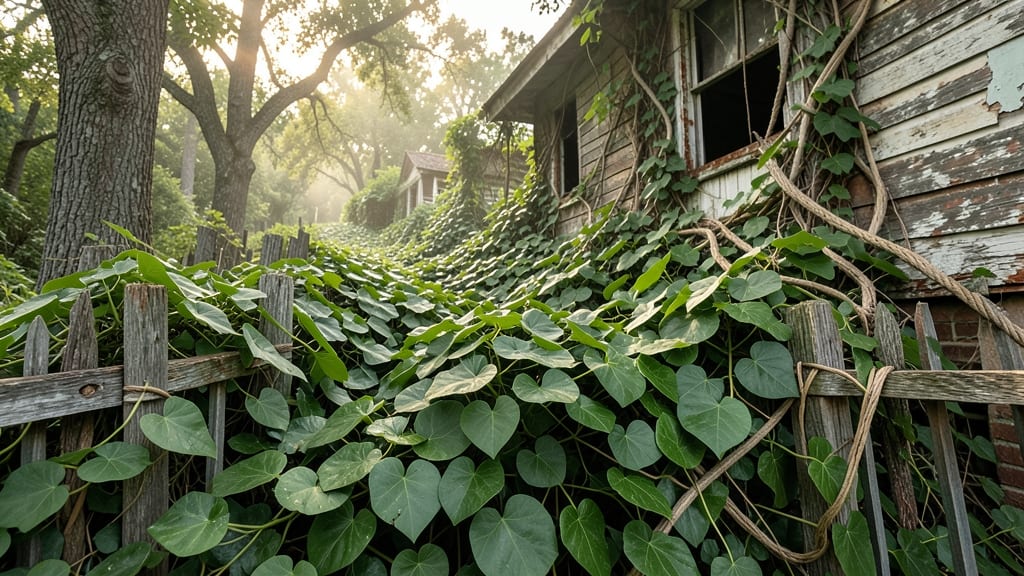
If you live in the humid Southeast and notice a thick, leafy green blanket overtaking fences, trees, or even your house within months, you’re likely dealing with kudzu—the infamous "vine that ate the South." This aggressive climber can grow 1 foot per day during peak season, smothering everything in its path.
Identify it by its large, trifoliate leaves (three leaflets per stem) and purple-tinged stems when young. For control, manual removal is critical—cut vines in late summer or early fall before they flower, then apply a non-selective herbicide (like glyphosate) to the stumps. Repeat annually, as roots can sprout new growth for years.
Gardeners in Zone 6-9 should stay vigilant, especially near wooded areas or abandoned lots. Early action prevents this vine from becoming a permanent, impenetrable thicket. 🌿
English Ivy Eradication for Garden Beds
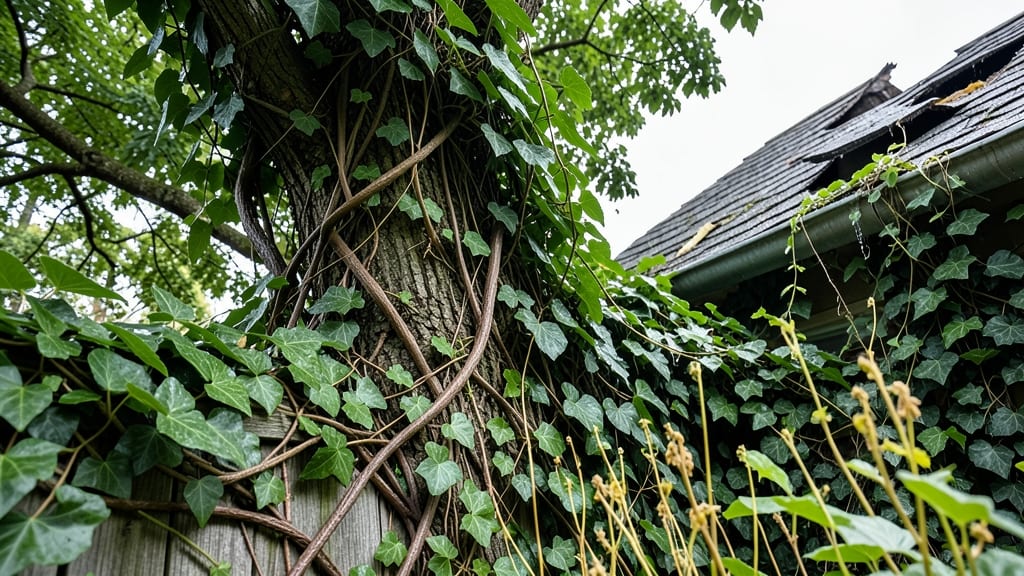
That charming ground cover you planted years ago might now be a fire hazard and tree strangler. English ivy starts as a decorative vine but quickly becomes an aggressive invader, lifting shingles, clogging gutters, and smothering native plants in mature landscapes.
Start by cutting vines at the base with pruners or a string trimmer, then apply a glyphosate-based herbicide to the remaining foliage or use a vine-specific product like Vine-Kill. For stubborn root systems, dig out rhizomes up to 12 inches deep—miss any piece, and it’ll regrow. Focus on dry, sunny days for herbicide application to maximize effectiveness.
Homeowners with established gardens or historic properties will see the biggest payoff from eradication, as ivy can reduce property value and create safety risks. Don’t let this "harmless" plant become your next landscaping nightmare! 🌿
Japanese Honeysuckle Removal Techniques
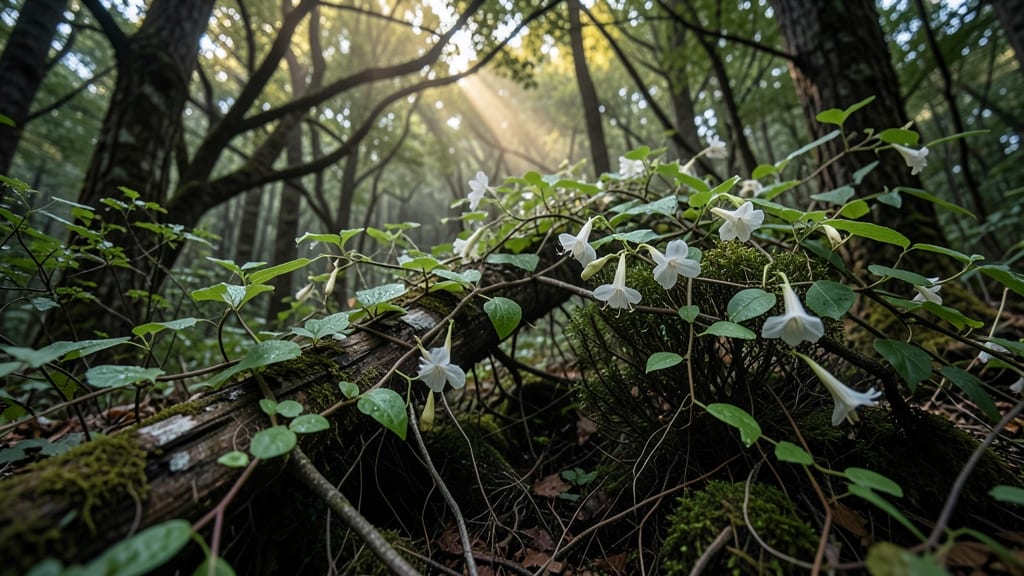
That sweet, intoxicating scent in your shaded garden? It might be Japanese honeysuckle—a fragrant but relentless invader that smothers native plants and resprouts from even tiny root fragments. Unlike kudzu or ivy, this vine thrives in wooded areas and low-light spots, making it a sneaky problem for gardeners restoring understory ecosystems.
Start by cutting vines at the base in late winter or early spring before new growth begins, then apply vinegar-based herbicide (20% acetic acid) directly to the stumps to prevent regrowth. For stubborn roots, dig 6-12 inches deep to remove the entire rhizome system—gloves are a must, as sap can irritate skin. Repeat treatments for 2-3 years to break its dormancy cycle.
This method is ideal for forest gardeners and shade-loving plant enthusiasts who want to reclaim their understory without harsh chemicals. The key? Persistence—Japanese honeysuckle may smell heavenly, but it’s a silent thief of biodiversity. 🌿
Poison Ivy Control in Backyard Spaces
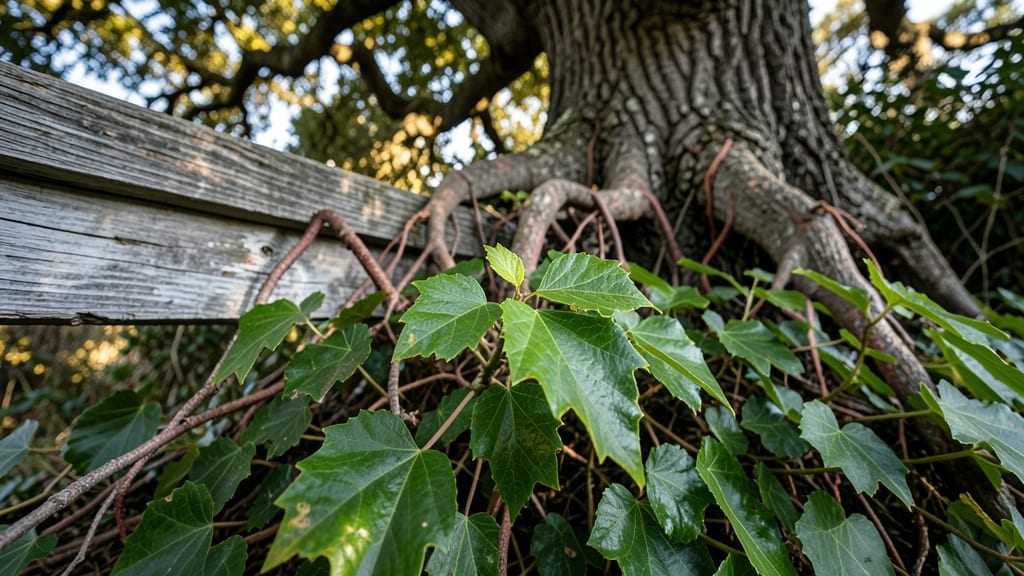
If you’ve ever spotted a three-leaf cluster growing along fence lines or tree bases, you might be looking at poison ivy—a sneaky invader that causes painful rashes and spreads aggressively. Unlike other vines, this one doesn’t just smother plants; it poses serious health risks, especially for curious kids and pets who might brush against it.
Start by identifying the leaves (remember: "leaves of three, let it be") and remove it immediately using gloves and long sleeves. For small patches, pull the roots carefully, while larger infestations may require vinegar-based herbicides or smothering with mulch. Always bag and dispose of clippings to prevent regrowth.
Families with young children or pets need to act fast—early detection stops skin irritation before it starts. Regular yard checks in spring and fall will keep this persistent vine from taking over. 🌿
Bittersweet Vine Eradication Methods
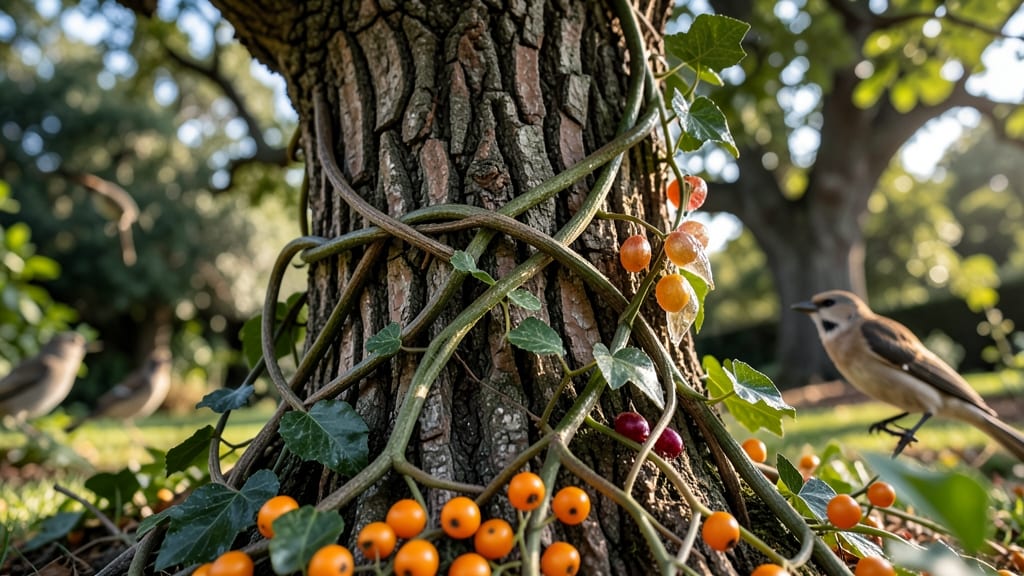
That bright orange berries might look festive, but bittersweet vine (Celastrus scandens) is a stealthy invader that strangles trees and poisons wildlife. Unlike other vines, its seeds hitch rides on birds, spreading seeds far beyond your property—making it especially dangerous for urban gardeners near wooded areas.
Start by removing vine clusters in late winter or early spring before birds feast on the berries. Cut vines at the base and apply vinegar or glyphosate to the stump to prevent regrowth. For established infestations, mulch heavily to block sunlight and smother roots—this vine can’t compete with dense ground cover.
Urban gardeners and wildlife enthusiasts should act fast: bittersweet’s toxicity harms birds and other animals, while its aggressive twining can kill young trees. A single plant can become a forest takeover in just a few years. 🌟
Morning Glory Vine Management Tips
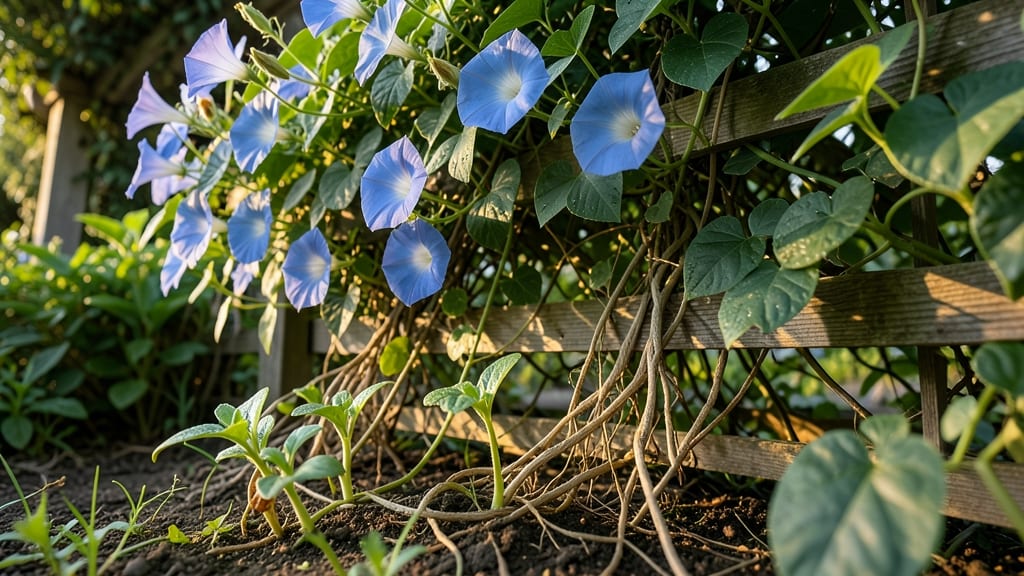
Those sky-blue morning glory flowers might look charming climbing your trellis, but their aggressive roots strangle young vegetable plants and smother garden beds by summer’s end. Unlike perennial invaders, morning glories reseed annually, making them a persistent nuisance for farmers and backyard growers alike.
Start by removing seed pods before they burst open—wear gloves to avoid skin irritation from the sap. For established vines, dig out the roots while the soil is moist (spring or fall) and mulch heavily to block new shoots. Crop rotation helps break the cycle, but never compost morning glory debris—it’s packed with viable seeds.
This is your go-to solution if you’re battling annual infestations in raised beds or along fences. With consistent vigilance, you’ll reclaim your space without sacrificing summer beauty—just skip the intentional planting! 🌻
Pokeweed Vine Removal Strategies
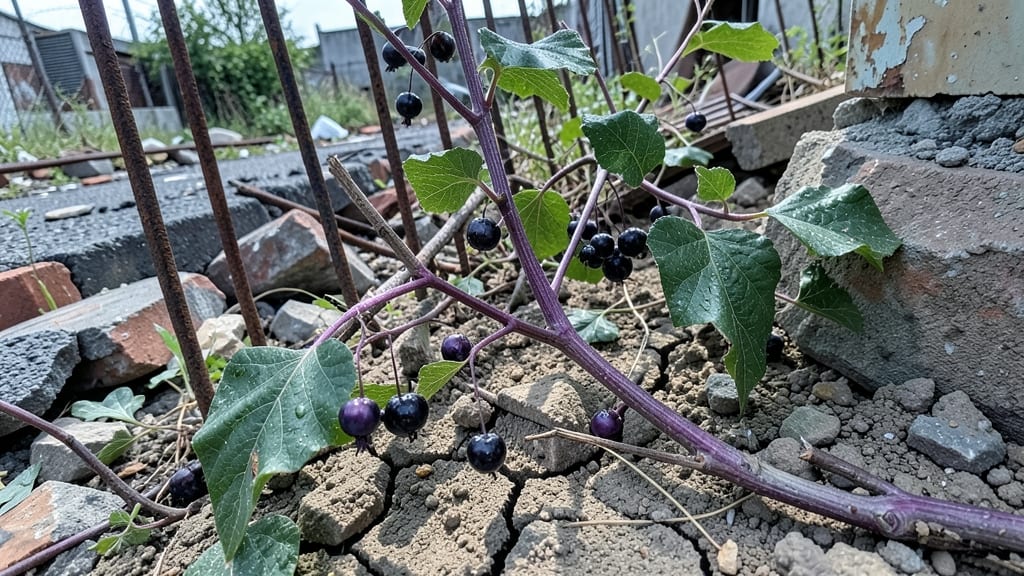
If your garden borders an abandoned lot or construction site, pokeweed vine is likely lurking in the shadows—its purple-stemmed stalks and toxic berries can dominate disturbed soils faster than you can say "invasive." This aggressive climber thrives in neglected areas, spreading through seeds and root fragments, making early action essential before it chokes out your landscaping.
Start by cutting stems at ground level in early spring before new growth begins, then apply a vine-specific herbicide (like glyphosate) directly to the stumps to prevent regrowth. For organic control, smother young shoots with cardboard or thick mulch to block sunlight. Always wear gloves—pokeweed sap can irritate skin, and its berries are poisonous to humans and pets.
This strategy is especially critical for urban gardeners or those restoring vacant lots, where pokeweed’s rapid spread can undo months of hard work in weeks. Act fast to reclaim your space! 💪
Himalayan Blackberry Control Guide
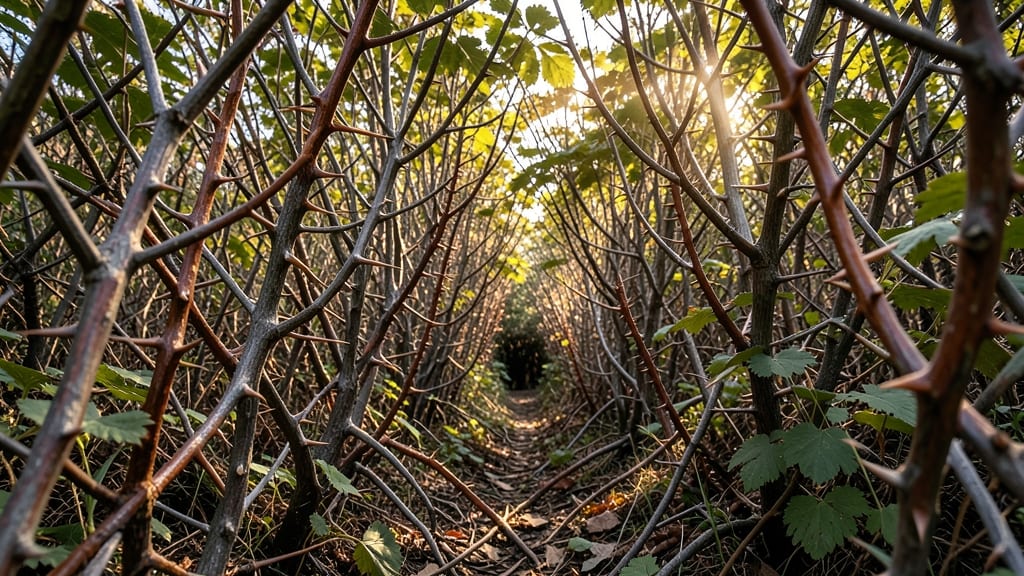
If you’ve ever struggled to hike a trail overgrown with Himalayan blackberry, you know its armor-plated canes can turn a simple walk into a thorny obstacle course. This invasive vine spreads aggressively, forming dense thickets that block sunlight and crowd out native plants—making it a nightmare for landowners and hikers alike.
To control it, start by cutting canes at ground level in late winter or early spring before new growth begins. Wear thick gloves and long sleeves to avoid the sharp thorns! Follow up with glyphosate herbicide on fresh cuts to kill the root system, or use vinegar-based sprays for organic control. For large areas, consider solarization by covering thickets with clear plastic for 6-8 weeks to smother regrowth.
Landowners restoring trails or hikers maintaining favorite routes will find this method especially effective. With persistence, you can reclaim your space from this tenacious invader! 💪
Trumpet Vine Eradication for Native Gardens
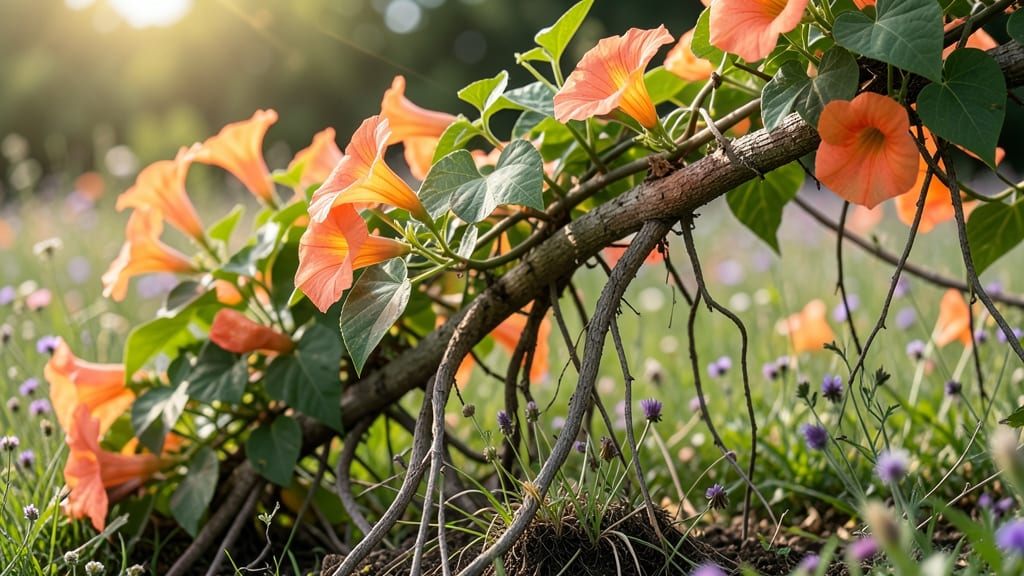
That bright orange trumpet vine blooming in your garden might look stunning, but its aggressive roots and rapid spread can displace native plants and disrupt local ecosystems. While it attracts hummingbirds, its fast-growing nature makes it a threat to biodiversity—especially in wildflower meadows or native plant gardens.
To remove it safely, start by cutting back the vines in late winter or early spring before new growth begins. Apply glyphosate-based herbicide directly to the stumps or use a vine killer like triclopyr for organic control. Repeat treatments for at least two seasons to prevent regrowth, as roots can persist underground.
Eco-conscious gardeners restoring native habitats will find this method especially valuable—trumpet vine eradication helps preserve pollinator corridors and protect rare wildflowers. 🌟
Mile-a-Minute Vine Prevention Tips

If you live near floodplains or areas with heavy rainfall, mile-a-minute vine could turn your garden into a tangled mess in just weeks. This invasive annual grows a staggering foot per day, smothering crops, fences, and even young trees before you can say "summer storm."
Your best defense is early detection—look for its distinctive three-lobed leaves and rapid sprawl along the ground. Pull young vines by hand before they root, or smother them with cardboard mulch to block sunlight. For established patches, apply vinegar-based herbicide (20% acetic acid) directly to the stems in dry conditions. Since it thrives in moist soil, divert rainwater from problem areas to reduce its spread.
This vine is especially dangerous for urban gardeners and farmers in the Southeast and Midwest, where it spreads faster than most weeds. Act now before it becomes impossible to control—your garden’s future depends on it. 💪