
Diseases
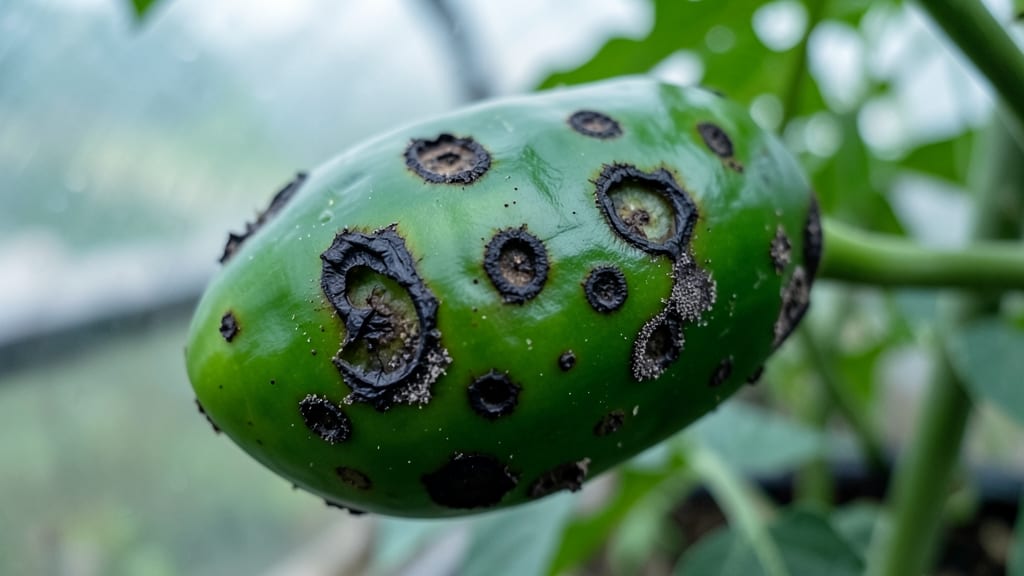
Jalapeño plants can fall victim to devastating diseases that threaten your harvest. Learn to identify these 10 common jalapeño diseases early, understand their root causes, and apply proven fixes to keep your peppers thriving—before it’s too late.
Bacterial Spot on Jalapeño Leaves
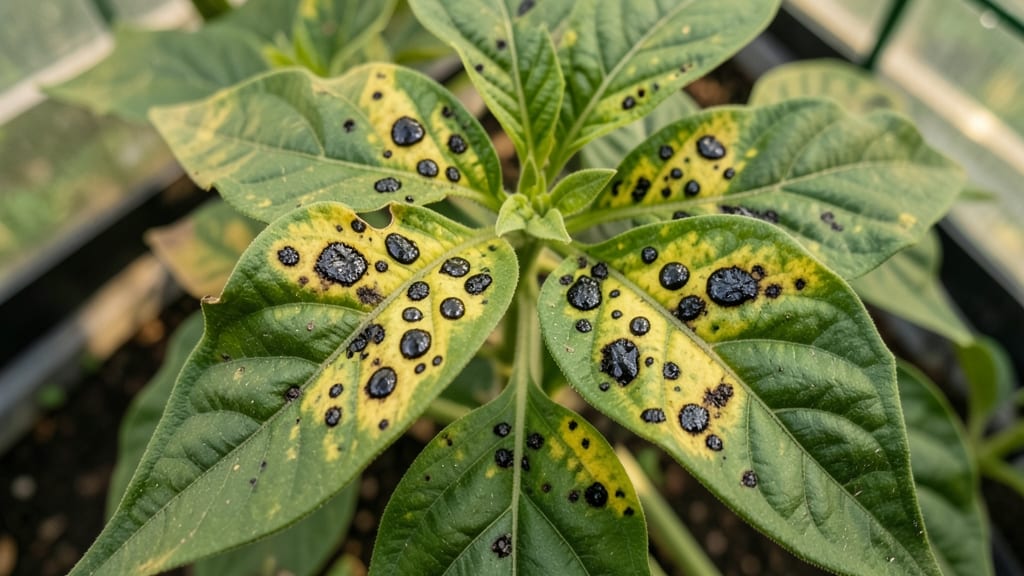
If your jalapeño plants develop tiny, water-soaked spots that turn black and spread fast, you’re likely dealing with bacterial spot—the most aggressive bacterial disease in warm climates. These spots often appear surrounded by yellow halos, and without quick action, entire leaves can die within days.
Copper-based bactericides (like copper sulfate or fixed copper sprays) are the most effective treatment when applied every 7–10 days at the first sign of infection. Avoid overhead watering, which spreads bacteria, and prune infected leaves immediately. For prevention, rotate crops yearly and sterilize tools between uses to break the disease cycle.
This disease strikes hardest in humid, hot conditions, making it a top threat for gardeners in the South and Southwest. If you grow jalapeños in these climates, keep a close eye on foliage and act fast—copper sprays are your best defense. 💚
Pepper Blight Causing Fruit Rot
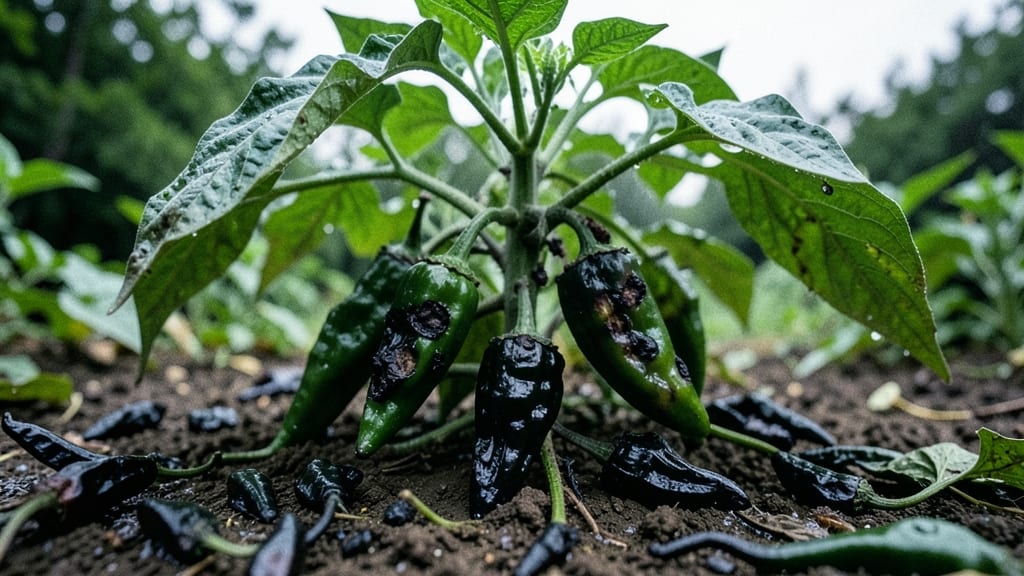
If your jalapeños are turning mushy and black before they ripen, pepper blight might be the culprit. This fungal infection thrives in humid conditions, spreading through contaminated soil, water, or even infected plant debris. Unlike bacterial spot, which attacks leaves, pepper blight targets the fruit directly, making it a silent harvest thief.
Prevent it by applying sulfur-based fungicides every 7–10 days during peak humidity, especially after rain. Space plants for airflow and avoid overhead watering to keep leaves dry. If you’ve already lost a crop, sterilize tools and rotate crops to break the fungal cycle—this disease can linger in soil for years.
Gardeners in tropical or high-humidity zones should treat this as a seasonal priority. With the right precautions, you can protect your peppers from this devastating rot. ✨
Powdery Mildew White Coating
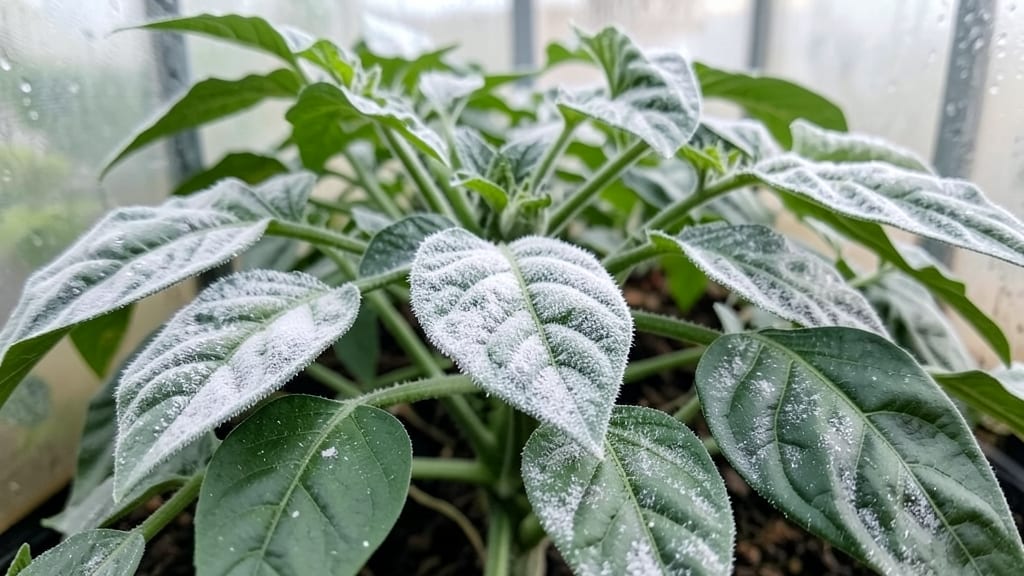
That ghostly white dusting on your jalapeño leaves isn’t flour—it’s powdery mildew, a fungal menace that thrives in humid, crowded conditions and saps your plants’ energy before peppers even form.
This fuzzy film starts as small white spots on leaves but quickly spreads, creating a suffocating blanket that blocks sunlight and stunts growth. The fix? First, prune plants immediately to improve airflow, then spray with a neem oil solution (1 tablespoon per quart of water) every 7–10 days until cleared. For severe cases, add a baking soda spray (1 teaspoon baking soda + a drop of dish soap per liter of water) for extra fungal defense.
Urban gardeners and container growers should space plants 12–18 inches apart and avoid overhead watering—this disease loves damp foliage. With quick action, you can restore your jalapeños to full, healthy production. 🌱
Verticillium Wilt Yellowing Stems
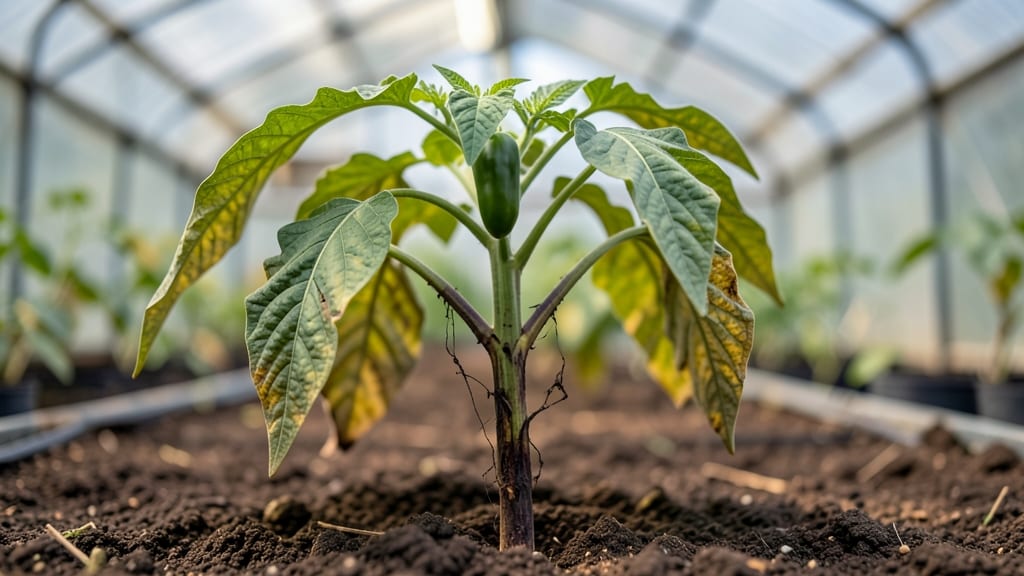
If your jalapeño plants suddenly wilt despite adequate water, verticillium wilt may be the culprit. This soil-borne fungus invades plant veins, blocking water transport and causing leaves to yellow and stems to darken from the inside out. Unlike other diseases, there’s no cure—once infected, plants typically die within weeks.
Prevent this silent killer by choosing verticillium-resistant jalapeño varieties like ‘Aristotle’ or ‘Carolina Wonder.’ For existing garden beds, solarize the soil by covering it with clear plastic for 4-6 weeks during hot weather to kill fungal spores. Crop rotation with non-susceptible plants (like tomatoes or brassicas) can also break the disease cycle over time.
This disease is particularly dangerous for gardeners in warm climates where peppers thrive—once established, it can persist in soil for years. 💡
Alternaria Leaf Spot Black Rings
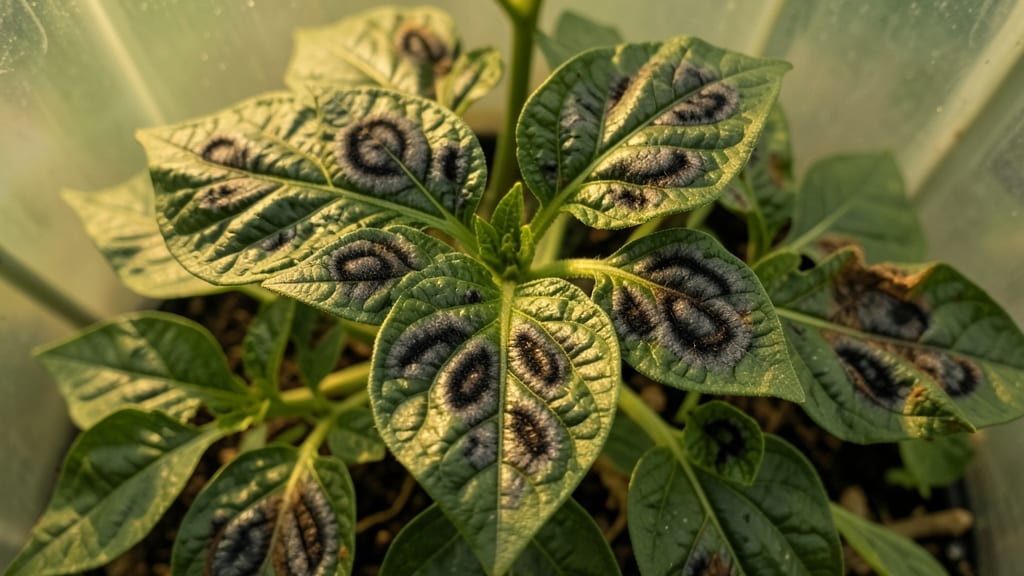
If your jalapeño leaves develop concentric black rings that spread outward like ripples, you’re likely dealing with Alternaria leaf spot—a fungal disease that thrives in warm, humid conditions. Unlike other spots, this one creates distinct ring patterns that eventually turn entire leaf sections brown and crispy.
Stop the spread by removing infected leaves immediately and applying a fungicidal spray (like chlorothalonil) every 7–10 days during wet weather. Avoid overhead watering to keep foliage dry, and rotate your crop location next season to prevent soil-borne spores from lingering. This disease is particularly aggressive in crowded plantings or after heavy rain.
Gardeners in hot, humid climates should monitor jalapeños closely during peak growing months—early action can save your harvest before the fungus takes over. 💪
Phytophthora Root Rot Waterlogged Soil
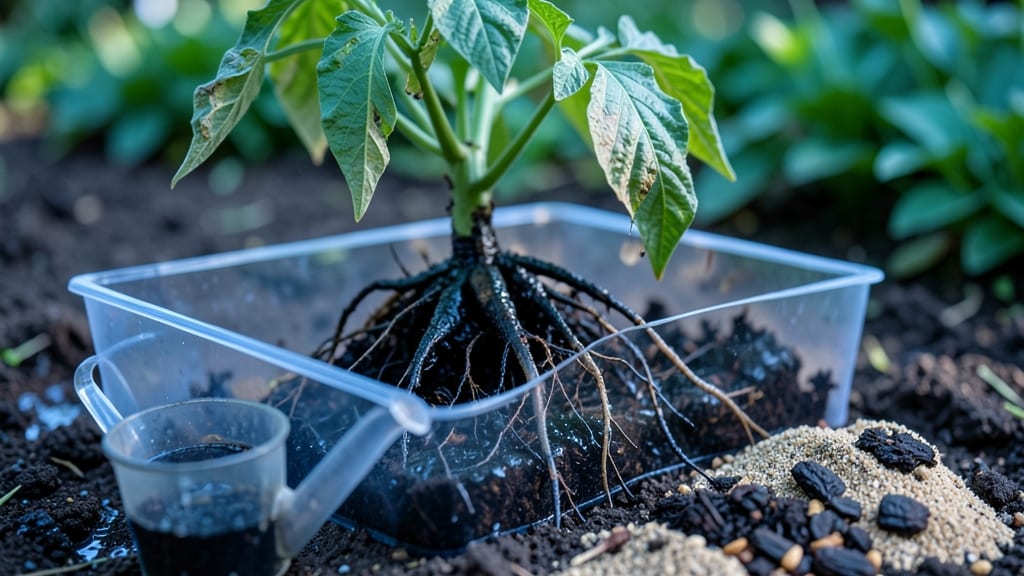
If your jalapeño plants wilt suddenly despite regular watering, Phytophthora root rot may be the culprit. This sneaky soil-borne pathogen thrives in waterlogged conditions, suffocating roots and turning them black and mushy within days.
To combat it, amend soil with compost or sand to improve drainage, and avoid overhead watering. For infected plants, mix 1 tablespoon of 3% hydrogen peroxide per gallon of water and drench the soil every 7-10 days to kill the pathogen. Remove severely affected plants immediately to prevent spread.
This disease hits container gardeners and clay-heavy soils hardest, but these fixes can save your harvest. Early action is key—don’t wait until your plants collapse! 💪
Cucumber Mosaic Virus Stunted Growth
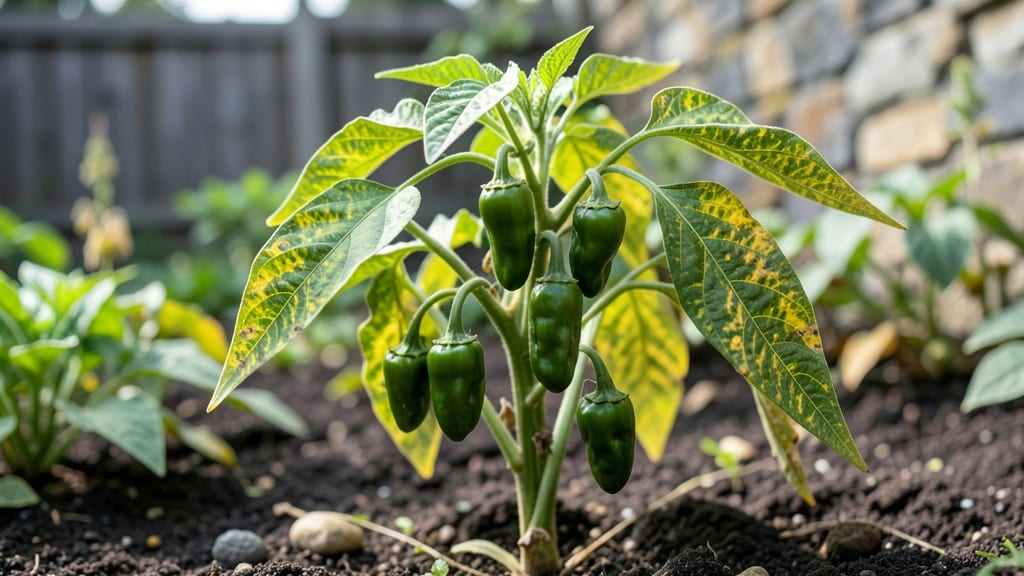
If your jalapeño plants suddenly show yellow-green mottled leaves or small, deformed peppers, you might be dealing with cucumber mosaic virus (CMV)—a sneaky viral infection that spreads like wildfire through aphids. Unlike fungal diseases, CMV has no chemical cure, so early action is your best defense.
Start by removing infected plants immediately to prevent the virus from spreading to healthy crops. Next, target aphids—the tiny green or black pests that carry CMV—with insecticidal soap or neem oil sprays. Since CMV thrives in warm weather, monitor your plants closely during spring and summer when aphids are most active.
This virus is especially tricky for container gardeners or those with limited space, as infected plants can contaminate nearby crops. If you suspect CMV, quarantine new plants for a few weeks and inspect them regularly for early signs. 🌻
Fusarium Oxysporum Vascular Discoloration
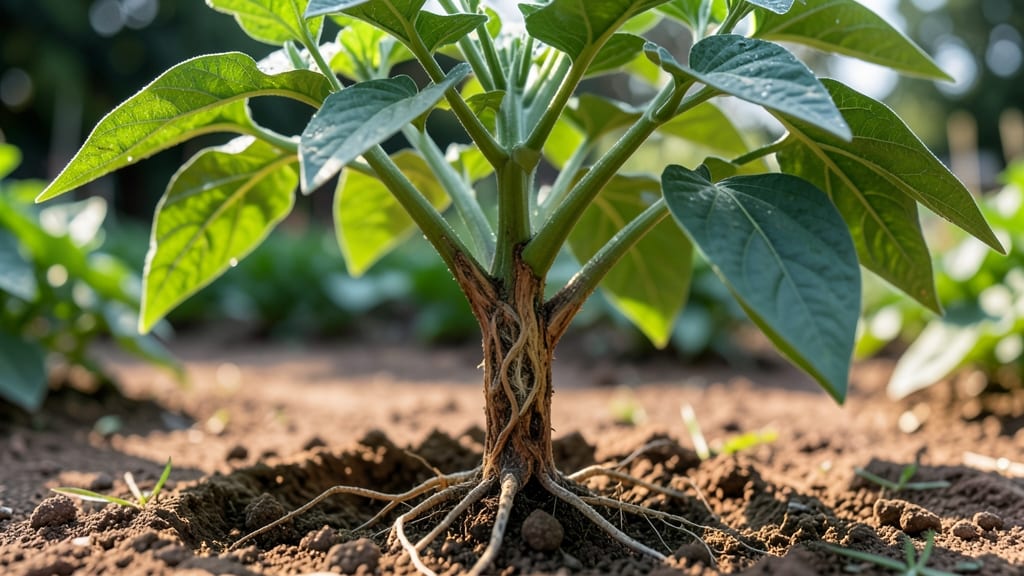
If your jalapeño plants suddenly wilt despite healthy-looking leaves, Fusarium oxysporum may be silently blocking their water supply. This stealthy fungal pathogen invades the plant’s vascular system, turning stems brown and disrupting nutrient flow—often before you notice symptoms above ground.
Look for stunted growth or sudden wilting in one branch while others stay healthy, or check stems for dark streaks when cut open. Since this fungus thrives in contaminated soil, sterilize potting mix by baking it at 180°F (82°C) for 30 minutes, and rotate crops to break its life cycle—never plant peppers, tomatoes, or eggplants in the same spot two years in a row.
This disease is especially risky for container gardeners, so disinfect tools between plants and avoid overhead watering. Early prevention saves your harvest—especially for those growing heat-loving peppers in small spaces. 💡
Downy Mildew Purple Spore Patches
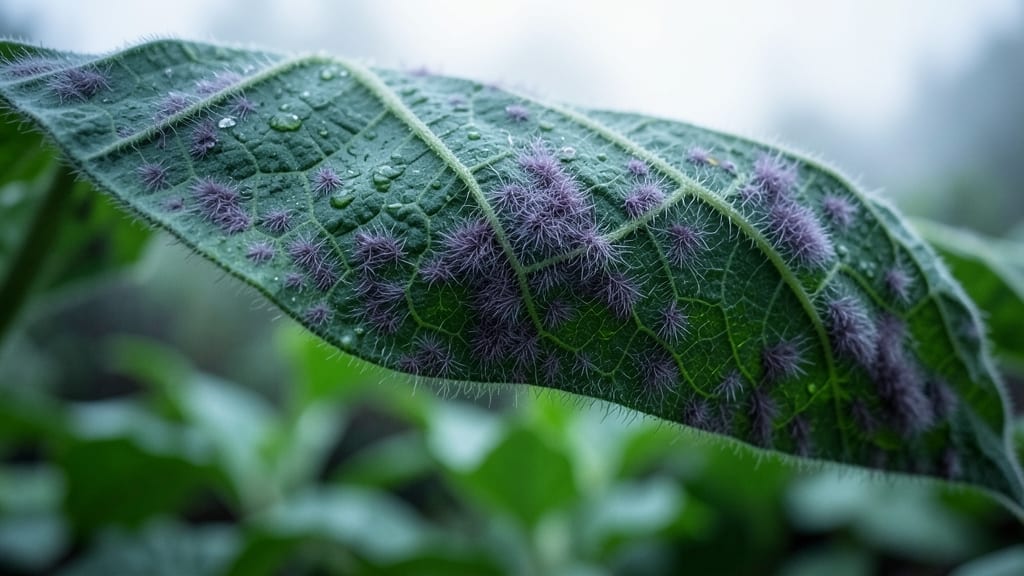
If you notice purple fuzz on the undersides of your jalapeño leaves—especially after cool, damp mornings—you’re likely dealing with downy mildew, a sneaky fungal foe that thrives in wet conditions. Unlike powdery mildew, this version hides its spores on leaf undersides, making it easy to miss until the damage is done.
This disease spreads rapidly in shady, humid environments, so your first defense is proper spacing between plants to improve airflow. Once you spot it, act fast with copper fungicides (like copper sulfate or Bordeaux mixture) applied every 7–10 days. Remove heavily infected leaves immediately to stop the spread, and avoid overhead watering to keep foliage dry.
Gardeners in cooler climates or those growing peppers in greenhouses are most vulnerable, but this tip applies to anyone dealing with unexpected purple patches. Early action prevents the fungus from weakening your plants and ruining your harvest. 💚
Anthracnose Sunken Lesions on Fruit

If your jalapeño peppers develop dark, sunken spots that look like tiny craters, you’re likely dealing with anthracnose—a fungal disease that thrives in warm, humid conditions. Unlike other fruit rots, anthracnose attacks mature peppers, leaving them unusable and spreading spores that can reinfect next season’s plants.
Prevent this issue by applying fungicidal sprays (like copper-based or chlorothalonil) every 10-14 days during peak growing season, especially after rain. Thin out crowded foliage to improve air circulation, as damp leaves create the perfect breeding ground for spores. Remove and destroy infected fruit immediately to stop the spread.
This disease is particularly tricky for gardeners in humid climates or those growing peppers in greenhouses. With proactive care, you can protect your harvest and keep your plants thriving. 🌟