
Container Gardens
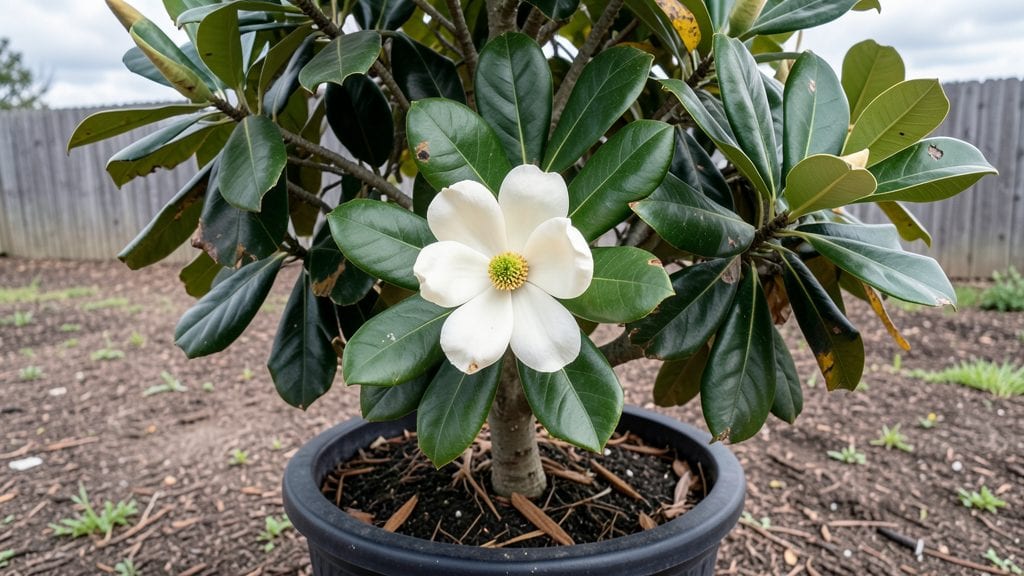
A magnolia potted plant can bring that garden grandeur to your patio or balcony—but only if you avoid the two biggest mistakes most gardeners make with them.
Picture this: your magnolia potted plant sits on the deck all summer, soaking up full sun, only to drop its buds before they even open. Or worse, its roots circle the pot like a snail shell, starving the plant from the inside out.
These aren’t just guesswork problems—they’re fixable with the right light balance and pruning timing.
Here’s the good news: with year-round adjustments (yes, even winter), you can keep those fragrant blooms coming back bigger and healthier than ever.
I’ll walk you through the exact light needs by season, when to prune without sacrificing flowers, and how to spot the early signs of root-bound stress before it’s too late.
By the end, your magnolia won’t just survive in a pot—it’ll thrive, blooming like it owns the place (because in a way, it does). Let’s get started.
Year-round light requirements for potted magnolias: sun vs. shade balance
Potted magnolias thrive with the right balance of light, but their needs shift dramatically by season. Too much sun can scorch delicate leaves, while too little shade stunts blooms and weakens growth. Understanding these seasonal adjustments will keep your magnolia blooming beautifully year-round, whether indoors or out.
In spring and fall, your magnolia craves morning sun and afternoon shade. This gradual light exposure prevents heat stress while encouraging strong blooms. Place pots on east-facing patios or under dappled shade trees to mimic their natural forest understory habitat.
Here’s how to optimize light exposure for each season:
| Season | Ideal Light Exposure | Indoor Placement | Outdoor Placement | Signs of Stress |
|---|---|---|---|---|
| Spring | 4-6 hours bright indirect light | East-facing window, 2-3 ft away | Morning sun, afternoon shade | Yellowing leaves, sparse buds |
| Summer | 3-4 hours filtered light | North-facing window or sheer curtain | Dappled shade, avoid direct sun | Brown leaf edges, wilting |
| Fall | 5-6 hours morning sun | South or east window, 1-2 ft away | Full sun until noon, shade after | Slow bud formation, weak stems |
| Winter | 6+ hours bright indirect light | South window with grow lights if needed | Sheltered from wind, partial shade | Dropping leaves, no new growth |
During summer, magnolias need protection from intense midday sun. If indoors, position pots near a north-facing window or use a sheer curtain to diffuse light. Outdoors, move them under a lattice or pergola to filter sunlight while allowing airflow.
Watch for yellowing leaves or sparse blooms—these are red flags for insufficient light. If you spot these signs, gradually increase exposure over 1-2 weeks to avoid shocking the plant. A grow light (12-14 hours/day) can supplement indoor light in winter.
For indoor magnolias, rotate pots quarter-turns weekly to prevent lopsided growth toward the light source. Place pots on a casa wheel if needed to maximize exposure to all sides.
Outdoor pots should be moved to shadier spots as summer progresses. If your magnolia develops brown leaf tips, it’s likely getting too much direct sun—relocate it immediately to prevent further damage.
In winter, magnolias enter dormancy but still need bright indirect light. If natural light is scarce, supplement with a full-spectrum LED grow bulb for 4-6 hours daily. Avoid placing pots near heating vents, which dry out the air and stress the plant.
Pro tip: Use a light meter (or phone app) to measure light levels. Aim for 1,000-3,000 foot-candles of light for optimal growth. Adjust placement based on seasonal changes to keep your magnolia blooming abundantly.
🌸
Pruning guide for potted magnolias: when, how, and what to cut
Pruning your magnolia potted plant isn't just about keeping it tidy—it's about encouraging healthier blooms and bushier growth while preventing common mistakes like over-pruning or cutting at the wrong time. Unlike in-ground magnolias, potted varieties need more frequent attention to maintain their shape and vitality.
The key is timing: prune too early, and you risk losing next year's flowers; wait too long, and you'll struggle with unruly branches.
Most magnolia blooms form on old wood, meaning they develop on branches from the previous year. This makes post-bloom pruning critical—never cut back blooms until they've fully faded. I recommend marking your calendar for late spring or early summer, right after your magnolia finishes flowering.
This timing ensures you don't accidentally remove next season's flower buds hiding among the leaves.
For spring renewal, focus on removing any dead, diseased, or crossing branches that block airflow. Use clean, sharp pruning shears to make cuts just above a bud or outward-facing branch. Avoid leaving stubs—these invite pests and disease.
If your magnolia looks leggy, you can also do light heading cuts (trimming back the tip of a branch) to encourage bushier growth, but never cut back more than 1/3 of the plant's height in one season.
In winter, limit pruning to removing deadwood and shaping the silhouette if needed. Avoid heavy pruning during dormancy, as magnolias are already stressed from cold temperatures.
If your potted magnolia develops root-bound issues, you can also do a light root pruning in late winter by gently teasing out circling roots and adding fresh well-draining potting mix.
Here’s your seasonal pruning checklist:
- Late Spring (Post-Bloom): Remove spent flowers and shape branches
- Early Summer: Light thinning of crowded branches
- Fall/Winter: Only remove dead/diseased wood—no heavy pruning!
- Late Winter: Root pruning if root-bound (every 2-3 years)
Pro tip: Always sterilize your tools with rubbing alcohol before and after pruning to prevent spreading disease. If you're unsure about a cut, wait a week—sometimes branches look dead but are actually dormant. Patience is key with magnolias; they reward careful pruning with show-stopping blooms year after year.
🌿