
Vegetables
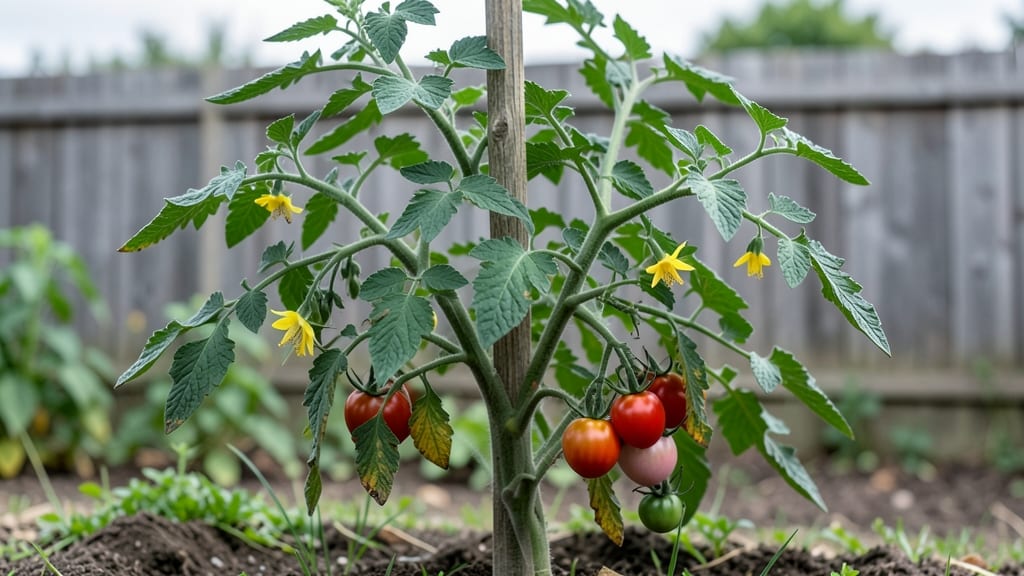
Caring for a mature tomato plant 🍅 is your ticket to a backyard harvest that puts grocery-store tomatoes to shame—but only if you know the right moves.
Your six-foot vine is now a fruit-producing powerhouse, but without the right care, even the hardiest varieties can fizzle out before their time. The difference between a bucket of tomatoes and a handful?
Pruning, feeding, and protection aren’t just chores—they’re the secret to keeping your plant productive from June through September.
Most gardeners skip the key steps at this stage, thinking their tomato is self-sufficient. But the truth? A little attention now means bigger, healthier fruit and fewer pests.
Whether you’re dealing with indeterminate vines or bushy determinate types, I’ll walk you through what to trim, when to feed, and how to shield your plant from common threats.
By the end, you’ll know exactly how to extend your harvest, troubleshoot problems before they start, and keep your tomato thriving—whether it’s in a container or planted in-ground.


How to prune a mature tomato plant for bigger, healthier fruit
Pruning your mature tomato plant might seem counterintuitive—why remove leaves or stems when you want more fruit?—but it’s one of the most effective ways to boost yield and plant health. When done correctly, pruning improves air circulation, directs energy to fruit production, and prevents diseases like blight.
The key is understanding the difference between indeterminate (vining) and determinate (bush) varieties, as their pruning needs vary drastically.
For indeterminate varieties like 'Sungold' or 'Brandywine', pruning is essential to manage their 6-foot+ growth and maximize fruit size. For determinate varieties like 'Roma' or 'Celebrity', minimal pruning is often enough to avoid stressing the plant.
Whether you’re a seasoned gardener or a first-timer, mastering these techniques will transform your harvest. Let’s dive into the step-by-step process to keep your tomatoes thriving.
Step-by-Step Pruning Guide for Mature Tomato Plants
-
Step 1: Identify Your Variety
Check if your tomato is indeterminate (keeps growing) or determinate (bushy, stops at a set height). Indeterminate types need aggressive pruning; determinate types need minimal trimming.
-
Step 2: Remove Suckers
Suckers are the small shoots growing in the leaf axils (where leaves meet stems). Pinch or cut them off to redirect energy to fruit. For indeterminate plants, remove all suckers below the first flower cluster.
-
Step 3: Prune Lower Leaves
Trim leaves touching the soil to prevent disease. For indeterminate plants, remove leaves below the first 18 inches of the plant. For determinate types, only remove yellow or diseased leaves.
-
Step 4: Thin Fruit Clusters
If a plant has more than 3-4 tomatoes per cluster, thin to the largest, healthiest fruit. This ensures bigger, juicier tomatoes and reduces stress on the plant.
-
Step 5: Support the Plant
Use cages or stakes to support tall indeterminate varieties. Tie stems gently with soft material (like old T-shirts) to prevent breakage during pruning or wind.
-
Step 6: Sterilize Tools
Clean pruners with rubbing alcohol between cuts to prevent spreading diseases like early blight. Always prune during dry, sunny mornings to allow wounds to heal quickly.
Timing is everything when it comes to pruning. For indeterminate varieties, start pruning when the plant reaches 18-24 inches tall and continue throughout the growing season. Focus on removing suckers every 1-2 weeks to keep the plant manageable.
For determinate varieties, minimal pruning is best—just remove diseased or yellowing leaves and avoid trimming more than 20% of the foliage at once.
One of the biggest mistakes gardeners make is over-pruning, which stresses the plant and reduces photosynthesis. Never remove more than one-third of the leaves at a time, and avoid cutting into the main stem unless necessary.
If you’re unsure, err on the side of caution—less is often more when it comes to pruning tomatoes. Always prioritize leaf retention for energy production while still improving airflow.
Pruning also plays a crucial role in disease prevention. By removing crowded leaves and suckers, you reduce humidity levels around the plant, which helps prevent fungal diseases like early blight and septoria leaf spot.
Aim to keep the center of the plant open to sunlight, which not only improves fruit quality but also deters pests like aphids and whiteflies.
If you’re growing tomatoes in containers, pruning becomes even more critical due to limited space. Indeterminate varieties in pots may need more frequent pruning to control their height and ensure they don’t outgrow their containers.
Always choose a container with at least 5-gallon capacity for indeterminate types to accommodate their root systems and pruning needs.
After pruning, monitor your plant closely for signs of stress, such as wilting or yellowing leaves. If you notice these symptoms, reduce pruning frequency or avoid it altogether until the plant recovers.
Remember, the goal is to enhance fruit production, not harm the plant. With practice, you’ll develop a feel for how much pruning your specific variety can handle.
For heirloom varieties, which often produce fewer but larger fruits, pruning is especially beneficial. Varieties like 'Cherokee Purple' or 'Black Krim' thrive with aggressive pruning to direct energy into fewer, high-quality tomatoes.
Even if you’re not growing heirlooms, these techniques will help you achieve bigger, healthier fruit regardless of the variety.
Finally, don’t forget to reward your plant after pruning! Increase watering slightly for the first few days to help it recover, and consider a balanced fertilizer (like 10-10-10) to support new growth.
With the right pruning approach, your mature tomato plant will reward you with a bountiful harvest that’s the envy of the neighborhood.
Best fertilizers and feeding schedule for maximum tomato production
A mature tomato plant thrives when fed the right nutrients at the right time. Over-fertilizing can cause blossom-end rot or excessive foliage, while underfeeding stunts fruit production. The key is balancing nitrogen (N), phosphorus (P), and potassium (K) based on your plant’s growth stage.
Organic and synthetic fertilizers both work—it’s about matching your goals and soil health to your plant’s needs.
Tomatoes need different nutrients during each phase: flowering demands phosphorus for roots and blooms, fruiting requires potassium for fruit development, and harvest benefits from a light touch to avoid overstimulating new growth. DIY fertilizers like compost tea or banana peel fertilizer can be cost-effective and nutrient-rich alternatives to store-bought options.
For organic options, I swear by compost tea—it’s packed with microbes that improve soil health and nutrient uptake. To make it, steep 1 cup compost in 5 gallons water for 24-48 hours, then strain and apply to soil.
Another favorite is banana peel fertilizer, rich in potassium. Simply bury chopped peels near the base of your plant every few weeks.
Timing matters just as much as what you feed. Apply fertilizers in the early morning to prevent leaf burn from heat. Avoid fertilizing when your plant is already stressed—like after a heatwave or heavy pruning.
Over-fertilizing can lead to blossom-end rot, so always follow the label instructions or use a soil test to guide your schedule.
If you’re growing in containers, your feeding schedule may need adjusting—potted plants dry out faster and need more frequent, lighter feedings. Use a water-soluble fertilizer diluted to half-strength every 7-10 days during the fruiting stage.
Always water thoroughly before and after fertilizing to help nutrients absorb and prevent root burn.
Pro tip: Mix Epsom salt (magnesium sulfate) into your watering can every 2-4 weeks during fruiting. Tomatoes love magnesium, and it can prevent yellowing leaves and improve fruit quality. Just dissolve 1 tbsp per gallon of water and apply directly to the soil.