
Companion Plants
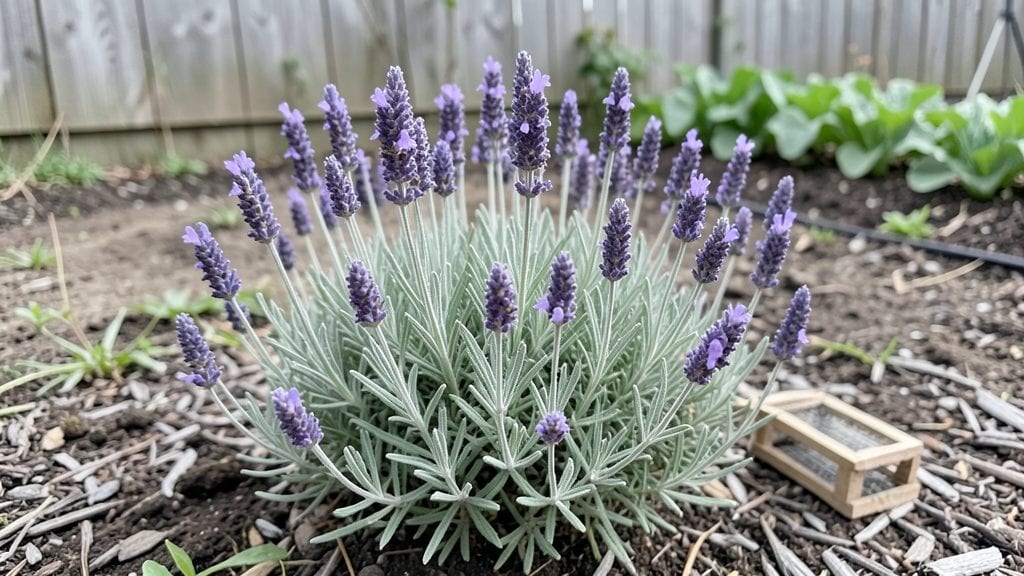
Mice-deterrent plants saved my spring garden from becoming a chew toy last year. 🌱 I’d lost count of the holes in my seed packets and the gnawed stems on my peonies—until I planted a border of mint, lavender, and daffodils.
The difference was immediate: no more midnight snack raids, no more shredded leaves, and no more feeling like my garden was a rodent buffet.
The secret isn’t just picking the right plants—it’s where you put them. Mice hate strong scents, so plant mint near entry points or along fences. Daffodils and alliums work best in high-traffic areas where mice might scurry.
Even a few pots of lavender on your patio can keep them from wandering closer. These plants aren’t just pretty; they’re your garden’s first line of defense, and they’ll last for years with minimal upkeep.
By summer, you’ll notice fewer droppings in your compost pile and zero missing bulbs. The plants themselves thrive—mint spreads into a fragrant ground cover, lavender attracts pollinators, and daffodils return year after year.
It’s a win-win: your garden stays intact, and you get free pest control that looks good doing it. The best part? No traps, no poison, just nature’s way of keeping things in balance.
Works in containers, borders, or even window boxes—just keep them accessible for you and inescapable for mice. If you’ve ever woken up to find your hard work half-eaten, this is the solution you’ve been waiting for. Let’s get your garden back from the rodents, naturally.
What Attracts Mice Indoors
Mice don’t just wander into your home by accident—they’re drawn by a mix of food, shelter, and environmental cues. Understanding these triggers is the first step in choosing the right mice deterrent plants and strategies to keep them out. Here’s why these tiny invaders show up in the first place:
Mice are omnivores with a voracious appetite, and their diet isn’t picky. Even small crumbs or spills can signal a potential food source. Here’s what makes your space irresistible to them:
- Stored Food: Pantries, pet food bowls, and even unsealed trash cans emit smells that mice can detect from up to 30 feet away. A single grain of cereal or a dropped seed can trigger their foraging instincts.
- Pet Food: Dry kibble, birdseed, and even wet pet food left out overnight are like an all-you-can-eat buffet. Mice can consume up to 3 grams of food per day—about their body weight—and they’ll return night after night for more.
- Garbage Odors: Organic waste (fruit peels, meat scraps, or greasy takeout containers) releases volatile compounds that mice associate with easy meals. A poorly sealed trash bin is an open invitation.
- Sugary or Greasy Residues: Sticky spills from soda, syrup, or cooking oils don’t just attract ants—they also leave scent trails that mice follow. Even a dried-on spot can be enough to pique their interest.
💡 Pro Tip: Store food in airtight containers made of metal or thick plastic. Mice can chew through cardboard or thin plastic, but they can’t penetrate sealed glass or metal.
Mice seek out warm, hidden spaces to nest, especially during colder months. Your home provides the perfect conditions:
- Clutter and Dark Corners: Stacks of newspapers, cardboard boxes, or unorganized storage create ideal hiding spots. Mice prefer nests made from soft materials like shredded paper, fabric, or insulation—all of which are often found in basements or attics.
- Gaps and Entry Points: A quarter-sized hole is enough for a mouse to squeeze through. They target gaps in walls, vents, or even loose-fitting doors. Once inside, they’ll explore further, using their whiskers to navigate tight spaces.
- Insulation and Wall Voids: Homes with fiberglass or cellulose insulation offer mice a cozy, draft-free environment. They’ll gnaw through drywall or baseboards to create nesting chambers, often near heat sources like furnaces or water pipes.
🔥 Actionable Fix: Seal entry points with steel wool and caulk—mice can’t chew through steel, and caulk fills gaps smaller than ¼ inch. Focus on areas like:
- Baseboards and door thresholds
- Vents and utility lines
- Cracks in foundations or siding
Mice are highly sensitive to their surroundings, and certain conditions make your home even more appealing:
- Warmth: Mice are active year-round but seek consistently warm areas (70–75°F) to survive cold snaps. Attics, crawl spaces, and near appliances (like refrigerators or water heaters) become prime real estate.
- Moisture Sources: Damp areas like basements, bathrooms, or kitchens attract mice because they need constant water. Leaky pipes, pet water bowls, or even houseplants with overwatered soil can become gathering spots.
- Seasonal Migration: In fall, mice prepare for winter by seeking shelter indoors. Their population peaks in late summer and early autumn as they search for food and nesting sites before hibernation-like torpor sets in.
✨ Prevention Tip: Reduce moisture by fixing leaks, using dehumidifiers in basements, and storing firewood at least 20 feet away from your home. Mice use piles of wood as highways to enter structures.
Mice are social creatures that rely on pheromones and scent marking to communicate. If one mouse finds a food source, others will follow:
- Pheromone Paths: Mice leave scent trails using their whiskers and feet to mark safe routes. If you spot droppings or gnaw marks, assume more mice will follow the same path.
- Nesting Materials: Chewed-up fabrics, shredded paper, or even pet fur left behind by one mouse signals to others that the area is safe and resource-rich.
- Noise and Vibrations: Mice are sensitive to sounds and movements. A squeaky floorboard or rustling paper can alert them to human activity, but they’ll still investigate if food is nearby.
🎯 Long-Term Strategy: Disrupt scent trails by cleaning up droppings, sealing food sources, and using natural deterrents like mice-repelling plants (e.g., peppermint or lavender) near entry points. The strong scents mask attractive odors and confuse their navigation.
Natural Ways To Keep Mice Away
If mice have already invaded your space—or you’re determined to prevent their arrival—planting mice-repelling flora is a smart, chemical-free strategy. But how do you make it work effectively? Below, we’ll map common causes of rodent infestations to practical green solutions
Mice squeeze through tiny gaps (as small as a dime!) and nest in cluttered areas. Solution: Combine deterrent plants with physical barriers. ✨ Pro Tip: Refresh plants every 2–3 months to maintain potency. Dry herbs (like crushed bay leaves) in small sachets near cabinets also work! Mice are drawn to crumbs, pet food, and compost piles. Solution: Remove temptations while redirecting their attention. 💡 Quick Fix: Sprinkle cayenne pepper around baseboards (reapply after rain). It’s harmless to pets but deters rodents. Mice love dark, cozy spots like piles of leaves, wood stacks, or unkempt shrubs. Solution: Make your space uninviting. 🔥 Warning: Avoid mulch near foundations—it provides nesting material. Opt for gravel or cedar chips (mice dislike the scent). Mice adapt quickly, so rotate your deterrents to stay ahead. 🎯 Final Checklist:
✅ Inspect for gaps quarterly.
✅ Refresh plant potency every 3 months.
✅ Keep outdoor spaces tidy and well-lit. By combining smart landscaping with proactive maintenance, you’ll create a mouse-proof zone—naturally. 🚫🐭
Frequently asked questions
Which repellent plants work best for mice in containers?
Peppermint, lavender, and catnip thrive in pots and release strong scents that mice dislike. Place them near entry points like doors or windowsills. For maximum effect, refresh the plants every 2-3 months—dried herbs in sachets also work well.
Do mice deterrent plants work year-round?
Most plants like mint and rosemary are effective in warm months, but some—such as wintergreen or rue—work better in fall/winter. Rotate your plants seasonally for continuous protection. Evergreens like boxwood also provide year-round deterrence.
Can I use these plants near vegetable gardens?
Plants like basil, marigolds, and lemongrass repel mice while benefiting your veggies. Just avoid planting mint too close to vegetables—it spreads aggressively. Use containers for better control.
What if mice ignore my deterrent plants?
Combine plants with physical barriers like steel wool (for gaps) and remove food sources. Mice may still explore, but strong scents + clean spaces make your yard less appealing. Try adding motion-activated lights near problem areas for extra deterrence.
Are there any plants that attract mice instead?
Yes—corn, wheat, and sunflower seeds lure mice with their scent and texture. Avoid planting these near your home or deterrent plants. If you grow them, harvest promptly and store seeds in airtight containers.