
Companion Plants
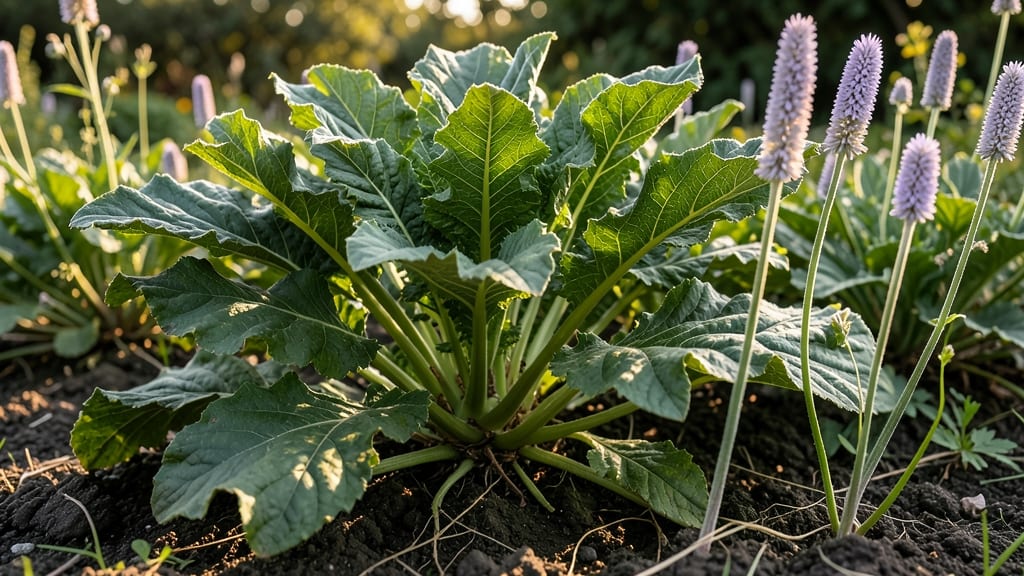
Want to maximize your mullein's benefits while creating a thriving, pest-resistant garden? These 10 companion plants enhance pollination, deter pests, and improve soil health when planted alongside mullein, turning your garden into a self-sustaining ecosystem.
Borage for Pest-Repelling and Soil Enrichment
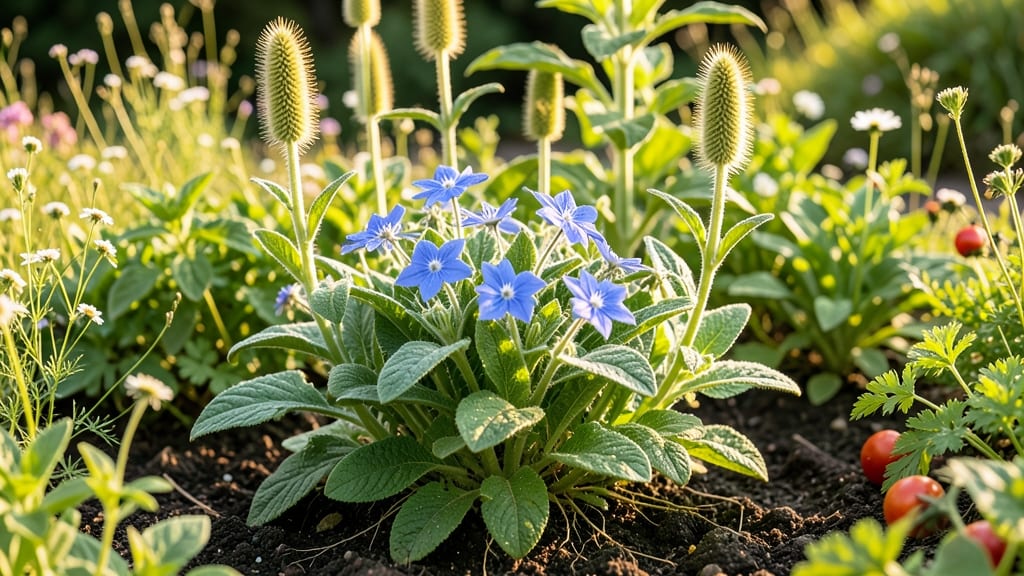
If you’re tired of battling tomato hornworms and cabbage moths, borage is your secret weapon—while also boosting mullein’s medicinal magic. This edible annual repels pests naturally and fixes nitrogen in the soil, giving mullein a nutrient-rich environment to thrive.
Plant borage alongside mullein in full sun (6+ hours daily) and watch bees flock to its star-shaped blue flowers. The plant’s strong scent masks other crops, confusing pests like cabbage moths. For best results, sow seeds directly in spring after the last frost, spacing them 12-18 inches apart to allow airflow and prevent fungal issues.
This dynamic duo is ideal for medicinal gardeners and organic growers—borage’s pest-repelling powers and soil enrichment create a self-sustaining system that reduces chemical inputs while enhancing mullein’s respiratory benefits. 💡
Calendula for Natural Pest Control
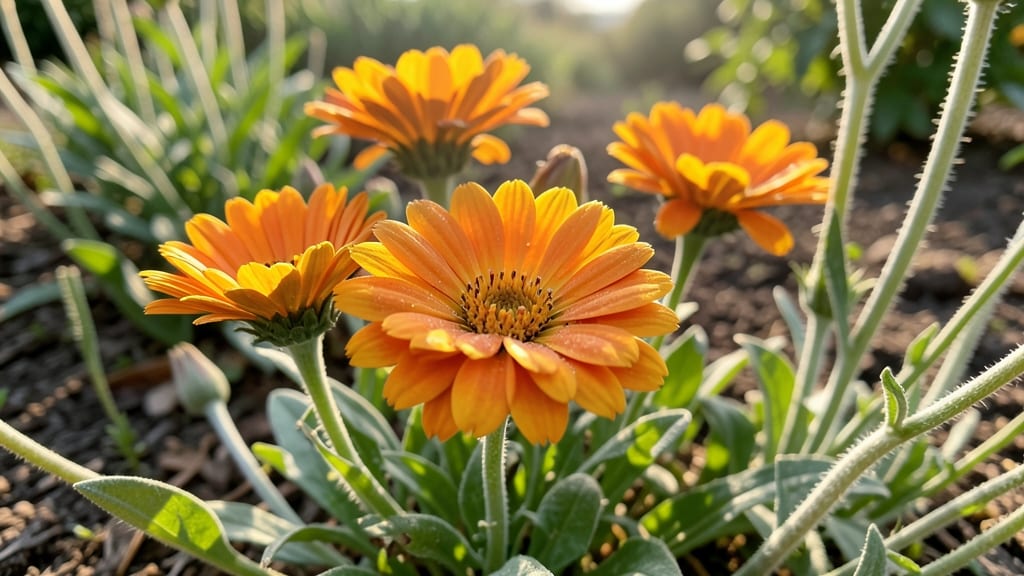
Looking for a doubly useful companion that fights pests and adds beauty to your garden? Calendula is your answer—its bright blooms repel aphids while smothering fungal spores, protecting your mullein's delicate leaves.
This cheerful annual thrives in full sun and well-drained soil, producing edible petals that taste mild and peppery. Plant seeds directly after the last frost, spacing them 12-18 inches apart for optimal airflow. The flowers also attract pollinators like bees and hoverflies, creating a balanced ecosystem around your mullein.
Perfect for beginner gardeners or those seeking low-maintenance pest control, calendula’s vibrant hues and medicinal properties make it a standout companion. 🌻
Dill for Beneficial Insect Attraction
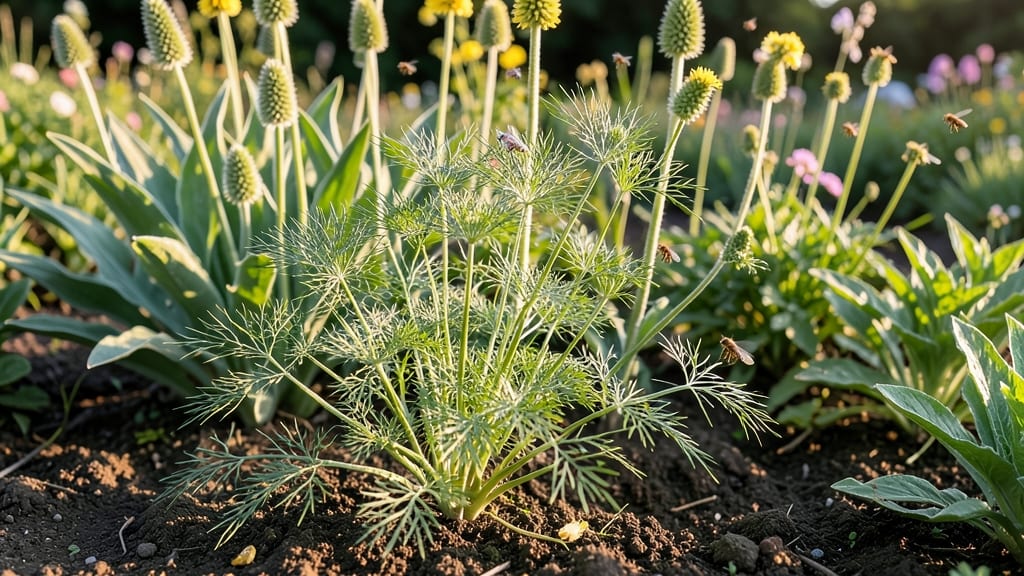
If you’re looking to turn your garden into a natural pest-control powerhouse, dill is your secret weapon. This feathery herb doesn’t just add flavor to your kitchen—it lures in parasitic wasps, tiny allies that hunt and devour garden pests like cabbage moths and aphids, all while mullein’s tall stalks stand guard nearby.
Plant dill near your mullein in full sun to partial shade, and watch as its delicate white flowers become a magnet for beneficial insects. The best part? You’ll harvest fresh dill for soups and salads while the wasps work overtime to protect your garden. Just avoid overcrowding—space plants 12-18 inches apart to ensure both thrive.
This pairing is ideal for herb gardeners and eco-conscious growers who want to reduce chemical pesticides while boosting their harvest. 🌻
Thyme for Soil Health and Pest Deterrence
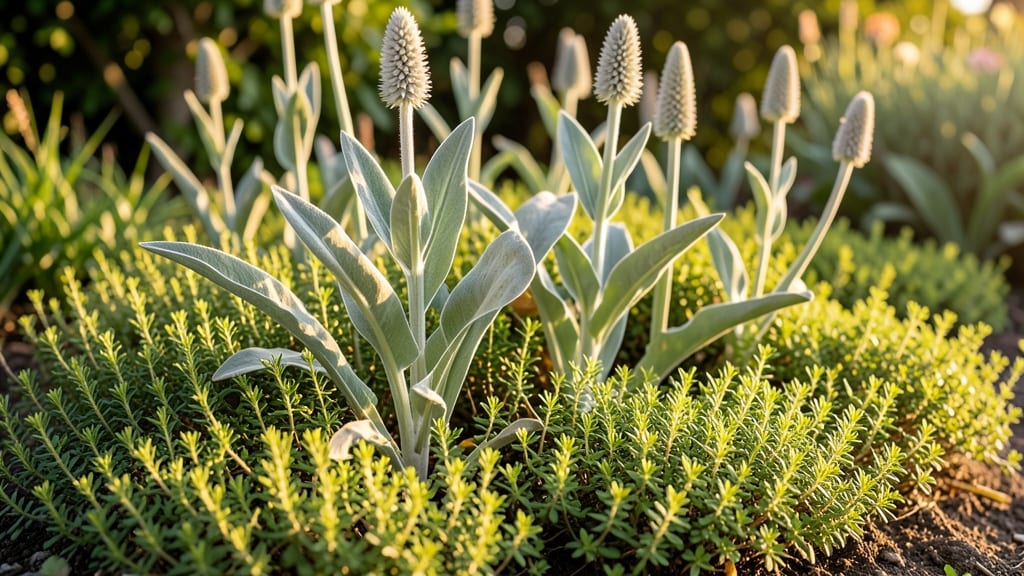
Looking for a low-maintenance way to protect your mullein while boosting soil quality? Thyme is the unsung hero of ground covers—its dense, fragrant foliage smothers weeds, repels cabbage worms, and even improves drainage around mullein’s deep taproots.
Plant thyme varieties like lemon thyme or creeping thyme in a 12-inch border around your mullein to create a natural, aromatic barrier. Its drought-tolerant nature means less watering, and its slow spread won’t compete with mullein’s towering growth. Plus, the scent deters pests without harsh chemicals.
This pairing is perfect for rock gardens, borders, or container edges where you want both beauty and function. Your mullein will thrive while thyme keeps weeds and pests at bay—nature’s dual-purpose solution! 🌿
Chamomile for Calming Garden Vibes
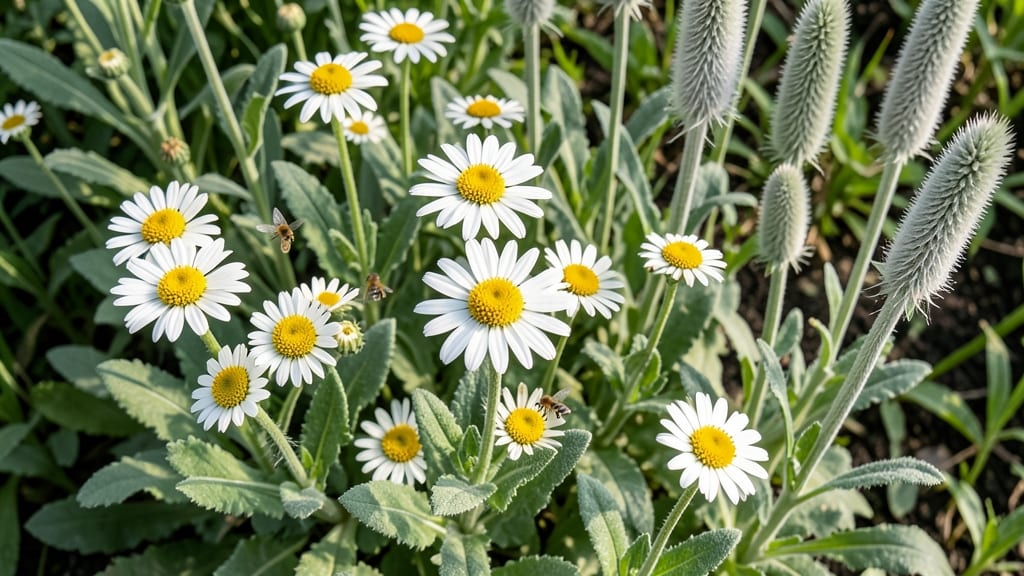
Transform your garden into a serene sanctuary with chamomile—this delicate herb doesn’t just smell like a cup of tea, it actively deters pests like slugs and aphids while inviting pollinators like bees and hoverflies. Its gentle, daisy-like blooms create a soft contrast to mullein’s tall, fuzzy stems, turning your medicinal garden into a peaceful retreat.
Plant chamomile in full sun to partial shade, where it thrives in well-draining soil. The key to its pest-deterring magic lies in its fragrant foliage—simply brushing against the leaves releases compounds that repel unwanted critters. For maximum benefit, interplant it around mullein’s base, where its low-growing habit won’t compete for space but will create a protective barrier.
This pairing is perfect for gardeners seeking both functional benefits and a tranquil atmosphere. The calming scent of chamomile enhances mullein’s natural stress-relieving properties, making your garden not just productive, but a true escape. 🌿
Nasturtium for Trap Cropping and Pollinators
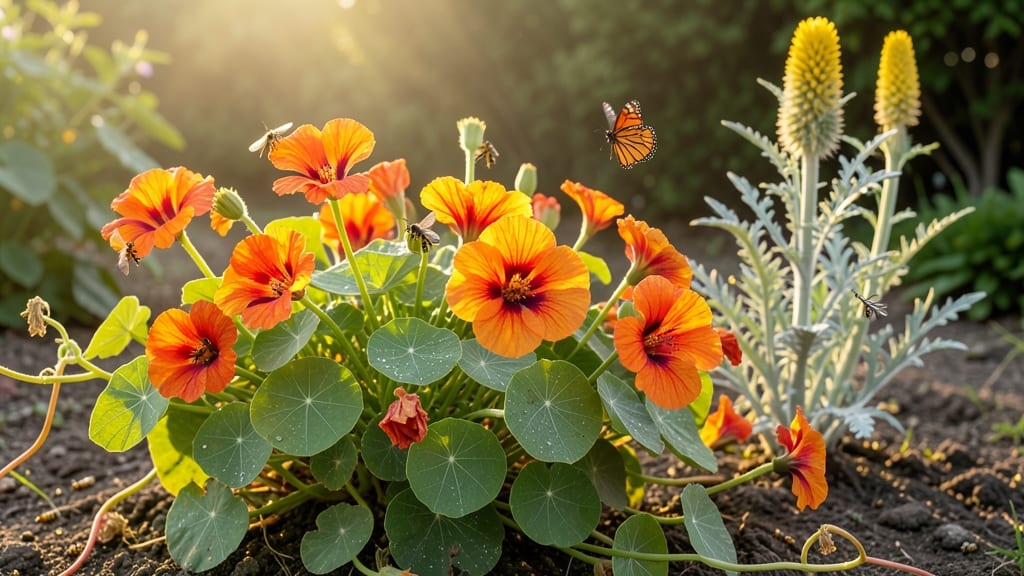
Looking for a two-in-one solution that repels pests and feeds pollinators? Nasturtium is your secret weapon—this edible, vibrant annual acts as a trap crop for aphids, luring them away from your prized mullein while its bright blooms draw bees, butterflies, and hoverflies to your garden.
Plant nasturtium at the edges of your mullein patch, where its succulent leaves become a buffet for aphids, sparing your medicinal plants. The orange, red, or yellow flowers are not only stunning but also edible—add them to salads or garnishes for a peppery kick. For best results, sow seeds directly after the last frost in full sun to partial shade, and watch as this hardy annual blooms from early summer until frost.
Urban gardeners and beginners will love how low-maintenance nasturtium is—it thrives in containers and deters pests without chemicals, making it a perfect addition to any medicinal or pollinator-friendly garden. 🌻
Lavender for Aromatic Pest Repellent
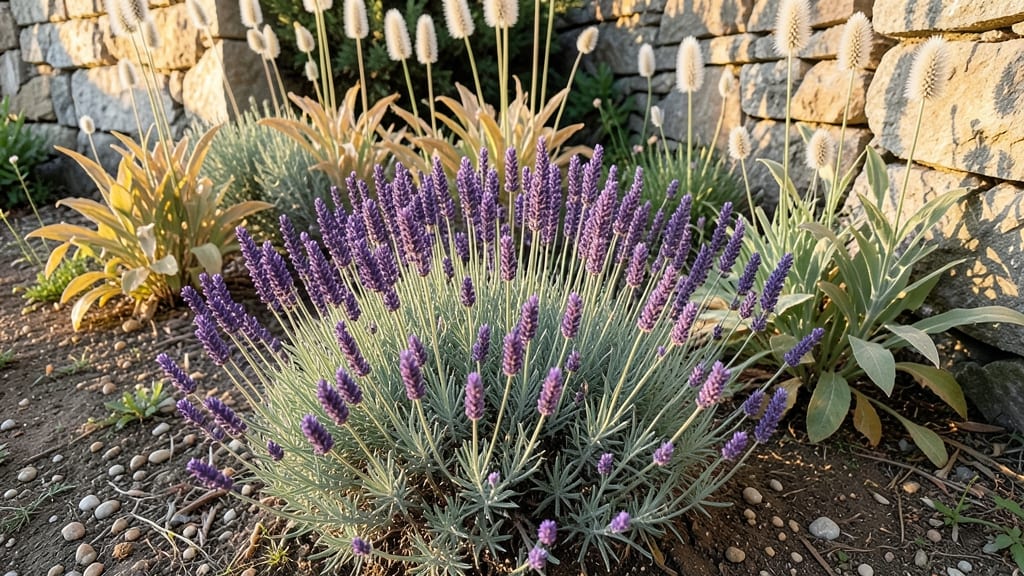
Transform your garden into a fragrant fortress against pests with lavender, a powerhouse companion for mullein that deters moths, fleas, and even mosquitoes while filling the air with its signature scent. Unlike other pest-repellents, lavender also attracts bees, making it a dual-purpose ally for both pollinators and your peace of mind.
Plant English lavender or French lavender in full sun with well-draining soil, spacing them 18-24 inches apart to allow airflow and prevent fungal issues. Their drought-tolerant nature means less watering once established, and their upright growth habit won’t compete with mullein’s towering stems. Snip spent blooms to encourage continuous flowering from early summer through fall.
This aromatic pairing is perfect for gardeners who want to enjoy both the medicinal benefits of mullein and the sensory pleasure of walking through a fragrant border. Plus, lavender’s pest-deterring properties extend beyond the garden bed, keeping your patio and home more comfortable during warm evenings. 🌿
Marigold for Fungal Disease Prevention
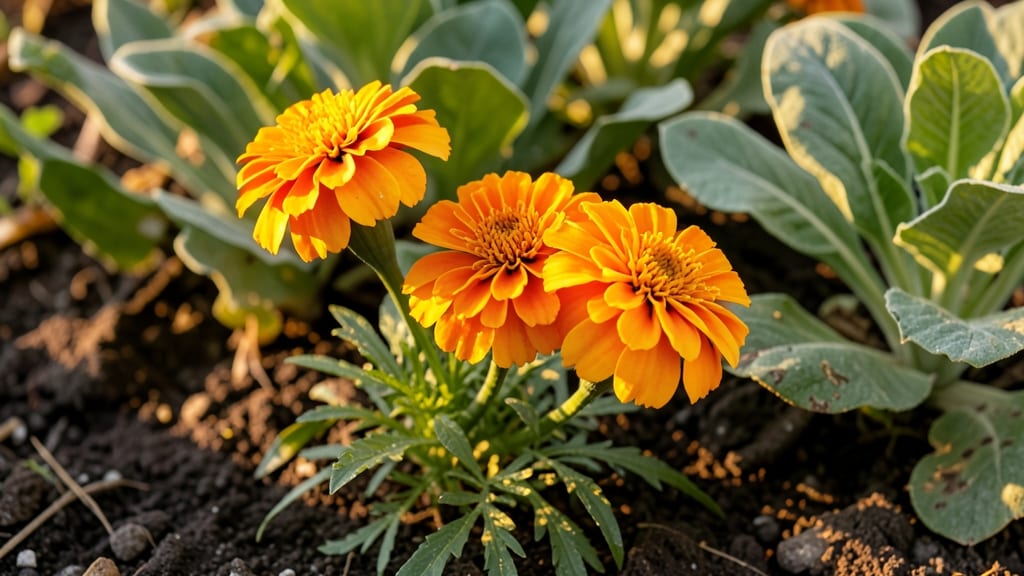
If you've ever struggled with fungal diseases ruining your mullein plants, marigolds are your secret weapon. These cheerful orange and yellow flowers don’t just add color—they release natural chemicals called thiophenes, which inhibit fungal spores from taking hold in the soil.
Plant French marigolds (like 'Bonanza' or 'Tangerine') around your mullein’s base to create a protective barrier. Their bright blooms also attract hoverflies, which devour garden pests like aphids and whiteflies, giving your mullein an extra layer of defense. For best results, space marigolds 12–18 inches from mullein stems to avoid shading.
This dynamic duo is perfect for gardeners who want low-maintenance disease prevention without synthetic fungicides. Marigolds thrive in full sun and well-draining soil, making them easy to integrate into any mullein bed. 🌻
Yarrow for Pollinator Magnet and Soil Improvement
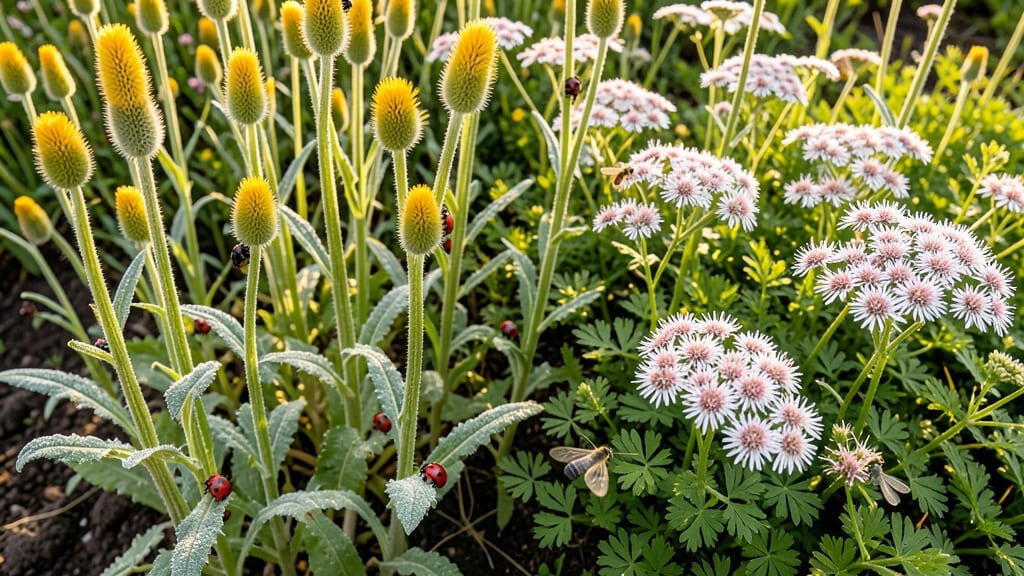
If you want to turn your mullein patch into a buzzing hub for beneficial insects while boosting soil health, yarrow is your secret weapon. This hardy perennial doesn’t just attract pollinators—it lures in ladybugs and lacewings, natural predators that keep pests like aphids and mites in check near your deep-rooted mullein.
Yarrow thrives in poor, well-drained soil and improves drainage over time, preventing waterlogged roots that can stress mullein. Its feathery foliage also creates shade at the base of mullein stems, reducing moisture loss. Plant yarrow in clusters around the edges of your mullein bed for maximum impact—its drought-tolerant nature makes it low-maintenance once established.
This dynamic duo is ideal for gardeners who want to reduce chemical inputs while creating a self-sustaining ecosystem. The more yarrow you plant, the more beneficial insects will visit, indirectly protecting your mullein’s medicinal properties. 🌿
Comfrey for Dynamic Accumulator Benefits

If your garden feels like it’s struggling to hold onto nutrients, comfrey is the powerhouse you need. This hardy perennial acts as a dynamic accumulator, pulling minerals like potassium, calcium, and phosphorus from deep soil layers and making them available to your mullein and neighboring plants.
Plant comfrey near mullein to create a nutrient-rich zone—its broad leaves can be chopped and dropped as living mulch, suppressing weeds while feeding the soil. Plus, its strong scent deters blackfly, a common pest for both plants. For best results, let it self-seed or divide clumps every few years to maintain vigor.
Perfect for perennial beds or as a border plant, comfrey transforms struggling soil into a thriving ecosystem. It’s especially valuable for gardeners who want to reduce synthetic fertilizers while boosting plant resilience. 🌿