
Watering
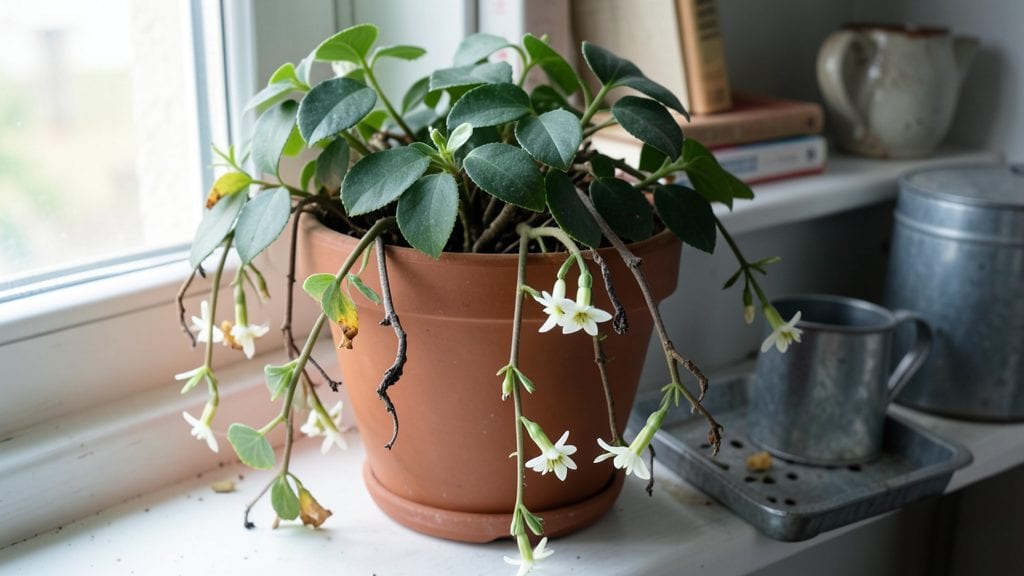
This overwatered jasmine plant’s sad, drooping leaves and yellowing edges scream one thing: too much water—yet I’ve nursed more back to life than I can count, and the fix is simpler than you think. The key is stopping the waterlogging ASAP and giving those roots room to breathe again.
First, check the soil—if it's soggy two inches down, you've got root rot starting. Gently remove the plant (if in a pot) and trim any mushy, black roots with clean scissors.
Then, repot into fresh, well-draining mix with perlite or sand to prevent future sogginess. Water only when the top inch feels dry, and use a pot with drainage holes.
Within two weeks, you'll see fresh green leaves pushing out as the roots recover. Keep it in bright, indirect light and avoid letting the soil stay wet longer than 48 hours. The fragrance you love will return stronger than ever—jasmine rewards patience with those intoxicating blooms.
This works for both potted jasmines and those growing in garden beds. For in-ground plants, improve drainage by amending the soil with compost and creating a slight mound around the base. Prevention is just about checking soil moisture before watering—your jasmine will thank you for it.
Why it happens
If your jasmine plant is looking more like a soggy sponge than a lush, fragrant beauty, overwatering is likely the culprit. 🌧️🌱 Understanding the root causes (literally!) of this issue helps you fix it fast. Let’s break down why your jasmine might be drowning in its own pot.
💧 Poor Drainage in the Pot
Jasmine plants hate sitting in waterlogged soil. Without proper drainage, excess water pools at the bottom of the pot, suffocating the roots. This creates an anaerobic environment—meaning oxygen can’t reach the roots, leading to:
- Root rot: Fungal pathogens like Phytophthora thrive in waterlogged conditions, breaking down root tissue.
- Yellowing leaves: The plant can’t absorb nutrients, causing chlorosis (loss of chlorophyll).
- Stunted growth: Roots starved of oxygen can’t support new foliage or flowers.
Actionable fix: Always use pots with drainage holes and a well-draining soil mix (e.g., 60% potting soil, 30% perlite, 10% sand).
🌡️ Inconsistent Watering Habits
Jasmine plants prefer consistency over excess. Overzealous watering—especially if you’re on a strict schedule without checking soil moisture—leads to:
- Compacted soil: Frequent watering without drying periods prevents air pockets, trapping moisture.
- Salt buildup: Tap water minerals accumulate in the soil, creating a toxic environment for roots.
- Weak root structure: Roots grow shallowly when always wet, making the plant vulnerable to stress.
Actionable fix: Water only when the top 1–2 inches of soil are dry. Use a moisture meter or the "finger test" for accuracy.
🏠 Indoor Environmental Factors
Indoor jasmine (like Jasminum polyanthum) is especially prone to overwatering because indoor air is less humid and warmer than outdoors. However, these conditions can backfire:
- Evaporation mismatch: Pots near heaters or AC vents dry out unevenly, tricking you into overwatering.
- Humidity traps: High indoor humidity (e.g., bathrooms) can slow evaporation, keeping soil damp longer than expected.
- Small pots = fast saturation: Compact containers hold moisture longer, amplifying the risk.
Actionable fix: Move plants away from vents, use a humidity tray (not direct misting), and upgrade to a slightly larger pot if roots are crowded.
🌧️ Rain or Overhead Watering
Outdoor jasmine (Jasminum officinale) can suffer if you:
- Water directly onto leaves, causing fungal diseases like powdery mildew.
- Ignore natural rainfall, leading to double the moisture the plant needs.
- Use a spray nozzle that saturates the soil deeply but infrequently.
Actionable fix: Water at the base of the plant in the morning, and avoid watering 24 hours before rain if outdoors.
🌱 Choosing the Wrong Soil Mix
Heavy, clay-based soils or peat-heavy potting mixes retain water like a sponge. Jasmine roots need aeration to breathe, so poor soil choices lead to:
- Slow drainage: Water sits instead of draining, promoting rot.
- Nutrient leaching: Excess water washes away essential minerals.
- Root suffocation: Compacted soil blocks oxygen flow.
Actionable fix: Amend soil with organic matter (compost, coconut coir) and inorganic grit (perlite, vermiculite) for balance.
Revive Your Plant with These Fixes
Now that you know the signs and causes of an overwatered jasmine plant, let’s roll up our sleeves and bring it back to life! The good news? Jasmines are resilient, and with the right care, they’ll bounce back stronger than ever.
Below are step-by-step solutions tailored to the most common causes of overwatering, plus prevention tips to keep your plant thriving long-term.
🌱 Fix Yellowing Leaves (Too Much Water in Soil)
If your jasmine’s leaves are yellowing or dropping, the roots are likely suffocating from soggy soil. Here’s how to rescue it:
1️⃣ Stop Watering Immediately
🔥 Pause all watering for at least 3–5 days to let the soil dry out. This gives the roots a chance to recover and prevents further rot.
2️⃣ Check the Soil Moisture
👨🍳 Stick your finger 1–2 inches into the soil—if it’s damp, wait longer. Jasmines prefer well-draining soil and can’t tolerate soggy conditions.
3️⃣ Repot in Fresh, Dry Soil (If Needed)
🥘 If the roots smell foul or look mushy, your plant needs a fresh start:
- Gently remove it from the pot and trim any black or soft roots with clean scissors.
- Repot in a container with drainage holes and use a light, airy potting mix (like a blend of peat, perlite, and sand).
- Water lightly only after a few days to avoid shocking the roots.
💡 Prevention Tip:
✨ Water only when the top 1–2 inches of soil are dry—jasmines prefer moderate moisture, not constant wetness. A moisture meter can help track soil conditions accurately.
🍂 Fix Drooping or Wilting Stems (Root Rot or Stress)
If your jasmine’s stems are floppy or weak, root rot may be setting in. Act fast to save it!
1️⃣ Trim Damaged Foliage
🔪 Snip off yellow, brown, or mushy leaves to redirect the plant’s energy to healthy growth. Use sterilized pruning shears to avoid spreading disease.
2️⃣ Improve Airflow & Light
🌡️ Move your jasmine to a brighter spot (but avoid direct scorching sun) and increase airflow by spacing plants apart or using a small fan (gently!).
3️⃣ Adjust Watering Habits
💧 Switch to a watering schedule—jasmines need water only when the topsoil is dry. In winter, reduce watering to once every 2–3 weeks.
💡 Prevention Tip:
🎯 Use a pot with drainage holes and a well-aerated soil mix to prevent waterlogging. If your plant is in a decorative cache pot, place it in a saucer with pebbles to catch excess water.
🍃 Fix Stunted Growth or No Flowers (Overwatering + Poor Nutrition)
If your jasmine is growing slowly or refusing to bloom, it might be stressed from overwatering and nutrient deficiency.
1️⃣ Fertilize Lightly (But Correctly)
📊 Use a balanced, water-soluble fertilizer (like 10-10-10) diluted to half-strength every 4–6 weeks in spring and summer. Avoid fertilizing if the soil is still damp.
2️⃣ Prune for Better Airflow & Light
✂️ Trim back overgrown branches to encourage bushier growth and better airflow. This also helps the plant focus energy on flowering.
3️⃣ Ensure Proper Drainage
🏗️ If your pot lacks drainage, consider repotting into one with holes or adding perlite/pumice to the soil mix to improve drainage.
💡 Prevention Tip:
🌿 Jasmines bloom best with bright, indirect light—place it near a window (but not in harsh afternoon sun). If indoors, supplement with a grow light in winter.
⚠️ Emergency Care: Severe Root Rot
If your jasmine’s roots are completely black, mushy, and smelly, it’s in critical condition. Don’t give up—try this last-resort fix:
1️⃣ Root Pruning & Hydrogen Peroxide Soak
🧴 Trim all rotted roots, then soak the remaining healthy roots in a 3% hydrogen peroxide solution (1 part peroxide to 4 parts water) for 10 minutes to kill fungus.
2️⃣ Repot in Sterilized Soil
🌱 Use a fresh pot with sterilized potting mix (or bake old soil in the oven at 200°F for 30 minutes to kill pathogens). Add sulfur or fungicide to prevent reinfection.
3️⃣ Adjust Care Routine
🌡️ Keep the soil barely moist for the first month and avoid fertilizing until new growth appears. Place the plant in bright, indirect light and high humidity (like a humidity tray).
🌟 Final Pro Tips for Long-Term Success
- Test your soil every few months with a moisture meter or by doing the finger test.
- Mulch lightly (with bark or coconut coir) to retain moisture without suffocating roots.
- Rotate your plant every few weeks to ensure even light exposure on all sides.
- Watch for pests (like aphids or spider mites) that thrive on stressed plants—neem oil is a great organic treatment!
With these fixes, your jasmine should perk up within 2–4 weeks. Stay patient, adjust your watering habits, and soon you’ll be enjoying lush, fragrant blooms again! 🌸
Frequently asked questions
How do I know if my jasmine plant is truly overwatered?
Check for drooping leaves, yellowing or mushy stems, and soil that smells foul or feels soggy even an inch below the surface. Overwatered plants often have blackened roots when gently removed from the pot. If you see these signs, act fast—stop watering immediately and let the soil dry out.
Can I save my jasmine if the roots are already rotting?
Yes! Trim all mushy, black roots with clean scissors and soak the remaining healthy roots in a 1:4 hydrogen peroxide solution for 10 minutes. Repot in fresh, well-draining soil and avoid watering for 3-5 days to prevent further rot. Patience is key—new growth should appear within 2-4 weeks.
Why does my jasmine keep wilting even after reducing water?
Wilting can also signal root rot or poor drainage in your pot. Ensure your container has drainage holes and use a mix of potting soil, perlite, and sand for better airflow. Move the plant to bright, indirect light and avoid cold drafts, which can stress the roots further.
How often should I water my jasmine after reviving it?
Wait until the top 1-2 inches of soil are completely dry before watering again—this usually means once every 7-10 days indoors. In winter, reduce frequency to every 2-3 weeks. Always water at the base of the plant to avoid wetting leaves, which can attract pests.
Can I use tap water for my jasmine, or should I switch to filtered?
Tap water is fine for most jasmines, but if yours is sensitive, let it sit out for 24 hours to allow chlorine to evaporate. For stubborn overwatering issues, consider using rainwater or distilled water occasionally to reduce mineral buildup in the soil.