
Companion Plants
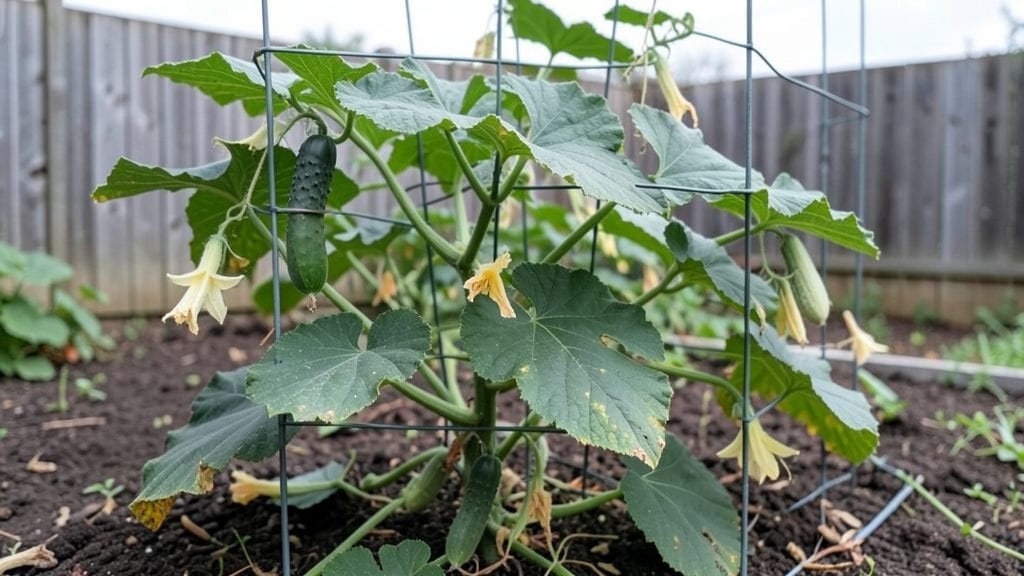
Patio cucumber plants can go from seed to salad in just 60 days—that’s two months of fresh, homegrown fruit from a tiny space. I’ve grown them on balconies, fire escapes, and even windowsills, and the key isn’t fancy setups but matching the right variety to your container and sunlight.
The first time I saw vines twist around a trellis while cucumbers dangled just inches from my kitchen door, I knew I’d never buy them again.
Start with bush varieties like ‘Bush Champion’ or ‘Spacemaster’ if you’re tight on room—they stay compact but still produce 20-30 pounds of cucumbers per plant. A 5-gallon container is the minimum, with drainage holes and a sturdy trellis to keep vines off the ground.
Soil should be light, rich, and amended with compost—cucumbers hate soggy roots but love to drink. Place them where they’ll get 6-8 hours of sun daily, and watch those vines climb.
You’ll harvest crisp, vine-ripened cucumbers in 4-6 weeks after flowering, with each plant yielding enough for 4-6 people all season. The secret to fast growth? Consistent watering—keep soil moist but not waterlogged—and a weekly dose of balanced fertilizer.
Prune regularly to encourage airflow, and you’ll avoid powdery mildew while maximizing fruit production. Those first green cucumbers hanging from your balcony will change how you think about small-space gardening.
Works for any patio, balcony, or sunny windowsill—even in Zone 3 with the right varieties. The only real challenge is trellising, but a simple A-frame or spiral trellis solves that. Once you’ve mastered the basics, you can experiment with heirlooms or pickling cucumbers next season. Let’s get those vines growing!
📚 In This Guide
- What you need
- Instructions
- Tips and common mistakes
- Wrapping up and next steps
What you need
- ● Cucumber seeds or seedlings: Choose patio-friendly varieties like ‘Bush Champion’ or ‘Spacemaster’ (2–4 plants per container).
- ● Containers: 5-gallon pots or larger (at least 12–18 inches deep) with drainage holes. Pro tip: Use fabric grow bags for better aeration!
- ● Potting mix: Lightweight, well-draining blend (avoid garden soil). Aim for 2–3 cubic feet per container.
- ● Compost or fertilizer: Balanced 10-10-10 or organic options like worm castings (1 cup per plant).
- ● Trellis or cage: 4–6 feet tall (bamboo stakes or net trellises work great).
- ● Watering can or hose: With a gentle spray nozzle for consistent moisture.
- ● Gloves & trowel: For planting and soil prep.
- ● Pruning shears: To trim vines and encourage bushier growth.
- ○ Mulch (optional): Straw or shredded leaves to retain moisture.
- ○ Support ties (optional): Soft plant ties for securing vines to trellises.
- ○ Shade cloth (optional): 30–50% coverage for hot climates.
Step-by-step instructions for growing patio cucumber plants
Here's how to cultivate vigorous, high-yielding cucumber vines in containers—ready for harvest in just 6-8 weeks.
Select and Prepare Containers for Optimal Growth
Choose 5-gallon fabric grow bags or large plastic pots with drainage holes—cucumbers need deep roots and plenty of space. Fabric pots allow roots to breathe and reduce transplant shock when moving outdoors. If using standard pots, ensure they're at least 12 inches deep and 18 inches wide to accommodate sprawling roots and trellising.
Fill containers with high-quality potting mix enriched with compost—this ensures excellent drainage while retaining moisture. Avoid garden soil, which compacts in containers and stunts root growth. I like to mix in a handful of worm castings at the bottom for extra microbial activity that boosts early root development. Pack the mix firmly but not tightly, leaving 2 inches of space at the top for watering.
Plant Seeds or Transplants at the Right Time
Sow seeds 4-6 weeks before your last frost date indoors or directly in containers when soil reaches 60°F. For faster results, buy 4-inch transplants from a nursery and plant them 1-2 inches deeper than their current soil line—this encourages stronger root development. Space plants 12-18 inches apart in larger containers or 2 plants per 5-gallon bag to prevent overcrowding.
Press the soil gently around the roots to eliminate air pockets, then water deeply until moisture seeps from the drainage holes. This ensures roots make immediate contact with damp soil. If planting seeds, place 2-3 seeds per pot and thin to the strongest seedling once true leaves appear—this gives you a backup in case of germination failure.
Provide Support and Train Vines Early
Install a 4-foot trellis or tomato cage immediately after planting to encourage vertical growth and improve airflow, which reduces disease risk. Cucumbers are vigorous climbers, and training them early prevents sprawling vines that take over your patio. I use soft plant ties to loosely secure the main stem to the trellis, leaving room for the vine to thicken as it grows.
Watch for tendrils—these curly growths indicate where the vine will naturally attach. Gently guide these tendrils around the trellis wires instead of tying them manually. This method creates a stronger, self-supporting structure. Prune any side shoots that form below the first 6 inches of growth to direct energy upward and toward fruit production.
Maintain Consistent Water and Nutrients for Fast Growth
Water deeply every 2-3 days, aiming for 1-2 gallons per plant—cucumbers need steady moisture to develop crisp fruit. Let the top inch of soil dry between waterings to prevent root rot, but never let the soil become bone-dry. I water in the early morning to reduce evaporation and fungal risks. Use a soaker hose or watering can with a narrow spout to deliver moisture directly to the root zone without wetting foliage.
Feed plants with a balanced liquid fertilizer (10-10-10) every 2 weeks once vines reach 2 feet tall. This ensures they have the nutrients needed for rapid vine and fruit development. Stop fertilizing 2 weeks before harvest to allow flavors to concentrate. Yellowing leaves or stunted growth? You’re likely overwatering or under-fertilizing—adjust accordingly.
Harvest at Peak Ripeness for Continuous Production
Pick cucumbers when they reach 6-8 inches long and have a firm, glossy skin—this encourages the plant to produce more fruit. Use clean pruning shears to cut stems, leaving a ¼-inch stub to prevent disease entry. I harvest every 2-3 days during peak production to keep the plant focused on new growth. Overripe cucumbers turn seedy and bitter, so don’t let them linger on the vine.
Remove any yellowed or diseased leaves immediately to improve airflow and reduce pests. With proper care, a single patio cucumber plant can yield 20-30 pounds of fruit over a 2-3 month harvest window. Save seeds from your best cucumbers by scooping out the pulp, rinsing the seeds, and drying them on a paper towel for future planting.
Tips & tricks for fast-growing patio cucumber plants
These proven techniques will help you cultivate vigorous cucumber vines that deliver bountiful harvests in record time—just as promised in the instructions.
Container Selection Matters: While the instructions specify 5-gallon fabric grow bags or large plastic pots, I've found that self-watering containers with built-in reservoirs can significantly reduce your maintenance workload. These systems maintain consistent moisture levels, which is critical for cucumbers that need steady hydration every 2-3 days. The extra stability also prevents tipping when vines become heavy with fruit. For maximum root development, ensure your container has at least 12 inches of depth—deeper roots translate directly to faster growth and higher yields.
Soil Preparation Secret: The instructions recommend mixing in worm castings, but I take this a step further by incorporating a slow-release organic fertilizer directly into the potting mix at planting time. This provides a steady nutrient supply that supports rapid vine development from day one. For containers larger than 5 gallons, you might want to add an extra handful of compost and worm castings—just be careful not to overpack the soil, as this can restrict root growth. The 2-inch space left at the top for watering is perfect for adding mulch later, which helps retain moisture and regulate soil temperature.
Early Training Accelerates Growth: Don't wait until the vines are sprawling to install your trellis—in Step 3, I recommend setting up support immediately after planting. This encourages vertical growth from the start, which is crucial for maximizing space in containers. When training vines, focus on guiding the main stem upward rather than tying every leaf to the trellis. The natural tendrils will do most of the work if you give them proper direction. Pruning side shoots below the first 6 inches is particularly important—this redirects the plant's energy toward fruit production rather than excessive foliage growth, which can actually slow down your harvest timeline.
Watering Strategy for Consistent Results: The instructions suggest watering deeply every 2-3 days, but I've found that using a moisture meter helps maintain the perfect balance between hydration and preventing root rot. Aim to keep the top inch of soil slightly dry between waterings, but never let it become completely bone-dry. For containers, I recommend watering at the base rather than overhead to prevent fungal diseases. If you notice the soil drying out faster than expected, it might be time to increase your watering frequency—cucumbers in containers can dry out more quickly than those in garden beds, especially in hot weather.
Pro Tips for Patio Cucumber Plants
- These proven techniques will help you cultivate vigorous cucumber vines that deliver bountiful harvests in record time—just as promised in the instructions.
- These systems maintain consistent moisture levels, which is critical for cucumbers that need steady hydration every 2-3 days.
- Soil Preparation Secret: The instructions recommend mixing in worm castings, but I take this a step further by incorporating a slow-release organic fertilizer directly into the potting mix at planting time.
Frequently asked questions
Got questions about growing patio cucumber plants?
You’re not alone! Here are answers to the most common queries—from timing to troubleshooting—so you can grow like a pro.
When is the best time to plant patio cucumber plants?
Cucumbers thrive in warm soil, so wait until after the last frost (typically late spring) when nighttime temps stay above 55°F (13°C). For container growing, use black or dark-colored pots to absorb heat—ideal for patios! Start seeds indoors 2–3 weeks earlier if your climate is chilly.
Can I grow cucumbers in containers on a patio?
Choose 5-gallon containers or larger (bigger = happier vines) with drainage holes. Use a lightweight potting mix rich in compost, and train vines up a trellis or cage to save space. Compact varieties like ‘Spacemaster’ or ‘Bush Champion’ are perfect for small patios.
How do I keep pests away from my patio cucumber plants?
Pests like aphids and cucumber beetles love cucumbers! Prevent them with row covers early on, or spray plants with neem oil. Encourage beneficial insects like ladybugs by planting marigolds nearby. Remove yellowed leaves promptly—they attract pests.
How often should I water patio cucumber plants?
Cucumbers need consistent moisture—about 1–2 inches per week. Water deeply in the morning to avoid fungal issues, and mulch around the base to retain moisture. Containers dry out faster, so check soil daily during heatwaves. Yellowing leaves? Often a sign of underwatering!
Why aren’t my cucumbers growing, even though the plant looks healthy?
Healthy-looking plants may still struggle due to pollination issues (hand-pollinate with a paintbrush if bees are scarce) or overcrowding. Thin vines to improve airflow, and ensure they get 6–8 hours of sunlight daily. Too much nitrogen? Switch to a balanced fertilizer (like 5-5-5) for better fruiting.
Wrapping up and next steps
Growing patio cucumber plants is a rewarding way to enjoy fresh, homegrown produce in even the smallest spaces! With the right variety, support, and care, you’ll be harvesting crisp, delicious cucumbers in no time.
Whether you’re a beginner or a seasoned gardener, these fast-growing vines make gardening fun and accessible—so grab your gloves and get ready to savor the taste of success. 🌱
Now that you’re armed with tips and answers, why not plant your first cucumber seeds this weekend? Start small, experiment with companion plants, and watch your patio transform into a thriving garden oasis. Happy growing! 🌿