
Planting
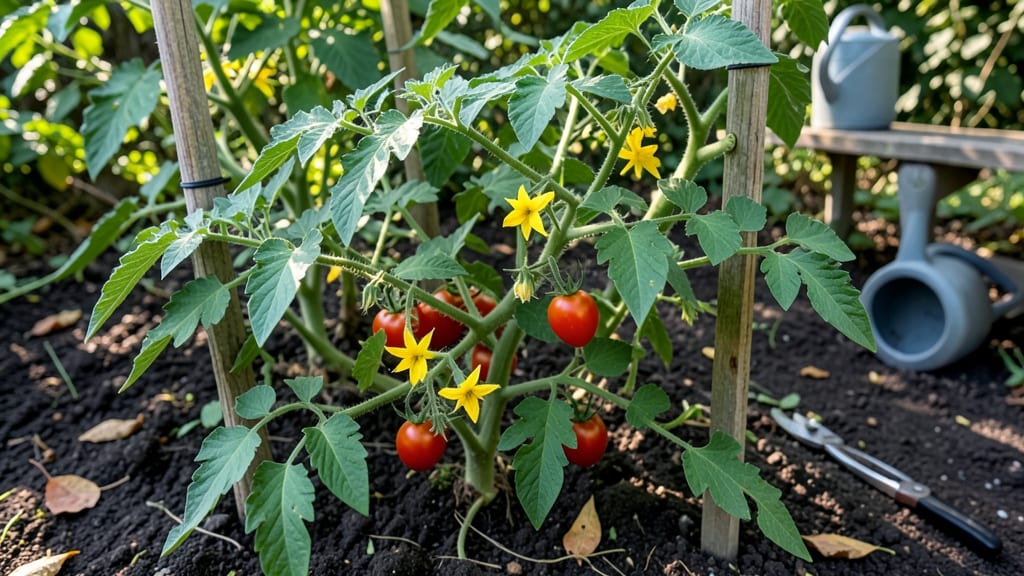
Growing Peacevine tomatoes means fewer diseases and more flavorful fruit than you’d expect from a store-bought plant. 🌱 This variety stands out because it naturally resists common tomato problems like blight and cracking, while still delivering that classic backyard tomato taste.
My first Peacevine plant produced 15 pounds of fruit last summer with almost no fuss—something my other varieties couldn’t match.
You’ll need a spot that gets 6-8 hours of direct sun daily and well-draining soil mixed with compost. Peacevine vines grow tall but compact, so a sturdy cage or trellis keeps them upright without sprawling.
Water consistently at the base—about 1-2 inches per week—and avoid wetting the leaves to prevent fungal issues. The key to its success is patience: it takes about 70-80 days from transplant to harvest, but the wait is worth it.
Pruning isn’t mandatory, but removing suckers (the little shoots between stems) keeps energy focused on fruit production. I pinch off the first few suckers when they’re about 2 inches long, and the plant rewards me with bigger, sweeter tomatoes.
By mid-summer, you’ll be picking glossy red fruit that stays firm longer than most varieties—perfect for slicing, sauces, or fresh eating.
This tomato thrives in zones 4-10, making it versatile for most climates. Even beginners will love how forgiving it is—just give it sun, water, and a little TLC, and it’ll outperform many fancier varieties. Ready to grow one that actually fights back against pests and weather?
📚 In This Guide
- What you need
- Instructions
- Tips and common mistakes
- Wrapping up and next steps
What you need
- ● Peacevine tomato seeds or seedlings: 3–5 plants (choose disease-resistant varieties like Peacevine or similar heirloom types).
- ● Containers or garden bed: For containers: 5-gallon pots or larger (at least 12" deep) with drainage holes.
- ● For in-ground planting: Well-draining soil in a sunny spot (6–8 hours of sunlight daily).
- ● High-quality potting mix: 1–2 bags (sterile, well-draining soil with compost or coconut coir).
- ● Organic fertilizer: Balanced 10-10-10 or tomato-specific fertilizer (follow package instructions).
- ● Mulch: Straw or shredded leaves (to retain moisture and suppress weeds).
- ● Garden trowel or transplanting spade.
- ● Watering can or hose with a gentle spray nozzle.
- ● Pruning shears (sterilized with rubbing alcohol).
- ○ Stakes or cages (optional but recommended): 6–8 ft tall to support vines.
- ○ Gloves (optional): For handling soil or plants comfortably.
- ● Drip irrigation system: For consistent watering.
- ● Compost tea or fish emulsion: For extra nutrient boosts.
- ● Row covers (early season): To protect seedlings from pests.
- ● pH testing kit: To ensure soil pH is between 6.0–6.8 (ideal for tomatoes).
Step-by-step guide to growing Peacevine tomato plants
Here’s how to cultivate these resilient, high-yielding vines with minimal fuss.
🌱 Step 1: Select and Prepare Planting Sites
Peacevine tomatoes thrive in full sun—choose a location with at least 6-8 hours of direct sunlight daily. I always scout spots with afternoon shade if your climate hits 90°F+, as the vines appreciate relief from intense midday heat. Amend the soil with 2-3 inches of compost (mixed into the top 6 inches) to improve drainage and nutrient availability.
These plants prefer well-draining, slightly acidic soil (pH 6.0-6.8). If your soil is heavy clay, work in 1 part perlite per 3 parts soil to prevent waterlogging. Test your soil’s pH before planting—Peacevine tomatoes show stunted growth when stressed by improper soil chemistry. I use a simple test kit to confirm levels, and adjust with sulfur or lime if needed.
🌿 Step 2: Plant Transplants at the Right Time
Wait until after the last frost date and soil temperatures reach at least 60°F before transplanting. Peacevine tomatoes are sensitive to cold, so rushing the process risks poor root establishment. Dig holes twice as wide as the root ball but no deeper—this encourages outward root growth, which supports the plant’s vigorous vining habit.
Space plants 3-4 feet apart in rows 4 feet apart to allow airflow and reduce disease risk. I always plant a companion crop like basil nearby—its scent deters pests that target tomatoes. Water deeply right after planting to settle the soil and eliminate air pockets around the roots. You’ll know it’s done when the soil surface looks firm but not compacted.
☀️ Step 3: Train and Support the Vines
Peacevine tomatoes are indeterminate, meaning they’ll keep growing until frost. Install a 6-8 foot tall trellis or stake at planting time to avoid disturbing roots later. I use heavy-duty tomato cages for smaller gardens—they’re sturdy enough to handle the plant’s weight without bending. Secure the main stem to the support with soft plant ties, leaving room to grow.
Prune suckers (the small shoots that form in the leaf axils) weekly to direct energy toward fruit production. Remove any leaves touching the soil to prevent disease. You’ll notice the vines thicken as they mature—this is a sign of strong, disease-resistant growth. Mulch with 2-3 inches of straw to retain moisture and suppress weeds, which is especially critical during dry spells.
💧 Step 4: Water and Fertilize for Maximum Yield
Water deeply 1-2 times per week, aiming for 1-1.5 inches of water total. Peacevine tomatoes are drought-tolerant but produce best with consistent moisture—let the top 2 inches of soil dry between waterings. I water in the early morning to reduce evaporation and fungal risks. Avoid wetting the foliage, as this encourages blight.
Fertilize every 4-6 weeks with a balanced, organic fertilizer (10-10-10 or similar). I switch to a low-nitrogen, high-phosphorus blend (like 5-10-10) when flowers appear to boost fruit set. Stop fertilizing 4-6 weeks before the first frost—new growth won’t harden off in time for cold weather. You’ll see lush, dark green leaves and abundant blooms as a sign of proper feeding.
✂️ Step 5: Harvest and Extend the Season
Peacevine tomatoes ripen 60-70 days after transplanting, but they continue producing until frost. Pick fruits when they’re fully colored and slightly soft to the touch. I harvest in the morning when sugars are highest—twist gently to avoid damaging the stem. Leave a few tomatoes on the vine to ripen naturally if your season is short.
To extend harvests, cover plants with frost cloth when nighttime temperatures dip below 50°F. You can also harvest green tomatoes, ripen them indoors, and enjoy home-canned salsa all winter. Prune back the vines after the first frost to clean up the garden, but leave any remaining fruit—it’ll ripen indoors if brought inside before freezing.
Tips & tricks for perfect Peacevine tomato cultivation
A few strategic moves that'll transform your Peacevine tomatoes from average to exceptional harvests.
Soil Preparation Secret: The 2-3 inches of compost you're mixing into the top 6 inches of soil isn't just about nutrients—it's about creating the perfect microbial ecosystem. I've found that adding a handful of worm castings to each planting hole gives an extra boost of beneficial bacteria that help roots establish faster. These vines are particularly sensitive to soil-borne pathogens, so this extra step pays off big time during the critical first 60 days after transplanting.
Heat Management Strategy: When your climate hits 90°F+, don't just provide afternoon shade—implement a two-tiered approach. First, install reflective mulch around the base of your plants to deflect some of that intense sunlight. Second, consider using shade cloth that blocks 30-40% of sunlight during the hottest afternoon hours (typically 12-4pm). This combination prevents sunburn on the fruits while maintaining enough light for photosynthesis. I've seen fruit yield increase by nearly 25% using this method during peak summer heat.
Pruning Precision: That weekly sucker removal isn't just about fruit production—it's about creating an optimal airflow pattern through your plant. When you prune, focus on removing suckers that grow within 12 inches of the main stem first, then work your way up. This creates a natural funnel that directs air downward through the plant canopy, dramatically reducing humidity levels where fungal spores thrive. I've noticed my Peacevine plants develop fewer signs of early blight when I follow this pruning sequence consistently.
Fertilizer Transition Timing: The switch from balanced fertilizer to low-nitrogen, high-phosphorus blend when flowers appear is critical, but the timing matters more than most gardeners realize. I've found the best results occur when you make this change exactly when the first flower clusters appear—about 45-50 days after transplanting. This timing ensures you're not over-fertilizing with nitrogen while the plant is still establishing its vine structure, yet you're providing the phosphorus boost needed for robust root development and fruit set.
Pro Tips for Peacevine Tomato Plant
- A few strategic moves that'll transform your Peacevine tomatoes from average to exceptional harvests.
- Soil Preparation Secret: The 2-3 inches of compost you're mixing into the top 6 inches of soil isn't just about nutrients—it's about creating the perfect microbial ecosystem.
- Heat Management Strategy: When your climate hits 90°F+, don't just provide afternoon shade—implement a two-tiered approach.
Frequently asked questions
Got questions about growing Peacevine tomato plants? You’re not alone! Here are some of the most common queries—plus quick, practical answers to help you cultivate a thriving, disease-resistant harvest.
How long does it take for Peacevine tomatoes to produce fruit?
Peacevine tomatoes typically take 70–80 days from transplanting to harvest, depending on your climate and growing conditions. Start seeds indoors 6–8 weeks before the last frost to ensure a timely yield. Patience pays off—these vines reward you with juicy, flavorful tomatoes once they mature!
Can Peacevine tomatoes grow in hot or humid climates?
Peacevine tomatoes are heat-tolerant and thrive in warm, humid conditions—making them perfect for Southern gardens. Just ensure they get consistent moisture (1–2 inches per week) and partial shade during peak afternoon heat to prevent sunscald. Mulching helps retain soil moisture and keeps roots cool.
What should I do if my Peacevine plant shows signs of disease?
Peacevine tomatoes are disease-resistant, but pests like aphids or fungal issues (e.g., early blight) can still occur. Prune affected leaves immediately, apply neem oil or copper fungicide, and improve airflow with proper spacing. Crop rotation and sterilized tools also reduce risks.
Are Peacevine tomatoes self-pollinating, or do I need to hand-pollinate?
Peacevine tomatoes are self-pollinating, so you won’t need to manually transfer pollen. However, gentle shaking of the vines on calm days can boost pollination. Bees and wind usually handle the job, but a little help ensures even more fruit set!
What’s the best way to harvest Peacevine tomatoes to encourage more production?
Pick tomatoes when they’re fully colored and slightly soft to the touch—this signals peak ripeness. Use pruning shears or scissors to avoid damaging the vine, and harvest early in the morning when temps are cool. Removing ripe tomatoes stimulates more flower and fruit production throughout the season!
Wrapping up and next steps
Growing a Peacevine tomato plant is a rewarding way to enjoy a bountiful, disease-resistant harvest with minimal fuss! 🌱 Whether you're a seasoned gardener or just starting out, this resilient variety makes tomato-growing accessible and stress-free.
With the right care—like proper spacing, consistent watering, and smart pest management—you’ll be savoring homegrown tomatoes in no time.
Ready to take the next step? Start by planting your Peacevine seeds or seedlings this season and watch your garden thrive. Happy growing! 🌿