
Companion Plants
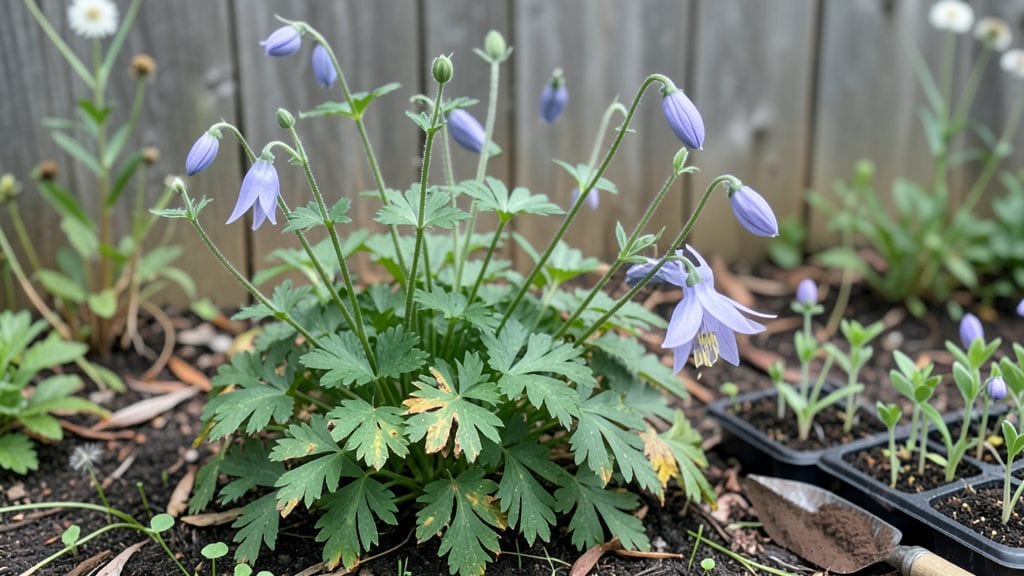
Planting columbine plants is how I turned my shady corner into a hummingbird hotspot. 🌿 These delicate blooms thrive where others struggle, and their nodding flowers bring a whimsical charm to any garden.
The key is matching their love of partial shade with the right soil and timing—something I learned the hard way after my first batch flopped.
You’ll need a spot with 4-6 hours of sunlight, well-draining soil, and a little patience—columbines spread slowly but reward you with years of blooms.
Plant seeds in early spring or fall, about ¼ inch deep and 12-18 inches apart, or transplant nursery starts with their roots just below soil level. Mulch lightly to keep moisture steady without smothering the delicate stems.
After planting, water gently but thoroughly—these plants hate soggy roots. You’ll see sprouts in 2-3 weeks, and by next summer, your garden will buzz with hummingbirds sipping from their bell-shaped flowers.
The trick to keeping them happy? Avoid overwatering and pair them with ferns or hostas for a lush, low-maintenance shade combo.
If your columbines wilt or fail to bloom, check for too much sun or crowded roots—they need space to breathe. A little pruning after flowering keeps them tidy and encourages more blooms.
With the right care, these perennials will naturalize and multiply, turning your shade garden into a hummingbird magnet for decades.
📚 In This Guide
- What you need
- Instructions
- Tips and common mistakes
- Wrapping up and next steps
What you need
- ● Columbine plants: Seeds (10–20 per desired plant, or pre-packaged seed packets)
- ● OR nursery-grown seedlings/transplants (1–3 per location)
- ● Soil: Well-draining, slightly acidic to neutral soil (pH 6.0–7.5)
- ○ Compost or organic matter (1–2 cups per planting hole, optional but recommended)
- ● Planting site: Partial shade (3–6 hours of sunlight daily)
- ● Protected from strong winds (e.g., near a fence or shrub)
- ● Garden trowel or small shovel
- ○ Gloves (optional but helpful for seed handling)
- ● Watering can or hose with gentle spray nozzle
- ○ Mulch (1–2 inches of shredded bark or straw, optional for moisture retention)
- ○ Plant labels (if tracking varieties, optional but handy!)
- ● Wait until spring (after last frost) or early fall for planting.
- ● Prepare the soil 1–2 weeks ahead by loosening it and removing weeds.
- ● Check local frost dates to avoid planting too early! 🌡️
Step-by-Step instructions for planting columbine plants
Here’s how to plant these delicate perennials for a stunning, low-maintenance display that hummingbirds can’t resist.
🌱 Step 1: Choose the Perfect Location and Prepare the Soil
Columbines thrive in partial shade, so pick a spot that gets 3-6 hours of morning sun or dappled sunlight throughout the day. Avoid harsh afternoon sun, which can scorch their delicate foliage. The soil should drain well but retain moisture—amend heavy clay with 2-3 inches of compost to loosen it, and mix in a handful of perlite if your soil is particularly dense.
I always dig a hole twice as wide as the root ball but only as deep as the container the plant came in. This prevents burying the crown too deeply, which can cause rot. If your soil is sandy, add a 1-inch layer of organic matter at the bottom of the hole to help retain moisture.
🪴 Step 2: Plant with Care to Avoid Root Damage
Gently remove the columbine from its container and loosen any circling roots with your fingers—this encourages outward growth instead of a tangled mess. Place the plant in the hole so the top of the root ball sits level with the surrounding soil. Press the soil lightly around the roots to eliminate air pockets, but don’t compact it too firmly.
I like to water the plant deeply right after planting to help settle the soil and remove any air gaps. This also gives the roots a drink to start growing into their new home. If planting in clay-heavy soil, add a 1-inch layer of mulch around the base (but not touching the stem) to protect roots from temperature swings.
☀️ Step 3: Space and Water for Optimal Growth
Space columbines 12-18 inches apart to give them room to spread without overcrowding. In containers, plant 1-2 per 10-inch pot—they’ll cascade beautifully over edges. Water deeply once a week (or more in hot, dry weather) until the top 2 inches of soil feel moist to the touch.
Here’s the thing—columbines hate soggy roots. If your area gets heavy rain, ensure the planting site has good drainage or plant on a slight mound. You’ll know you’re watering right when the soil stays evenly damp but not waterlogged. Overwatering is the fastest way to invite root rot.
✂️ Step 4: Prune and Maintain for Long-Lasting Blooms
After the first flush of blooms fades, deadhead spent flowers by snipping the stem just above a set of leaves. This encourages a second round of blooms later in the season. I also trim back overly leggy stems in early spring to promote bushier growth—just cut them back by one-third to keep the plant compact.
Columbines are drought-tolerant once established, but they’ll reward you with more vibrant blooms if you fertilize lightly in early spring with a balanced 10-10-10 fertilizer. Avoid high-nitrogen feeds, which encourage leafy growth at the expense of flowers. Watch for aphids on new growth—spray with neem oil if you spot them.
⏰ Step 5: Overwintering for Next Year’s Blooms
Columbines are hardy perennials, but they benefit from a light mulch (like shredded leaves or straw) in winter to protect their roots from freezing temperatures. In Zone 5 or colder, I add an extra 2-inch layer of mulch after the first hard frost. In spring, remove the mulch once new growth appears—usually by mid-April in most regions.
You’ll see fresh growth emerge in early spring, often before the leaves unfurl. This is your signal to stop fertilizing until after the first blooms appear. Columbines are self-seeding, so you might find volunteer plants popping up nearby—let them grow if you want a naturalized look!
Tips & tricks for perfect columbine planting
These subtle adjustments will help your columbines thrive and attract hummingbirds all season long.
The Light Factor: Columbines love morning sun but can't handle afternoon heat. If you're planting in a spot with only afternoon sun, consider adding a 30% shade cloth during peak summer hours. I've seen columbines in full afternoon sun get crispy leaves by midday—trust me on this. The 3-6 hours of morning sun is non-negotiable for that first flush of blooms.
Soil Science: The 2-3 inches of compost in Step 1 isn't just about nutrients—it's about creating the perfect air-to-moisture ratio. I like to mix in one part compost to three parts native soil for best results. For clay-heavy soil, add one handful of perlite per square foot to prevent compaction. Remember, columbines hate soggy roots but need consistent moisture—this combo gives them both.
Root Care Technique: When loosening circling roots in Step 2, don't just pull them apart—gently tease them with your fingers to encourage outward growth. I make tiny slits in the root ball with a butter knife if roots are severely tangled. This might seem extreme, but it prevents that dreaded "pot-bound" look where plants grow in circles. Water immediately after this step—roots need hydration to recover from the disturbance.
Watering Wisdom: The deep watering once a week guideline assumes average rainfall. In Zone 5 or colder, I reduce to every 10 days in winter once established, but check the top 2 inches of soil first. For containers, I water every 5 days because they dry out faster. Overwatering is the silent killer—columbines will show you by developing yellow leaves or wilting despite moist soil.
Pro Tips for Planting Columbine Plants
- These subtle adjustments will help your columbines thrive and attract hummingbirds all season long.
- The Light Factor: Columbines love morning sun but can't handle afternoon heat.
- Soil Science: The 2-3 inches of compost in Step 1 isn't just about nutrients—it's about creating the perfect air-to-moisture ratio.
Frequently asked questions
Got questions about growing these stunning hummingbird favorites? Here are some of the most common concerns—and their answers—to help you plant with confidence!
When is the best time to plant columbine?
Columbine thrives when planted in early spring (just as soil warms) or early fall (6-8 weeks before frost). Avoid extreme heat—young roots prefer mild temperatures. For perennials, spring planting gives them time to establish before winter, while fall planting lets roots grow without summer stress.
Why aren’t my columbines blooming?
No blooms? Check these fixes:
- Deadhead spent flowers to encourage reblooming.
- Ensure 6+ hours of sunlight (partial shade works, but too much shade = fewer blooms).
- Fertilize lightly in early spring with a balanced 10-10-10 formula.
- Columbines are perennials—they may take 1-2 years to mature and bloom fully.
Can I grow columbine in containers?
Columbines adapt well to pots, making them perfect for balconies or patios. Use a well-draining mix (add perlite or sand) and a container with drainage holes. Choose smaller varieties like ‘Queen Series’ for better pot performance. Water consistently—containers dry out faster than garden beds.
Are columbines deer- or rabbit-resistant?
While columbines are mildly deer- and rabbit-resistant (thanks to their fuzzy leaves and bitter taste), they’re not foolproof. Young seedlings are especially vulnerable. Try these tricks:
- Plant near deer-deterrent companions like lavender, Russian sage, or foxglove.
- Use physical barriers (chicken wire) for new plantings.
- Apply organic repellents like garlic spray if needed.
What can I plant near columbine for a pollinator-friendly garden?
Columbines pair beautifully with pollinator magnets like:
Aim for 3–5 feet of companion diversity to create a thriving ecosystem.
Wrapping up and next steps
Planting columbine is a rewarding way to invite hummingbirds and add vibrant color to your partial-shade garden! 🌸 With the right soil, spacing, and care, these hardy perennials will thrive and bloom year after year.
Now that you’re ready, take the next step—mark your garden spots, gather your tools, and enjoy the beauty (and buzzing visitors!) that await.
Need extra confidence? Start small—even a single columbine plant can make a difference. Happy planting!