
Companion Plants
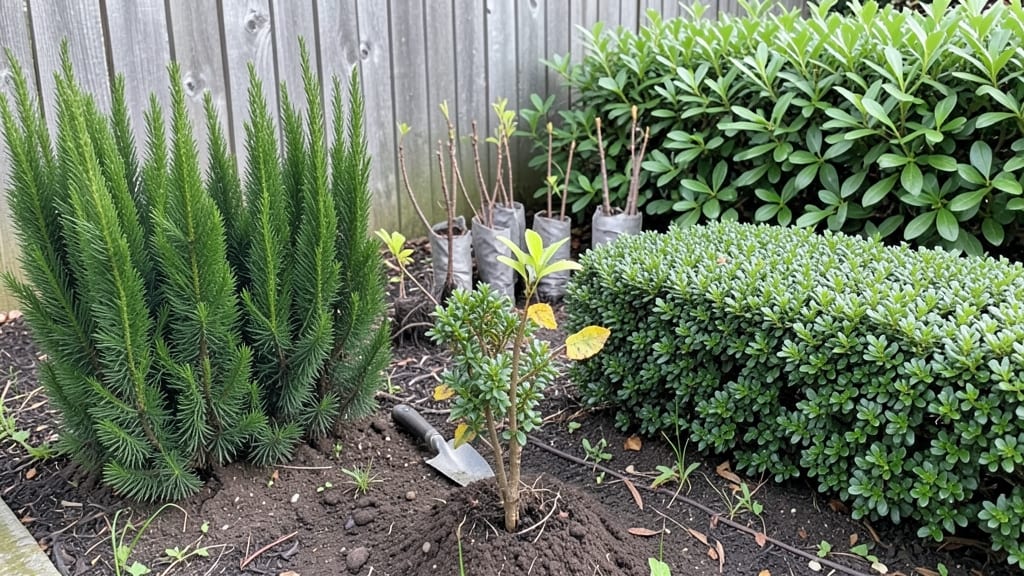
Creating a lush, fast-growing hedge that blocks nosy neighbors in just three years starts with the right plants and a little strategy. ✨ I’ve planted enough hedges to know that privet, boxwood, and laurel are the top performers—each with its own quirks—but the real secret lies in the prep work before the first shovel hits the dirt.
The best hedges begin with amended soil that drains well but holds moisture, especially in the first critical weeks. Test your soil first—most hedges hate soggy roots but won’t thrive in dry, rocky ground either.
Spacing matters too: too tight, and they’ll fight for sunlight; too wide, and you’ll waste years waiting for that solid green wall. I’ve mapped out the exact spacing for each variety, so you won’t guess.
By the end of the first season, you’ll have a dense, 3-foot-tall barrier that grows another 2 feet each year. The key is consistent watering—deep but not drowning—and a light trim in late spring to encourage bushier growth.
No more peeking through gaps or listening to lawnmowers on Sundays. This is how you turn bare space into a privacy fortress.
Works for formal gardens, rural boundaries, or urban yards with limited space. Let’s get those plants in the ground the right way—no second-guessing, just results. Here’s how to make it happen without the usual headaches.
📚 In This Guide
- What you need
- Instructions
- Tips and common mistakes
- Wrapping up and next steps
What you need
- ● Hedge plants: 5–10 plants per linear foot (depending on desired density and spacing—check plant tags for specifics). Popular fast-growing options include Emerald Green Arborvitae, Leyland Cypress, or Bamboo.
- ● Shovel or spade: A sturdy digging tool (16–18 inches wide) for planting holes.
- ● Garden trowel: For finer adjustments and planting smaller roots.
- ● Measuring tape: To mark and maintain consistent spacing (typically 2–6 feet apart, depending on plant type).
- ● Garden hose or watering can: With a spray nozzle for gentle watering.
- ● Compost or organic mulch: 2–3 inches to enrich soil and retain moisture (e.g., shredded bark or straw).
- ● Garden gloves: To protect your hands from thorns, dirt, or sharp tools.
- ○ Stakes and twine (optional but helpful): For young hedges that need temporary support (1–2 stakes per plant).
- ● Soil amendment: Peat moss or compost to improve drainage in heavy clay soil.
- ● Fertilizer: Slow-release granular fertilizer (e.g., 10-10-10) to boost early growth.
- ● Pruning shears: For shaping hedges after planting (avoid over-pruning young plants!).
- ● Landscape fabric: To suppress weeds between hedge rows (lay under mulch).
- ● Wheelbarrow: For hauling soil, mulch, or plants efficiently.
Step-by-Step instructions for planting hedge plants
Here's how to create a lush, fast-growing privacy screen that fills in beautifully within three years.
🌱 Step 1: Choose the Right Location and Prepare the Soil
Pick a spot with 6+ hours of sunlight daily—most hedges thrive in full sun. Clear the area of weeds and debris, then mark your hedge line with stakes and string for a straight, professional look. I like to use bamboo stakes because they're sturdy and easy to adjust.
Loosen the soil to a depth of 12 inches using a shovel or tiller. This helps roots establish faster. If your soil is heavy clay or sandy, mix in 2-3 inches of compost to improve drainage and fertility. The goal is loose, crumbly soil that roots can easily penetrate.
🪴 Step 2: Dig Holes and Plant the Hedge Plants
Dig holes twice as wide as the root ball but no deeper. Space plants 2-3 feet apart for most varieties—closer spacing encourages faster growth and denser coverage. Lift each plant from its container and gently loosen the roots if they're circling.
Place the plant in the hole so the top of the root ball sits 1 inch above soil level. This prevents rot and ensures proper drainage. Fill the hole with soil, pressing lightly around the base to remove air pockets. Water deeply right after planting to settle the soil and eliminate gaps.
☀️ Step 3: Water and Mulch for Fast Establishment
Water the newly planted hedge 1-2 inches per week for the first 3 months. Check soil moisture by sticking your finger 1 inch deep—if it feels dry, it's time to water. Deep, infrequent watering encourages strong root growth.
Spread 2-3 inches of mulch around each plant, keeping it 3 inches away from the stem to prevent rot. I use shredded bark mulch because it breaks down slowly and retains moisture. Mulch helps regulate soil temperature and reduces weed competition, which is critical for young hedges.
✂️ Step 4: Prune and Maintain for Dense Growth
Trim the hedge once in late spring and again in early summer to encourage bushier growth. Use sharp shears to cut back any leggy stems or overgrowth. The key is to shape it evenly—don’t cut too much at once, or you’ll stress the plants.
Fertilize in early spring with a balanced, slow-release fertilizer to support steady growth. I like to use a 10-10-10 mix because it provides even nutrients without burning the plants. Keep an eye out for pests like spider mites or aphids—spray with water or insecticidal soap if you spot them early.
⏰ Step 5: Monitor and Adjust for Optimal Growth
After 6 months, check for gaps between plants. If you notice uneven growth, thin out the weakest plants and space the remaining ones 1-2 feet apart for a denser hedge. This is especially important for fast-growing varieties like Leyland cypress or arborvitae.
Watch for signs of stress, like yellowing leaves or wilting. Overwatering is a common mistake—let the top 2 inches of soil dry out between waterings. With consistent care, your hedge will fill in beautifully within 3 years, providing the privacy you want without the wait.
Tips & tricks for planting hedge plants
Creating a fast-growing privacy hedge isn't rocket science, but these little tricks will help you avoid common pitfalls and get that lush screen up in record time.
Location is Everything: That 6+ hours of sunlight isn't just a suggestion—it's non-negotiable for most hedge varieties. I've seen people plant in shady spots and wonder why their hedge grows like a sad bonsai. If your yard has partial shade, choose shade-tolerant varieties like cherry laurel or boxwood instead. And trust me, that bamboo stake setup for marking your line is worth the 10 minutes it takes—you'll thank yourself when your hedge looks perfectly straight.
Root Ball Placement Matters: When you're placing those plants in Step 2, that 1-inch above soil level is critical. I learned this the hard way when my first hedge plants rotted because they were buried too deep. Use a level to ensure all plants sit at exactly the same height—uneven planting leads to uneven growth. And don't forget to loosen those circling roots! I use my fingers to gently pull them apart before planting, which helps roots spread out faster.
Watering Wisdom: Those first 3 months are make-or-break for your hedge's survival. The 1-2 inches per week isn't about daily sprinkling—it's about deep, infrequent watering. I set a rain gauge to track exactly how much water we're getting, and supplement when needed. Pro tip: Water in the morning so leaves have time to dry, preventing fungal diseases. And that 1-inch soil check? It's the only reliable way to know when your hedge actually needs water.
Mulch Magic: Don't skimp on that 2-3 inches of mulch—it's not just for looks. I've seen people use too little, and their hedges struggle with weeds and temperature swings. Keep that mulch 3 inches away from stems to prevent rot, and refresh it annually. For extra speed, I add a thin layer of compost to the mulch in spring—it gives those roots an instant nutrient boost without overwhelming the plants.
Pro Tips for Planting Hedge Plants
- Creating a fast-growing privacy hedge isn't rocket science, but these little tricks will help you avoid common pitfalls and get that lush screen up in record time.
- Location is Everything: That 6+ hours of sunlight isn't just a suggestion—it's non-negotiable for most hedge varieties.
- Root Ball Placement Matters: When you're placing those plants in Step 2, that 1-inch above soil level is critical.
Frequently asked questions
Got questions about planting hedge plants? You’re not alone—here are some of the most common concerns, answered for you!
What’s the best time of year to plant hedge plants for fast growth?
The ideal window is early spring or fall—when soil is workable but not scorching. Planting in spring gives hedges a full growing season to establish roots before winter, while fall (6-8 weeks before frost) lets them settle before dormancy. Avoid extreme heat or cold, which can stress young plants.
How close can I plant hedge plants to my fence or property line?
Check local regulations first—many areas require a 3-foot minimum from property lines for mature hedges. For privacy, plant 2-3 feet apart (closer for faster fill-in) and trim regularly. If space is tight, opt for compact varieties like Dwarf English Laurel or Emerald Green Arborvitae.
Are there affordable alternatives to expensive pre-grown hedge plants?
Start with bare-root plants (cheaper and faster to establish) or grow from cuttings (e.g., willow, privet, or forsythia). Seedlings (like Hornbeam) also work but take longer to thicken. Just be patient—fast-growing species like Bamboo or Leyland Cypress can save money by filling space quicker.
What should I do if my hedge plants aren’t growing after planting?
First, check for root rot (overwatering) or drought stress (underwatering). Ensure soil drains well and mulch to retain moisture. If pests like aphids or deer are nibbling, use organic sprays or protective netting. Slow growth? Test soil pH (most hedges prefer 6.0–7.0) and amend with compost.
Can I mix different hedge plants for a layered privacy screen?
Yes! Combine fast growers (e.g., Bamboo or Leyland Cypress) with slow but dense options (e.g., Boxwood or Holly) for texture and year-round interest. Just ensure they share similar sunlight and water needs. Layering also helps block gaps while you wait for full coverage!
Wrapping up and next steps
Planting a fast-growing hedge is your ticket to privacy, beauty, and curb appeal—all in just three years! 🌿 Whether you chose evergreens like Arborvitae or deciduous options like Forsythia, the key lies in proper spacing, soil prep, and consistent care.
With the right tools and patience, you’ll soon enjoy a lush, living barrier that feels like a labor of love.
Ready to transform your yard? Start by sketching your hedge layout, gathering supplies, and picking your plants. Then, roll up your sleeves—your future privacy oasis is just a few shovels away! 🌱