
Planting
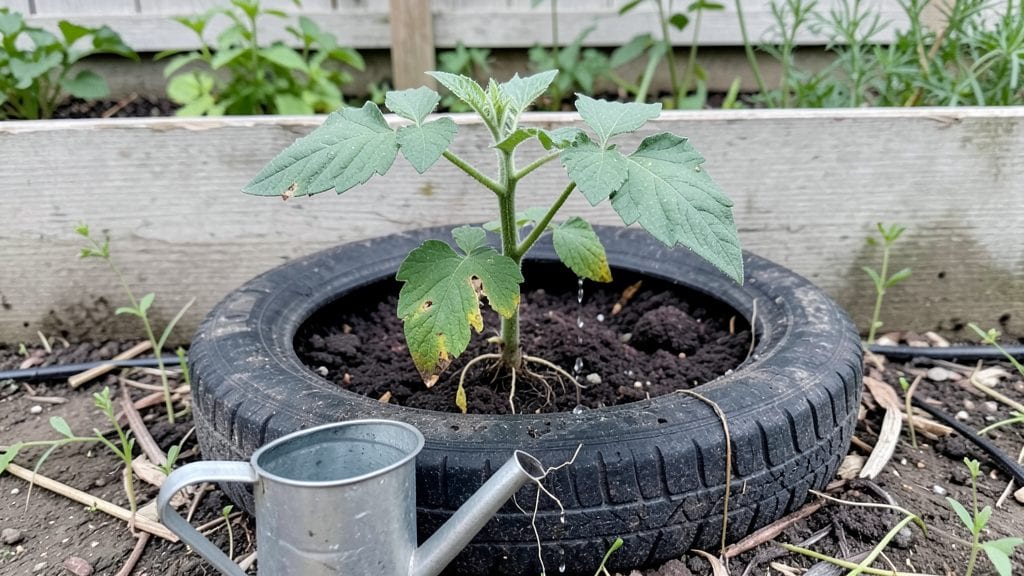
Planting in tires turns trash into a thriving vertical garden that fits anywhere—even a balcony or sidewalk. I’ve filled old tires with herbs, flowers, and veggies, and the results are shockingly lush for something that takes less than an hour to set up.
The secret? Proper drainage, the right soil mix, and choosing plants that love shallow roots.
Tires solve three big problems for small-space gardeners: drainage holes prevent soggy roots, their weight keeps them steady in wind, and you can stack them vertically to save ground space.
My pepper plants in stacked tires outproduced anything I’d grown in pots last year, and the setup cost me nothing but the tires themselves. Plus, you can paint them to match your decor—no one will guess they’re upcycled.
By the end of the first growing season, you’ll have a self-watering system that stays moist longer, fewer weeds to pull, and plants that thrive without bending over.
The key is layering cardboard for weed control, mixing in compost, and choosing compact varieties like bush beans, lettuce, or thyme. Even my black thumb can’t kill these.
Works for urban apartments, rural homesteads, or anywhere you need to maximize space without digging. The best part? You’re keeping tires out of landfills while growing food. Here’s how to get started without overcomplicating it.
📚 In This Guide
- What you need
- Instructions
- Tips and common mistakes
- Wrapping up and next steps
What you need
- ● Tires: 2–5 used truck, SUV, or large car tires (clean and free of cracks). Pro tip: Check local scrap yards or auto shops for free or low-cost options!
- ● Drill: A power drill with a ½-inch or ¾-inch hole saw bit (for drainage holes).
- ● Screws or bolts: 3–4 galvanized screws or bolts (1–2 inches long) to secure tires to the wall or frame.
- ● Potting soil: 1–2 bags of lightweight, well-draining potting mix (avoid garden soil—it compacts too much!).
- ● Plants: Choose compact, shallow-rooted varieties like herbs (basil, thyme), succulents, lettuce, or strawberries.
- ● Watering can or hose: With a gentle spray nozzle for even watering.
- ● Tire stacker kit: Pre-made brackets or a wooden frame to stack tires vertically (saves time!).
- ● Landscape fabric: Line the bottom of each tire to prevent soil from leaking out.
- ● Slow-release fertilizer: Mix into soil for a nutrient boost (great for herbs and veggies!).
- ● Decorative paint: Non-toxic, outdoor-safe paint to customize your tires (let it cure before planting!).
- ● Drip irrigation system: For hands-off watering in larger setups.
Step-by-Step instructions for creating a vertical tire garden
Transform old tires into a thriving vertical garden that maximizes space without sacrificing beauty.
Clean and Prepare the Tires
Start by thoroughly cleaning each tire with warm, soapy water to remove dirt, grease, and debris. Scrub the inner and outer surfaces with a stiff brush, focusing on crevices where grime collects. Rinse well and let them dry completely in the sun. This step prevents mold growth later and ensures your plants have a clean foundation.
Once dry, use a utility knife to cut drainage holes in the bottom of each tire. Space these 2-3 inches apart in a circular pattern around the base. These holes allow excess water to escape, preventing root rot. For larger tires, add a few extra holes near the top to improve airflow through the soil.
Stack and Secure the Tires Vertically
Choose a sturdy, level surface or wall mount for your tire garden. Stack the tires vertically, placing the largest at the bottom and the smallest at the top. This creates a cascading effect while ensuring stability. If stacking on the ground, bury the bottom tire 6-8 inches deep to anchor it and prevent tipping.
For wall mounting, use heavy-duty brackets or a metal frame to secure the tires. Space them 1-2 feet apart to allow easy access for planting and maintenance. If using a frame, pre-drill holes to avoid cracking the tires when attaching. Test the stability by gently shaking the structure before adding soil.
Fill with Quality Growing Medium
Fill each tire with a lightweight potting mix designed for containers. Avoid garden soil, which compacts and drains poorly. Mix in perlite or vermiculite (about 20% of the total volume) to improve drainage and aeration. This blend prevents waterlogging while retaining enough moisture for healthy roots.
Leave 1-2 inches of space at the top of each tire to accommodate watering and prevent spillage. Pack the mix gently but firmly to eliminate air pockets. Tap the sides of the tire lightly to settle the soil evenly. Overfilling can cause soil to spill out when watering, while underfilling may leave roots exposed.
Plant and Arrange for Visual Appeal
Select plants suited for container gardening, such as herbs, succulents, or shallow-rooted vegetables. Place the largest plants in the bottom tire and smaller ones in the upper tiers. Space plants according to their mature size—typically 6-12 inches apart—to avoid overcrowding. For trailing plants like nasturtiums, position them near the edges of the tires.
Water thoroughly after planting to help the soil settle around the roots. Mulch the surface with 1-2 inches of shredded bark or straw to retain moisture and suppress weeds. Arrange plants in a way that creates visual interest, such as alternating colors or textures. This step ensures your tire garden not only functions well but also looks intentional and attractive.
Water and Maintain for Long-Term Success
Water the tire garden deeply 2-3 times per week, adjusting based on rainfall and temperature. Check the soil moisture by inserting your finger 1-2 inches deep—water when it feels dry. Avoid overwatering, as tires drain slower than traditional pots. A drip irrigation system or soaker hose can deliver water evenly without disturbing the plants.
Fertilize lightly every 4-6 weeks with a balanced, water-soluble fertilizer diluted to half strength. Monitor for pests like aphids or spider mites, which thrive in dense planting areas. Prune leggy growth and dead leaves regularly to encourage bushier plants. With proper care, your tire garden will thrive for years, proving that sustainability and style go hand in hand.
Tips & tricks for perfect vertical tire gardens
Creating a vertical garden from old tires is a rewarding project that breathes new life into discarded materials. Here are my go-to strategies for making your tire garden both functional and stunning.
Drainage is Key: When cutting those 2-3 inch drainage holes in Step 1, don't be afraid to go bigger for larger tires—think 4-5 inches near the top. I've found that extra airflow prevents waterlogging, which is especially important in humid climates. For extra insurance, place a layer of landscape fabric over the holes before adding soil to keep them from clogging with dirt.
Stability Matters: In Step 2, if you're stacking tires on the ground, consider adding a concrete block or heavy pavers at the base of your structure. This creates instant weight to prevent tipping, especially in windy conditions. For wall-mounted gardens, use L-brackets instead of regular brackets—they distribute weight more evenly and make adjustments easier later.
Soil Mix Secrets: While the instructions recommend 20% perlite or vermiculite, I've found that adding a handful of worm castings to each tire boosts nutrient levels without overpowering the soil. For heavy clay soils, increase the perlite to 30%—this prevents compaction and keeps roots happy. Always mix your amendments thoroughly before filling the tires to ensure even distribution throughout the growing medium.
Plant Placement Strategy: In Step 4, think vertically when arranging plants. Place sun-loving varieties like tomatoes or peppers in the bottom tires where they'll receive the most light, while shade-tolerant herbs or lettuce can thrive in the upper tiers. This arrangement maximates sunlight exposure while creating visual layers that draw the eye upward through your garden.
Pro Tips for Planting In Tires
- Creating a vertical garden from old tires is a rewarding project that breathes new life into discarded materials.
- Drainage is Key: When cutting those 2-3 inch drainage holes in Step 1, don't be afraid to go bigger for larger tires—think 4-5 inches near the top.
- Stability Matters: In Step 2, if you're stacking tires on the ground, consider adding a concrete block or heavy pavers at the base of your structure.
Frequently asked questions
Got questions about turning old tires into a thriving vertical garden? You’re not alone! Here are answers to some of the most common queries about planting in tires—so you can get started with confidence.
Can I plant anything in a tire?
Mostly yes! Tires work well for herbs, flowers, shrubs, and small vegetables like lettuce or tomatoes. Avoid deep-rooted plants (like sunflowers or large fruit trees) since tires limit root expansion. For best results, stick to compact or bushy plants that thrive in containers.
How often should I water plants in tires?
Watering depends on your climate and plant type, but check moisture daily in hot weather. Tires dry out faster than soil beds because they absorb less water. Pro tip: Use a moisture meter or stick your finger an inch deep—if it feels dry, it’s time to water! Mulch the top of the tire to retain moisture.
What’s the best way to drain water from a tire planter?
Drainage is critical to prevent root rot! Poke multiple holes (1–2 inches wide) along the bottom and sides of the tire before filling it with soil. Elevate the tire on a stand or bricks to allow excess water to flow out easily. Never let water pool inside.
Are there eco-friendly alternatives to tires?
If you’re hesitant about tires, try these sustainable swaps for vertical gardening:
- Pallet planters (untreated wood)
- Fabric grow bags (breathable and lightweight)
- Upcycled buckets or crates (with drainage holes)
- Living walls (modular planters for urban spaces)
My plants look wilted—what’s wrong?
Wilting in tires often means overwatering, poor drainage, or nutrient deficiency. First, check if the soil is soggy—if so, let it dry out. If the leaves turn yellow, it might need fertilizer (use a diluted, slow-release option). Bugs? Spray neem oil for pests. Most issues fix themselves with a little troubleshooting!
Wrapping up and next steps
Planting in tires is a creative, eco-friendly way to maximize space and grow lush greenery—even in the smallest of yards! 🌱 Whether you’re reviving old rubber or starting fresh, this method proves that sustainability and gardening go hand in hand.
With minimal effort and a dash of ingenuity, you’ve got a thriving vertical garden ready to transform your outdoor (or indoor!) space.
Ready to take the next step? Experiment with different plants, colors, or even stack multiple tires for a bold, layered look! Share your progress or tag us—we’d love to see your upcycled garden blooming! 🌿