
Shrubs
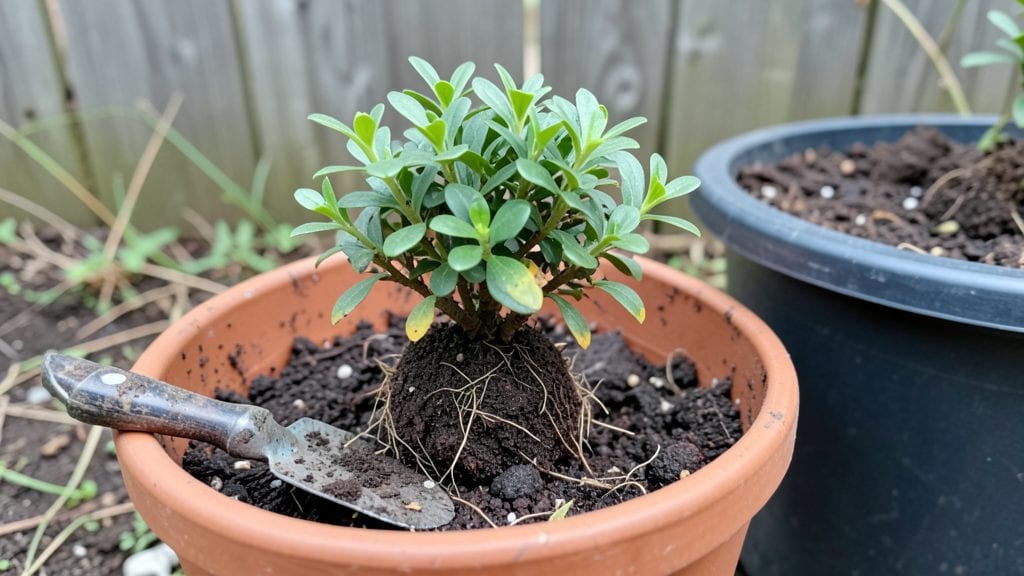
Planting shrubs in planters turns even the tiniest patio into a lush, fragrant garden corner. 🌿 I’ve watched my compact boxwoods and dwarf lilacs thrive in containers for years—proof that shrubs don’t need a yard to shine.
The key is matching the right shrub to the right pot, and once you get it right, you’ll never look back at bare ground again.
Start with containers that are 12-18 inches deeper than the shrub’s root ball, and always prioritize drainage—no one wants soggy roots. Use a lightweight potting mix (not garden soil) that stays loose and breathable, and choose shrubs like boxwoods, hydrangeas, or dwarf azaleas that handle container life like pros.
These varieties stay compact, bloom reliably, and adapt to seasonal shifts without fuss.
After planting, water deeply until it drains from the bottom, then let the top inch dry out before watering again. Within 4-6 weeks, you’ll see new growth pushing through, and by next spring, your planters will be the envy of the neighborhood.
The best part? No weeding, no soil compaction, just pure, portable greenery that moves with you.
For winter, wrap containers in burlap or move them to sheltered spots—frost won’t stand a chance against shrubs that are already cozy in their planters. And if your shrub outgrows its pot? It’s time to upgrade, not retire it. This is gardening that grows with you, not against you.
📚 In This Guide
- What you need
- Instructions
- Tips and common mistakes
- Wrapping up and next steps
What you need
- ● Planters: 1-2 containers per shrub (size depends on shrub type—at least 12" deep and wide for most dwarf varieties, 18"+ for larger shrubs). Ensure they have drainage holes.
- ● High-quality potting mix: 1 bag (look for a well-draining blend labeled for shrubs or woody plants). Avoid garden soil—it compacts and drains poorly!
- ● Shrubs: 1-3 plants (choose container-friendly varieties like Dwarf Boxwood, Japanese Holly, or Compact Azalea). Buy from a nursery with healthy, root-bound specimens.
- ○ Drainage material: Small gravel or potting mix (optional but recommended for the bottom 2-3 inches of the planter to improve drainage).
- ● Slow-release fertilizer: 1 packet (follow label instructions for shrubs—typically 1-2 tbsp per plant).
- ● Garden trowel or small shovel (for planting and amending soil).
- ● Gloves (to protect your hands from thorns or rough edges).
- ● Watering can or hose with a gentle spray nozzle (avoid overwatering!).
- ○ Mulch (optional but helpful): 1 bag of orchid bark, pine fines, or shredded bark (apply after planting to retain moisture).
- ○ Plant supports (optional): Stakes or cages for taller or leggy shrubs to provide stability.
- ● Check planter weight: Fill the container with water first to ensure it’s manageable for you!
- ● Group planters: Place them near each other to create a cohesive look and make watering easier.
- ● Label your shrubs: Use small stakes with plant tags to track varieties and care needs.
Step-by-step instructions for planting shrubs in planters
Here's my foolproof method for thriving container shrubs that look stunning and last for years.
🪴 Step 1: Choose the Right Planters and Drainage
Start with containers that are at least 12-18 inches deep—shrubs need room for roots to spread. I recommend terra cotta or fiberglass because they breathe better than plastic, which can trap too much moisture. Each planter should have multiple drainage holes—if yours don’t, drill them yourself. Place a 2-inch layer of gravel or broken pottery at the bottom to prevent soil from clogging the holes.
For your 4 shrubs, you’ll need 4 appropriately sized containers. If using decorative outer pots, make sure the inner liner is 2-3 inches larger than the shrub’s root ball to allow for growth. This extra space is critical—shrubs planted too tightly in containers will outgrow their homes within a season.
🌱 Step 2: Prepare the Soil Mix for Thriving Shrubs
Never use garden soil—it compacts and suffocates roots. Instead, blend equal parts potting mix and perlite or coarse sand for drainage. Add 1 cup of slow-release fertilizer per 12 inches of container diameter to give your shrubs a nutrient boost right from the start. For your 4 shrubs, mix 4 gallons of potting mix with 2 gallons of perlite and distribute the fertilizer evenly.
Fill each container one-third full with your soil mix. Tap the sides gently to settle it, then water until moisture reaches 2 inches deep. This pre-moistening ensures the roots won’t dry out during planting. If the soil feels clumpy, break it up with your fingers—shrubs hate compacted soil.
🌿 Step 3: Plant Shrubs at the Correct Depth
Remove each shrub from its nursery pot and gently loosen the roots if they’re circling. Place the shrub in its container so the top of the root ball sits 1 inch below the rim—this prevents water from spilling over during watering. For 4 shrubs, space them 6-12 inches apart in larger containers or plant each in its own pot if they’re small.
Backfill with your soil mix, pressing lightly around the edges to eliminate air pockets. Water deeply until it drains from the bottom holes. Here’s the thing—don’t pack the soil too tightly. You want it firm enough to support the plant but loose enough for roots to explore. If the container feels unstable after planting, add a few extra handfuls of soil to secure it.
☀️ Step 4: Position for Light and Water Properly
Most shrubs need 6+ hours of sunlight daily, but check your specific varieties—some like morning sun and afternoon shade. Place containers where they’ll get the right light without being exposed to harsh afternoon heat. If using multiple containers, group them together for consistent moisture and temperature.
Water deeply every 2-3 days until the top 2 inches of soil feel dry. Shrubs in containers dry out faster than in-ground plants, so check daily during hot weather. You’ll know you’re doing it right when water runs out the drainage holes—this ensures the roots get fully hydrated. Mulch the surface with 1 inch of bark or gravel to retain moisture and keep roots cool.
⏰ Step 5: Maintain Through the First Season
Fertilize every 6-8 weeks with a balanced, water-soluble fertilizer to encourage lush growth. I like to mix it with water and apply it during your regular watering schedule—this prevents burning the roots. Prune wilted or yellowing leaves as they appear to keep your shrubs healthy and looking their best.
Watch for pests like spider mites or aphids—they love container plants. If you spot them, spray with neem oil or insecticidal soap for a natural fix. By late fall, reduce watering and move containers to a protected spot if frost is expected. With proper care, your container shrubs will thrive for years, adding beauty to any small space.
Tips & tricks for planting shrubs in planters
Here's what I've learned after helping friends transform their small spaces with thriving container shrubs.
Container Size Matters: Those 12-18 inch deep containers aren't just recommendations—they're non-negotiable for most shrubs. I've seen beautiful shrubs stunted in shallow pots because their roots couldn't spread. For your 4 shrubs, consider adding 2-3 inches to the container width if you're using varieties that grow wider than they are tall. This extra space gives roots room to establish properly before they hit container walls.
Soil Mix Secrets: The equal parts potting mix to perlite ratio is perfect, but here's what nobody tells you—always pre-moisten your soil mix before planting. I learned this the hard way after seeing roots dry out in clumpy soil. Take that extra 5 minutes to water until moisture reaches 2 inches deep—your shrubs will thank you with faster establishment. And if your soil feels like concrete after mixing, break it up with your fingers until it's light and fluffy.
Root Ball Placement: That 1-inch below the rim guideline is crucial for preventing water spillage during irrigation, but it's also about creating a stable base. When planting, gently press the soil around the edges to eliminate air pockets while keeping it loose enough for roots to spread. I've found that adding a few extra handfuls of soil after planting helps secure the shrub, especially if you're dealing with windy conditions or top-heavy varieties.
Watering Wisdom: The 2-3 day watering schedule works perfectly in moderate climates, but here's the adjustment I make: during hot summer months, I check moisture daily by sticking my finger 2 inches into the soil. If it feels dry at that depth, it's time to water. This prevents both underwatering and overwatering—two common mistakes that kill container shrubs. And that mulch layer? It's not just decorative—it helps retain moisture and keeps roots cool during those scorching summer afternoons.
Pro Tips for Planting Shrubs In Planters
- Here's what I've learned after helping friends transform their small spaces with thriving container shrubs.
- Container Size Matters: Those 12-18 inch deep containers aren't just recommendations—they're non-negotiable for most shrubs.
- Soil Mix Secrets: The equal parts potting mix to perlite ratio is perfect, but here's what nobody tells you—always pre-moisten your soil mix before planting.
Frequently asked questions
Got questions about planting shrubs in planters? You’re not alone! Here are answers to the most common concerns to help you grow with confidence.
What’s the best soil mix for shrubs in containers?
Use a well-draining potting mix designed for shrubs or perennials—avoid garden soil! Amend with 20-30% perlite or compost to improve aeration and moisture retention. For acidic-loving shrubs (like azaleas or hydrangeas), add peat moss or pine bark fines.
When is the best time to plant shrubs in planters?
Plant in early spring or early fall for optimal root establishment. Avoid extreme heat or frost. If planting in summer, water deeply daily and use shade cloth to reduce stress. Containerized shrubs can be planted year-round in mild climates, but timing matters for long-term health!
How often should I fertilize shrubs in planters?
Feed every 4-6 weeks during growing season (spring to fall) with a balanced, slow-release fertilizer (10-10-10 or 20-20-20). Reduce feeding in winter. Over-fertilizing can burn roots—always water before and after applying fertilizer.
Why are my container shrubs wilting even after watering?
Wilting can signal root-bound conditions, overwatering, or poor drainage. Check for:
Yes! Choose large, sturdy containers (20+ gallons) with drainage and supportive stakes for heavy shrubs. Opt for dwarf or semi-dwarf varieties (e.g., ‘Endless Summer’ hydrangeas) to manage size. Prune regularly to encourage bushiness and prevent overgrowth.
Adjust watering—containers dry out faster, but soggy soil suffocates roots.
Can I grow large shrubs like hydrangeas in planters?
Wrapping up and next steps
Planting shrubs in planters is a fantastic way to bring greenery into small spaces while enjoying low-maintenance beauty. Whether you’re a beginner or a seasoned gardener, the key is choosing the right shrubs, containers, and soil—plus a little patience for growth.
With these tips, you’ll create a thriving, space-efficient garden that adds charm and life to your home. 🌿
Ready to get started? Grab your planters, pick your favorite shrubs, and begin transforming your space today! For extra inspiration, browse shrub varieties or check out container gardening guides to keep your green thumb growing. Happy planting! 🌱