
Companion Plants
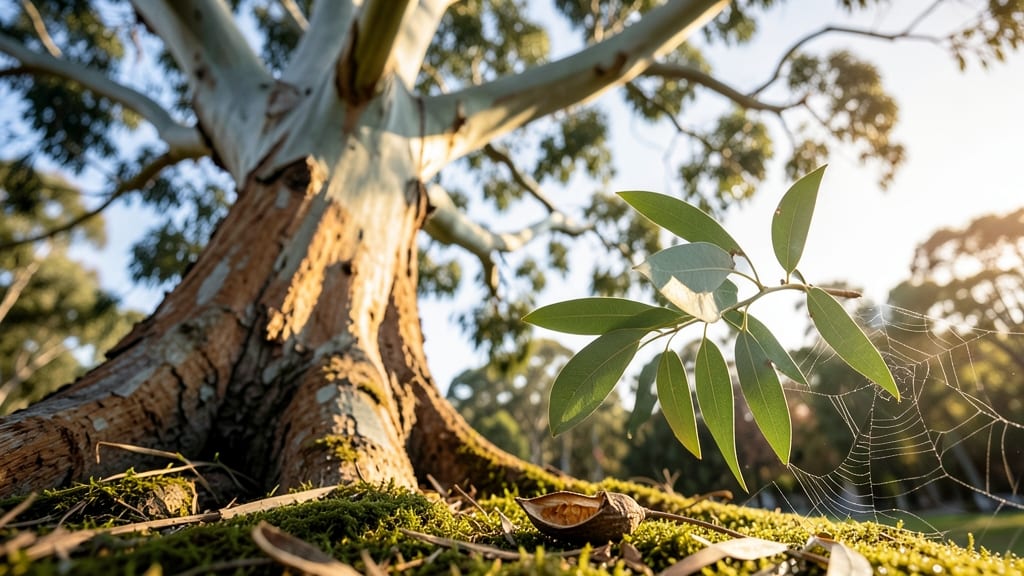
Tired of cockroaches invading your garden or home? These 10 natural plants act as powerful pest repellents, creating a chemical barrier that deters cockroaches without harsh chemicals. Discover how to use them strategically for long-term protection.
Lavender Bushes Repel Cockroaches Naturally
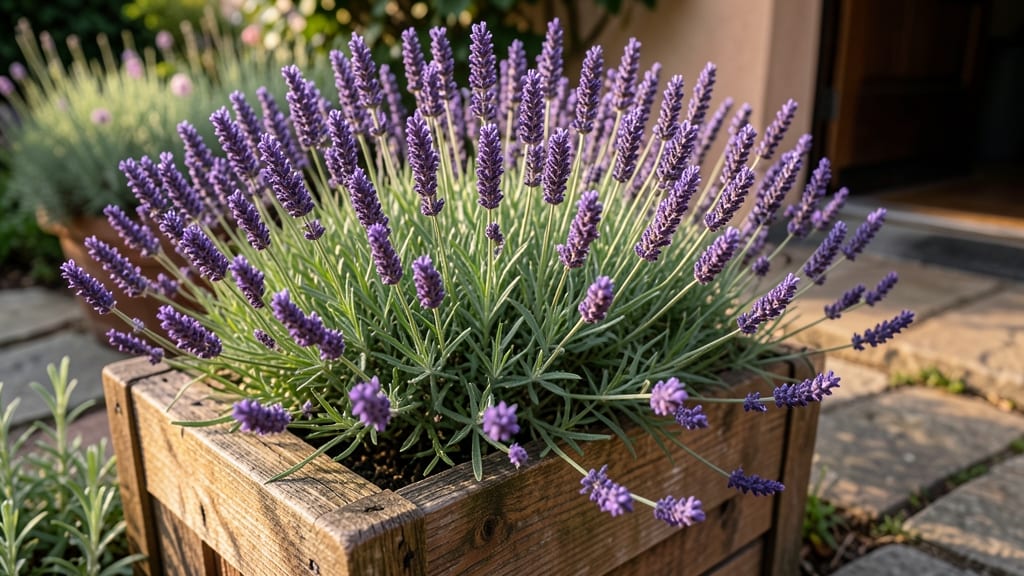
If you're dealing with cockroaches in your garden or near entry points, lavender bushes might be your secret weapon. Their strong, floral scent doesn’t just smell amazing—it disrupts cockroaches' ability to navigate by scent, making it nearly impossible for them to find their way to your home or plants.
Plant lavender along garden borders, near doors, or in pots by windows where cockroaches might enter. This drought-tolerant plant thrives in Mediterranean-style gardens and needs only full sun (6+ hours daily) and well-drained soil. For extra protection, place fresh or dried lavender bundles in problem areas like garages or basements.
Lavender’s dual purpose makes it ideal for gardeners who want beauty and pest control. It’s especially great for urban or small-space gardeners who need low-maintenance, high-impact solutions. 🌿
Catnip Plants Confuse Cockroach Trails
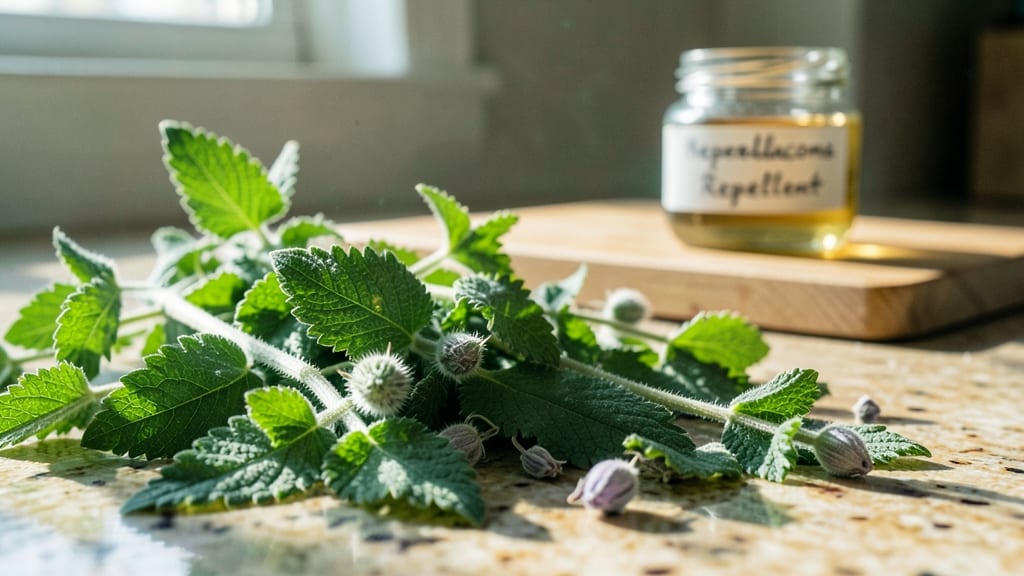
If you’ve ever struggled with cockroaches invading your kitchen or garden, catnip might be your secret weapon—it’s not just for cats! This hardy herb contains nepetalactone, a compound so powerful it’s 10 times more effective than DEET at repelling cockroaches. Unlike other plants, catnip disrupts their scent trails entirely, making it nearly impossible for them to find food sources.
Plant catnip in 10-12 inch pots near kitchen doors, garage entrances, or along foundation walls where cockroaches commonly travel. It thrives in full sun to partial shade and tolerates poor soil, making it perfect for urban gardens or balconies. For extra protection, crush a few leaves and place them in small sachets near problem areas—cockroaches will avoid the area entirely.
This low-maintenance plant is ideal for urban gardeners or anyone with limited space, offering a natural, chemical-free solution that works year-round. 🌿
Bay Leaves Create Chemical Barriers
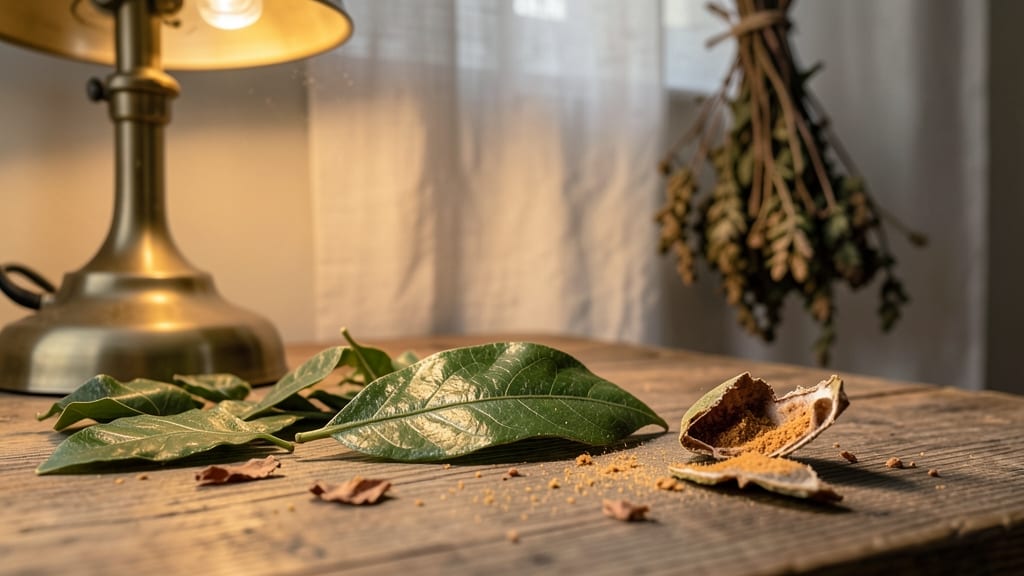
If you’ve ever struggled with cockroaches slipping past other repellents, bay laurel might be your secret weapon. Unlike lavender or catnip—which rely on scent alone—dried bay leaves contain eugenol, a compound that disrupts cockroach pheromone trails, making it harder for them to navigate and find food sources.
For immediate results, crush dried bay leaves and place them in small fabric sachets near problem areas like pantries, basements, or garden beds. Alternatively, grow bay laurel trees as living barriers—their strong aroma creates a natural deterrent. These evergreens thrive in partial shade and require minimal care, making them ideal for urban gardens or indoor pots.
This method is perfect for gardeners who want a low-maintenance, chemical-free solution that works both indoors and out. Plus, the same leaves you use for pest control can later be used in cooking! 🌿
Mint Plants Deter Cockroaches Effectively
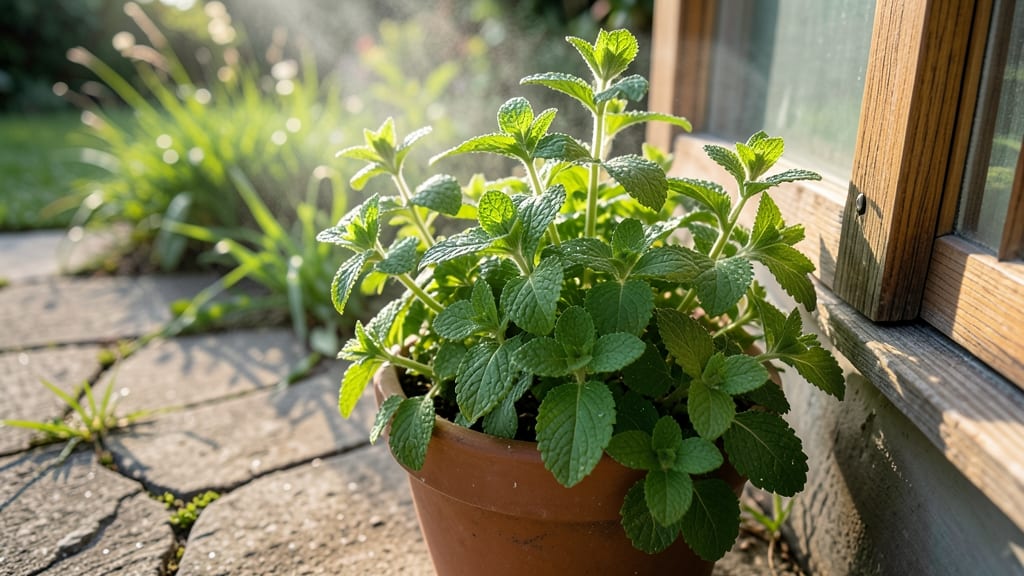
If you're dealing with cockroaches slipping through cracks or sneaking in through open windows, mint plants might be your secret weapon. Their menthol-rich scent doesn’t just freshen the air—it masks the chemical trails cockroaches follow to find food and shelter, effectively confusing them away from your home.
For best results, plant peppermint or spearmint in containers near high-traffic entry points like doors, windows, or garage thresholds. These varieties thrive in partial sun (4-6 hours daily) and prefer well-draining soil. Since mint spreads aggressively, containing it in pots also keeps it from taking over your garden. Refresh the plants every few months to maintain their potency.
This solution is perfect for urban gardeners with limited space or anyone who wants a low-maintenance, chemical-free way to keep cockroaches out. Plus, you’ll enjoy fresh herbs for teas or cocktails! 🌿
Lemon Balm Repels Cockroaches Naturally
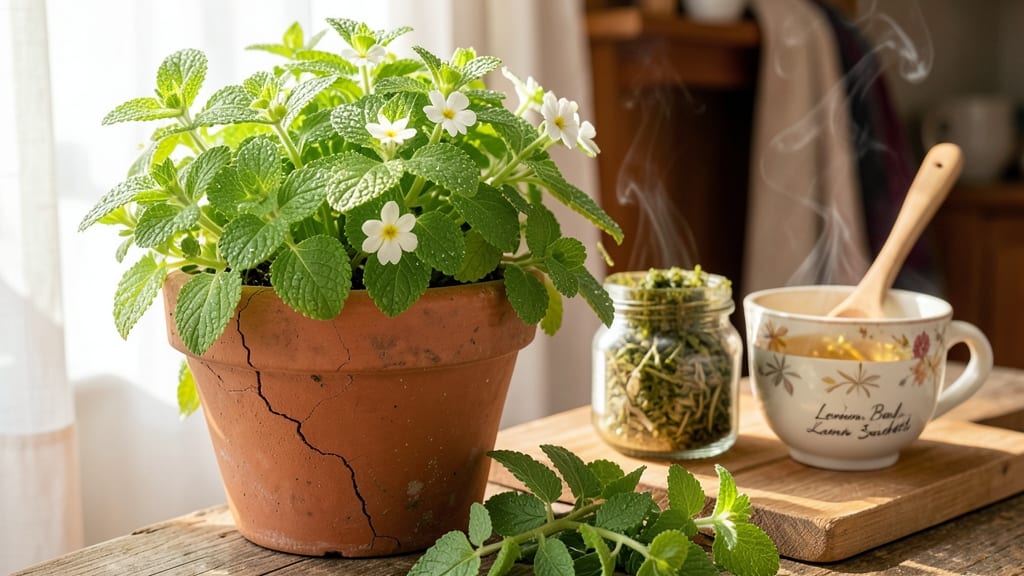
Want a plant that keeps cockroaches away while also adding a zesty touch to your kitchen? Lemon balm delivers both with its bright citrus scent that disrupts the pests' scent trails. Unlike other repellent plants, it doubles as a culinary herb, perfect for teas, salads, or pest-repelling sachets.
This hardy perennial thrives in partial shade to full sun and spreads quickly, making it ideal for hanging baskets near kitchen windows or along patio edges. Simply crush a few leaves occasionally to release its signature lemony aroma—cockroaches will avoid the area within days. It’s also drought-tolerant once established, requiring minimal watering.
Urban gardeners and herb enthusiasts will love lemon balm’s dual purpose, while beginners appreciate its low-maintenance nature. Plant it this spring for a fragrant, pest-free summer. ✨
Tea Tree Oil Plants Block Entry Points
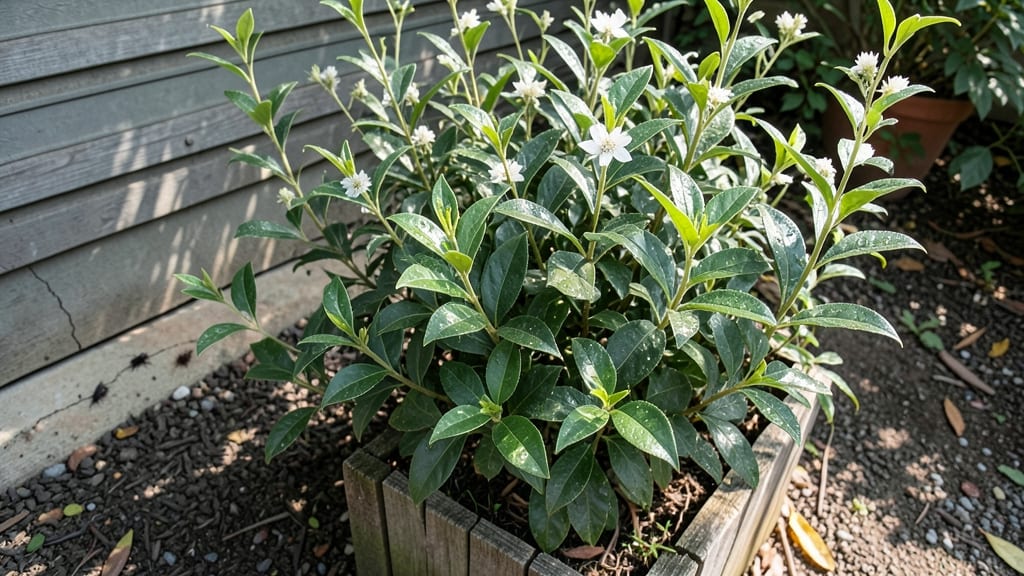
If you've ever spotted a cockroach scuttling through your garage or foundation cracks, tea tree plants might be your secret weapon. Unlike other repellents that simply mask scents, tea trees attack the pests at a cellular level—disrupting their exoskeletons with terpinen-4-ol, a compound found in their leaves and oil.
Position these evergreen shrubs near entry points like garage doors or along foundation edges where cockroaches commonly invade. They thrive in well-draining soil and tolerate partial shade, making them perfect for urban gardens or tight spaces. For extra protection, crush a few leaves near problem areas to release the oil's potent repellent properties.
This is especially useful for homeowners dealing with persistent infestations or those who prefer chemical-free solutions. Tea trees offer a dual benefit: they repel pests while adding year-round greenery to your landscape. 🌿
Citronella Grass Prevents Cockroach Infestations
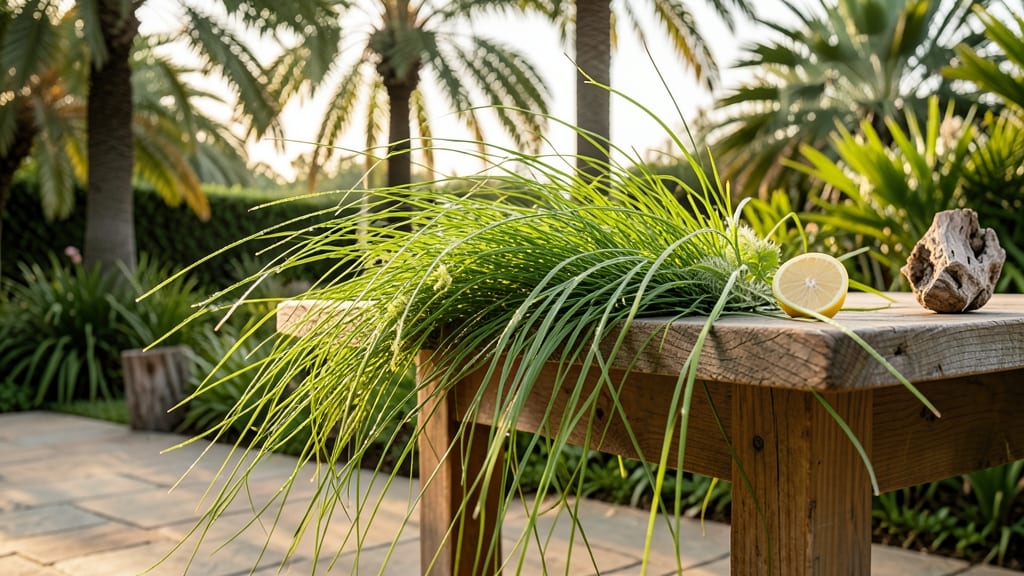
If you love hosting outdoor gatherings but dread cockroaches crashing your patio parties, citronella grass is your secret weapon. Unlike other repellent plants, this tropical favorite doesn’t just mask odors—it actively disrupts cockroach communication through its intense citrus scent, which they instinctively avoid.
For best results, grow citronella in tall containers (3–4 feet) near dining areas or along property edges where cockroaches enter. It thrives in full sun to partial shade and tolerates poor soil, making it perfect for urban balconies or rural perimeters. The bonus? It doubles as a natural mosquito repellent, so you’ll enjoy pest-free evenings year-round.
This is the go-to choice for outdoor enthusiasts or anyone with patio spaces, decks, or garden perimeters—no chemicals, just fresh air and happy hosting. 🌿
Rosemary Bushes Act as Natural Repellents
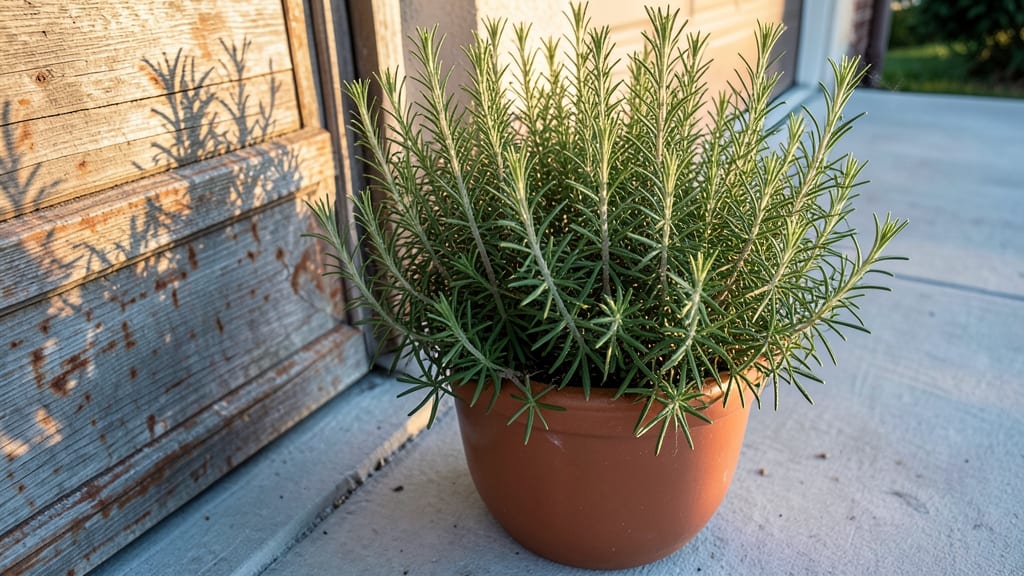
If you're dealing with cockroaches sneaking between your garage and home, rosemary bushes are your secret weapon. Unlike other repellent plants that mask scents, rosemary disrupts cockroach communication entirely—its pine-like aroma confuses their pheromone trails, making them avoid the area altogether.
For best results, plant rosemary in large pots near garage doors or along fence lines where cockroaches travel. It thrives in full sun to partial shade and prefers well-draining soil, making it perfect for containers. Prune regularly to encourage bushier growth, which strengthens its scent barrier. The hardy perennial also doubles as a culinary herb, so you’ll get fresh rosemary for cooking while keeping pests at bay.
Urban gardeners and homeowners with limited space will love rosemary’s dual-purpose benefits—it’s low-maintenance, drought-tolerant, and works year-round. 🌿
Marigold Flowers Confuse Cockroach Trails
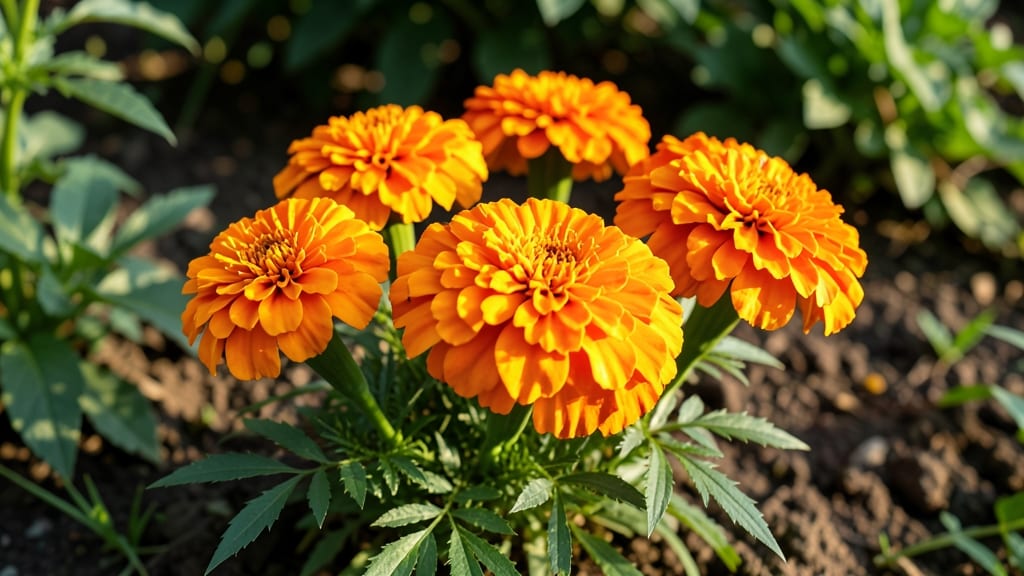
If you're looking for a dual-purpose plant that repels cockroaches and boosts your garden's beauty, marigolds are your secret weapon. These bright orange and yellow blooms contain pyrethrin compounds, which disrupt cockroach nervous systems—making them turn tail before they even reach your veggies.
Sow French marigolds (like 'Bonanza' or 'Tangerine') in borders around vegetable gardens or near foundation plants to create a natural barrier. They thrive in full sun to partial shade and tolerate poor soil, making them low-maintenance champions. Bonus: Their scent also deters nematodes, aphids, and even rabbits!
Perfect for beginners or urban gardeners with limited space, marigolds add vibrant color while keeping pests at bay—no chemicals required. 🌻
Eucalyptus Trees Block Cockroach Entry

If you're dealing with persistent cockroach problems, eucalyptus trees might be your secret weapon. Their natural oil contains cineole, a compound that creates an invisible but powerful barrier cockroaches instinctively avoid, making them less likely to cross into your property.
For best results, plant tall varieties like Eucalyptus globulus or Eucalyptus camaldulensis near property edges, walkways, or along foundation lines where cockroaches commonly travel. These trees thrive in full sun and well-draining soil, growing rapidly to create a natural, living perimeter. Their strong scent also doubles as a pleasant addition to your landscape.
This solution is perfect for homeowners with space for larger plants or those looking for a long-term, low-maintenance deterrent. The trees' height and scent create a protective zone that keeps cockroaches at bay without chemicals. 🌟