
Companion Plants
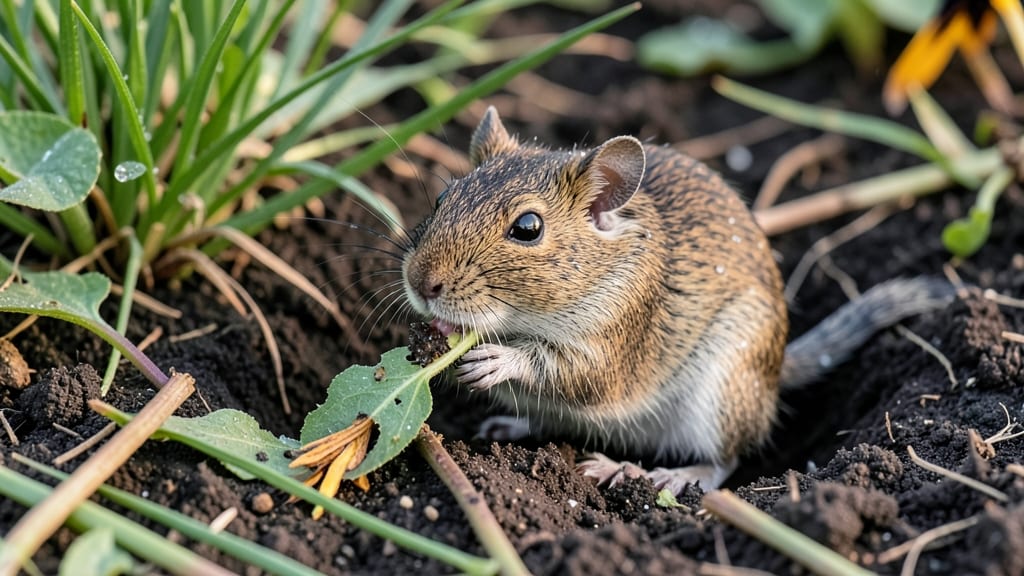
Voles hate these plants more than anything else in your garden. 🌱 I’ve lost entire rows of seedlings to these tiny, relentless chewers—until I discovered the plants that send them running for cover. The secret isn’t fancy traps or toxic chemicals, but strategic plant choices that voles instinctively avoid.
Start with daffodils, alliums, and lavender—their strong scents confuse vole navigation systems. Add in castor beans or marigolds, and you’ve created a natural barrier they’ll bypass. Even the smell of fresh mint or rosemary deters them. The best part? These plants thrive on their own, making them a low-maintenance solution.
Within weeks, you’ll notice fewer gnawed stems and more intact plants. Your garden beds stay protected without chemicals, and the flowers add beauty while doing the job. The key is planting them strategically around vulnerable areas—think of them as living security guards.
This works year-round, though spring planting gives you the strongest defense for summer’s peak vole activity. No more waking up to shredded leaves or vanished seedlings—just a garden that voles actively avoid. Ready to reclaim your plot?
📚 In This Guide
- What you need
- Instructions
- Tips and common mistakes
- Wrapping up and next steps
What you need
- ● Daffodils (Narcissus) – 5-10 bulbs (toxic to voles; plant in clusters)
- ● Snowdrops (Galanthus) – 10-15 bulbs (mildly toxic; great for early spring)
- ● Alliums (Allium sphaerocephalon) – 3-5 plants (strong onion scent deters voles)
- ● Crocuses (Crocus vernus) – 8-12 bulbs (toxic; plant in borders)
- ● Hyacinths (Hyacinthus orientalis) – 4-6 bulbs (intense fragrance voles avoid)
- ● Marigolds (Tagetes) – 6-10 plants (annual; strong scent repels pests)
- ● Garden trowel or bulb planter
- ● Garden gloves (for handling bulbs/scented plants)
- ● Compost or well-draining soil mix (1-2 bags, 40 lbs each)
- ● Organic mulch (straw or shredded leaves, 2-3 cubic feet)
- ● Watering can or hose with gentle spray nozzle
- ○ Optional: Chicken wire (for extra protection around young plants)
- ○ Optional: Castor oil-based repellent (for stubborn vole hotspots)
- ● Sunny or partially shaded garden bed (6+ hours of sunlight daily)
- ● Well-draining soil (amend with compost if clay-heavy)
- ● Patience! Bulbs take 4-6 weeks to establish roots before full vole deterrence.
How to create a vole-proof garden using natural plant barriers
Here's my go-to method for keeping voles away without chemicals—just smart plant choices and placement.
🌱 Step 1: Choose the Right Vole-Repelling Plants
Start by selecting plants voles naturally dislike. I always include daffodils (their bulbs are toxic), alliums (the strong scent deters them), and lavender (both its fragrance and fuzzy stems discourage digging). Other top picks are foxglove (mildly toxic), hyacinths (strong odor), and rosemary (woody stems they avoid). Plant these in clusters around your garden's perimeter—voles hate crossing open, fragrant zones.
For extra protection, add mugwort or rue near vulnerable areas. These plants release compounds that repel rodents through their roots and foliage. I like to interplant them with ornamental grasses like feather reed grass—the vertical texture breaks up vole pathways while adding texture to the garden.
🌿 Step 2: Create Physical Barriers with Thorny or Dense Plants
Voles can't climb or penetrate thick, spiky plants, so I strategically place barberry (sharp thorns), honey locust (long, tough thorns), or blackberry bushes along garden edges. These act as natural fences while adding beauty. For smaller gardens, roses with thorns or smartweed (a native groundcover with prickly stems) work perfectly.
Plant these in a 2-3 foot wide band around your garden's perimeter. The key is density—voles can squeeze through gaps wider than 4 inches, so keep plants tightly grouped. I always check for gaps larger than a quarter and fill them with additional foliage.
✂️ Step 3: Maintain Plant Health and Vole-Free Zones
Healthy, vigorous plants are your best defense. I water deeply once a week (until soil is 2 inches damp) to keep roots strong, and fertilize lightly with compost tea every 4-6 weeks. Weak or dying plants attract voles—they gnaw on stressed vegetation first. Prune regularly to remove dead stems and leaves where voles might hide.
Create a 3-foot wide mulch-free zone around your garden's edge. Voles tunnel under mulch, so use gravel or coarse sand instead. This forces them to surface where they're visible. I also place hardware cloth (¼-inch mesh) around young plants until they're established—voles can't chew through it, but it's hidden by foliage.
💧 Step 4: Rotate and Refresh Plants Seasonally
Voles get used to familiar plants, so I rotate my barrier plants every 2-3 years. Swap out daffodils for fritillaries or crocuses—both are vole-resistant but different enough to confuse them. In fall, I add wintergreen or winter savory to keep voles away during dormant months when they're most active.
After each growing season, I inspect my barrier plants for damage. If voles have nibbled on any, I replace that section with a new type of repellent plant. This keeps them guessing and prevents them from learning how to bypass my defenses. A fresh, diverse barrier is always more effective than a predictable one.
Tips & tricks for creating an effective vole-repelling garden barrier
Here's what I've learned after years of battling voles in my garden—and how to make your barrier work even better.
Plant Placement Strategy: When arranging your daffodils, alliums, and lavender in Step 1, create a staggered pattern rather than straight lines. Voles are less likely to cross irregular plant groupings because they disrupt the rodents' natural tunneling paths. I also recommend planting the most pungent varieties—like foxglove and hyacinths)—facing vulnerable garden areas, as their strong scents create a natural deterrent zone.
Thorny Plant Selection: In Step 2, if you're working with limited space, prioritize roses with thorns or smartweed over larger shrubs like honey locust. These plants provide excellent coverage while requiring less maintenance. For maximum effectiveness, interplant your thorny barriers with feather reed grass—the vertical stems create a physical obstacle that voles can't navigate, even if they find gaps between plants.
Mulch-Free Zone Maintenance: The 3-foot mulch-free zone in Step 3 is crucial, but don't let it become a maintenance burden. Use gravel or coarse sand that matches your garden's aesthetic—there are decorative options that look intentional rather than like a bare spot. I've found that quartz pebbles work beautifully and still deter voles while adding visual appeal. Just make sure the surface remains smooth—rough edges can create hiding spots for rodents.
Seasonal Rotation Insight: When rotating plants every 2-3 years as mentioned in Step 4, consider the vole's perspective. If you've had issues with daffodils being nibbled, try fritillaries in their place—they have similar toxic properties but different growth habits. The key is keeping voles off-balance; they're creatures of habit and will eventually learn to bypass predictable barriers. I've found that adding wintergreen in fall creates an extra layer of protection during their most active season.
Pro Tips for Plants Voles Hate
- Here's what I've learned after years of battling voles in my garden—and how to make your barrier work even better.
- Plant Placement Strategy: When arranging your daffodils, alliums, and lavender in Step 1, create a staggered pattern rather than straight lines.
- Thorny Plant Selection: In Step 2, if you're working with limited space, prioritize roses with thorns or smartweed over larger shrubs like honey locust.
Frequently asked questions
Got questions about keeping voles away with plants?
You’re not alone! Here are some of the most common concerns—and answers—to help you create a vole-proof garden with confidence.
Which plants are the most effective at repelling voles?
Voles despise strong-smelling plants like marigolds, daffodils, alliums (like garlic and chives), and castor beans. These plants disrupt their sense of smell and taste, making your garden less appealing. For best results, plant them in clusters around vulnerable areas like flower beds or vegetable patches.
How long does it take for these plants to deter voles?
Some plants, like marigolds or castor beans, start repelling voles as soon as they’re established (about 4-6 weeks after planting). Others, like daffodils or alliums, may take a full growing season to fully deter them. Combine plants with physical barriers (like hardware cloth) for immediate protection while waiting for the plants to mature.
Can I use herbs like mint or lavender to keep voles away?
While mint and lavender are vole-repelling, they can be invasive and may not provide strong enough deterrence on their own. Use them as supplemental plants alongside other vole-hating varieties. For example, plant mint near pathways or in containers to contain its spread while still offering some protection.
What if voles keep coming back even after planting?
If voles persist, they may be seeking shelter or food elsewhere. Check for:
- Hidden entry points (like gaps in fences or mulch piles).
- Alternative food sources (like fallen fruits or seeds).
- Competing predators (like cats or snakes) that might be scaring them away temporarily.
For stubborn infestations, combine plants with physical barriers (like buried hardware cloth) or natural predators (like owls or snakes).
Are there any plants voles love that I should avoid?
Yes! Voles are particularly fond of tender, soft-stemmed plants like hostas, tulips, and young seedlings. If you’re growing these, plant them in raised beds or containers to keep them out of reach. Pair them with vole-repelling plants to create a natural buffer zone.
Wrapping up and next steps
Transforming your garden into a vole-free zone is simpler than you think! By leveraging plants voles hate—like marigolds, daffodils, and alliums—you’re not just protecting your prized plants, you’re creating a thriving, natural ecosystem.
These barriers work quietly in the background, so you can focus on enjoying your green space without the stress of gnawed roots or vanished bulbs.
Ready to take action? Start small: plant a few vole-deterring varieties this season and expand as you see results. Your garden—and your peace of mind—will thank you! 🌱✨