
Plants
Struggling with soggy soil? These 10 fast-growing plants excel in drainage, preventing root rot while adding beauty and functionality to your garden. Perfect for wet climates, poorly drained areas, or containers needing improved airflow.
Corkscrew Willow Tree
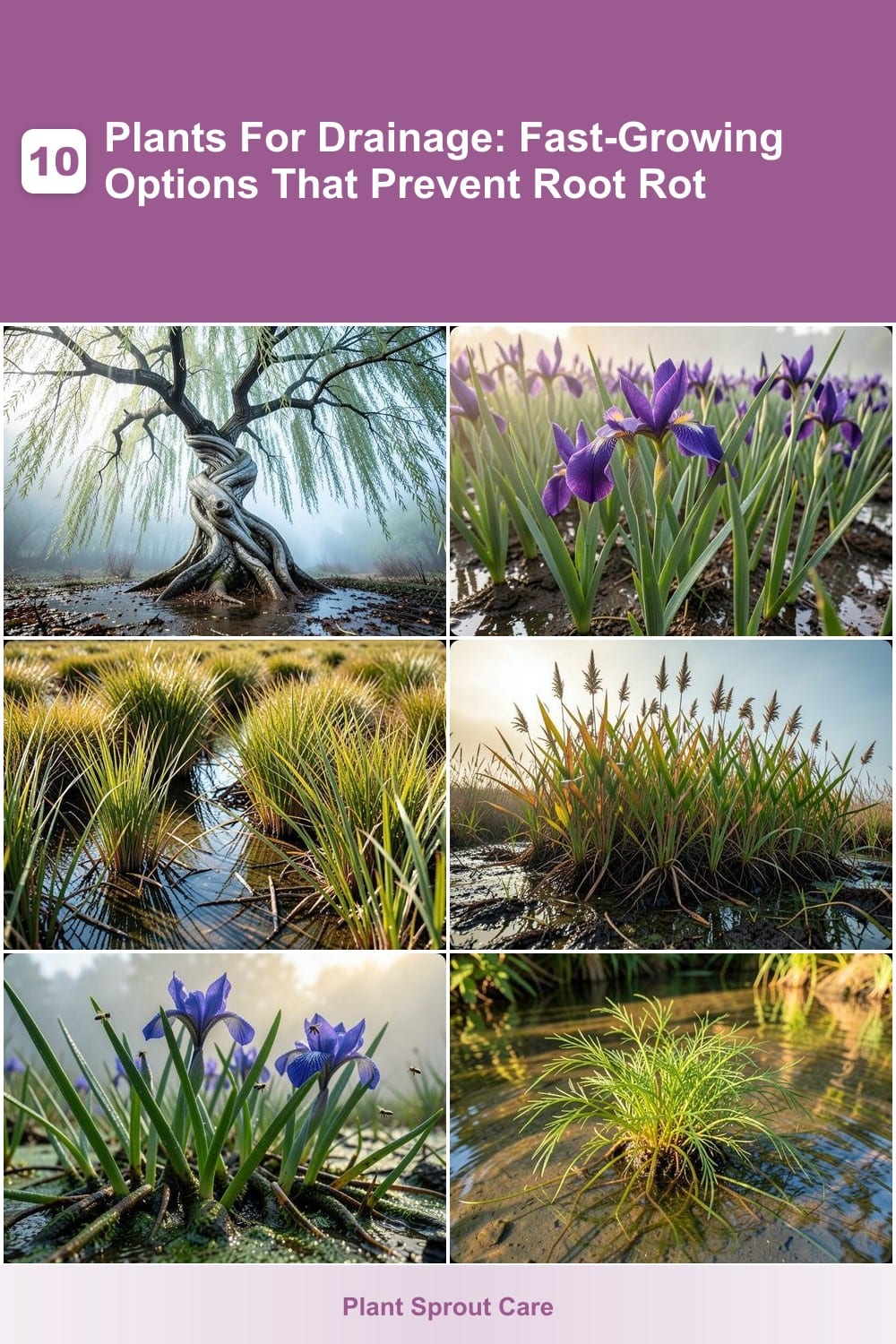
If you’ve got a soggy spot that feels like a swamp but refuses to dry out, the corkscrew willow tree is your unexpected hero. This striking tree thrives in waterlogged soils while also handling drought—making it a dual-purpose solution for drainage challenges and architectural flair.
Its signature twisted branches create a dramatic focal point in any garden, while its deep roots naturally aerate compacted soil. Plant it in bog gardens, rain gardens, or along pond edges for instant visual impact. The tree’s golden-green foliage adds seasonal interest, and it’s low-maintenance once established.
Perfect for gardeners who want both function and form, this tree is ideal for larger landscapes where its mature height (up to 30 feet) can be showcased. 🌟
Japanese Iris Plants
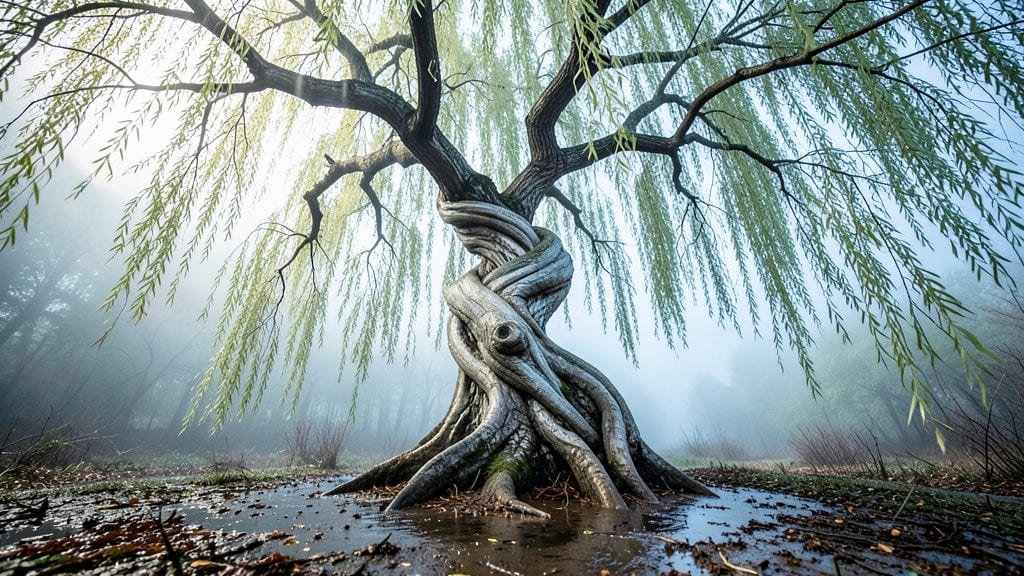
Want a low-maintenance plant that thrives in soggy soil while adding bold color to your garden? Japanese iris is your answer—these hardy perennials handle saturated soil like a pro and reward you with striking purple blooms that pop against their sword-like foliage.
Unlike other wetland plants, Japanese iris improves soil aeration over time thanks to their fibrous root systems, making them a dual-purpose solution. Plant them in rain gardens, pond edges, or low-lying areas where water pools after heavy rain. They prefer full sun to partial shade and bloom in late spring to early summer, lasting 3-4 weeks.
Ideal for gardeners who want beauty without the fuss, these irises are also drought-tolerant once established and deer-resistant. Perfect for small spaces or containers with drainage holes, they’ll keep your soggy spots looking vibrant year after year. 🌷
Sweet Flag Grass
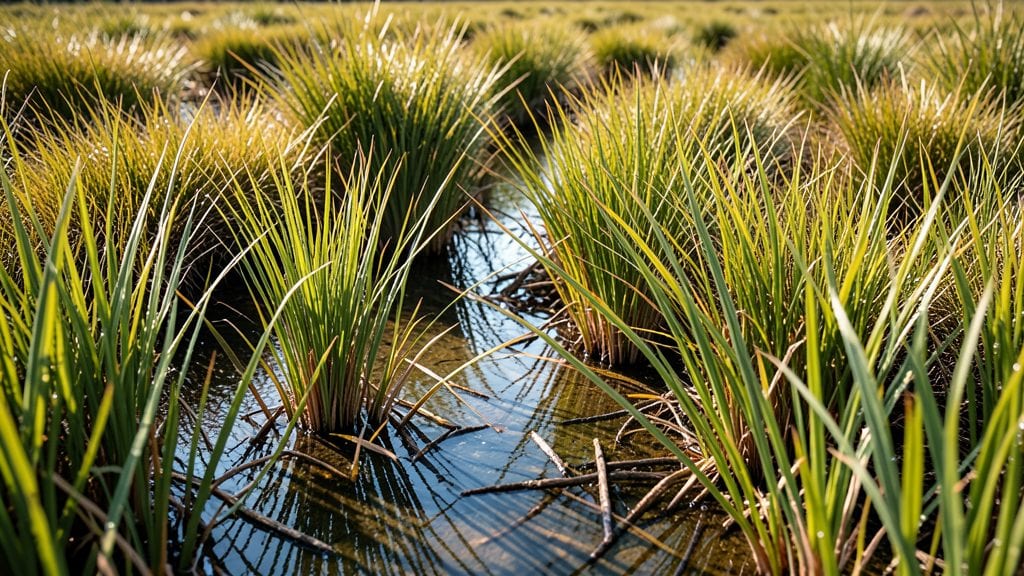
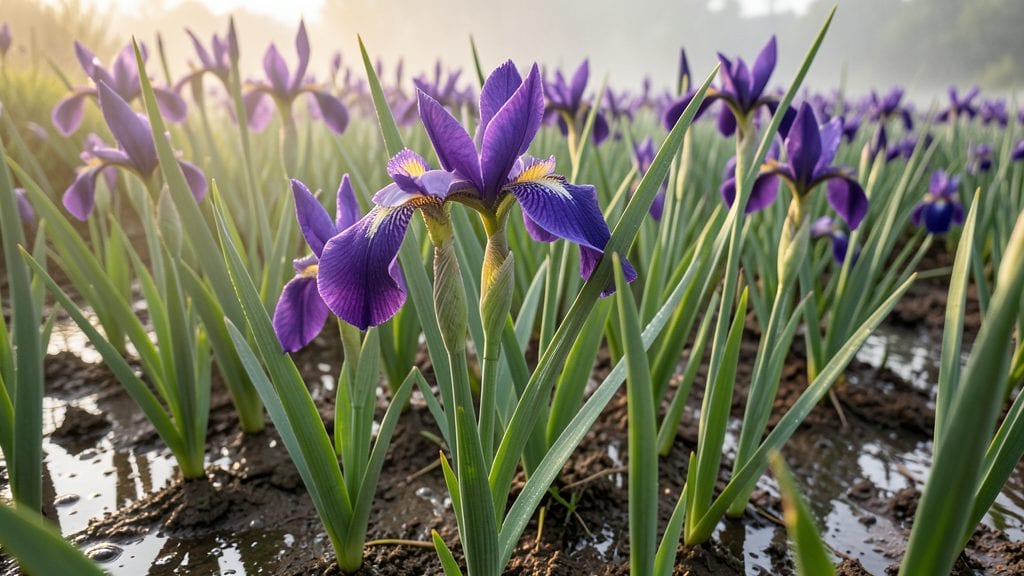
If your garden has areas where water pools and refuses to drain, sweet flag grass (Acorus calamus) is your secret weapon. This hardy, native wetland grass thrives in standing water and spreads aggressively—naturally creating drainage pathways while adding striking texture to ponds, bogs, or rain gardens.
Its sword-like foliage grows in dense clumps, reaching 3–5 feet tall, and produces delicate yellow flower spikes in spring. Unlike other wetland plants, sweet flag grass tolerates full sun to partial shade and even suppresses weeds, making it a low-maintenance workhorse. Plant it in shallow water (1–6 inches deep) or moist soil for best results.
Perfect for eco-conscious gardeners or those with water features, this grass also attracts pollinators and adds a natural, wild aesthetic to any wetland design. 🌿
Cattails for Wetlands
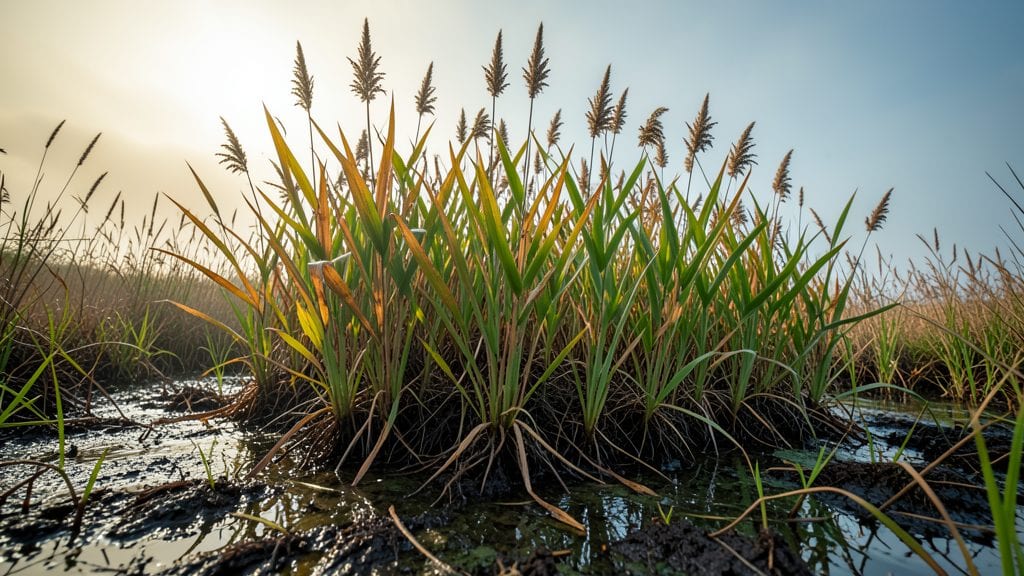
If your soggy soil feels like a lost cause, cattails are the unsung heroes you’ve been missing. These fast-growing wetland natives don’t just survive in standing water—they actively purify soggy soil by absorbing excess nutrients and filtering pollutants, making them nature’s own water treatment system.
With their tall, dramatic plumes reaching 6-8 feet, cattails add vertical drama to marshy areas while providing critical habitat for birds, frogs, and pollinators. Plant them in clusters along pond edges, rain gardens, or any area where water pools after heavy rain. Their deep roots break up compacted soil over time, improving drainage naturally. Bonus: They’re completely low-maintenance—just avoid overcrowding, as they spread aggressively once established.
Perfect for eco-conscious gardeners or wildlife lovers, cattails transform problematic wet spots into functional ecosystems. 🌻
Blue Flag Iris
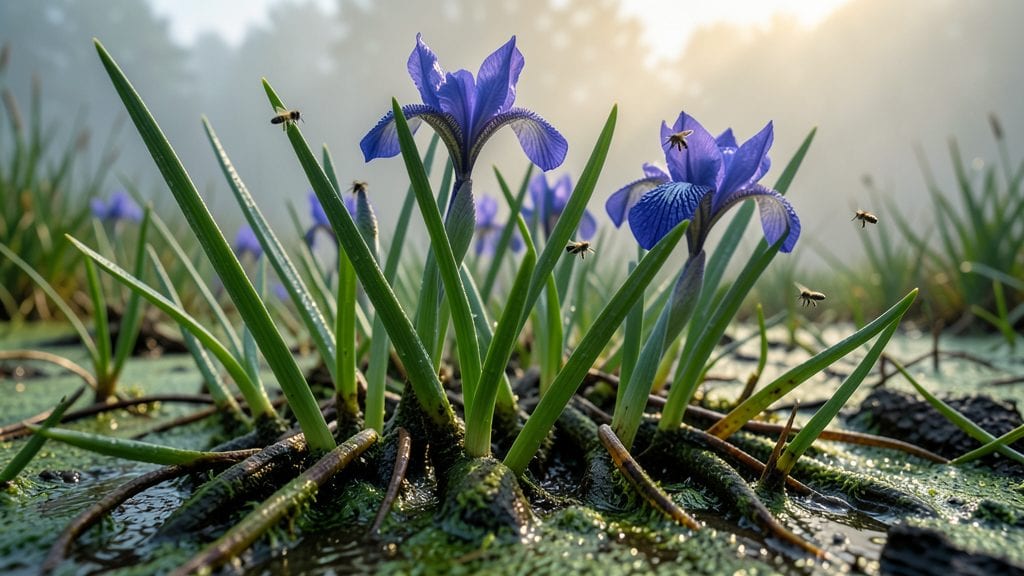
Tired of soggy soil ruining your garden’s foundation? The blue flag iris (Iris versicolor) is a native wetland powerhouse that doesn’t just survive saturated soils—it thrives in them while producing showstopping blue-violet blooms that attract pollinators. Unlike other wetland plants, its deep, rhizomatous roots actively break up compacted, waterlogged earth, creating natural drainage pathways over time.
This hardy perennial blooms in late spring to early summer, with flowers that last 3-4 weeks, and prefers full sun to partial shade. Plant it in pond edges, rain gardens, or low-lying areas where water pools after heavy rain. Its glossy, sword-like foliage stays lush year-round, making it a low-maintenance star for wetland gardens. Just avoid overcrowding—its roots spread aggressively once established.
Perfect for eco-conscious gardeners or those with problematic wet spots, blue flag iris adds color and function without the fuss. Plus, it’s deer-resistant and thrives in containers with proper drainage. 💚
Pondweed Aquatic Plants
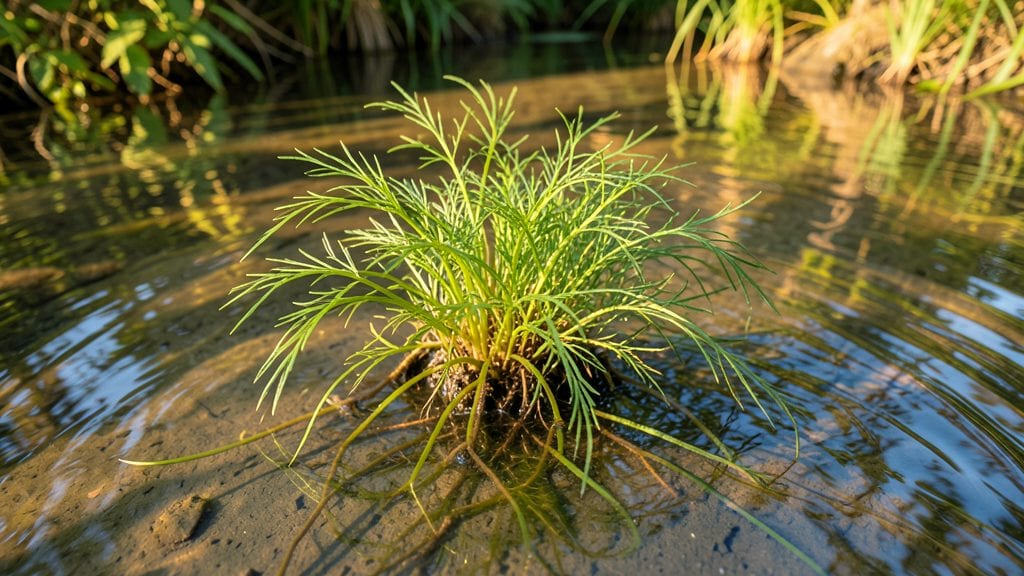
Got a pond or water feature that’s turning murky and stagnant? Pondweed is your underwater ally—this fast-growing submerged plant doesn’t just survive in still water; it actively oxygenates stagnant water while preventing sludge buildup and keeping ecosystems balanced.
With delicate green leaves and stems that float or anchor in water up to 3 feet deep, pondweed thrives in poor circulation areas where other plants would struggle. It spreads quickly, creating a natural filter that reduces algae blooms and improves water clarity. Plant it in ponds, rain gardens, or even large containers with standing water for instant benefits.
Perfect for eco-conscious gardeners or those with waterlogged problem spots, pondweed is low-maintenance and doubles as a fish habitat. Just avoid overcrowding—its rapid growth can become invasive if unchecked. 🌿
Marsh Marigold Flowers
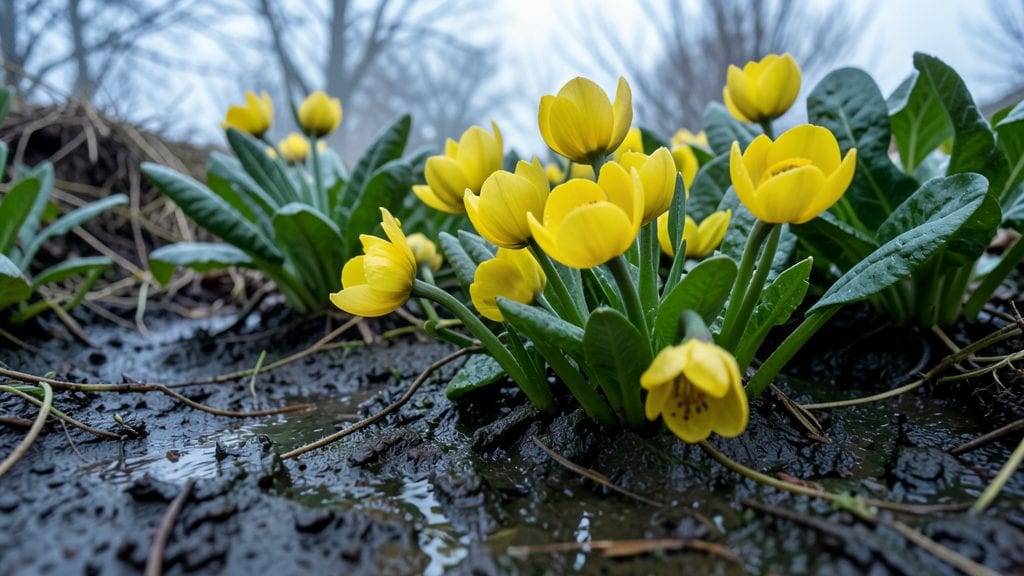
Tired of dull, waterlogged corners that refuse to bloom? Marsh marigold flowers (Caltha palustris) turn soggy spots into vibrant focal points with their bright yellow blooms that appear in early spring before most gardens wake up.
This hardy perennial thrives in shady, waterlogged soil where other plants struggle, spreading quickly to create natural drainage zones while its glossy, round leaves add texture year-round. Plant it in woodland gardens, pond edges, or low-lying areas—it tolerates full sun to deep shade and even suppresses weeds. Just keep an eye on its aggressive spread; divide clumps every 2-3 years to maintain control.
Perfect for gardeners who want low-maintenance beauty in challenging spaces, marsh marigolds are also deer-resistant and attract early pollinators. Their cheerful blooms bring life to the darkest, wettest corners of your garden. ✨
Carex Sedges for Containers
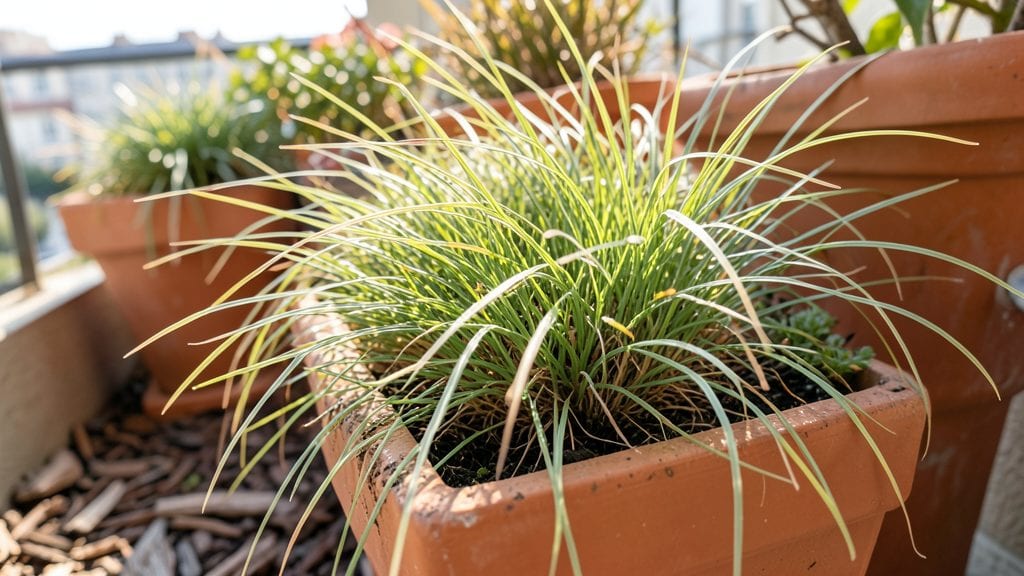
Balcony gardeners and patio plant lovers, meet your new drainage hero: Carex sedges. These compact, fast-growing grasses thrive in containers where water pools, thanks to their fibrous root systems that actively improve soil aeration while preventing root rot. Unlike traditional drainage plants, they’re perfect for small spaces—no soggy ground required.
Choose varieties like Carex oshimensis (evergreen) or Carex morrowii (clumping) for year-round texture. Plant them in terracotta pots with drainage holes or even shallow saucers where water lingers. Their arching foliage adds movement and contrast to stone patios or modern planters, while occasional yellow flower spikes in spring bring unexpected color. Just keep soil consistently moist (but not waterlogged) and trim back in early spring to encourage fresh growth.
Ideal for urban gardeners with limited space or anyone struggling with container drainage, Carex sedges prove that even small pots can solve big drainage problems. Their low-maintenance nature makes them perfect for busy gardeners who want beauty without the fuss. 🌿
Water Hyacinth Floating Plants
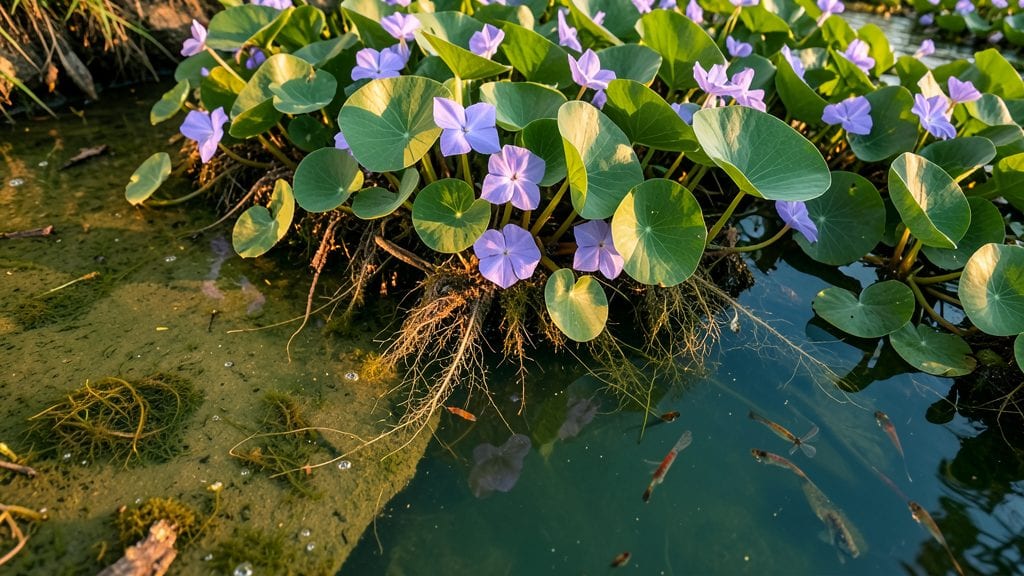
Struggling with murky, nutrient-rich water that breeds algae and stunts aquatic life? Water hyacinth isn’t just a pretty face—it’s a powerhouse natural water filter that can clean polluted ponds, lakes, or even stormwater retention ponds in as little as 6 weeks. Unlike other aquatic plants, it thrives in stagnant, nutrient-heavy water while absorbing up to 70% of excess nutrients like nitrogen and phosphorus that fuel algae blooms.
These fast-growing floating plants produce lavender-blue flowers that attract pollinators while their deep roots create a dense mat that blocks sunlight—starving algae of the energy it needs to grow. Plant them in containers or directly in water (they multiply rapidly, so start with small clumps). For best results, harvest and compost the plants every 3-4 months to maintain balance, or use them as mulch for garden beds.
Perfect for eco-conscious gardeners, pond owners, or urban water managers, water hyacinth turns problematic water into a self-sustaining ecosystem. Just check local regulations—some regions consider it invasive. 💚
Switchgrass Native Perennials
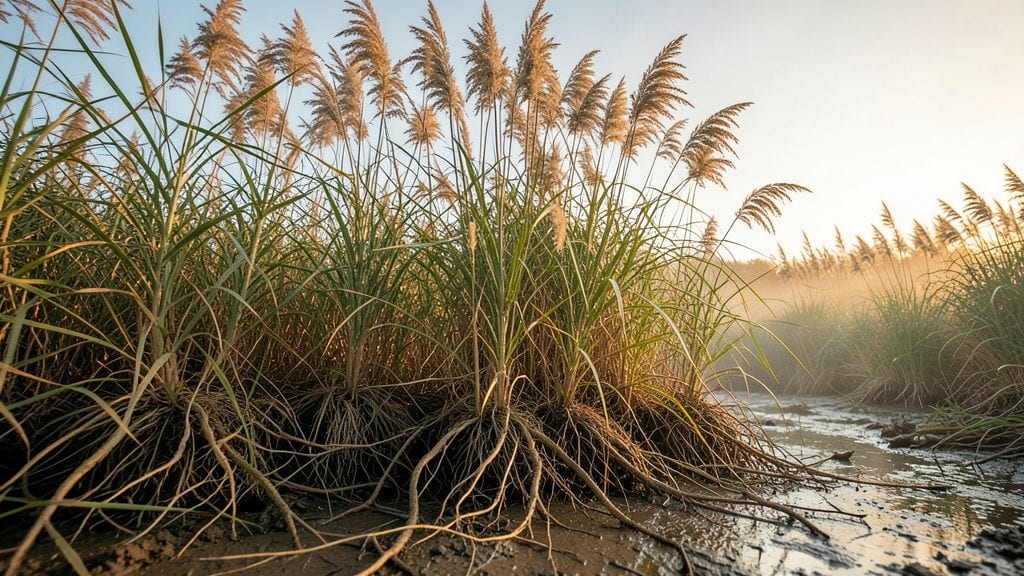
Want a drought-tolerant yet wetland-loving plant that doubles as a natural drainage solution? Switchgrass (Panicum virgatum) is your answer—a tall ornamental grass that thrives in soggy soils while improving drainage through its deep, fibrous root systems. Unlike other wetland plants, it adapts to both waterlogged areas and drier conditions, making it versatile for rain gardens or problem spots.
This native perennial grows 3–6 feet tall, with feathery plumes that sway in the breeze, adding movement and texture to your landscape. Plant it in full sun to partial shade in moist to wet soils, and watch it create natural pathways for water flow while supporting pollinators. Its low-maintenance nature means minimal upkeep once established, and it even tolerates occasional flooding.
Perfect for eco-conscious gardeners or those with challenging wet spots, switchgrass blends seamlessly into meadows, rain gardens, or even as a privacy screen along pond edges. Plus, its year-round interest—from spring’s fresh foliage to winter’s seed heads—keeps your garden dynamic. 🌻