
Companion Plants
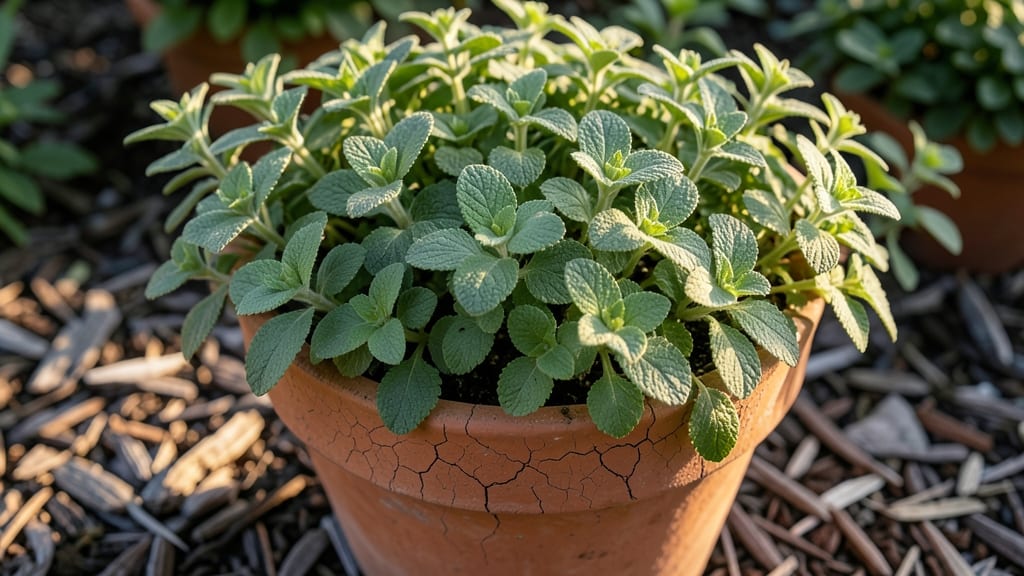
Tired of chemical pesticides wreaking havoc on your garden? These 10 powerhouse plants act as natural pest deterrents, protecting your yard while adding beauty and ecological benefits. Discover the perfect pest-repelling plants for your climate and garden style.
Marigolds for Bug-Repelling Beauty
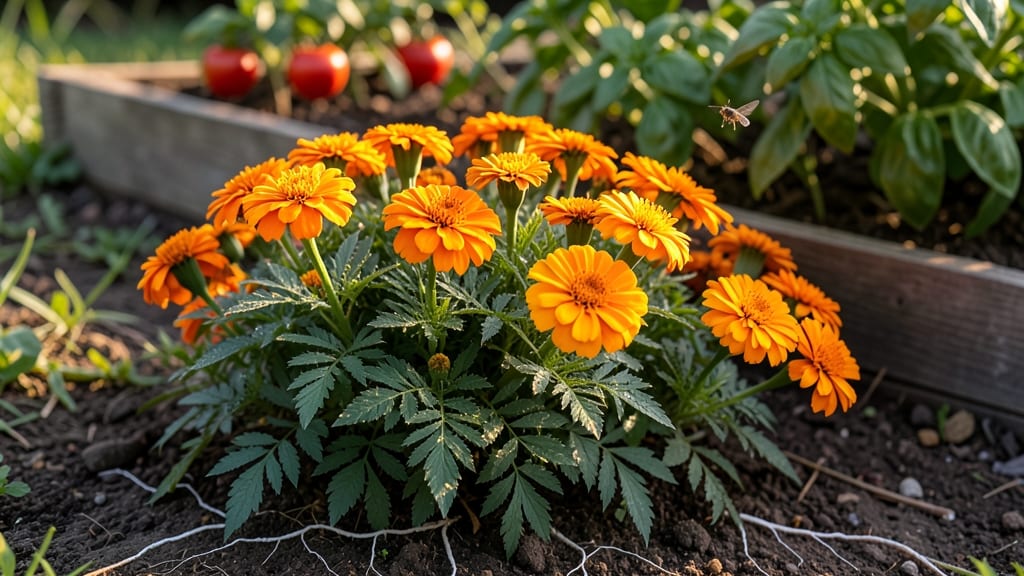
Brighten your garden while keeping pests at bay with marigolds, the cheerful annuals that pack a double punch. Their vibrant blooms deter nematodes (soil-dwelling pests), aphids, and even mosquitoes—all while adding a pop of color to borders, containers, or vegetable beds.
Plant French marigolds (taller varieties) or African marigolds (bushier) in full sun, spacing them 12-18 inches apart. The key to their pest-repelling power lies in their strong scent, which disrupts insects' feeding patterns. For extra protection, interplant them with tomatoes, cucumbers, or squash—they’ll thrive together all season long.
Perfect for beginners and urban gardeners, marigolds are low-maintenance and self-seeding, meaning they’ll return year after year with minimal effort. 🌻
Lavender to Keep Mosquitoes Away
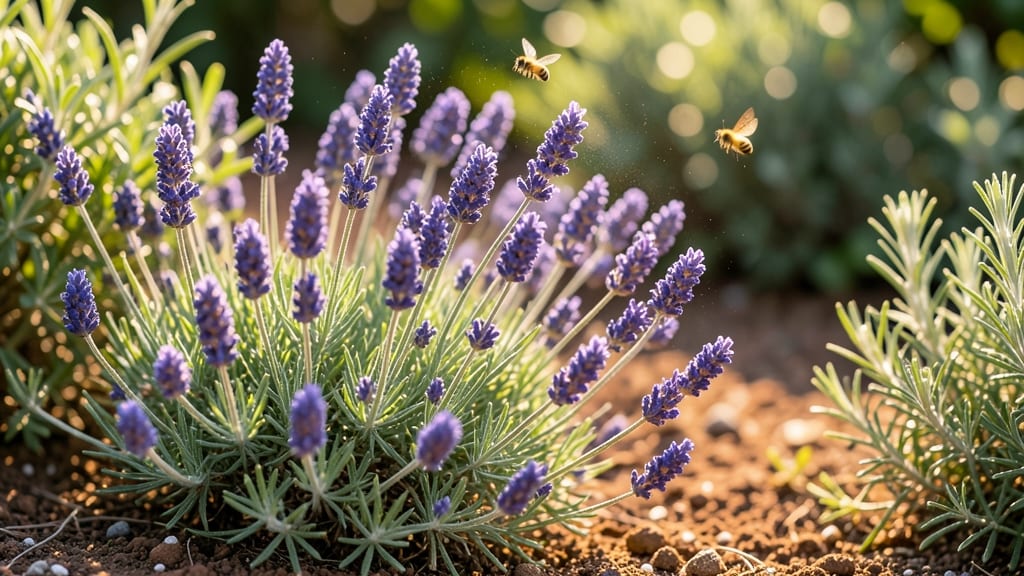
If you’re tired of swatting mosquitoes while tending to your garden, lavender is your secret weapon. This fragrant perennial doesn’t just smell heavenly—it naturally repels mosquitoes, moths, and even fleas while drawing in bees and butterflies. Unlike marigolds, which are annuals, lavender thrives for years with almost no fuss.
Plant English lavender (the most common variety) in full sun with well-draining soil, spacing plants 18-24 inches apart. Prune lightly after blooming to encourage bushier growth, and avoid overwatering—lavender despises soggy roots. Its silvery foliage and purple spikes add texture to borders, rock gardens, or even as a low hedge along walkways.
Perfect for sunny climates (USDA zones 5-9), lavender’s dual role as both a pest repellent and pollinator magnet makes it a must-have for eco-conscious gardeners. 🌿
Basil for Pest-Free Herb Gardens
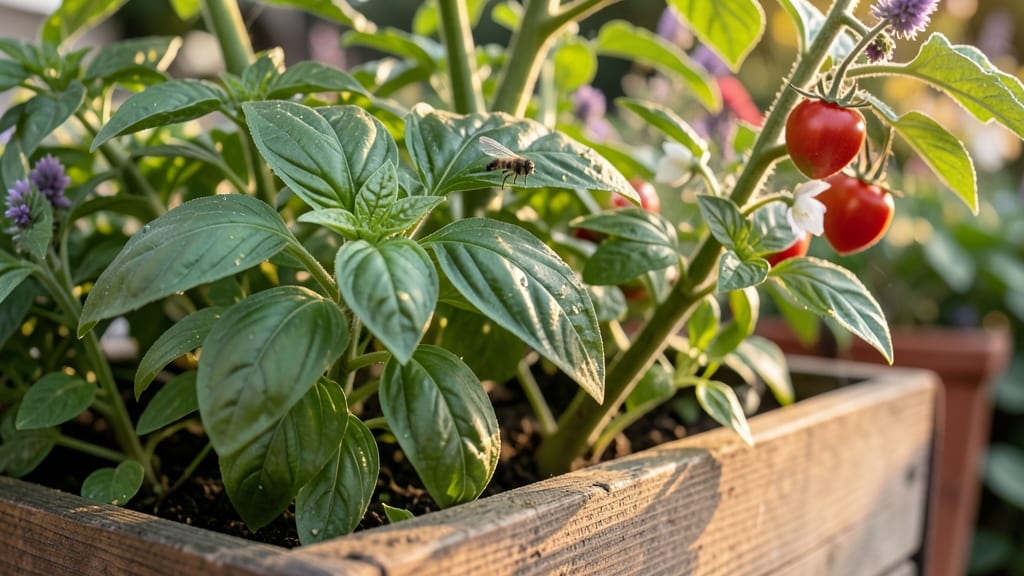
If you love fresh herbs but dread flies buzzing around your garden, basil is your secret weapon. This versatile annual repels flies, mosquitoes, and thrips while adding a fragrant, edible touch to your space—no chemicals needed.
Plant Genovese basil or Thai basil near tomatoes to create a pest-free power duo: the basil’s scent deters pests, while its presence boosts tomato flavor and yield. Keep it in well-draining soil with 6+ hours of sun daily, and pinch back flowers to encourage leaf growth. Harvest regularly to promote bushier, more productive plants.
Urban gardeners and herb enthusiasts will love basil’s dual role—it’s a low-maintenance pest repellent and a kitchen staple. Just avoid overwatering to prevent fungal issues. 💚
Garlic Chives for Aphid Control
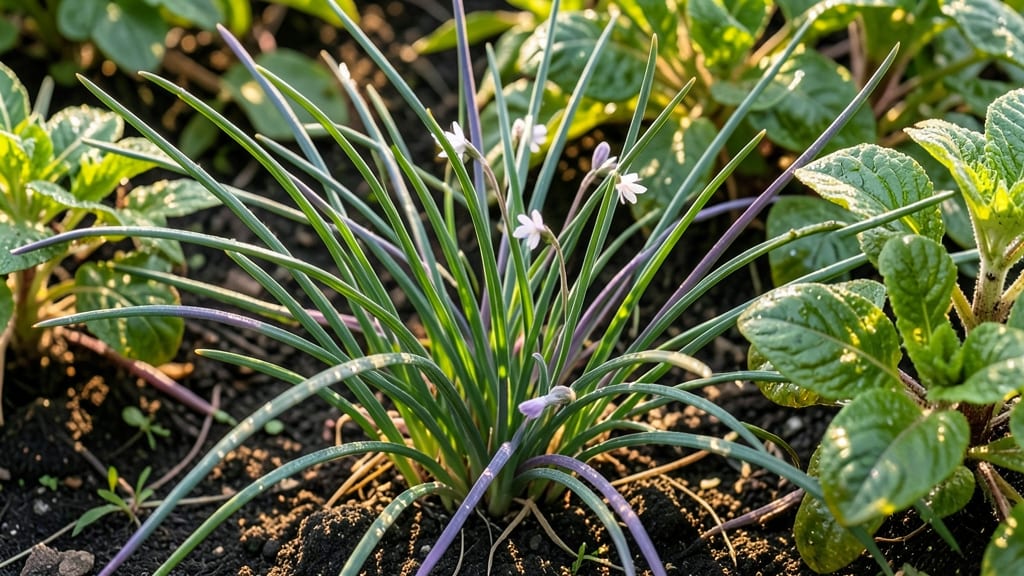
If you’re tired of aphids turning your plants into sticky messes, garlic chives are your secret weapon—this cold-hardy perennial fights off pests while adding flavor to your meals. Unlike other pest-deterring plants, garlic chives tackle aphids, carrot flies, and Japanese beetles with their strong garlic scent, making them a versatile addition to any garden.
Plant garlic chives in full sun to partial shade, where they’ll thrive in well-draining soil. Their edible leaves can be snipped fresh for cooking, while their delicate white flowers add a touch of elegance to containers or kitchen gardens. For best results, space them 12-18 inches apart and divide clumps every few years to keep them vigorous.
Urban gardeners and small-space growers will love how well garlic chives perform in containers, while their year-round hardiness (in USDA zones 3-9) means they’ll keep working for you season after season. 🌱
Citronella Grass for Mosquito Barriers
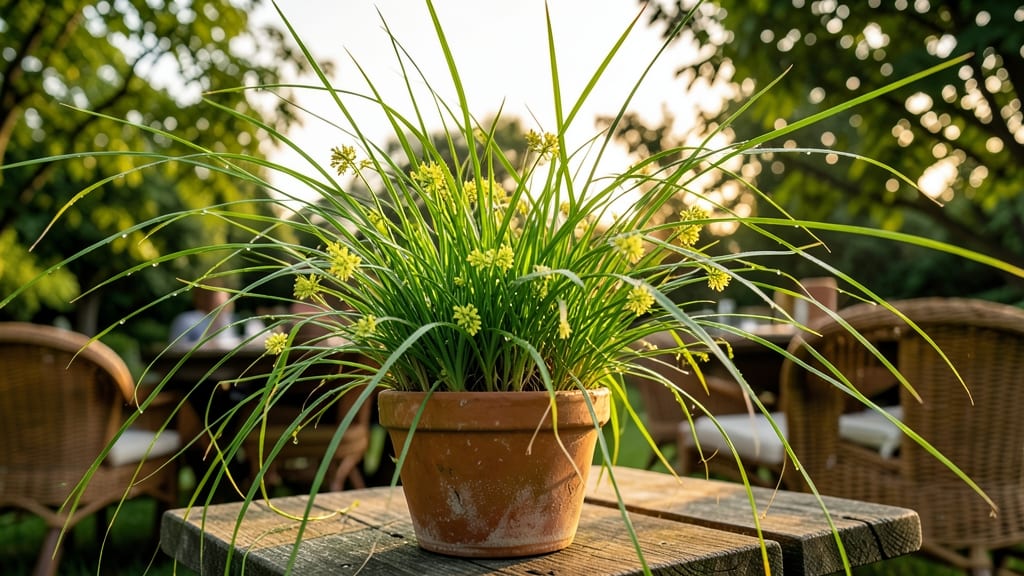
If you love outdoor gatherings but dread mosquitoes crashing the party, citronella grass is your secret weapon. This tropical plant doesn’t just repel mosquitoes—it also deters flies, gnats, and other biting insects with its potent citrus scent, making it a natural alternative to chemical sprays.
Best for warm climates (USDA zones 9-11), citronella thrives in full sun and well-drained soil. In cooler regions, grow it in containers so you can move it indoors during frost. The key to its effectiveness is planting it in clusters around patios, decks, or near seating areas—its tall, grass-like foliage creates a living barrier while releasing that signature mosquito-repelling aroma when brushed against.
Whether you're a patio gardener or a tropical landscape enthusiast, citronella grass offers a fragrant, chemical-free way to enjoy pest-free outdoor spaces. 🌿
Nasturtiums for Aphid and Whitefly Defense
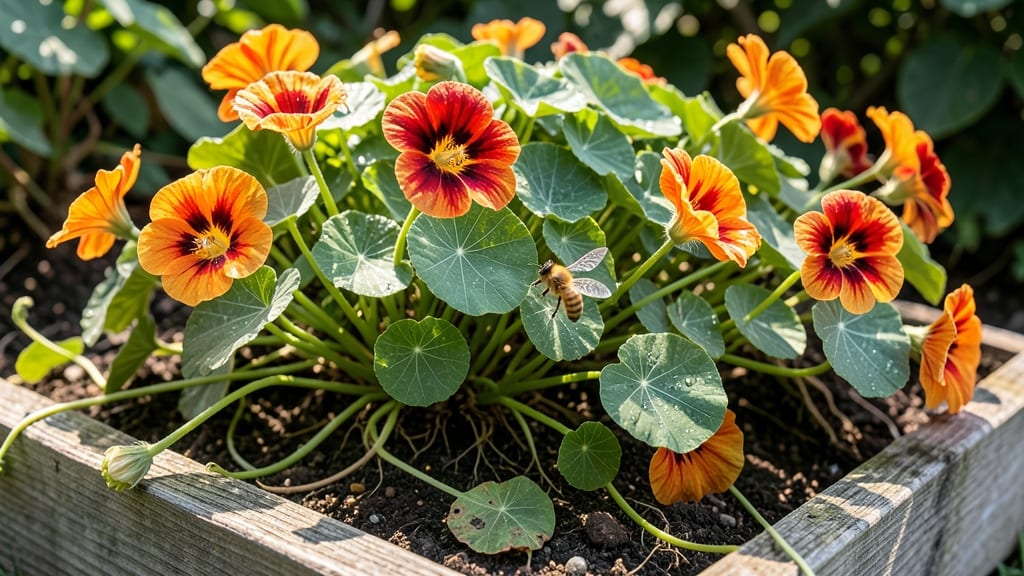
Want a plant that fights pests and lands on your dinner plate? Nasturtiums are the edible superheroes of the garden, repelling aphids, whiteflies, and squash bugs while luring pollinators with their vibrant blooms. Their peppery leaves and flowers (yes, flowers!) add a pop of color to salads, garnishes, or stir-fries—no pesticides required.
These fast-growing annuals thrive in full sun to partial shade and tolerate poor soil, making them perfect for containers, hanging baskets, or borders. Plant them near vulnerable crops like tomatoes, cucumbers, or brassicas—their strong scent confuses pests while their bright blooms attract bees and ladybugs. For extra defense, let them self-seed; they’ll return year after year with minimal effort.
Ideal for beginner gardeners and urban spaces, nasturtiums combine beauty, edibility, and pest control in one low-maintenance package. 🌻
Rosemary for Slug and Cabbage Worm Protection
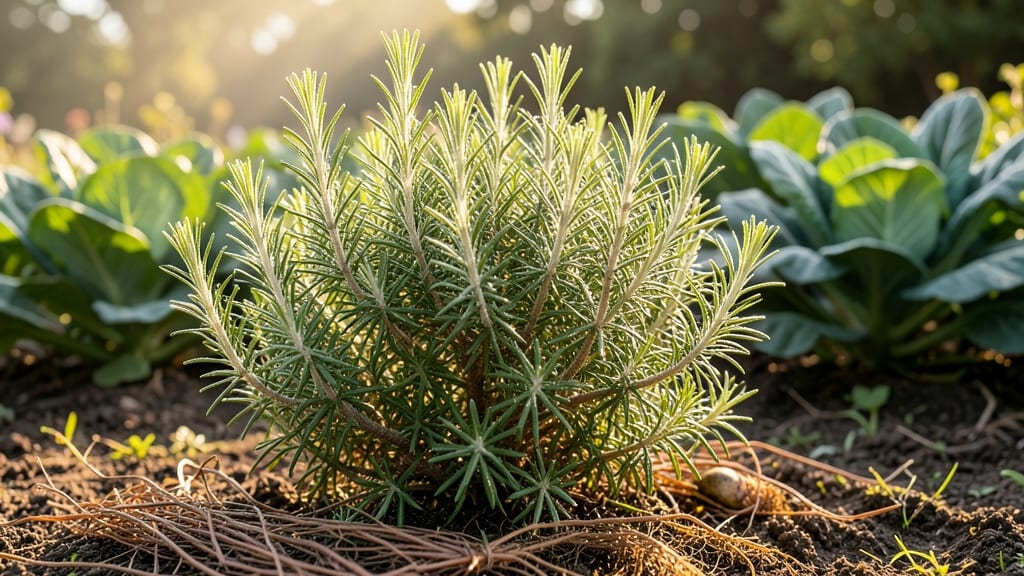
If slugs and cabbage worms are wrecking your garden, rosemary might be your secret weapon. This hardy perennial doesn’t just deter pests—it thrives in drought conditions, making it a low-maintenance hero for sunny borders, ground cover, or even your kitchen windowsill.
Plant rosemary near brassicas (like cabbage or broccoli) to repel slugs and cabbage worms, while its strong scent also keeps carrot flies at bay. The key is to place it in well-draining soil with 6+ hours of sun daily—it’s drought-tolerant once established, so watering deeply but infrequently works best. Bonus: Snip fresh sprigs for cooking while you’re protecting your garden!
Ideal for beginners, urban gardeners, or anyone with limited water, rosemary’s versatility makes it a must-have for pest control and culinary use alike. 🌿
Catnip for Flea and Mosquito Control
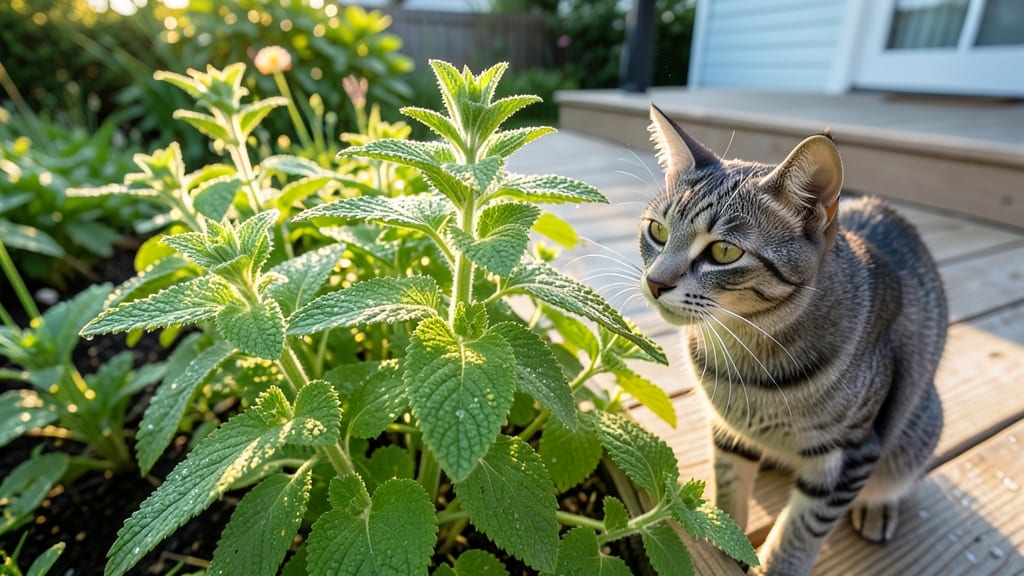
If you're tired of fleas tormenting your pets or mosquitoes ruining your outdoor gatherings, catnip might be your secret weapon. This hardy herb isn't just for cats—it's a triple-threat repellent that keeps fleas, mosquitoes, and ants at bay with its strong, minty-scented foliage.
Plant catnip in full sun to full shade, though it thrives best with 6 hours of sun in warm climates. The key to its pest-deterring power lies in its nepetalactone compound, which confuses insects' scent trails. For maximum impact, position it near patios, garden borders, or along walkways where pests are most active. It's also a drought-tolerant perennial, making it low-maintenance once established.
Pet owners will love this plant—it’s safe for cats to nibble (just monitor intake) and doubles as a natural flea deterrent for your yard. Perfect for gardeners in zones 4-9, catnip’s strong scent works year-round, even in cooler months. 🌿
Dill for Spider and Aphid Deterrence
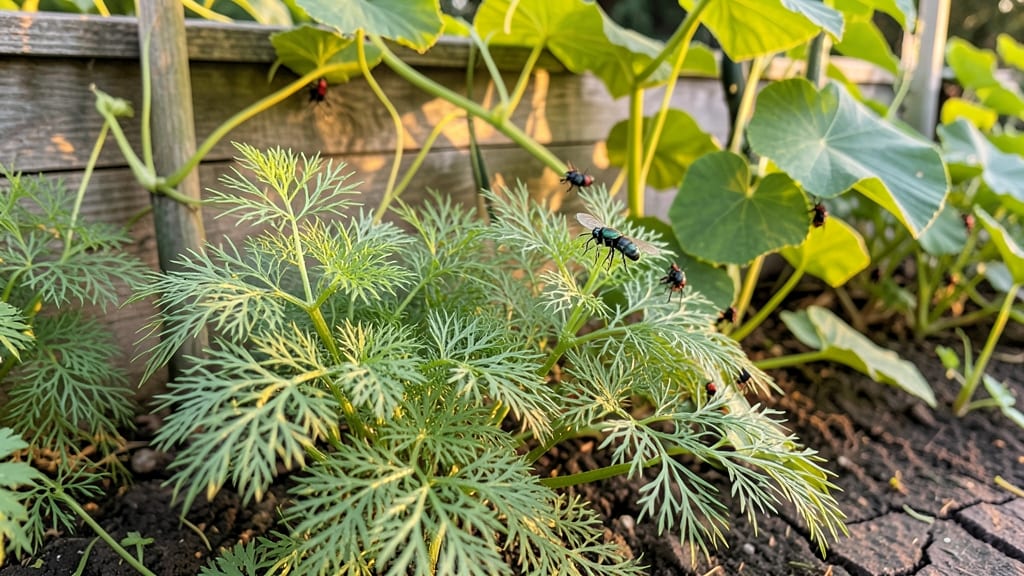
If spider mites, aphids, or squash bugs have been wreaking havoc in your garden, dill might be your secret weapon. This feathery-leaved biennial herb doesn’t just repel pests—it also lures in beneficial wasps that hunt garden predators, creating a natural defense system.
Plant dill near cucumbers and tomatoes to deter spider mites and aphids while improving their growth. Its strong scent confuses pests, and the plant’s tall, airy stalks provide shade for beneficial insects. For best results, grow dill in full sun to partial shade and harvest leaves regularly to encourage bushier growth.
This versatile herb is perfect for vegetable gardeners, container growers, and those who love dual-purpose plants. Just remember: dill can self-seed aggressively, so deadhead flowers if you want to control its spread. 🌿
Pennyroyal for Ant and Spider Repulsion

If you’re battling ants, spiders, or mosquitoes in your garden, pennyroyal might be your secret weapon—but use it wisely. This hardy, strong-scented perennial releases a potent aroma that disrupts pests’ ability to locate food sources, making it a natural barrier. Unlike milder herbs, its fragrance is so intense that it can even deter mosquitoes in outdoor seating areas.
Plant pennyroyal in containers or small borders to control its spread, as it can become invasive. It thrives in full sun to partial shade and prefers well-drained soil. For maximum impact, tuck it near entry points, along walkways, or in window boxes where pests are most active. Just remember: its scent is so powerful that some gardeners prefer it in limited quantities to avoid overwhelming nearby plants.
Ideal for small-space gardeners or those with patio areas, pennyroyal offers a chemical-free way to keep pests at bay while adding a fragrant touch to your landscape. Just don’t plant it where you’ll need to harvest it—its strong flavor can be overpowering! 💚