
Plants
Ragwort’s striking yellow blooms and jagged leaves make it a magnet for pollinators—but its toxic reputation means many gardeners seek safer alternatives. These 10 bold look-alikes mimic ragwort’s aesthetic while offering vibrant color, low-maintenance growth, and crucial support for bees, butterflies, and beneficial insects.
Goldenrod Delicate Flower Clusters
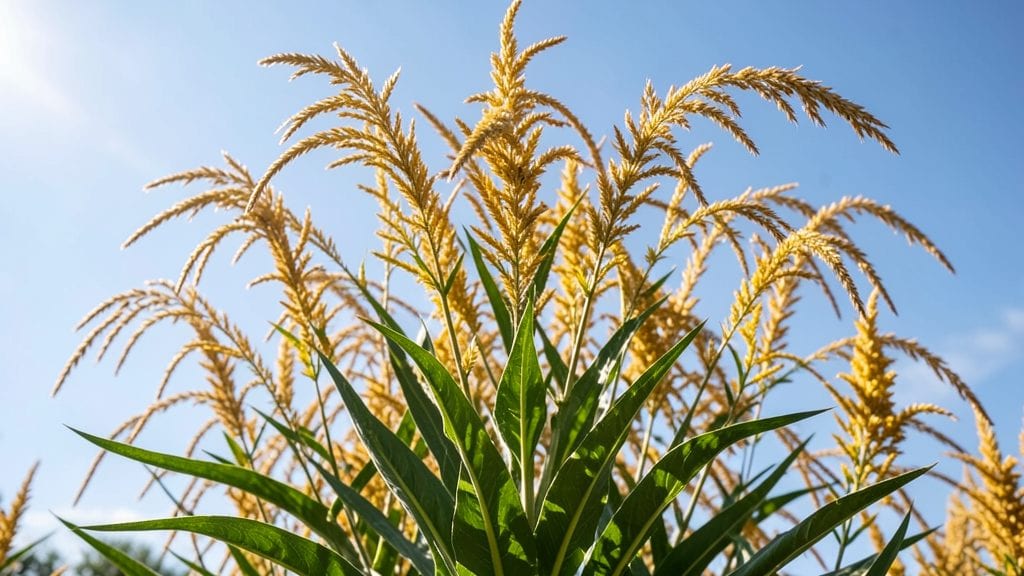
When ragwort’s golden blooms fade in late summer, goldenrod steps in to keep your garden buzzing with activity. This native North American perennial produces airy, feathery plumes that mimic ragwort’s shape but without the toxicity, making it a pollinator favorite.
Thriving in full sun to partial shade, goldenrod tolerates poor soil and drought once established, blooming from August through October. Its delicate seed heads also add winter interest, while attracting bees, butterflies, and even goldfinches. Plant it in clusters for maximum impact in meadows or cottage gardens.
Perfect for gardeners seeking late-season color and wildlife support, goldenrod is a low-maintenance workhorse that brightens the garden just when other plants are winding down. 🌻
Black-Eyed Susan Cheerful Yellow Blooms
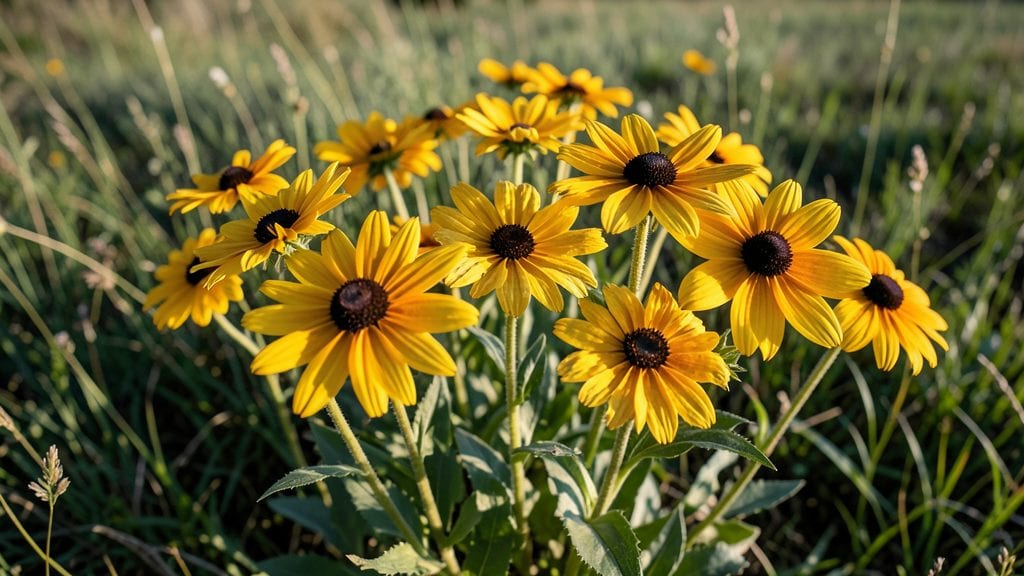
If you love ragwort’s bold yellow blooms but want a deer-resistant alternative that thrives in tough conditions, black-eyed Susan (Rudbeckia hirta) delivers the same cheerful vibrancy without the toxicity. This hardy annual mimics ragwort’s daisy-like shape but packs a pollinator punch with its dark-centered flowers.
Plant black-eyed Susan in full sun to partial shade, where it will flourish in poor soil and even drought once established. Its bright blooms attract bees, butterflies, and beneficial insects from midsummer through fall, making it a staple for pollinator patches. Deadhead spent blooms to encourage continuous flowering.
Ideal for beginner gardeners or those with deer pressure, this plant adds effortless color while supporting local wildlife—no special care required. 🌻
Coreopsis Lanceleaf Tickseed Clusters
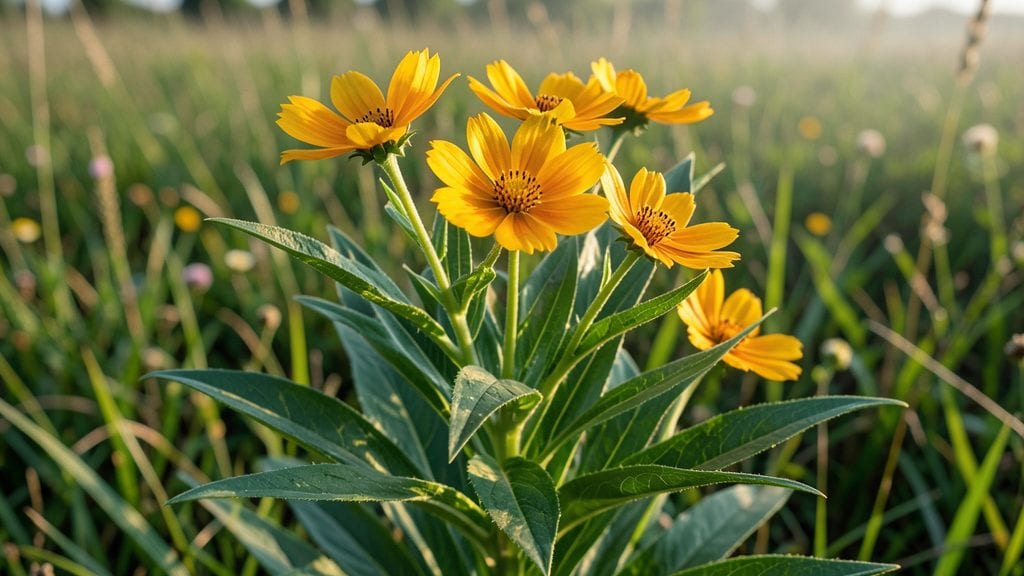
If you love ragwort’s bold foliage but want a non-toxic alternative that’s just as striking, coreopsis lanceleaf tickseed delivers the same architectural drama with cheerful yellow-orange blooms. This drought-tolerant perennial mimics ragwort’s slender, lance-shaped leaves but replaces its toxicity with a pollinator magnet that thrives in dry conditions.
Plant coreopsis in full sun with well-draining soil, where it will reward you with continuous blooms from spring to fall. Its bright flowers attract bees, butterflies, and beneficial insects, while its airy foliage adds texture to borders or meadow plantings. Unlike ragwort, it’s completely safe for pets and children, making it a guilt-free garden star.
Perfect for low-water gardens or busy gardeners, coreopsis brings year-round interest with its long bloom season and seed heads that persist into winter. 🌻
Oxeye Daisy Classic Meadow Beauty
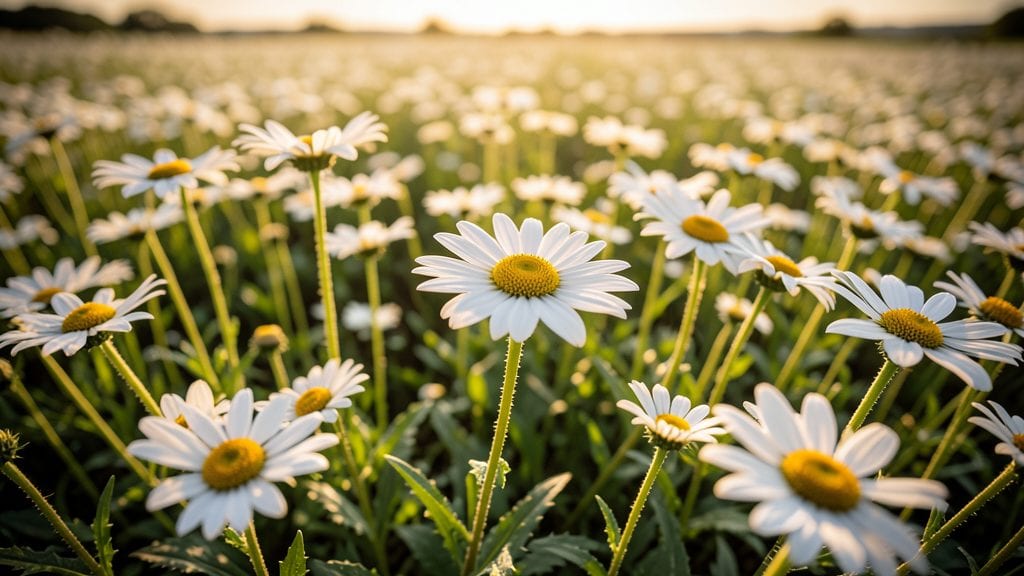
For a wildflower meadow effect without the toxic risks of ragwort, oxeye daisy (Leucanthemum vulgare) delivers bold, cheerful blooms that mimic its airy charm. These classic daisies feature bright white petals with golden-yellow centers, creating a naturalistic look that thrives in large open spaces or meadow-style gardens.
Plant oxeye daisy in full sun where it will self-seed freely, forming dense colonies that support bees, butterflies, and hoverflies. Its deep taproot makes it drought-tolerant once established, while its year-round greenery adds structure even when flowers fade. Deadhead spent blooms to prevent over-seeding if you prefer controlled growth.
Perfect for landowners with expansive gardens or those creating pollinator-friendly meadows, oxeye daisy brings effortless beauty with minimal care—just let it grow wild! 🌻
Yarrow Feathered Pollinator Magnet
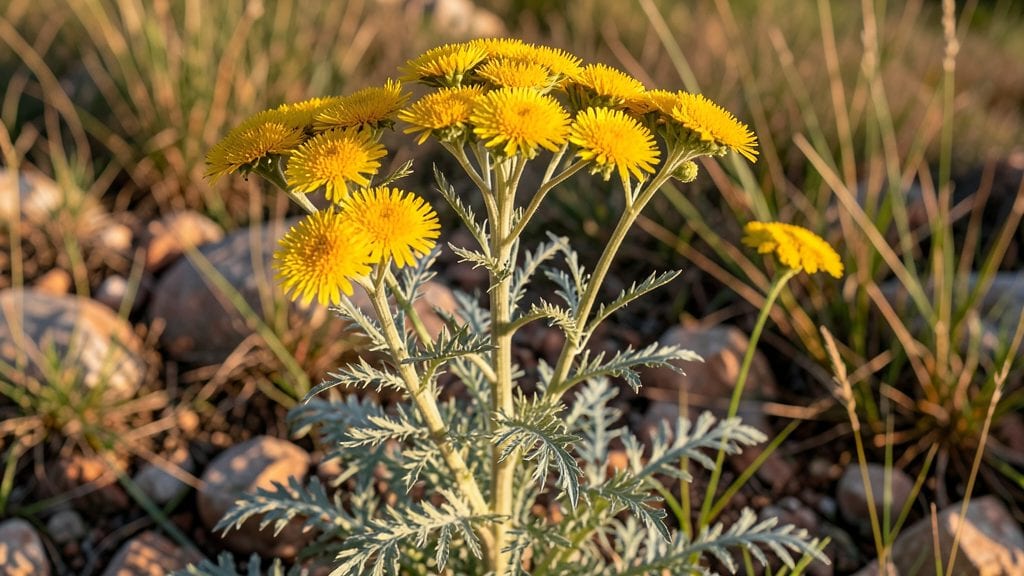
If you're craving ragwort’s flat-topped yellow blooms but need a ferociously hardy alternative that thrives in tough conditions, yarrow (Achillea millefolium) is your answer. This perennial mimics ragwort’s feathery foliage and pollinator appeal while offering year-round resilience—even in heat waves and poor soil.
Yarrow’s fern-like leaves and clusters of tiny yellow flowers create a soft, airy texture that fills gaps in borders or meadows. It attracts bees, butterflies, and hoverflies while resisting deer and drought. Simply cut back spent blooms in early spring to encourage fresh growth—no fuss required.
Perfect for urban gardens, wildflower meadows, or pollinator patches, yarrow brings effortless beauty with zero maintenance. Its ability to thrive in full sun to partial shade makes it a must-have for busy gardeners. 💚
Butterfly Weed Orange Jewels for Gardens
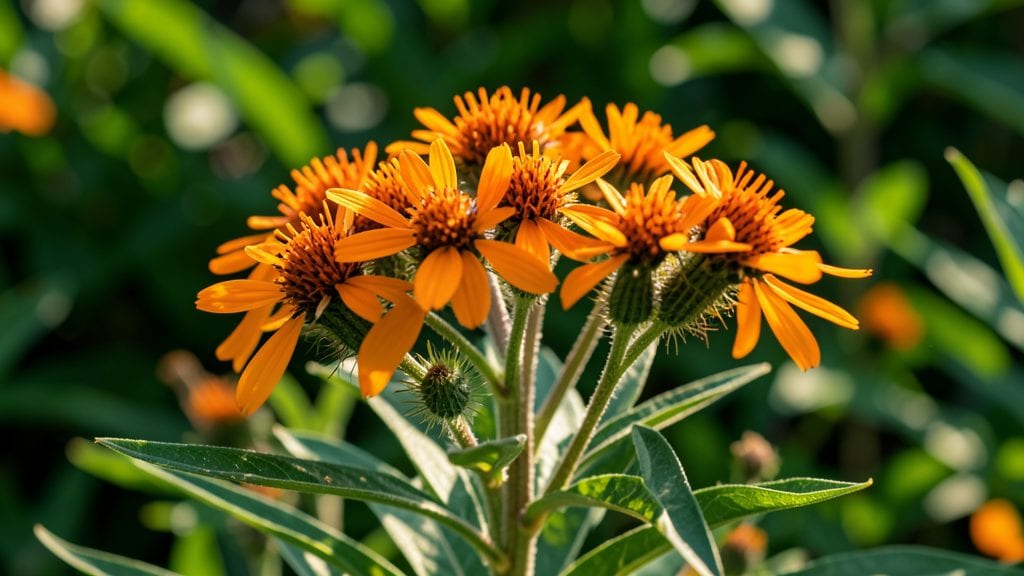
Skip the toxic yellows of ragwort and bring a bold pop of orange to your garden with butterfly weed (Asclepias tuberosa), a native milkweed relative that lures monarchs and hummingbirds like no other. Its vibrant, clusters of orange flowers create a striking contrast against green foliage, while its drought-tolerant nature makes it perfect for sunny, dry spots where other plants struggle.
This pollinator superstar thrives in full sun and well-draining soil, blooming from late spring through summer. Unlike ragwort, butterfly weed is completely non-toxic, making it safe for pets and children while still supporting monarch butterfly populations. Plant it in pollinator highways or along fence lines to create a vibrant, wildlife-friendly corridor.
Ideal for native plant gardens, butterfly weed offers year-round interest with its striking foliage and seed pods that persist into winter. Perfect for gardeners who want to make a big impact with minimal water—just plant, watch, and enjoy the buzzing visitors! 🌻
Catmint Purple Spires for Bees
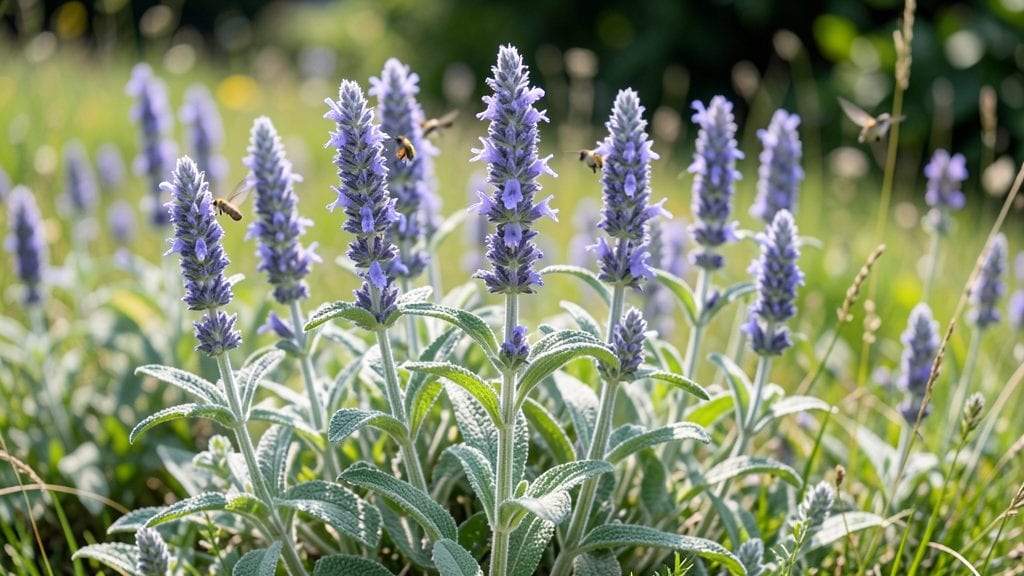
Swap ragwort’s golden hues for catmint’s fragrant lavender-blue spires and watch your garden transform into a pollinator paradise. This deer-resistant perennial mimics ragwort’s architectural form but replaces toxicity with a long-blooming (June through frost) display that hummingbirds and bees can’t resist—while its silvery foliage adds texture year-round.
Plant catmint in full sun with well-draining soil, where it thrives in dry conditions once established. Prune back by one-third after flowering to encourage bushier growth and extend its bloom time. The aromatic leaves also deter pests naturally, making it a dual-purpose garden star.
Perfect for cottage gardens, pollinator borders, or container plantings, catmint brings color and fragrance without the upkeep of finicky annuals. Urban gardeners and beginners will love its resilience—just plant, water occasionally, and enjoy the show. 🌿
Queen Anne’s Lace Lacy White Elegance
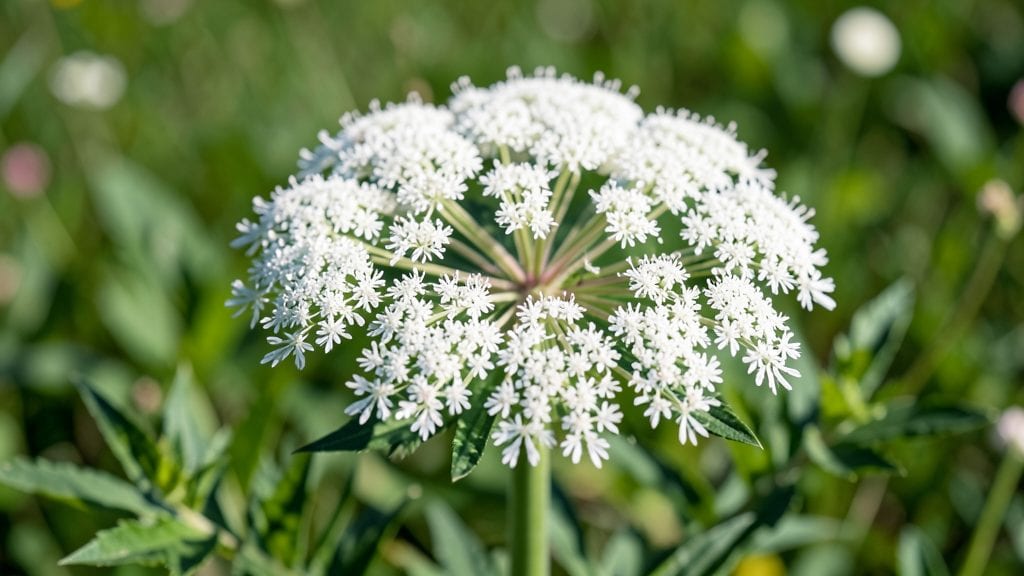
If you adore ragwort’s delicate, airy structure but want a non-toxic white alternative, Queen Anne’s lace (Daucus carota) is your dream plant. Its lace-like white umbels mimic ragwort’s feathery form but with a soft, ethereal charm—plus, it’s completely safe for pets and children.
This wildflower thrives in neglected corners, roadsides, or meadows with minimal care, blooming from early summer to fall. Its single dark purple center flower (a "Queen’s lace") adds a subtle contrast, while its fern-like foliage creates texture. Unlike ragwort, it attracts hoverflies and parasitic wasps, boosting your garden’s pest-control ecosystem.
Perfect for beginner gardeners or low-maintenance spaces, Queen Anne’s lace self-seeds freely, creating natural drifts. Let it grow wild in your garden’s shadiest or sunniest spots—it’s the ultimate "plant and forget" beauty. ✨
Blanket Flower Rusty Orange Blooms
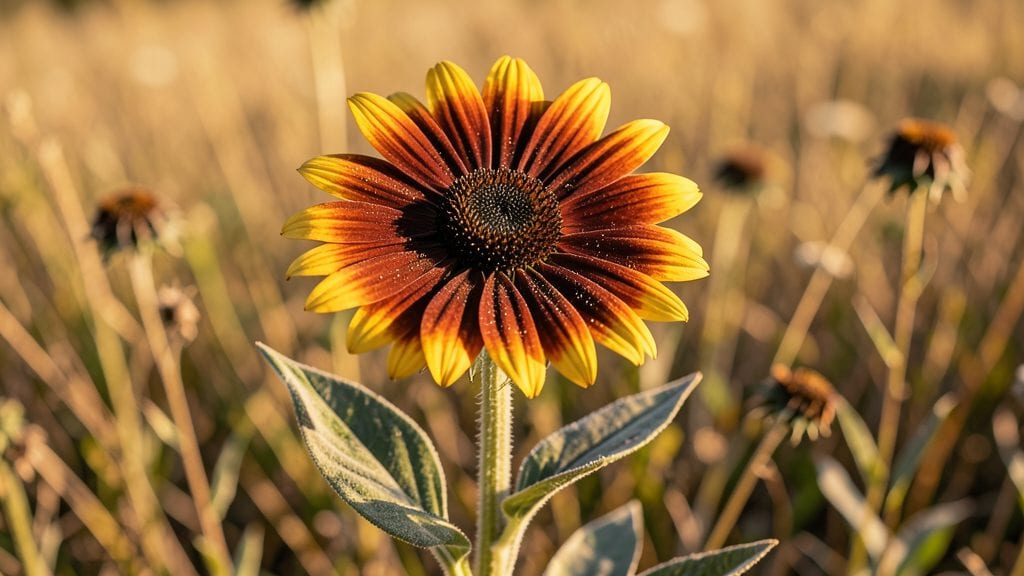
If you crave ragwort’s bold yellows but want a heat-loving perennial that thrives where other plants wilt, blanket flower (Gaillardia) delivers a fiery alternative with its rusty-orange daisy-like blooms. This drought-resistant superstar mimics ragwort’s airy form but replaces toxicity with a pollinator powerhouse that blooms from summer straight through frost.
Plant blanket flower in full sun with well-draining soil, where it will reward you with continuous blooms that attract bees, butterflies, and even hummingbirds. Its deep taproot makes it ideal for hot, dry climates where water is scarce, while its self-seeding habit creates naturalizing drifts over time. Deadhead spent blooms to encourage more flowers, but leave some seed heads for winter interest.
Perfect for xeriscaping, rock gardens, or sunny borders, blanket flower brings bold color with zero fuss—just plant it once and enjoy years of effortless beauty. 🌻
Fleabane Daisy-Like Wildflower Clusters
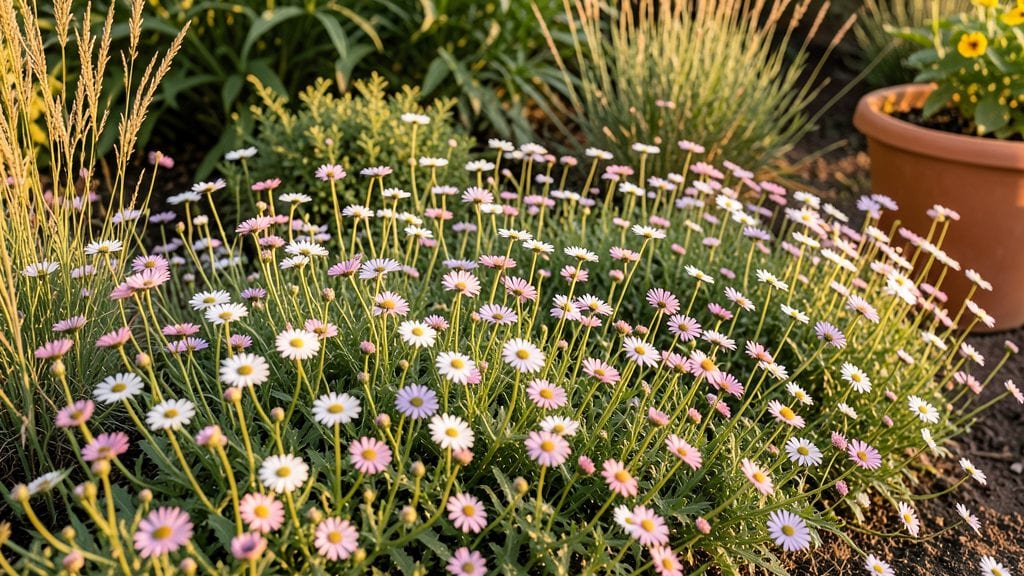
When you need to fill those tricky gaps between larger perennials or brighten up container edges, fleabane (Erigeron spp.) delivers a sea of tiny daisy-like blooms that mimic ragwort’s charm without the toxicity. This low-growing annual creates a lush, airy carpet of white, pink, or purple flowers that pollinators adore—bees, butterflies, and hoverflies will flock to your garden in summer and fall.
Fleabane thrives in full sun to partial shade and tolerates poor, dry soil, making it perfect for urban gardens, rockeries, or mixed borders. Its delicate foliage stays compact (12–24 inches tall), so it won’t overwhelm taller plants. For containers, choose dwarf varieties like shasta fleabane (Erigeron speciosus), which blooms profusely from early summer until frost with minimal care.
Ideal for beginner gardeners or small-space enthusiasts, fleabane offers instant color with almost no maintenance—just deadhead spent blooms to encourage more flowers. It’s the ultimate gap-filler that doubles as a pollinator magnet. 🌷