
Pruning
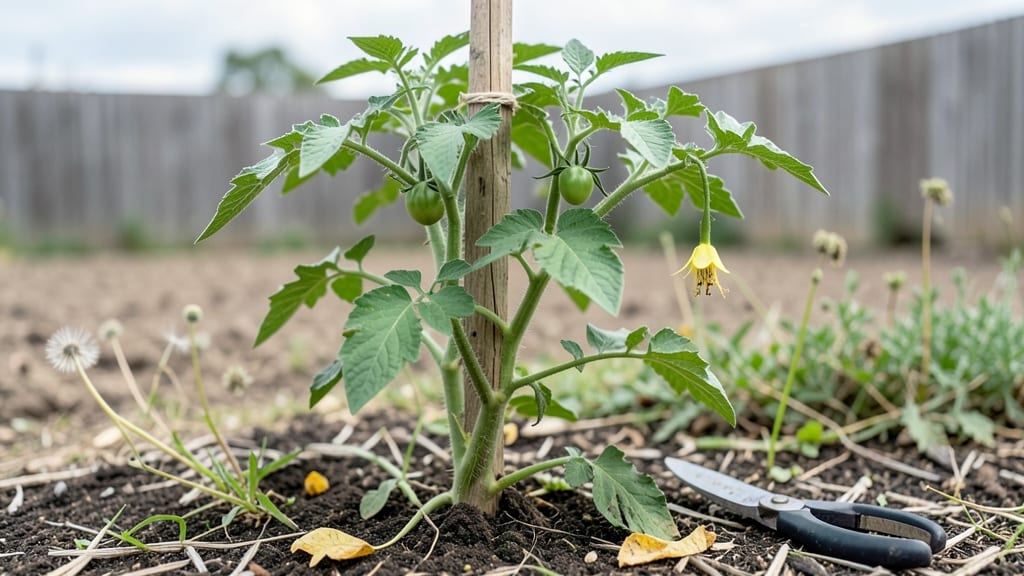
Pruning the leaves of tomato plants isn’t just about tidying up—it’s the secret to year-round harvests that keep producing even when others quit. I learned this the hard way after my plants flowered but refused to set fruit, despite perfect sunlight and water.
The fix? Strategic trims that boost airflow, prevent disease, and redirect energy to where it counts—those juicy, sun-ripened tomatoes.
Here's the game-changer: you only need three targeted trims per season, not constant snipping. Start by removing the lowest leaves up to 12 inches from the ground—these rarely see sunlight and trap moisture. Use clean, sharp pruners (or your fingers for small stems) to avoid tearing.
The key is balance: never take more than a third of the foliage at once, or you'll shock the plant into early dormancy.
What you'll get is a plant that keeps flowering and fruiting long after neighbors' vines have given up. Air circulation reduces fungal spots, sun reaches lower fruit, and the plant focuses its energy on producing instead of maintaining unnecessary leaves.
By late summer, you'll be harvesting tomatoes while others are still waiting for their first ripe ones.
This method works for determinate and indeterminate varieties, in-ground beds, containers, and even greenhouses. The only rule? Start pruning when plants hit 12-18 inches tall and continue every 2-3 weeks until frost.
Your tomatoes will thank you with heavier, sweeter fruit and a harvest that stretches well past Labor Day.
📚 In This Guide
- What you need
- Instructions
- Tips and common mistakes
- Wrapping up and next steps
What you need
- ● Sharp pruning shears or scissors: Bypass pruners (for clean cuts) – 1 pair
- ● Small handheld shears (for precision) – 1 pair
- ● Disinfectant: Rubbing alcohol (70% or higher) or bleach solution (1 part bleach to 9 parts water) – small bottle or spray
- ● Gloves: Garden gloves (cut-resistant for tough stems) – 1 pair
- ● Gardening twine or plant ties: Soft twine or Velcro ties – small roll (5-10 ft)
- ● Trash bag or bucket: For collecting pruned leaves – 1 medium-sized bag or bucket
- ● Pruning saw: For thick, woody stems (rare in tomatoes but useful for older plants).
- ● Plant growth regulator: Like seaweed extract or hydrogen peroxide spray to speed up healing.
- ● Label markers: To tag plants if you’re experimenting with different pruning techniques.
- ● Knee pad or stool: For comfort during long pruning sessions.
Instructions for pruning tomato plants to maximize fruit production
Here’s how to strategically prune tomato leaves for bigger yields and healthier plants.
Remove Lower Leaves During Early Growth
When your tomato plants reach 12-18 inches tall, start pruning the bottom set of leaves—those touching or below the soil line. Use sterilized pruning shears to make clean cuts just above a leaf node. This prevents soil-borne diseases like early blight from splashing onto the plant.
Focus on the first 6-8 inches of stem. Removing these leaves improves airflow and directs energy to fruit production. If you see yellowing or wilting leaves at the base, remove them immediately—they’re already compromised and won’t recover.
Prune Suckers for Bushier Growth
Suckers are the small shoots that grow between the main stem and branches. Pinch them off when they’re no larger than a pencil eraser—this prevents them from draining energy from fruit development. Check the plant weekly once it starts flowering, as suckers appear rapidly.
For indeterminate varieties (like Roma or Beefsteak), keep 2-3 main stems by pruning suckers aggressively. For determinate types (like Bush Early Girl), minimal pruning is needed—just remove suckers to maintain an open canopy. Always prune in the morning when foliage is dry to reduce disease risk.
Thin Foliage for Sun Exposure and Airflow
As the plant matures, prune overlapping or crowded leaves to ensure sunlight reaches the fruit. Focus on the middle and lower canopy, where shade can cause blossom end rot. Aim to leave 6-8 inches of space between branches for optimal airflow.
Remove leaves that shade clusters of unopened flowers—these need full sun to set fruit. If you notice yellowing leaves high up, they’re likely not contributing to photosynthesis and can be trimmed. Never remove more than one-third of the foliage at once, or the plant will struggle to recover.
Post-Harvest Pruning for Continuous Production
After harvesting, prune any leaves directly above a fruit cluster to encourage new growth below. This redirects energy to developing lower tomatoes, extending your harvest season. For indeterminate varieties, also trim the top of the plant once frost threatens—this signals the plant to focus on ripening existing fruit.
Disinfect your pruners between cuts with rubbing alcohol to prevent spreading disease. If you notice brown or curled leaves, prune them immediately—they’re likely infected with early blight or spider mites. Store pruned leaves in a compost bin (not directly on garden soil) to avoid reintroducing pathogens.
Winter Pruning for Spring Revival
In late fall, prune all remaining foliage down to 4-6 inches above the soil line for determinate varieties or 12-18 inches for indeterminate types. This reduces winter dieback and encourages stronger regrowth in spring. Remove all diseased stems and dispose of them in the trash—not the compost.
Apply a 2-inch layer of mulch (like straw) around the base to insulate roots over winter. In warmer climates, you can leave a few leaves to protect the plant from temperature swings. Come spring, prune back any dead or blackened growth before new shoots emerge.
Tips & tricks for pruning tomato plants like a pro
Pruning tomato plants might seem intimidating, but these targeted techniques will transform your garden's productivity and plant health.
Precision Over Aggression: When removing the first 6-8 inches of leaves in Step 1, resist the urge to over-prune. Focus on leaves touching or below the soil line—these are the primary disease entry points. Remember, the goal is to redirect energy to fruit production, not strip the plant bare. I learned this the hard way after accidentally removing too much foliage and stunting growth for weeks.
Sucker Management Strategy: In Step 2, the key is consistency—check your plants weekly once flowering begins. Suckers grow rapidly, and those larger than a pencil eraser will siphon energy from your fruit. For indeterminate varieties, maintain 2-3 main stems by aggressively removing suckers from the base up. This creates a more manageable plant structure and improves air circulation throughout the canopy.
Canopy Architecture: Step 3's focus on thinning overlapping leaves is where many gardeners miss the mark. Aim to create a balanced canopy with 6-8 inches between branches. This open structure prevents humidity buildup that leads to fungal diseases. I've found that removing leaves shading flower clusters—especially in the middle canopy—doubles my fruit set during peak production months.
Seasonal Transition Timing: The shift from summer pruning to winter preparation in Step 5 requires careful timing. For determinate varieties, cut back to 4-6 inches above soil level in late fall, but wait until after your first frost to prune indeterminate types. This timing ensures you capture all possible fruit while preparing the plant for dormancy. Mulch application should happen immediately after pruning to protect those freshly exposed stems.
Pro Tips for Prune Leaves Tomato Plants
- Pruning tomato plants might seem intimidating, but these targeted techniques will transform your garden's productivity and plant health.
- Precision Over Aggression: When removing the first 6-8 inches of leaves in Step 1, resist the urge to over-prune.
- Sucker Management Strategy: In Step 2, the key is consistency—check your plants weekly once flowering begins.
Frequently asked questions
Got questions about pruning tomato leaves? You’re not alone! Here are answers to the most common concerns—so you can confidently trim and thrive.
When is the best time to prune tomato plants?
Prune tomato plants early and often—start when they’re 12–18 inches tall. Focus on removing suckers (shoots between main stems and branches) and lower leaves (below the first flower cluster) throughout the growing season. Avoid heavy pruning late in the season, as it can stress plants before harvest.
How often should I prune my tomato plants?
Check your plants weekly for suckers and yellowing leaves. Prune as needed, especially during active growth (spring/summer). Indeterminate varieties (like cherry tomatoes) may need more frequent trims than determinate types. Think of it like giving your plant a light haircut—regular maintenance keeps it healthy!
What if I prune too much? Can I hurt my tomato plants?
Over-pruning can stress plants, reducing yield or inviting pests. Never remove more than ⅓ of the foliage at once. Focus on targeted trims: suckers, diseased leaves, and lower growth. If you’ve already overdone it, stop pruning and let the plant recover—it’ll bounce back with proper care!
Do I need to prune determinate (bush) tomatoes?
Determinate tomatoes don’t need heavy pruning like indeterminate types. Instead, focus on removing only:
- Diseased or yellowing leaves
- Leaves touching the soil (to prevent rot)
- Excessive side shoots that crowd the plant
What’s the best tool to prune tomato leaves?
Use clean, sharp pruners (bypass pruners work best) to avoid tearing leaves. For small suckers, your fingers or sterilized scissors will do. Disinfect tools with rubbing alcohol between plants to prevent spreading disease. Pro tip: Wear gloves—tomato leaves can be prickly!
Bonus Tip: Should I prune in the morning or evening?
Prune on a cool, cloudy day (morning or late afternoon) to reduce stress on the plant. Avoid midday heat, which can shock tomatoes. If you must prune in hot weather, water deeply afterward to help recovery.
Wrapping up and next steps
Pruning your tomato plants isn’t just about tidying up—it’s your secret weapon for bigger yields, healthier growth, and year-round harvests! 🌱 By mastering the three strategic trims (early, mid-season, and late-season), you’ll redirect energy to fruit production, improve airflow, and keep pests at bay.
Remember, consistency is key, so grab those pruners and make it a habit.
Ready to transform your garden? Start today by assessing your plants and planning your first trim—your future juicy tomatoes will thank you! 🍅✨ For even more tips, check out our tomato-growing guide to take your harvest to the next level.