
Companion Plants
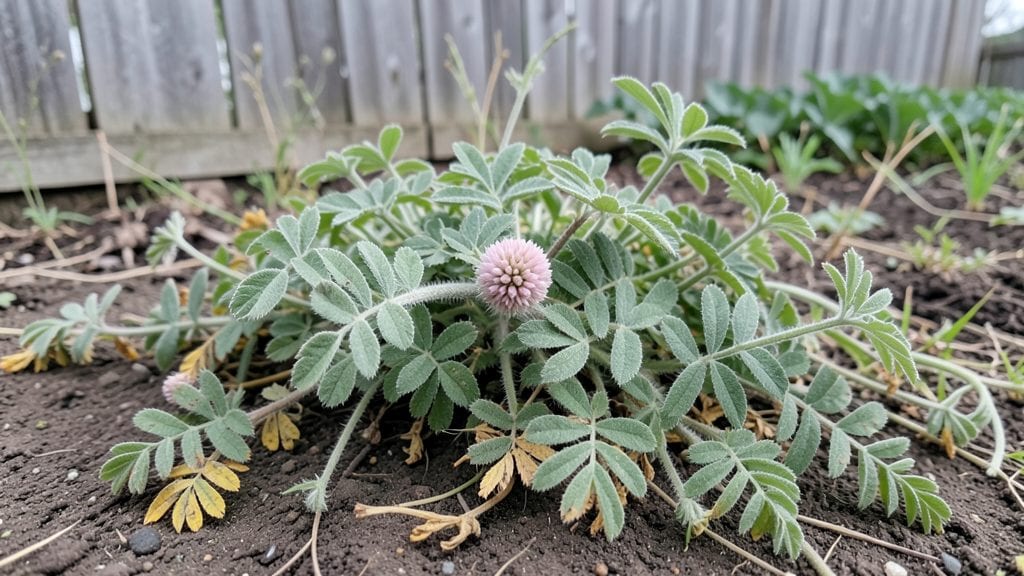
That delicate sensitive plant nearby won’t survive the noise, but fast-growing privacy vines can turn your yard into a lush, soundproof retreat in just months—no more peeking neighbors or street noise. 🌿 I planted mine last spring, and by summer, they’d already blocked out the view of the busy road, giving my sensitive plant (and me) the calm we needed.
The key is choosing the right vines for your climate and space. Fast growers like morning glory or star jasmine climb quickly, while evergreen options like English ivy provide year-round coverage.
A sturdy trellis or fence gives them support, and regular pruning keeps them tidy. My sensitive plant thrives in the shade these vines create, so it’s a win-win.
By late summer, you’ll have a lush, living screen that muffles noise and adds privacy. The vines grow dense enough to block harsh sunlight, which helps keep your sensitive plant from getting stressed. Plus, you’ll love the way your yard feels—quiet, secluded, and finally your own.
Works in any yard, from small patios to large backyards. Here’s how to pick the perfect vines for your space and climate—no guesswork, just results.
📚 In This Guide
- What you need
- Instructions
- Tips and common mistakes
- Wrapping up and next steps
What you need
- ● Sensitive Plant (Mimosa pudica): Seeds: 10–20 (for direct sowing)
- ● OR cuttings: 3–5 (4–6 inches long, with nodes)
- ● OR nursery-grown plants: 2–4 (6–12 inches tall)
- ● Soil: Well-draining potting mix (or garden soil amended with compost)
- ● Perlite or sand (1 part per 4 parts soil, for aeration)
- ● Containers or Garden Space: Containers: 6–12 inch pots (with drainage holes) for seedlings
- ● OR in-ground planting area: Full sun to partial shade, 6+ hours of light
- ● Tools: Trowel or small shovel
- ● Pruning shears (for trimming)
- ● Watering can or hose with gentle spray
- ○ Gloves (optional, but helpful for handling sensitive plants)
- ● Mulch (straw or shredded leaves to retain moisture)
- ● Fertilizer: Low-nitrogen, balanced formula (e.g., 5-5-5) or compost tea
- ● Trellis or netting (if training vines vertically for faster growth)
- ● Shade cloth (30–50%) for seedlings in hot climates
- ● Plant labels (to track varieties if testing multiple types)
Step-by-step instructions for planting fast-growing privacy vines
Here's how to create a lush, living screen in weeks—not years.
🌱 Step 1: Choose the Right Fast-Growing Vines
For quick privacy, I recommend morning glory (annual, blooms fast) or honeysuckle (perennial, fragrant, and tough). Both climb aggressively and fill space in 3-4 months. Morning glory seeds are cheap and easy to find, while honeysuckle plants give you an instant head start.
Check your zone—morning glory thrives in zones 3-11, while honeysuckle prefers zones 4-9. If you're in a cooler climate, opt for clematis (hardy, fast-growing, and long-lived). Avoid invasive species like kudzu—stick to proven garden varieties.
🪴 Step 2: Prepare the Trellis and Planting Site
Install a strong trellis or fence at least 6 feet tall—these vines need vertical support to climb. I use powder-coated metal or cedar lattice because it lasts and won’t rot. Space posts 8 feet apart for stability, especially if winds are strong in your area.
Choose a spot with at least 6 hours of sun—most fast-growing vines need full light to thrive. Loosen the soil to 12 inches deep and mix in 2 inches of compost (from your materials list) to boost root growth. Avoid heavy clay—amend with sand or perlite if needed.
💧 Step 3: Plant Seeds or Transplants at the Right Time
For morning glory seeds, sow directly after the last frost when soil reaches 60°F. Scatter seeds ½ inch deep, 6 inches apart along the trellis base. Water gently but don’t drown them—seeds need moisture to germinate, but soggy soil causes rot.
If using honeysuckle or clematis plants, dig holes twice as wide as the root ball and as deep as the container. Space plants 3-4 feet apart for airflow (crowding slows growth). Water deeply right after planting—you’ll see new leaves in 7-10 days if conditions are right.
☀️ Step 4: Train Vines and Maintain Growth
As vines emerge, tie them to the trellis with soft twine or plant clips every 2-3 feet. This prevents wind damage and encourages upward growth. Prune leggy stems back by ⅓ to promote bushier coverage—you’ll notice thicker foliage within 2 weeks.
Water deeply 2-3 times per week during the first month, then taper to once a week once established. Mulch with 2 inches of shredded bark (from your materials) to retain moisture and suppress weeds. Fertilize lightly with balanced 10-10-10 every 4-6 weeks—too much nitrogen makes vines floppy.
✂️ Step 5: Prune for Year-Round Density
In late winter, cut back morning glory vines to the ground—they’ll regrow faster in spring. For honeysuckle or clematis, trim dead stems but leave healthy buds to encourage new growth. You’ll see fresh shoots in 2-3 weeks if pruned correctly.
Watch for pests like aphids—spray with neem oil if you spot sticky residue on leaves. A well-maintained screen will block views in as little as 3 months, and with proper care, it’ll stay lush for years.
Tips & tricks for fast-growing privacy vines
Real talk: Fast-growing vines can transform your space in record time—but only if you avoid these common pitfalls. Here's what I've learned after planting three different screens.
The Speed Factor: Those 3-4 months to fill space only work if you start with the right vines. Morning glory seeds are the fastest for annual coverage, but honeysuckle plants give you a head start with established roots. I've seen morning glory cover a 6-foot trellis in just 8 weeks when planted at the perfect time—don't rush the planting process!
Trellis Stability Tip: That 6-foot trellis needs proper anchoring, especially if winds are common in your area. I learned this the hard way when a storm toppled my first attempt. Use 8-foot spacing between posts and bury them at least 1 foot deep for maximum stability. For extra security, add diagonal braces if your area gets strong winds.
Soil Preparation Secret: The 12 inches of loose soil with 2 inches of compost makes all the difference for root growth. I used to skip the deep loosening, and my vines struggled to establish. Dig down until the soil is crumbly—this gives roots room to spread quickly. For heavy clay soil, mix in sand or perlite to improve drainage, which prevents root rot that can slow growth.
Watering Wisdom: Those 2-3 deep waterings per week during the first month are critical, but don't overdo it. I once drowned morning glory seedlings by watering daily, and they rotted before sprouting. Water when the top inch of soil feels dry—morning is best to prevent fungal issues. Once established, once a week keeps them thriving without waste.
Pro Tips for Sensitive Plant Nearby
- Real talk: Fast-growing vines can transform your space in record time—but only if you avoid these common pitfalls.
- The Speed Factor: Those 3-4 months to fill space only work if you start with the right vines.
- Trellis Stability Tip: That 6-foot trellis needs proper anchoring, especially if winds are common in your area.
Frequently asked questions
Got questions about growing fast-growing privacy vines near sensitive plants? Here are some common concerns—and answers—to help you plan with confidence!
What are the best fast-growing vines for sensitive plants nearby?
Opt for non-invasive varieties like Clematis or Climbing Roses, which grow gently and won’t smother delicate neighbors. Avoid aggressive spreaders like English Ivy or Kudzu—they can choke out nearby plants. Always check root systems and growth habits before choosing!
How long until these vines provide full privacy?
Most fast-growing privacy vines (like Honeysuckle or Wisteria) reach maturity in 1–3 years, but some (e.g., Morning Glory) may take longer. For quicker results, combine vines with bamboo or tall grasses as temporary fillers while they establish.
Will these vines damage my sensitive plants (e.g., ferns, hostas)?
Not if you choose the right pairings! Non-competitive vines like Jasmine or Passionflower thrive without stealing sunlight or nutrients. Space them 3–5 feet apart and prune regularly to prevent overcrowding. Monitor for shade-loving plants that may struggle.
Can I train these vines to grow around my sensitive plants instead of over them?
Use soft ties or trellises to guide vines (like Clematis) upward or along fences, keeping them away from fragile stems. For ground covers, opt for creeping Jenny or Ajuga—they spread gently and won’t smother neighbors.
What do I do if my vines start looking unhealthy near sensitive plants?
Check for pests (aphids, spider mites) or fungus (powdery mildew)—common issues when vines crowd out airflow. Prune affected branches immediately and treat with neem oil or insecticidal soap. If roots compete, add mulch to improve soil health for both!
Wrapping up and next steps
Transforming your outdoor space with a sensitive plant nearby is a game-changer for privacy and beauty! 🌿 These fast-growing vines offer year-round screening while requiring minimal effort—perfect for busy gardeners or those craving a lush, green retreat.
Whether you’re shielding a patio, fence, or noisy street, these plants deliver instant results with long-term charm.
Ready to take the next step? Start small—pick one vine, gather your supplies, and watch your space bloom! 🌱 Your private oasis is just a few weeks (and a little sunlight) away.