
Vegetables
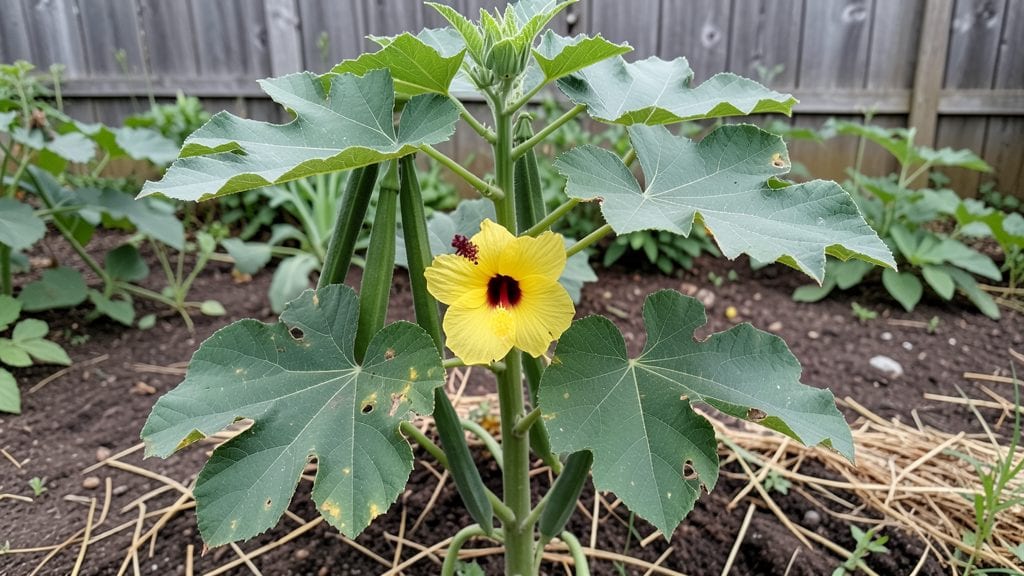
Growing tall okra plants 🌱 means mastering height control to keep them productive and manageable in your garden space.
Struggling with towering okra plants that outgrow your garden space? Discover how strategic pruning transforms unruly growth into a high-yielding, manageable harvest—without sacrificing those prized pods.
Okra thrives when given room to stretch, but left unchecked, those 6-to-10-foot stalks can become more trouble than they’re worth. The key lies in timing, technique, and knowing when to step in before the plants become unruly.
In this guide, you’ll learn the best pruning methods for controlling height while boosting pod size, plus when to intervene for emergency fixes—so your harvest stays plentiful and your garden stays tidy.


How to prune tall okra plants for height control and stronger growth
Pruning tall okra plants 🌱 isn’t just about controlling their height—it’s about redirecting energy toward bigger pods and healthier growth. When done right, pruning encourages your plants to branch out, producing more harvestable pods while keeping them manageable.
The key is to prune at the right time and height, using the proper techniques to avoid stressing the plant.
Okra grows quickly, often reaching 6-10 feet tall if left unchecked. Without pruning, you risk overcrowding, reduced airflow, and even disease susceptibility. But with the right approach, you can transform those towering stalks into a bushier, more productive plant.
Start by identifying the best pruning tools and understanding the ideal growth stages for intervention.
Step-by-Step Pruning Guide for Tall Okra
-
Step 1: Gather Your Tools
Use clean, sharp pruners or gardening shears to make precise cuts. Avoid dull tools that can tear stems and invite disease.
-
Step 2: Wait Until Plants Are 18-24 Inches Tall
Prune too early, and you’ll stunt growth. Wait until your okra has 4-6 true leaves and is 18-24 inches tall before starting.
-
Step 3: Pinch the Top Growth
Use your fingers or pruners to pinch off the top 2-3 inches of the main stem. This encourages lateral branching, leading to more pods.
-
Step 4: Repeat Every 4-6 Weeks
Continue pruning the newest growth tips every 4-6 weeks to maintain height control and promote bushiness.
-
Step 5: Remove Weak or Diseased Branches
Cut out any yellowing leaves or weak stems to improve airflow and reduce disease risk.
-
Step 6: Support Tall Plants with Stakes or Trellises
If your okra exceeds 5 feet tall, use bamboo stakes or trellises to prevent lodging and make harvesting easier.
Timing is everything when pruning okra. The best time to start is when plants are 18-24 inches tall and have developed 4-6 true leaves. This ensures they’re strong enough to handle pruning without stress.
Avoid pruning during extreme heat or drought conditions, as this can shock the plant and slow recovery.
One of the most common mistakes gardeners make is over-pruning or cutting too close to the stem. Always leave a small node or leaf behind to encourage new growth.
Another pitfall is pruning during flowering or pod development, which can reduce yield. Focus on removing only the topmost growth to maintain productivity.
After pruning, monitor your okra plants closely for signs of stress or disease. Healthy plants will show new growth within 1-2 weeks. If you notice yellowing leaves or stunted growth, adjust your pruning approach or check for pests.
With the right technique, your tall okra plants will reward you with bigger pods and stronger stems all season long.
For even better results, pair pruning with regular fertilization and consistent watering. A balanced 10-10-10 fertilizer applied every 4-6 weeks will support the extra growth stimulated by pruning. Keep the soil moist but well-draining to prevent root stress, and mulch around the base to retain moisture and suppress weeds.
If your okra plants are already too tall and unruly, don’t panic. You can still emergency-prune by cutting back the top third of the plant and focusing on removing weak or crowded branches. This will help redirect energy to the remaining growth and improve airflow, reducing disease risk.
With these techniques, your tall okra plants will stay manageable, productive, and healthy—giving you a bountiful harvest without the hassle of unruly growth. Happy pruning! ✂️
Best pruning methods for maximizing okra pod size and yield
Not all pruning techniques work equally well for tall okra plants 🌱. The right method can boost pod size by up to 30% while increasing yield by 20-40 pods per plant.
Each pruning style—topping, lateral cutting, and selective removal—serves a unique purpose in your okra’s growth cycle. Understanding when and how to apply each will help you avoid stunted growth or over-pruning while maximizing your harvest.
Your pruning choice depends on your okra’s current growth stage and your harvest goals. For example, topping works best early in the season to control height, while lateral cutting later promotes bushier growth with more pods.
Selective removal targets weak branches to improve airflow and reduce disease risk. Let’s compare these methods side-by-side to see which aligns best with your garden’s needs.
Topping involves cutting the main stem just above a leaf node to encourage branching. This method works best when your okra is 18-24 inches tall and has developed 4-6 true leaves. The goal is to redirect energy from vertical growth to lateral branches, where pods form. I’ve found that topping every 4-6 weeks keeps plants under 5 feet tall while boosting pod production by 20-30 pods per plant.
For even bigger pods, try lateral cutting once your okra reaches 3-4 feet tall. This involves trimming the top 2-3 inches of side branches to promote smaller, more frequent branches.
Plants pruned this way often produce pods that are 25-35% larger than unpruned varieties. The trade-off? You’ll need to monitor for overcrowding and thin out branches if they become too dense.
Finally, selective removal focuses on maintaining plant health by cutting out weak, diseased, or crossing branches. While this method has the least direct impact on pod size, it improves airflow and sunlight penetration, reducing disease risk and extending the harvest season.
I recommend combining selective removal with topping or lateral cutting for the best results.
To maximize yield, combine these methods strategically. Start with topping when plants are young, then switch to lateral cutting as they mature. Use selective removal throughout the season to keep plants healthy.
With this approach, you’ll enjoy bigger pods and a longer harvest window—all while keeping your okra plants under control. Happy harvesting! 🌿