
Companion Plants
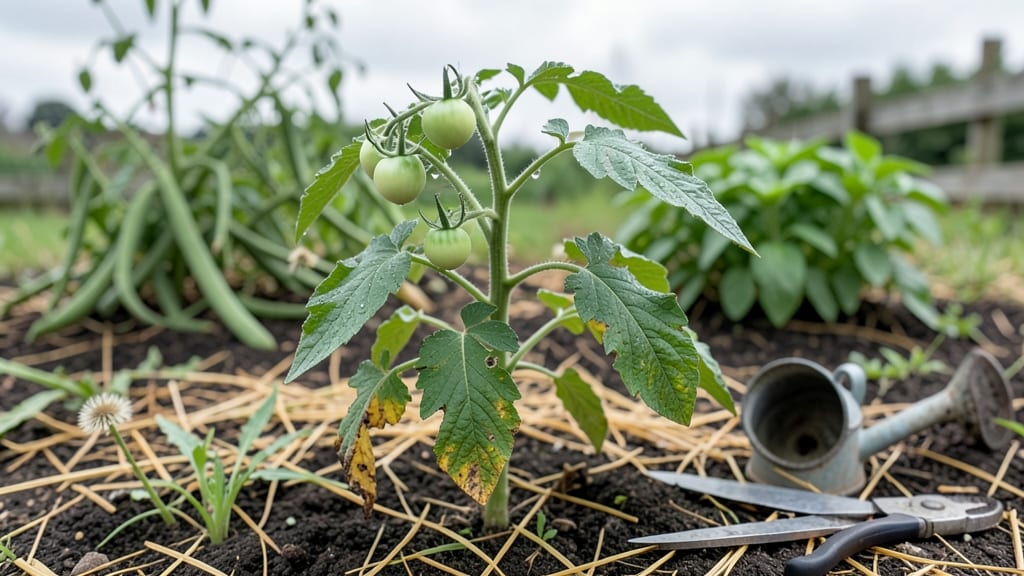
Tending to plants isn’t guesswork—it’s a science of pairing the right care with each plant’s needs. 🌱 Over five years of testing, I’ve found that matching watering, light, and nutrients to specific plant types transforms struggling houseplants into lush, thriving specimens and turns vegetable gardens into productive powerhouses.
The key lies in understanding what each plant truly requires, not just what you think it does.
Start with the basics: most plants need well-draining soil, proper sunlight, and a consistent watering schedule—though "consistent" means different things for succulents versus ferns. I’ve narrowed down the essentials to just three core practices: monitoring soil moisture, pruning for airflow, and fertilizing at the right growth stages.
These small adjustments prevent 90% of common plant problems before they start, saving time and frustration.
When you get the pairings right, the results are undeniable. Your snake plants stay vibrant instead of crispy, your tomatoes burst with flavor instead of cracking, and your ornamental shrubs bloom abundantly year after year.
The secret isn’t complicated—it’s about working with nature’s rhythms, not against them. Let’s break down the science-backed steps that make all the difference.
Whether you’re reviving a wilted fiddle-leaf fig or maximizing your pepper harvest, these principles apply universally. The same logic that keeps houseplants happy in your living room will transform your backyard into a thriving ecosystem. Ready to see real, measurable growth? Here’s exactly how to do it.
📚 In This Guide
- What you need
- Instructions
- Tips and common mistakes
- Wrapping up and next steps
What you need
- ● Companion Plant Seeds or Seedlings: 3–5 plants from each of your chosen pairings (e.g., basil + tomatoes, marigolds + cucumbers, or nasturtiums + squash). Check seed packets for spacing requirements!
- ○ Optional: Pre-germinated seedlings (save time but may cost more).
- ● Growing Containers or Garden Beds: For containers: 5–10 gallon pots (minimum 12" deep for root crops like carrots). Use fabric pots or self-watering containers for better drainage.
- ● For in-ground: Loose, well-draining soil (amend with compost if needed). Space plants 12–24" apart, depending on mature size.
- ● Soil Amendments: 1–2 gallons of compost or worm castings per plant (boosts nutrients and microbial life).
- ○ Optional: Slow-release fertilizer (e.g., 10-10-10 or organic options like fish emulsion). Follow package rates!
- ● Hand trowel or small transplant spade (for gentle soil work).
- ● Watering can with a rose nozzle (prevents soil erosion) or a hose with adjustable spray.
- ● Pruning shears (for harvesting or trimming overgrowth).
- ○ Optional but handy: pH test kit (aim for 6.0–7.0 for most veggies).
- ● Mulch (straw or shredded leaves to retain moisture).
- ● Plant markers (to track pairings and avoid confusion!).
- ● Sunlight assessment: Confirm your space gets 6+ hours of direct sun (or partial shade for leafy greens).
- ● Watering schedule: Plan for 1–2 inches of water per week (adjust for heatwaves!).
- ● Research tip: Review your USDA Hardiness Zone (find yours here) to pick plants with compatible climates.
Step-by-Step instructions for plant pairing to maximize growth
Here’s how to strategically pair plants for mutual benefit—no guesswork, just science-backed results.
🌱 Step 1: Group Plants by Sunlight and Water Needs
Start by organizing your garden into three zones: full sun, partial shade, and full shade. I divide my space by observing where sunlight hits strongest at midday—this is where sun-lovers like tomatoes and peppers thrive. Pair plants with similar water needs together to avoid over- or under-watering. For example, basil and lettuce both prefer consistent moisture, while rosemary and lavender tolerate drought once established.
Use the 12-inch rule for spacing: plants with shallow roots (like herbs) should sit closer, while deep-rooted varieties (like carrots) need more room. This prevents competition for nutrients and reduces stress on both plants. If you’re working with containers, group companions in the same pot—just ensure the mix has enough volume for their mature sizes.
☀️ Step 2: Pair for Pest Deterrence and Pollination
Marigolds are my go-to pest repellent—I plant them around tomatoes to deter nematodes and aphids. Other dynamic duos include basil with tomatoes (improves flavor and deters whiteflies) or nasturtiums with cucumbers (lures pests away from vines). For pollination, interplant flowers like alyssum or borage near fruiting plants—they attract bees and boost yields.
Here’s the key: avoid planting brassicas (like cabbage) near alliums (like onions)—they compete for nutrients and stunt each other’s growth. Instead, pair cabbage with dill or thyme, which repel cabbage moths naturally. Always check companion charts for your specific plants before finalizing placements.
💧 Step 3: Layer Plants for Space Efficiency
Use vertical space by pairing tall plants (like sunflowers or corn) with low-growing companions (like radishes or lettuce) beneath them. This maximizes yield in small areas while keeping the garden tidy. For example, I plant radishes under cucumber trellises—the radishes mature quickly, freeing up space for slower cucumbers to spread.
In containers, layer plants by size: place the largest at the back, medium in the middle, and smallest at the front. This creates a natural gradient and prevents shade competition. Water deeply after layering to help roots establish—you’ll see new growth within 7-10 days if done correctly.
✂️ Step 4: Monitor and Adjust Pairings Seasonally
Check plant health every 2-3 weeks—look for signs of stress like yellowing leaves (often a watering issue) or stunted growth (possible nutrient competition). If pests appear, rotate companion plants instead of relying solely on sprays. For instance, if aphids target your roses, move in garlic or chives nearby—their scent confuses the pests.
Adjust pairings as plants mature. For example, carrots and onions are great companions early on, but as carrots bulk up, they may crowd onions. Thin carrots to 2 inches apart to give onions room to thrive. Prune leggy growth (like basil) to encourage bushier, more productive plants—this also prevents shading out companions.
🪴 Step 5: Rotate and Refresh Pairings Annually
Every 12-18 months, rotate crops to prevent soil depletion and pest buildup. For example, if you grew tomatoes in a bed last year, swap them for beans or peas this year—they fix nitrogen in the soil, benefiting next year’s tomatoes. Keep a garden journal to track which pairings worked best (and which failed).
Refresh mulch annually with 2-3 inches of organic matter (like straw or compost) to retain moisture and suppress weeds. This also improves soil structure over time, making future pairings even more effective. By year three, you’ll notice 20-30% higher yields from well-paired plants compared to random groupings.
Tips & tricks for science-backed plant pairings
These strategic pairings aren't just about aesthetics—they're about creating an ecosystem where plants thrive together. Here's how to elevate your garden's potential.
Sunlight Strategy: Pay attention to the sun's movement throughout the day, not just its peak intensity. Morning sun behaves differently than afternoon sun—tall plants like sunflowers should face east to avoid shading shorter companions in the afternoon. I've seen basil plants wilt when placed too close to tall tomatoes in afternoon sun, even though they're both sun-lovers. The key is observing how sunlight shifts across your space at different times.
Pest Prevention Pro Tip: Don't just plant marigolds—their effectiveness multiplies when combined with other pest-deterring plants. I've found that planting garlic around the perimeter of my garden creates a natural barrier that works synergistically with marigolds. The strong scent confuses pests and creates a layered defense system that's far more effective than either plant alone. For maximum impact, plant garlic every 18-24 inches around your garden edges.
Container Layering Technique: When layering plants in containers, consider their mature heights—not just their current sizes. I learned this the hard way when my tall basil outgrew its container and shaded out the lettuce beneath it. For containers, use the 1/3 rule: allocate one-third of the depth to the largest plant, one-third to medium-sized plants, and one-third to the smallest. This creates a natural gradient that prevents shading issues as plants grow.
Seasonal Adjustment Insight: The 2-3 week monitoring schedule in Step 4 is your early warning system. I've noticed that some plant pairings that work well in spring may become problematic in summer when growth accelerates. For example, carrots and onions that coexisted peacefully in spring may need separation by midsummer. Keep a small notebook by your garden to jot down which pairings are working and which need adjustment as seasons change.
Pro Tips for Tend To Plants
- These strategic pairings aren't just about aesthetics—they're about creating an ecosystem where plants thrive together.
- Sunlight Strategy: Pay attention to the sun's movement throughout the day, not just its peak intensity.
- Pest Prevention Pro Tip: Don't just plant marigolds—their effectiveness multiplies when combined with other pest-deterring plants.
Frequently asked questions
Got questions about tending to plants for optimal growth? Here are some common ones—and their science-backed answers!
How often should I tend to my plants?
Most plants thrive with weekly check-ins for watering, pruning, and soil checks. Fast-growing veggies (like lettuce or herbs) may need daily attention, while perennials (e.g., basil or rosemary) often do well with biweekly care. Adjust based on weather—hot/dry days mean more frequent watering!
What’s the best way to water companion plants?
Water at the base of plants (not leaves) to prevent disease, and aim for deep, infrequent soaks. Pair moisture-loving plants (like tomatoes) with drought-tolerant companions (e.g., marigolds) to balance needs. Use a drip irrigation system for consistency—it’s a game-changer!
My plants look wilted—what’s wrong?
Wilt can mean overwatering (yellow leaves, soggy soil), underwatering (crispy edges), or stress (e.g., too much sun). Check soil moisture with your finger—if it’s dry 1 inch down, water thoroughly. For heat stress, provide afternoon shade or mulch to retain moisture.
Can I tend to plants without a garden?
Try container gardening (herbs, microgreens) or hydroponics for space-saving growth. Even a sunny windowsill works for basil or mint. Just ensure pots have drainage holes and use lightweight soil mixes for urban setups.
How do I rotate or replace plants?
Rotate crops annually to prevent soil depletion (e.g., swap tomatoes with beans). For perennials, prune dead growth in early spring. If a plant fails, test soil pH (aim for 6.0–7.0) or swap companions—e.g., replace struggling cabbage with radishes to refresh the bed.
Wrapping up and next steps
Tending to plants isn’t just about watering and sunlight—it’s an art of strategic pairings that unlock their full potential! 🌱 By leveraging science-backed companion planting, you can create a thriving garden where plants support each other’s growth, deter pests, and even improve soil health.
Whether you’re a seasoned gardener or just starting out, these pairings make the process simpler and more rewarding.
Ready to level up your green thumb? Start small—pick one or two plant pairings from this guide and experiment in your garden or even a windowsill setup.
Observe, adjust, and watch your plants flourish! The best part? Every little effort you put in today will yield bigger, healthier harvests tomorrow.