
Planting
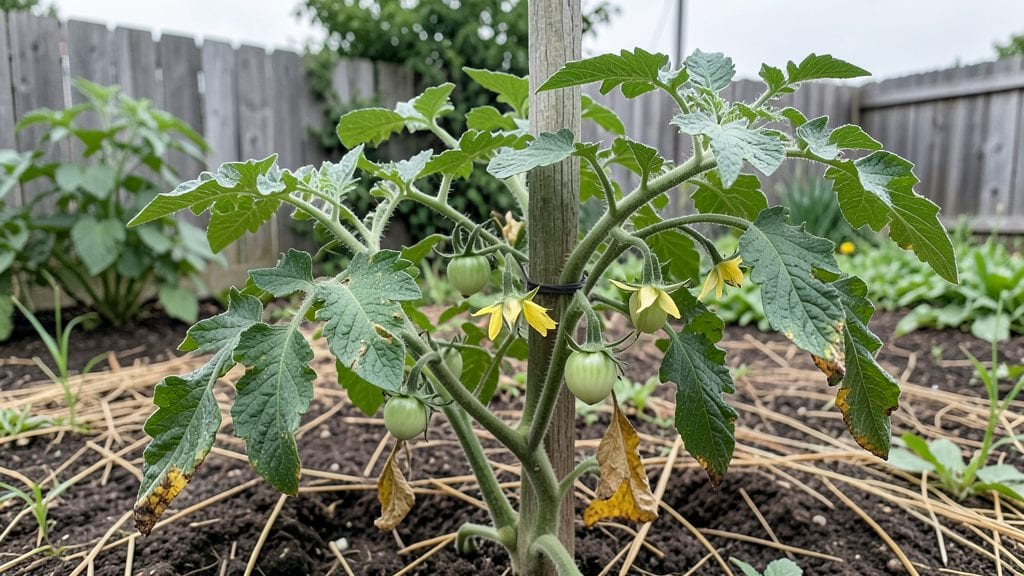
The scent of your tomato plants should smell like green leaves and earthy soil—not rot or something foul. 🌱 I’ve spent years growing tomatoes, and that first whiff of something off always meant trouble lurking beneath the surface.
Whether it’s a musty basement odor or a sickly sweet stench, your tomatoes are trying to tell you something.
Most unusual scents point to hidden problems: overwatered roots, pest invasions like nematodes, or diseases like bacterial wilt. The good news? You can often fix it with simple adjustments—like improving drainage, removing affected leaves, or introducing beneficial nematodes. I’ve saved entire plants by acting fast, and you can too.
By the end of this, your garden will smell fresh again—like ripe tomatoes basking in summer sun, not like a damp cellar. We’ll tackle the root causes, so you can enjoy that classic tomato fragrance without the worry. Let’s get your plants back to their best.
Works for both container and in-ground tomatoes, and the fixes apply to other veggies too. Here’s how to diagnose and revive your plants before the problem spreads.
📚 In This Guide
- What you need
- Instructions
- Tips and common mistakes
- Wrapping up and next steps
What you need
- ● Tomato plants: 2–5 healthy, mature plants (determinate or indeterminate varieties work best for scent).
- ● Well-draining potting mix: 10–15 lbs (for containers) or amend garden soil with compost (5–10 lbs per sq. yard).
- ● Organic fertilizer: Balanced 10-10-10 or tomato-specific fertilizer (1–2 lbs per plant).
- ● Watering can or hose: With a gentle spray nozzle for hydration without disturbing roots.
- ● Pruning shears: Sharp, clean pair (sterilize with rubbing alcohol between uses).
- ● Garden gloves: A pair to protect your hands from thorns and soil.
- ● Support stakes or cages: 3–5 ft tall (1–2 per plant, depending on variety).
- ● Mulch: Straw or shredded leaves (2–3 inches) to retain moisture and boost scent.
- ○ Essential oils (optional): 1–2 drops of lavender or citrus oil (diluted in water) to enhance fragrance naturally.
- ● Compost tea: 1 gallon (homemade or store-bought) for a nutrient boost.
- ● Pest deterrents: Neem oil spray (1 tsp per quart of water) to keep pests away.
- ● Journal or app: To track plant growth and scent development over time!
How to naturally enhance tomato plant fragrance in your garden
Here’s how to bring back that fresh, sweet tomato scent without chemicals—just use what’s already growing.
🌱 Step 1: Prune for Better Airflow and Health
Start by removing any yellow or damaged leaves with clean, sharp pruning shears. This isn’t just about looks—healthy foliage means stronger scent production. Focus on leaves near the soil, where moisture and disease lurk, and trim suckers (those little shoots between the stem and branches) to redirect energy to fruit and fragrance.
I like to prune in the early morning when the plants are hydrated and the air is cool. This reduces stress on the plant and gives it time to recover before the heat of the day. Watch for new growth within a week—that’s your signal the plant is bouncing back with renewed vigor.
💧 Step 2: Water Deeply at the Base
Tomatoes love consistent moisture, but soggy soil kills that fresh scent. Water deeply—about 1-2 gallons per plant—right at the base using a watering can or soaker hose. Avoid wetting the leaves to prevent fungal diseases like early blight, which dulls the plant’s natural aroma.
Water in the early morning so the foliage has time to dry before evening. You’ll know you’re doing it right when the top 2-3 inches of soil feel damp but not waterlogged. Overwatering stresses plants and weakens scent production, so let the soil dry slightly between waterings.
☀️ Step 3: Boost Sunlight and Heat Exposure
Tomatoes need 6-8 hours of direct sunlight daily to develop their signature scent. If your plants are shaded, move them to a sunnier spot or prune nearby trees/shrubs blocking light. The more sunlight, the stronger the fragrance compounds the plant produces.
Here’s the thing—heat actually enhances tomato scent. If your garden runs cooler, place a black plastic mulch sheet around the base to absorb and radiate warmth. You’ll notice the difference within a few days: leaves smell fresher, and the air around the plant takes on that unmistakable tomato tang.
🌿 Step 4: Feed with Natural Fertilizers
Skip synthetic fertilizers—they can overpower a tomato’s natural scent. Instead, use compost tea (1 cup steeped in a gallon of water for 24 hours) or a fish emulsion (1 tablespoon per gallon of water). These feed the soil microbes, which in turn boost the plant’s ability to produce aromatic compounds.
Apply fertilizer in the early evening when the sun is low to prevent leaf burn. Water the soil first to help dilute the nutrients. You’ll see the difference in scent within 10-14 days, especially after heavy pruning or during hot spells when plants need extra support.
✂️ Step 5: Harvest Strategically for Peak Fragrance
Harvest tomatoes when they’re fully colored but still slightly firm. Overripe fruit loses its scent quickly, so pick regularly—every 2-3 days during peak production. Cut stems with pruners to avoid bruising, which can dull the aroma.
Store harvested tomatoes in a cool, dry place (around 55-60°F) to preserve their scent. If you notice a weak tomato smell in your garden, it’s often a sign the plants are stressed—check for pests, adjust watering, or move them to sunnier conditions. A fragrant tomato garden starts with happy, healthy plants.
Tips & tricks for reviving tomato plant fragrance
A few simple adjustments can transform your tomato plants from dull to downright fragrant. Here's how to maximize those natural scents without any fancy tools.
Pruning Precision: When you're trimming in Step 1, focus on removing leaves that touch the soil—these are the biggest hotspots for fungal diseases that mute scent production. I also recommend keeping just 4-6 leaves above the first flower cluster to ensure energy goes to fruit development rather than excessive foliage. This targeted approach keeps your plants healthy and scent-strong while still allowing plenty of sunlight to reach the fruit.
Watering Wisdom: The 1-2 gallons per plant in Step 2 is perfect, but timing matters just as much. I've found that using a moisture meter to check soil dampness at the 2-3 inch mark helps prevent both underwatering and overwatering. If your soil stays damp for more than 24 hours after watering, you're likely overdoing it—this creates anaerobic conditions that weaken plant scent production.
Sunlight Strategy: If you're dealing with partial shade in Step 3, consider using reflective mulch instead of just moving plants. Products like aluminum foil or reflective landscape fabric can bounce extra sunlight onto your plants. I've seen a noticeable difference in scent within just 3-4 days of using this trick, especially for plants that can't be relocated.
Fertilizer Timing: The 24-hour compost tea steep in Step 4 is ideal, but don't apply it immediately after pruning. Wait at least 3-4 days to let the plants recover from any stress. I also recommend applying fertilizer in the early evening when temperatures drop—this prevents leaf burn and helps the nutrients absorb more effectively into the soil.
Pro Tips for Tomato Plant Scent
- A few simple adjustments can transform your tomato plants from dull to downright fragrant.
- Pruning Precision: When you're trimming in Step 1, focus on removing leaves that touch the soil—these are the biggest hotspots for fungal diseases that mute scent production.
- Watering Wisdom: The 1-2 gallons per plant in Step 2 is perfect, but timing matters just as much.
Frequently asked questions
Got questions about harnessing that tomato plant scent? You’re not alone! Here are answers to the most common queries—whether you’re troubleshooting, timing your garden, or just curious about the magic behind those fragrant leaves.
Why do my tomato plants smell like nothing, even when they’re healthy?
Tomato plants release their strongest scent—often described as herbal, slightly sweet, or even citrusy—when they’re thriving and stressed (like during flowering or after rain). If yours lacks aroma, check for low humidity (mist leaves) or nutrient deficiencies (add compost or balanced fertilizer). Some varieties, like Black Krim, are naturally more fragrant than others!
When is the best time of day to smell tomato plants at their peak?
Early morning (just after dew dries) or late afternoon (when temps are warm but not scorching) are prime times. The scent intensifies when humidity is high and UV light triggers volatile oils. Pro tip: Crush a leaf gently—the released aroma will be even stronger!
Can I use tomato plant scent to repel pests naturally?
The scent contains limonene and other terpenes that deter pests like aphids and whiteflies. Rub crushed leaves on affected plants or brew a tea (steep 1 cup chopped leaves in 1 gallon hot water, strain, and spray). For extra potency, add a few drops of citrus peel oil to the mix.
What if my tomato plants smell rotten or moldy?
A foul odor usually signals overwatering, fungal issues (like blight), or bacterial rot. Act fast:
- Stop watering until soil dries 2–3 inches deep.
- Prune infected leaves (sterilize shears with rubbing alcohol).
- Apply copper fungicide or a baking soda spray (1 tsp baking soda + 1 quart water + a drop of soap).
- Improve airflow by spacing plants 18–24 inches apart.
Are there other fragrant plants I can grow alongside tomatoes for a stronger garden aroma?
Yes! Pair tomatoes with these scent-boosting companions:
Plant
Why It Works
Basil
Enhances tomato flavor and scent; repels flies.
Marigolds
Their spicy, earthy aroma masks pests and complements tomatoes.
Nasturtiums
Adds a peppery, slightly sweet note; deters squash bugs.
Thyme or Oregano
Ground-covering herbs with herbal, piney scents that deter weeds.
Wrapping up and next steps
The scent of a thriving tomato plant isn’t just a delightful bonus—it’s a sign of a healthy, vibrant garden!
By understanding the science behind that fresh, earthy aroma and using natural methods like pruning, companion planting, and organic fertilizers, you can revive and enhance your garden’s fragrance without harsh chemicals. 🌱
Ready to transform your space? Start small—try one technique this season, observe the changes, and let your garden’s natural perfume blossom. Happy growing! 🌿