
Light Requirements
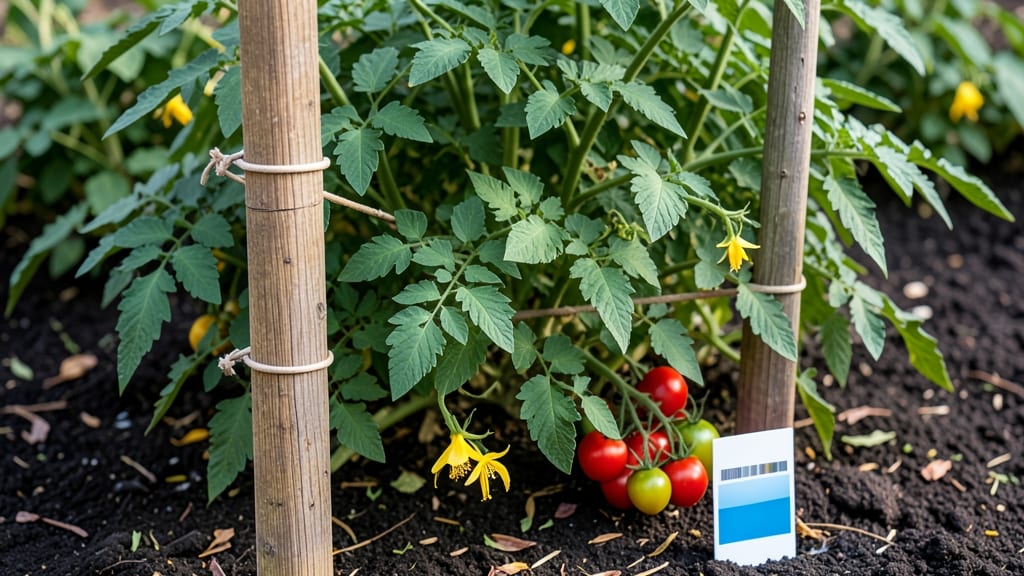
Understanding your tomato plant sun requirements is key—6 to 8+ hours of direct sunlight daily ensures juicy, flavorful fruit and a thriving harvest, while less light leads to weak, tasteless tomatoes or no yield at all.
Picture this: you’ve spent weeks nurturing your 🍅 seedlings, only to watch them stretch toward the sky like they’re begging for more. That’s your plant’s way of saying, "I need sun—real, unfiltered sun—to thrive." Too little, and they’ll produce fewer fruits; too much, and they’ll scorch before ripening.
But here’s the catch: not all tomatoes are created equal. Determinate varieties (the bush types) handle heat better than their sprawling indeterminate cousins, which need consistent sunlight to keep producing all season.
And in Zone 6a, where spring and summer temperatures swing wildly, timing matters just as much as placement.
In this guide, I’ll break down the exact sunlight your tomatoes crave—whether you’re growing them in containers, raised beds, or straight in the ground—plus how to tweak their environment for the juiciest harvest of the year.
How many hours of sun do tomato plants need daily?
Tomatoes are sun lovers, but not all varieties thrive under the same conditions. Most tomato plants need 6 to 8 hours of direct sunlight daily to produce flavorful fruit and strong vines. However, the exact amount varies based on whether you're growing determinate (bush) or indeterminate (vining) varieties.
In hot climates, afternoon shade can prevent scorching, while cooler regions may need extra sunlight to ripen fruit before frost.
Determinate tomatoes typically require 6-7 hours of sun since they produce fruit in one flush and grow more compactly. Indeterminate varieties, which continue growing and fruiting all season, need 8+ hours of sun to support their vigorous growth and heavy fruit loads.
Understanding these differences ensures you place your plants in the ideal spot for their specific needs.
🚨 summary table 🚨
| Variety Type | Sun Requirements | Climate Adjustments | Notes |
|---|---|---|---|
| Determinate (Bush) | 6-7 hours | Hot climates: 5-6 hours with afternoon shade | Compact growth, single harvest cycle |
| Indeterminate (Vining) | 8-10+ hours | Cool climates: 7-8 hours with black mulch | Continuous growth, needs strong support |
| Cherry Tomatoes | 7-9 hours | All climates: 6-7 hours minimum | High yield, needs consistent sunlight |
| Heirloom Varieties | 8+ hours | Hot climates: 6-7 hours with shade cloth | Often slower to ripen, needs full sun |
Accurately measuring sunlight is key to success. Full sun means 6+ hours of direct sunlight, while partial shade refers to 3-6 hours. Use a sunlight tracker or observe your garden: if a spot gets less than 6 hours of direct light, tomatoes may struggle to fruit.
In my garden, I test spots by placing a white board in the ground—if it casts a shadow for more than 4 hours, it’s not ideal for tomatoes.
Regional climate plays a huge role in sun requirements. In hot, dry climates like Arizona or Southern California, tomatoes need morning sun and afternoon shade to prevent leaf scorch.
I’ve seen indeterminate varieties like 'Sungold' thrive with 6 hours of morning sun and 2 hours of afternoon shade during peak summer. Conversely, in cooler climates like the Pacific Northwest, tomatoes often need full sun exposure all day to ripen fruit before frost.
Container-grown tomatoes have slightly different needs. Since pots heat up faster, they often require more frequent watering and occasional afternoon shade in hot weather. I grow determinate varieties like 'Patio' in 5-gallon pots and place them on movable stands to follow the sun’s arc.
This ensures they get 6-7 hours of direct light even in small spaces.
Signs of insufficient sunlight include yellowing leaves, stunted growth, and poor fruit set. If your tomatoes look leggy or produce small, green fruit, they’re likely not getting enough light.
On the flip side, too much sun can cause leaf burn (brown, crispy edges) or sun scald on fruit. Adjusting plant placement or using lightweight shade cloth (30-50% shade) can help balance exposure.
For heirloom tomatoes, which often have thicker skins and slower ripening times, aim for 8+ hours of sun in most climates. Varieties like 'Brandywine' or 'Cherokee Purple' need extra sunlight to develop their rich flavors.
I’ve found that raising beds in full sun spots can make a dramatic difference in their growth and fruit quality, even in less-than-ideal climates.
If you’re unsure about your garden’s sunlight, start with a simple test: Place a white piece of paper in potential planting spots for a week. Mark the hours it’s in direct sunlight.
This method helps you map your garden’s sun exposure accurately. I’ve used this trick to identify the sunniest corners of my yard, which now host my most productive tomato plants.
Remember, consistent sunlight is more important than peak intensity. Tomatoes thrive with steady, direct light rather than intermittent bursts. By matching your variety to your garden’s sun patterns and making small adjustments, you’ll set your tomatoes up for a bountiful, flavorful harvest. 🌱
Signs your tomato plants aren’t getting enough sun (and how to Fix it)
If your tomato plants look leggy with pale green leaves or produce tiny, bland fruits, they’re likely starving for sunlight. Tomatoes thrive on 6-8+ hours of direct sun daily, but many gardeners unknowingly place them in partial shade spots.
Even just 4 hours of sunlight can stunt growth and reduce yields by up to 50%. The good news? Adjusting their location or using simple tricks can save your harvest.
One of the first warning signs is yellowing leaves, especially on the lower stems. This isn’t just old age—it’s a cry for more photosynthesis power. You’ll also notice fewer flowers or blossoms dropping off before fruiting.
Even if flowers appear, the fruit may stay small and underdeveloped, lacking the sweetness and size you expect. These clues scream: "Move me to the sun!"
Tomatoes need 6-8+ hours of direct sunlight daily—any less and growth slows dramatically. Indeterminate varieties (like Sungold or Brandywine) suffer most, as they rely on continuous sun for vining and fruiting. Even determinate types (like Roma) produce smaller yields with insufficient light.
Quick Fix: Relocate plants to a south-facing spot or use reflective mulch (like white gravel) to bounce extra light onto leaves.
To diagnose the issue, observe your plants at peak sun hours (10 AM–4 PM). If nearby structures—like fences, trees, or buildings—cast long shadows over them for more than 2 hours, that’s your culprit.
Even dappled shade from a light canopy can trick tomatoes into thinking they’re getting enough sun, leading to poor fruit set. Pro tip: Use a sunlight tracker (or a phone app) for a week to log exactly how many direct sunlight hours your plants receive.
If relocating isn’t an option, try pruning nearby obstructions. Trim back overgrown branches or thin dense foliage to let more light reach the lower leaves.
For container-grown tomatoes, move pots to a sunnier spot or place them on a reflective surface (like a white tray) to increase light absorption. Another trick? Use a light-colored mulch (such as gravel or straw) to reflect sunlight upward onto the plant’s canopy.
For severe cases, consider supplemental lighting. A grow light (like an LED panel) placed 12–18 inches above the plant for 4–6 hours daily can boost photosynthesis.
This is especially helpful in northern climates or during overcast summers. Just avoid hot lights, which can scorch leaves—opt for cool-white LEDs instead.
Remember, tomatoes in shade won’t just produce smaller fruits—they’ll also be less flavorful and prone to diseases like blight due to excess moisture from poor airflow. By addressing the issue now, you’ll revitalize growth and maximize your harvest before the season ends. 🌱