
Diseases
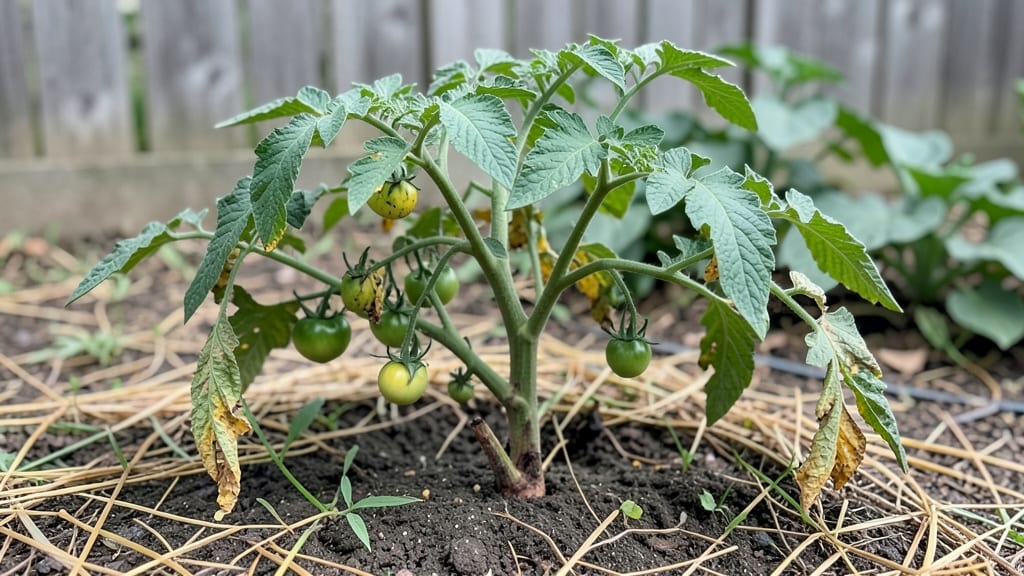
When your tomato plants suddenly wilt despite perfect care, it’s often a fungal foe like Fusarium or Verticillium—fast action is the only way to save them. 🌱 I’ve seen entire harvests lost in days when these diseases strike, but early identification turns the tide.
The key is spotting the telltale signs: yellowing leaves, stunted growth, and a vascular system clogged with fungus.
Most gardeners assume wilting means underwatering, but fungal wilt thrives in moist soil and spreads through contaminated tools or infected plants. My first season, I lost three bushes before realizing the problem wasn’t water—it was a hidden pathogen.
The good news? You can still rescue plants by removing infected foliage, sterilizing equipment, and adjusting watering habits.
Within 48 hours of treatment, you’ll see wilting slow or stop as the plant fights back. Organic options like neem oil or copper fungicides work fast, while long-term prevention means rotating crops and choosing resistant varieties.
The payoff? A healthy vine that produces tomatoes all season instead of a sad, drooping skeleton.
This works for backyard gardens, containers, and even raised beds—just adapt the timing to your climate. Let’s get those plants back on track before the fungus wins.
Root Causes Of Tomato Wilting
Tomato plants wilt when their systems fail to deliver water and nutrients efficiently—often due to hidden threats lurking in the soil, air, or even within the plant itself. Understanding the why behind wilting is the first step to saving your crop.
Below, we break down the most common culprits, from sneaky soil-borne pathogens to environmental stressors that silently drain your plants.
Fungal diseases are the #1 cause of wilting in tomatoes, often spreading unnoticed until the damage is severe. These microscopic invaders clog plant vessels, disrupting water flow and causing sudden collapse.
- Verticillium & Fusarium Wilt 🌡️ These soil-dwelling fungi thrive in warm, moist conditions and infect the plant’s vascular system.
Once inside, they produce toxins that block water transport, leading to: - Yellowing leaves (starting at the bottom) - Wilting even when soil is damp - Stunted growth or sudden death in severe cases - Pro Tip: 💡 If you’ve had infected plants before, rotate crops—these fungi can survive in soil for years.
- Southern Blight (Sclerotium rolfsii) 🌡️💀 This aggressive fungus creates white, cottony mats at the soil line and produces hard, black survival structures (sclerotia). Infected plants wilt overnight, often with a foul smell.
- Watch for: Wilting in patches, not just single plants.
- Early Blight (Alternaria solani) 🍅🔥 While it starts with leaf spots, severe infections can stress the plant enough to cause wilting, especially in hot, humid weather. Look for:
- Concentric ring spots on lower leaves
- Stunted fruit development
Bacteria can also hijack a tomato’s plumbing system, leading to rapid wilting and plant death. Unlike fungi, bacterial wilts often spread through contaminated tools, water, or even insects.
- Bacterial Wilt (Ralstonia solanacearum) 🚨 This bacterium clogs xylem vessels, preventing water uptake.
Symptoms include: - Sudden wilting (often in the afternoon) - Wet, dark streaks when you cut open the stem - Critical Note: Once infected, there’s no cure—remove and destroy the plant immediately to prevent spread.
- Pseudomonas & Xanthomonas 🌡️ These bacteria cause leaf spots and wilting by disrupting nutrient flow. They thrive in overhead-watered or crowded plants.
Not all wilting is caused by pathogens—sometimes, your growing conditions are the silent saboteurs.
- Overwatering or Poor Drainage 💦🚫 Tomatoes hate soggy roots. When soil stays waterlogged:
- Root rot sets in (fungi like Phytophthora thrive).
- Oxygen deprivation suffocates roots, halting water absorption.
- Fix It: 🔧 Use raised beds or amend soil with perlite/compost to improve drainage.
- Underwatering or Heat Stress 🔥☀️ Wilting can also signal thirst—especially in hot, dry spells. Look for:
- Leaves curling upward (like a "V")
- Soil pulling away from pot edges (if container-grown)
- Quick Action: Water deeply at the base (not overhead) and mulch to retain moisture.
- Salt or Chemical Buildup 🧂⚗️ Over-fertilizing (especially with synthetic salts) or using poor-quality water can burn roots, causing wilting. Symptoms:
- Crusty soil surface
- Yellowing leaves with brown edges
- Solution: Flush soil with clean water and switch to organic fertilizers.
Some pests chew on roots or sap, weakening the plant’s ability to stay hydrated.
- Root-Knot Nematodes 🐛🌱 These microscopic worms penetrate roots, forming galls that disrupt water uptake. Infected plants wilt even after watering.
- Signs: Knotty, swollen roots when uprooted.
- Aphids & Spider Mites 🕷️🍃 While they primarily feed on leaves, severe infestations stress the plant, leading to wilting. Check for:
- Sticky residue (honeydew)
- Fine webbing on undersides of leaves
Lack of key nutrients can weaken the plant’s immune system, making it vulnerable to wilting.
- Potassium (K) Deficiency ⚡ Potassium helps regulate water balance. A deficiency causes:
- Yellowing leaf edges (scorching)
- Weak stems that flop easily
- Fix: Use potassium-rich fertilizers (like banana peel tea or greensand).
- Magnesium (Mg) Deficiency 🍃 Magnesium is crucial for chlorophyll production. Without it, older leaves yellow between veins, reducing the plant’s ability to photosynthesize efficiently.
Sometimes, human error (or critters) directly harms the plant’s water-transport system.
- Broken or Crushed Stems 💥 Accidental damage (e.g., from wind, hail, or rough handling) can sever vascular tissue, causing wilting above the injury.
- Prevent: Use stakes or cages to support plants.
- Animal Gnawing 🐇🐭 Rabbits, deer, or rodents may chew stems or roots, leading to sudden wilting.
- Solution: Install physical barriers (like wire mesh) around beds.
Wilting is a red flag—don’t wait to diagnose. Isolate suspicious plants, check soil moisture, and treat based on the root cause (literally!). Early action can mean the difference between saving your harvest and losing the whole plant. 🚀
Quick Fixes for Wilting Tomatoes
A wilting tomato plant can feel like a garden disaster, but don’t toss the trowel just yet! The right cure depends on the cause—whether it’s fungal, bacterial, or environmental stress.
Below, we’ve mapped out practical solutions for each common trigger, plus prevention tips to keep your plants thriving. Let’s revive those tomatoes before it’s too late!
Signs: Yellowing lower leaves, stunted growth, wilting that spreads upward, dark streaks in stems.
🍳 Step 1: Remove Infected Plants Immediately
- Pull up severely wilted plants and dispose of them in the trash (not compost!). Fungal spores can linger in soil and reinfect.
- Sterilize tools with rubbing alcohol or a 10% bleach solution to prevent spread.
👨🍳 Step 2: Soil Sterilization (Critical!)
Fungi thrive in contaminated soil. Choose one method based on your setup:
- For containers: Replace the soil entirely with sterilized potting mix (bake soil in the oven at 200°F for 30 minutes or use commercial sterilized mix).
- For garden beds: Solarize the soil by covering it with clear plastic for 4–6 weeks in hot weather (sun + heat kills spores).
- Fungicide spray: Apply a copper-based fungicide (like Cupric Hydroxide) or neem oil solution (2 tbsp neem oil + 1 tsp mild soap per gallon of water) every 7–10 days for 3 weeks.
🌱 Step 3: Plant Resistant Varieties Next Season
- Swap susceptible varieties (like Roma or Beefsteak) for resistant tomatoes like ‘Mountain Merit,’ ‘Defiant PhR,’ or ‘Bravo.’ Check seed packets for "V/F resistant" labels.
Signs: Sudden wilting (even in cool weather), yellowing leaves, oozing bacterial slime from stems when cut open.
⏰ Step 1: Destroy Infected Plants ASAP
- Do NOT compost—bag and trash infected plants to stop bacterial spread via tools or water splashes.
- Avoid overhead watering (bacteria spread via water droplets).
🔪 Step 2: Rotate Crops & Sanitize
- Wait 3–4 years before planting tomatoes, peppers, or eggplants in the same spot (bacteria persist in soil).
- Disinfect everything: Tools, trellises, and containers with bleach water (1 part bleach to 9 parts water).
💡 Prevention Tip:
- Use drip irrigation instead of sprinklers to keep foliage dry.
- Plant in raised beds with fresh, sterile soil to reduce bacterial load.
Signs: Wilting that improves at night or after watering, crispy leaf edges, or mushy stems.
💧 Step 1: Adjust Your Watering Routine
- Check soil moisture before watering—stick your finger 1–2 inches deep. Water deeply 1–2 times per week (not daily shallow watering).
- Mulch heavily (2–3 inches of straw or wood chips) to retain moisture and cool roots.
🌿 Step 2: Provide Shade & Support
- Shade cloth (30–50%) can protect plants from scorching heat (especially in peak afternoon sun).
- Prune lower leaves to improve airflow and reduce stress.
✨ Pro Tip:
- Water in the early morning (before 10 AM) to minimize evaporation and fungal risks.
- Use a fan on hot days to mimic wind and reduce heat stress (great for containers!).
Want to avoid wilt diseases entirely?
Follow these garden-proofing steps: - Rotate crops: Never plant tomatoes, peppers, or potatoes in the same spot for 3+ years. - Test your soil: Use a pH test kit—aim for 6.0–6.8 (fungi thrive in acidic soil). - Boost plant health: Feed with balanced fertilizer (10-10-10) at planting and compost tea every 2 weeks for stronger roots. - Monitor pests: Remove aphids, flea beetles, and other pests—they open doors for fungal/bacterial infections.
Final Thought: Wilting doesn’t mean game over—act fast, identify the cause, and your tomatoes can bounce back! For severe cases, consider starting fresh with resistant varieties in sterilized soil. Happy (and healthy) growing! 🍅🌱
Frequently asked questions
How can I tell if my tomato plant has Fusarium or Verticillium wilt?
Look for yellowing lower leaves that spread upward, stunted growth, and wilting even when soil feels moist. Cut open the stem—if you see dark brown or black streaks in the vascular tissue, it’s likely fungal wilt. These diseases often appear in patches rather than affecting single plants.
Will pruning my tomato plant help prevent wilt diseases?
Yes! Pruning improves air circulation around leaves, reducing humidity where fungi thrive. Remove lower leaves touching the soil and any yellow or diseased foliage. Avoid over-pruning—leave enough leaves to support photosynthesis while keeping the plant healthy.
Can I save a tomato plant already showing bacterial wilt symptoms?
Unfortunately, no—bacterial wilt has no cure. Once infected, the plant will die within days. Remove it immediately and disinfect tools with bleach water. To prevent spread, avoid overhead watering and use drip irrigation instead, as bacteria spread through water droplets.
How long does it take for fungicide treatments to work on wilt diseases?
Most organic fungicides like neem oil or copper sprays take 7–14 days to show visible improvement. Apply every 7–10 days for 3 weeks to break the fungal cycle. For severe cases, combine with soil solarization or replacing contaminated soil in containers.
Are there tomato varieties that naturally resist wilt diseases?
Yes! Look for varieties labeled "V/F resistant" (Verticillium/Fusarium resistant), like 'Mountain Merit', 'Defiant PhR', or 'Bravo'. These hybrids have genetic resistance, though no plant is 100% immune. Pair resistant varieties with crop rotation and sterile soil for best results.