
Shrubs
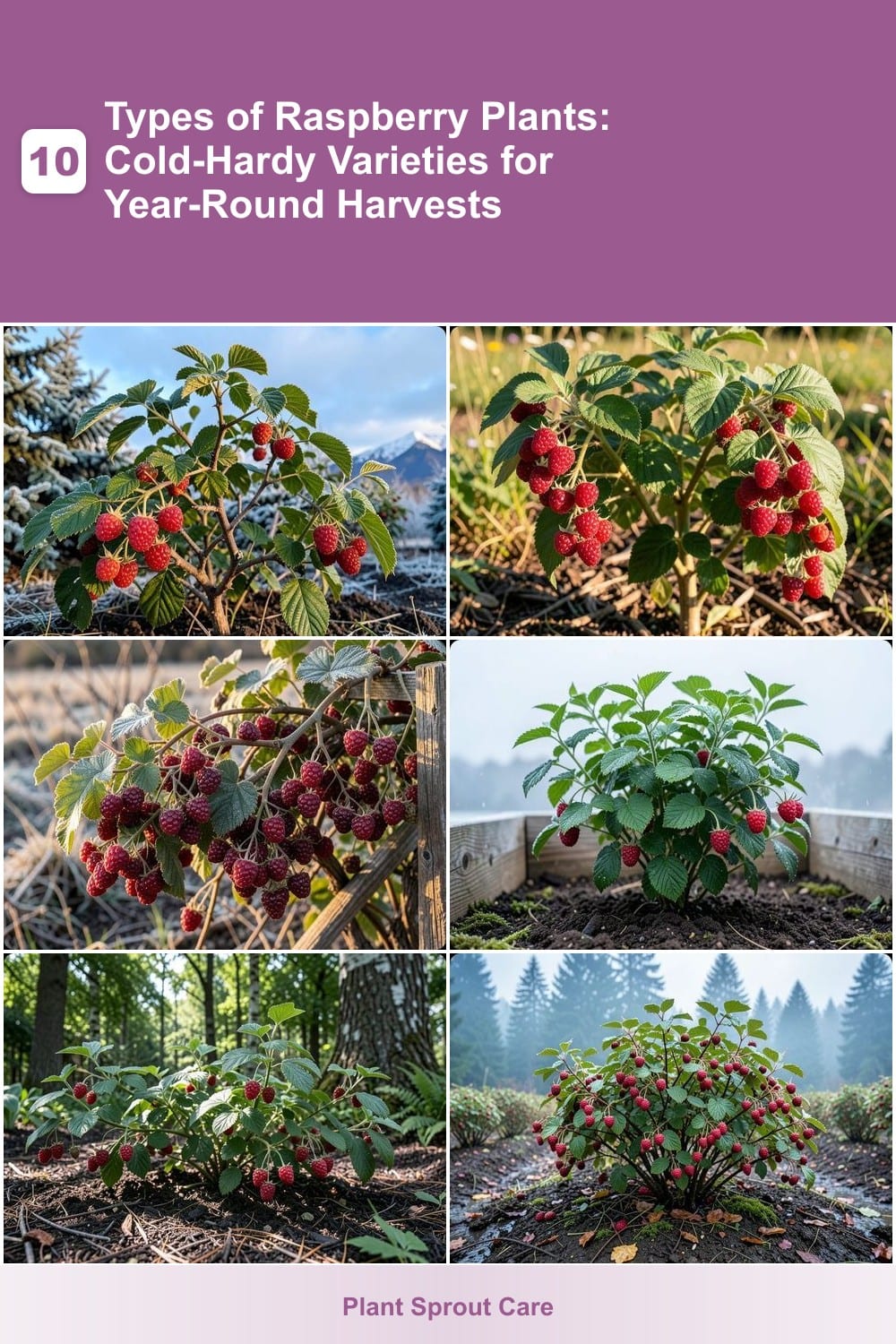
Cold climates don’t have to mean skipping raspberry harvests. These 10 cold-hardy raspberry varieties thrive in chilly regions, offering year-round productivity, disease resistance, and adaptability to short growing seasons.
Boyne Summerfall Raspberry
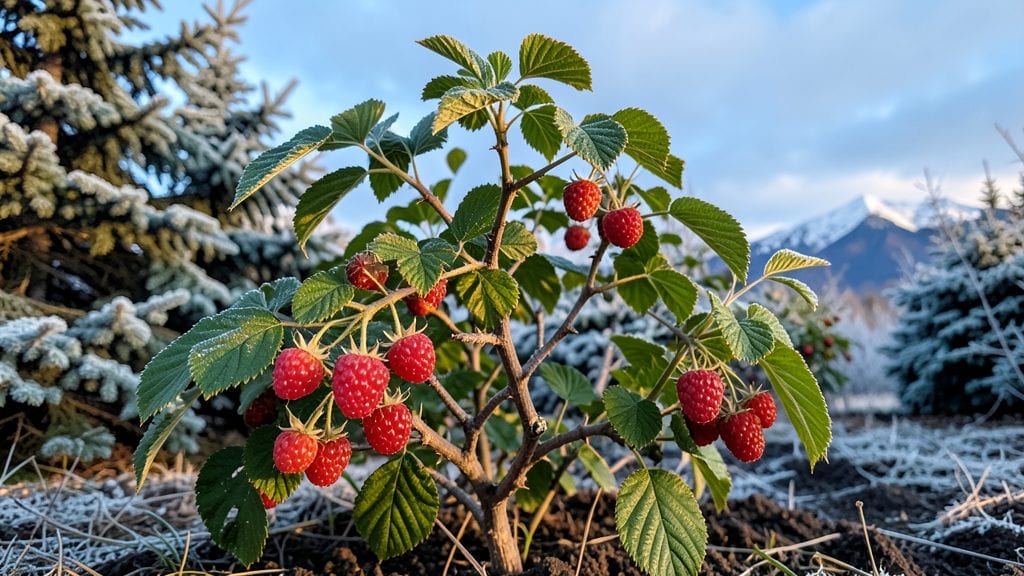
If you live in a northern climate with brief summers and harsh winters, the Boyne Summerfall Raspberry is your secret weapon for a dual harvest—one in summer and another in fall. This cold-hardy variety thrives in USDA Zones 3-7, making it perfect for regions where growing seasons are short but winters are severe.
What sets this raspberry apart is its ability to produce two distinct crops: an early summer harvest followed by a second, larger crop in late summer or early fall. The berries are deep red, firm, and sweet, with a flavor that improves as the season progresses. To maximize yields, plant in full sun and provide well-draining soil—this variety is also disease-resistant, reducing the need for pesticides.
Gardeners in Zone 4 and colder will appreciate its resilience, while urban gardeners with limited space can grow it in containers. It’s a game-changer for those who want year-round raspberry production without compromising flavor or hardiness. 🌟
Nova Raspberry
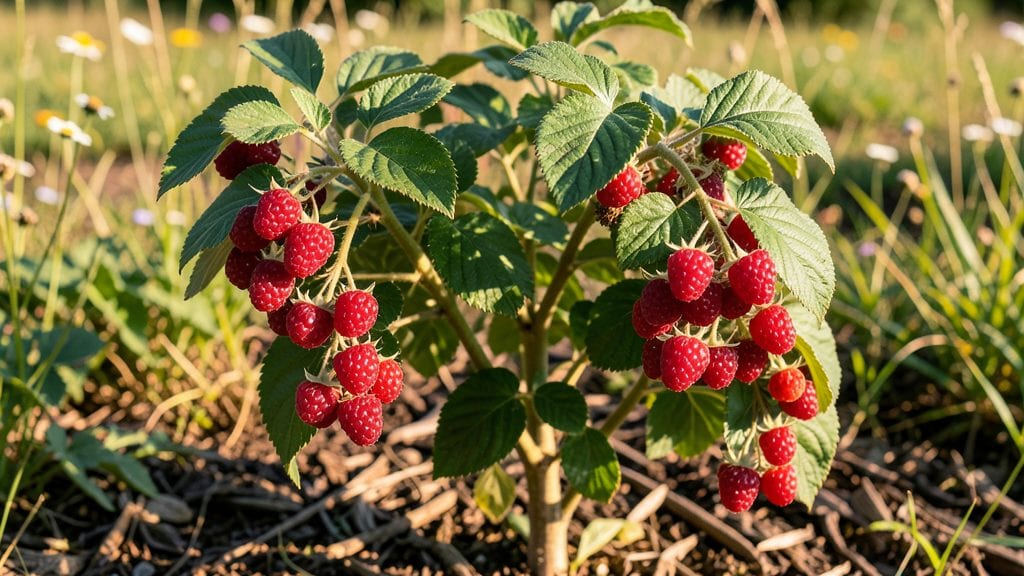
If you’re in USDA Zone 3 and want to beat the clock before summer heat sets in, the Nova Raspberry delivers a premium early harvest—sweet, large berries ripening 3-4 weeks earlier than most varieties. This isn’t just any raspberry; it’s a game-changer for gardeners with short growing seasons who crave fresh fruit before July’s heat arrives.
Plant Nova Raspberries in full sun to partial shade (they tolerate cooler microclimates better than full-sun varieties) and expect vigorous canes that produce 2-3 pounds of fruit per plant in ideal conditions. The berries are deep red, firm, and intensely sweet, making them perfect for fresh eating or freezing. Unlike Boyne Summerfall (which focuses on dual harvests), Nova prioritizes speed and flavor—ideal if you’re counting down the days until your first harvest.
This variety is a must-try for northern homesteaders, school gardens, or anyone with a short season. With its Zone 3 hardiness and early maturity, it turns late spring into raspberry season—no waiting required! 🌻
Heritage Raspberry
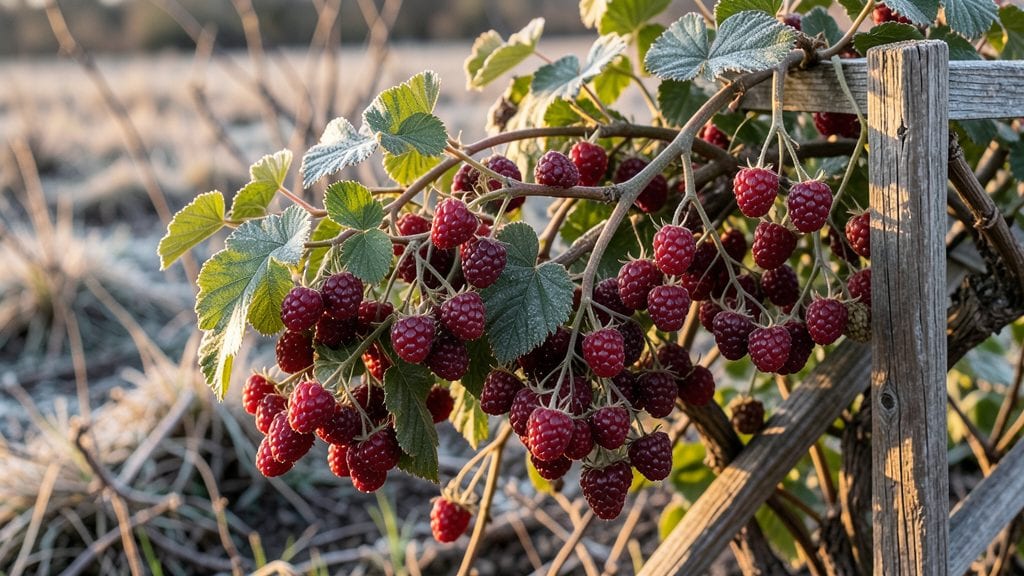
For gardeners who love the idea of heirloom raspberries but worry about harsh winters or disease, the Heritage Raspberry delivers on both counts—with a deep, old-fashioned flavor that modern varieties often lack. This isn’t just another cold-hardy raspberry; it’s a throwback to the 19th century, bred to thrive where others fail, making it a favorite for homesteaders and heritage gardeners alike.
What makes Heritage Raspberries stand out is their exceptional cold tolerance, allowing them to produce large, juicy berries in USDA Zones 3-8—even in years with late frosts or early snows. The berries are deep red, firm, and intensely sweet, with a complex flavor that pairs beautifully in jams, pies, or fresh off the cane. Unlike many modern varieties, this heirloom also boasts natural disease resistance, reducing the need for sprays and making it low-maintenance once established.
Perfect for traditional gardeners, small farms, or anyone craving a taste of the past, Heritage Raspberries prove that cold climates don’t have to mean sacrificing flavor or yield. Plant them in full sun to partial shade for a crop that feels as nostalgic as it is productive. 🌻
Canby Raspberry
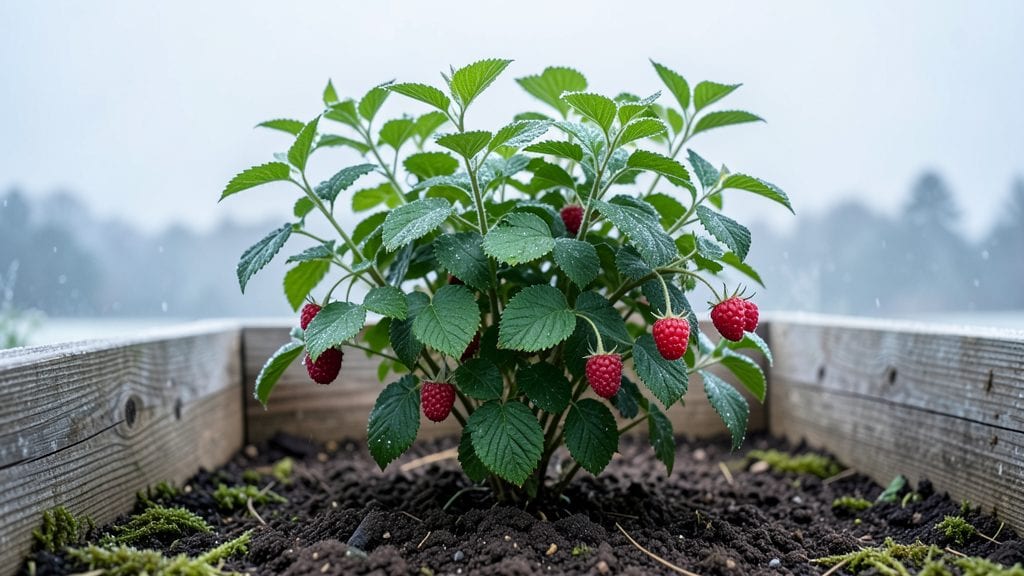
Small spaces and cold climates shouldn’t stop you from enjoying two raspberry harvests a year—the Canby Raspberry delivers exactly that. This everbearing variety thrives in USDA Zones 3-7, making it ideal for northern gardeners who want continuous fruit production without the space demands of traditional raspberry bushes.
Unlike fall-bearing varieties that produce just once, Canby Raspberry yields two crops annually: one in early summer and another in fall. Its compact growth habit (typically 3-4 feet tall) makes it perfect for containers, balconies, or small gardens. Plant in full sun to partial shade and provide well-draining soil to encourage vigorous growth. With proper care, you can expect 1-2 pounds of berries per plant—enough for fresh eating, jams, or sharing with neighbors.
This variety is a game-changer for urban gardeners, apartment dwellers, or anyone with limited space who still wants a bountiful harvest. Its cold hardiness and disease resistance mean less fuss and more fruit—ideal for busy gardeners who want year-round raspberries with minimal effort. 🌱
Killarney Raspberry
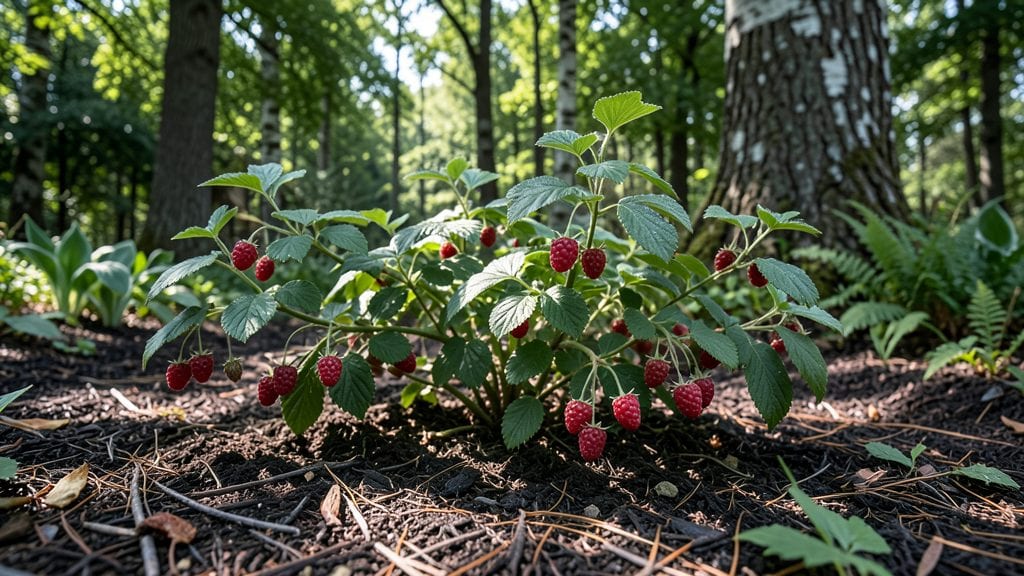
If your garden gets partial shade and you’re in a cold climate, the Killarney Raspberry is the perfect underrated choice—it thrives where others fail. Unlike sun-loving varieties, this remontant raspberry produces sweet, deep-red berries even in dappled light, making it ideal for northern homesteads with wooded edges or shaded patios.
This cold-hardy variety (USDA Zones 3-8) delivers reliable late-season fruit without the fuss of traditional raspberries. Plant in well-draining soil and expect vigorous canes that yield 1-2 pounds of berries per plant—perfect for fresh eating or preserves. Its disease resistance means fewer pesticides, while its compact growth (3-5 feet) fits neatly into small gardens or along fences.
Homesteaders and shade-loving gardeners will appreciate its low-maintenance resilience—ideal for extending your harvest when other varieties give up. 🌿
Willamette Raspberry
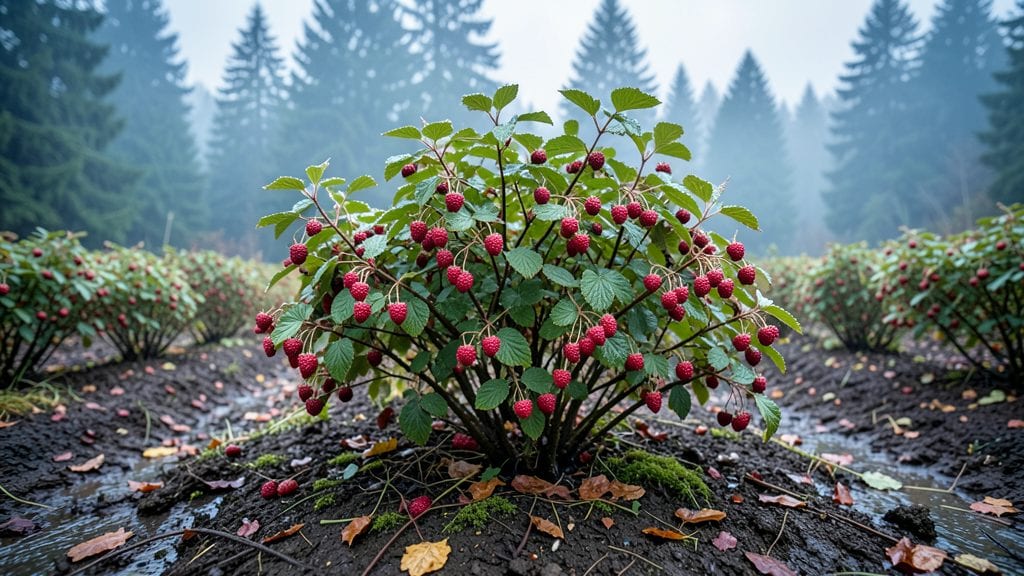
If you live in a wet, cold climate where soggy soil and chilly winds challenge most raspberries, the Willamette Raspberry is your secret weapon. This disease-resistant everbearing variety thrives in USDA Zones 3-7, producing large, firm berries that stay firm even when overripe—perfect for jams, preserves, or fresh snacking.
What sets Willamette apart is its remarkable tolerance for moisture, making it ideal for Pacific Northwest gardens, boggy areas, or regions with high humidity. Unlike many raspberries that struggle in wet conditions, this variety stays healthy and productive with minimal care. Plant in full sun to partial shade and expect two harvests per year: one in early summer and another in fall. The berries are deep red, glossy, and packed with flavor, often weighing 1-1.5 inches in diameter—larger than many commercial varieties.
Gardeners in rainy climates, small farms, or urban yards will love its low-maintenance resilience. With natural disease resistance, you’ll spend less time spraying and more time enjoying your harvest. It’s the ultimate wet-climate workhorse for those who want year-round raspberries without the fuss. 🌱
Boyne Raspberry
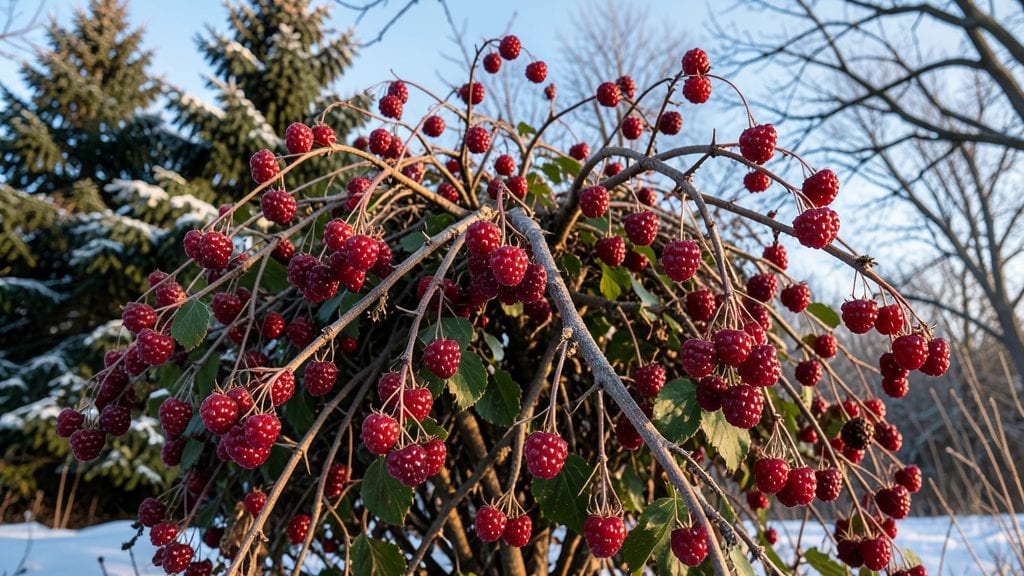
When you need a reliable late-season raspberry that won’t quit—even in Zone 4’s harsh winters—the Boyne Raspberry delivers. Unlike everbearing varieties that spread their harvests thin, this fall-bearing classic focuses all its energy on one massive crop in late summer and fall, making it the ultimate "second-half" performer for northern gardens.
This cold-hardy powerhouse thrives in USDA Zones 3-7 and produces large, deep-red berries that ripen in August through October, giving you a harvest when many other varieties have already faded. The secret to its success? Strong canes that survive winter dieback better than most, paired with natural disease resistance that keeps pests at bay. Plant in full sun to partial shade and expect 2-3 pounds of berries per plant—perfect for fresh eating, freezing, or turning into jam.
For gardeners who want one spectacular fall harvest rather than scattered yields, Boyne Raspberry is the no-fuss champion. Its heavy crop concentration means fewer plants needed for the same bounty, making it ideal for small farms, homesteads, or backyard growers who prioritize late-season abundance over year-round trickles. 🌻
Chillwell Raspberry
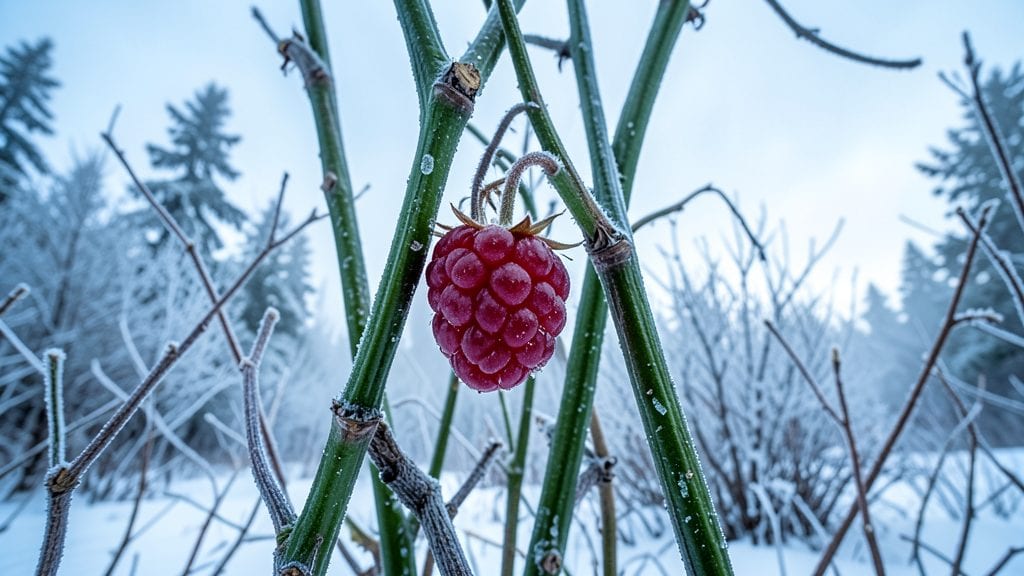
If you garden in regions where winter temperatures plunge below -20°F, the Chillwell Raspberry is the ultimate survivor—specifically bred to outperform traditional varieties in subarctic climates. Unlike most cold-hardy raspberries that suffer winter dieback, this newer variety maintains vigorous canes year after year, delivering large, sweet berries even after brutal winters.
Plant Chillwell Raspberries in full sun with well-draining soil (they tolerate poor soil better than many varieties), and expect reliable harvests in USDA Zones 2-6. The berries are deep red, firm, and intensely flavorful, with a thick skin that resists cracking in wet conditions. Prune in late winter to remove dead canes, but unlike other varieties, you won’t need to replace as many canes each year—this raspberry stays productive despite extreme cold.
This is the perfect choice for homesteaders in Alaska, Canada’s northern regions, or high-altitude gardens where other raspberries fail. With minimal winter dieback, you’ll enjoy year-round harvests without the constant replanting hassle. 💪
Boyne Gold Raspberry
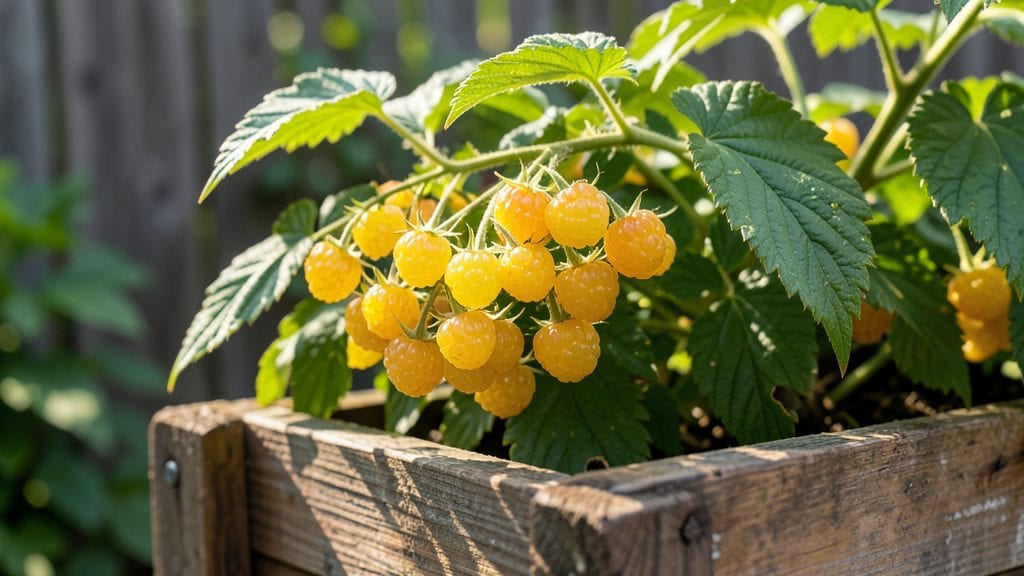
Looking for a raspberry that stands out in both your garden and your kitchen? The Boyne Gold Raspberry brings a vibrant golden twist to traditional red raspberries, with yellow-fleshed fruit that’s as striking as it is delicious. This cold-hardy variety thrives in USDA Zones 3-7, making it perfect for northern gardeners who want something unique yet reliable.
The berries boast a tangy-sweet flavor with a bright, almost citrusy note that sets them apart from standard raspberries. Their golden hue also makes them a showstopper in salads, desserts, or fresh off the vine. Plant in full sun to partial shade and well-draining soil for best results—this variety is also disease-resistant, reducing maintenance while delivering a bountiful harvest.
Ideal for gardeners who love experimental flavors and ornamental appeal, Boyne Gold Raspberry adds a luxurious touch to any garden while staying tough in cold climates. 🌟
Oso Grande Raspberry
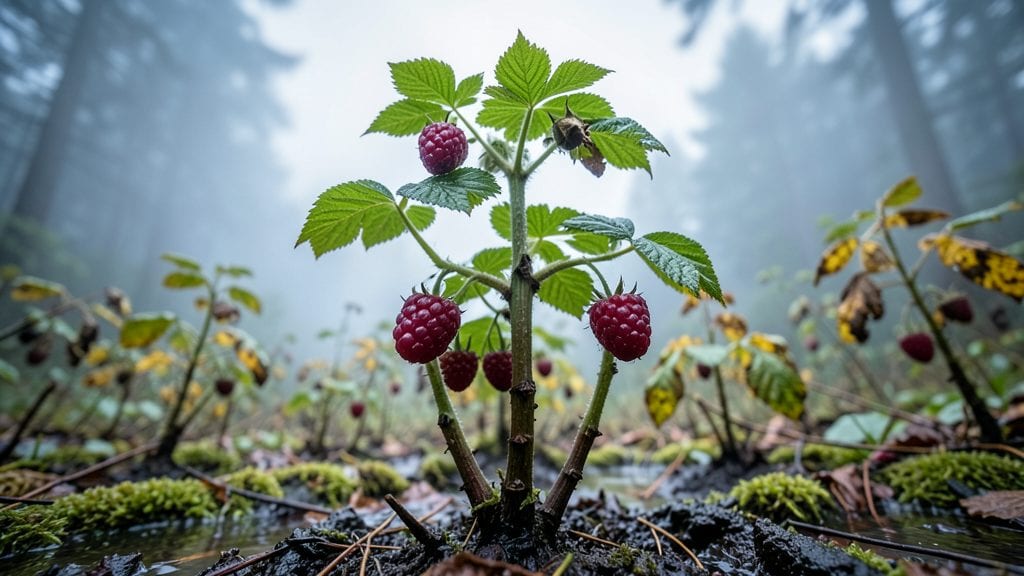
When soggy soil and chilly winds make other raspberries wilt, the Oso Grande Raspberry stands tall—naturally resistant to diseases like cane blight and leaf spot, even in wet, cold climates like the Pacific Northwest or Appalachia. This everbearing variety produces large, glossy berries that stay firm and flavorful, making it a standout for gardeners who want year-round harvests without the fuss of constant pruning or chemical treatments.
Unlike high-maintenance varieties, Oso Grande requires minimal pruning—just remove dead canes in early spring and thin out overcrowded growth in late winter. Plant in full sun to partial shade and expect two crops annually: one in early summer and another in fall. The berries are deep red, sweet, and juicy, perfect for fresh eating or preserves, with minimal seed cavities—a rare trait in cold-hardy varieties.
Perfect for organic gardeners, permaculture plots, or small farms, this raspberry proves that cold, wet climates don’t have to mean sacrificing flavor or yield. Its low-maintenance resilience makes it a top choice for those who want delicious berries with less work. 🌿