
Plants
Bring life to your winter porch with these 10 cold-hardy plants that bloom beautifully in chilly conditions. Perfect for extending your growing season, these resilient varieties offer color and texture without requiring a greenhouse—ideal for urban balconies or rural patios alike.
Hellebore Winter Rose Blooms
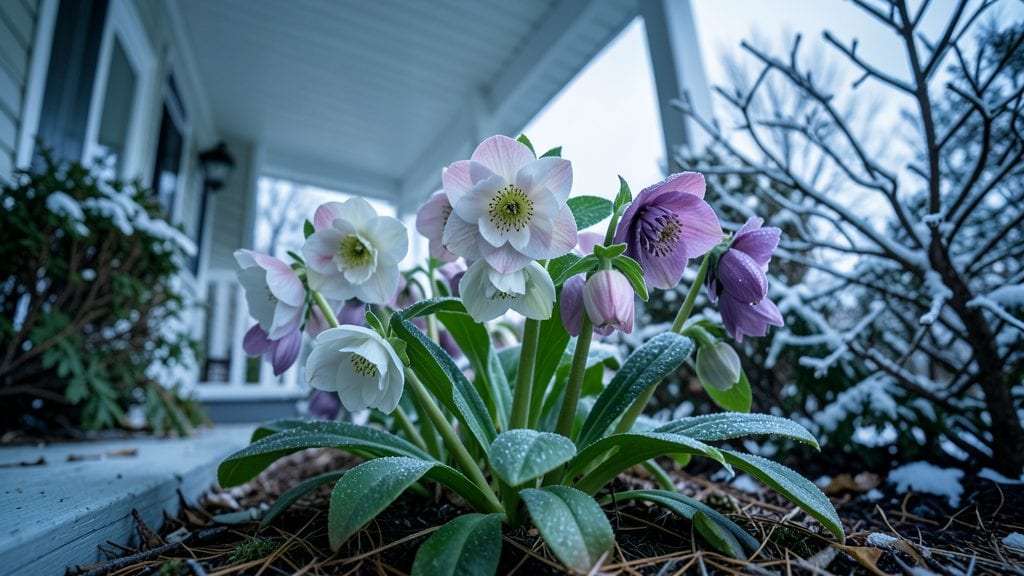
When your porch is bathed in winter shadows but you still crave color, hellebores—also called "winter roses"—are your secret weapon. These elegant perennials bloom from late winter through early spring, often while snow still lingers, and their nodding flowers (in shades of white, pink, purple, or green) defy the cold with effortless grace.
What makes hellebores perfect for north-facing porches? They thrive in shade to partial sun and tolerate frost down to -20°F, making them ideal for containers that stay outdoors year-round. Simply plant them in well-draining soil, water occasionally (they’re drought-tolerant once established), and watch them reward you with blooms when most gardens are still dormant. Their glossy, leathery leaves also add texture even when flowers fade.
Beginner gardeners will love hellebores—they’re nearly foolproof and multiply over time. For urban balconies or rural patios, they’re the ultimate low-maintenance star. 🌷
Winter Jasmine Climbing Vines
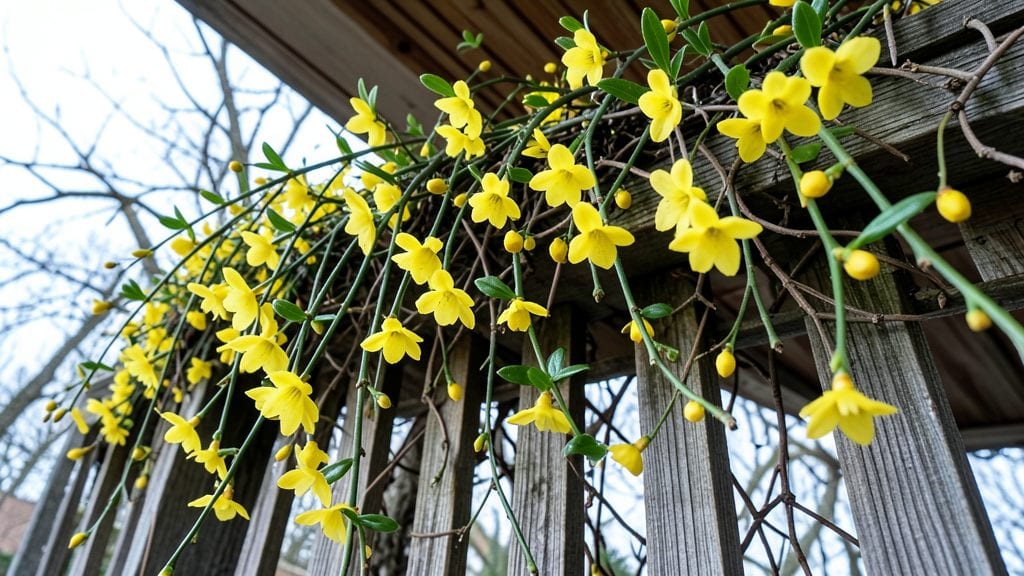
If your porch lacks vertical space but you crave winter cheer, winter jasmine (Jasminum nudiflorum) is your answer. This fast-growing, evergreen vine bursts into bright yellow blooms from late winter through early spring, transforming bare railings or trellises into a sunlit cascade. Unlike its summer-flowering cousins, it thrives in cold climates, even surviving temperatures down to 10°F—perfect for containers left outdoors.
Plant it in well-draining soil with full sun to partial shade, and watch it climb aggressively (up to 10 feet per season). Prune lightly after flowering to control growth, but avoid heavy cuts—its arching branches create natural winter interest. For best results, pair it with evergreen shrubs like boxwood to fill gaps in your porch’s vertical design.
Urban gardeners with limited ground space will love how winter jasmine turns walls into living art. Its early spring blooms signal renewal while requiring minimal care—ideal for busy porches. 🌻
Pansies in Frost-Resistant Colors
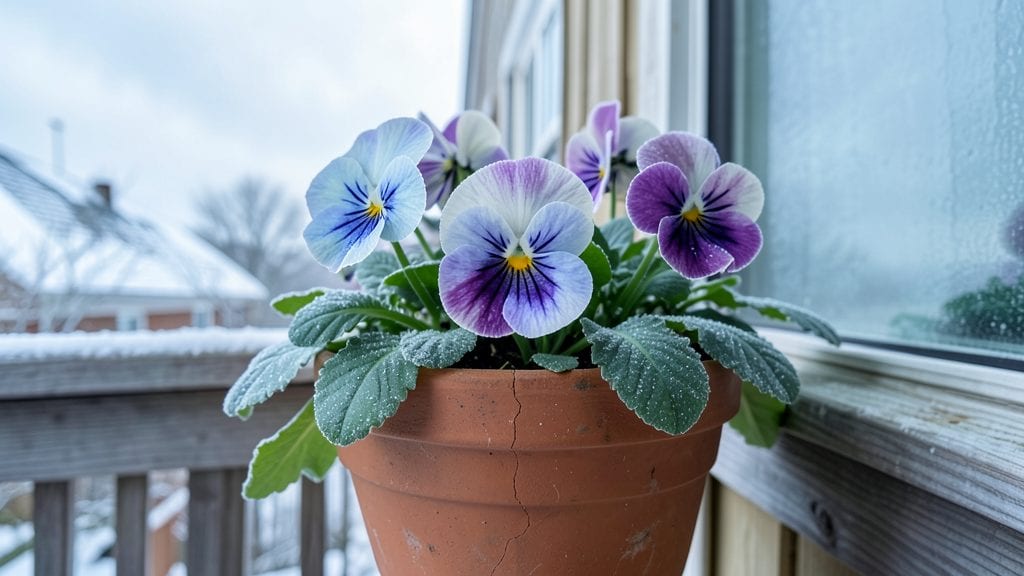
Looking for a winter porch plant that’s both beautiful and useful? Pansies in frost-resistant varieties like 'Ice King' or 'Matrix' deliver cheerful blooms from fall to spring—plus, their petals are edible! These cold-hardy gems thrive in temperatures down to 15°F, making them perfect for containers that can be tucked indoors during polar vortexes.
Plant them in well-draining soil with 6 hours of sun daily, and deadhead spent blooms to encourage nonstop color. For extra resilience, choose dwarf varieties (like 'Tom Thumb') that stay compact in pots. Their vibrant hues—from deep purple to sunny yellow—brighten chilly days while attracting pollinators like bees (even in winter!).
Urban gardeners and small-space enthusiasts will love how pansies double as edible garnishes and long-lasting cut flowers. Just move pots indoors when temps drop below 10°F to keep them blooming year-round. 🌷
Boxwood Shrubs for Year-Round Structure
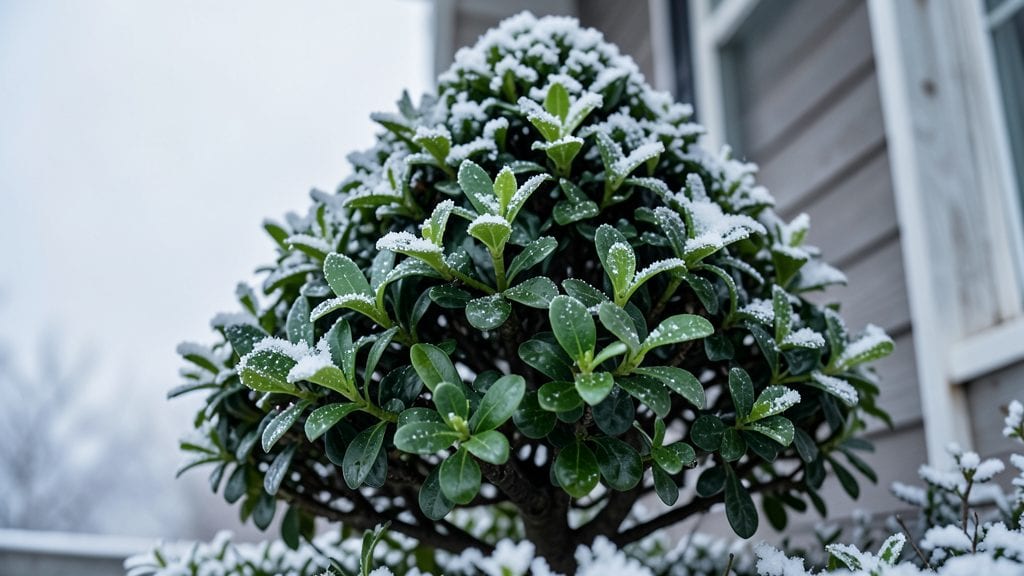
When your winter porch needs a structured backbone that stays lush through frost, boxwood shrubs are the unsung heroes of cold-season gardening. Unlike seasonal bloomers, these evergreens deliver year-round density, their glossy leaves holding their shape even when snow dusts the branches—a perfect foil for delicate winter flowers like hellebores or pansies.
Boxwoods thrive in full sun to partial shade and tolerate temperatures down to -15°F, making them ideal for containers left outdoors year-round. Their slow growth (just 6–12 inches per year) means minimal pruning, while their dense foliage creates natural privacy or topiary shapes—think conical spires or geometric hedges. For best results, plant in well-draining soil and water occasionally (they’re drought-tolerant once established), then shape them in late winter for a polished look.
Landscape designers and urban gardeners swear by boxwoods for their versatility—they anchor porch planters, frame entryways, or even grow in dwarf varieties for small spaces. Their timeless appeal ensures your porch stays elegant even when other plants fade. 🌿
Cyclamen for Shady Porch Corners
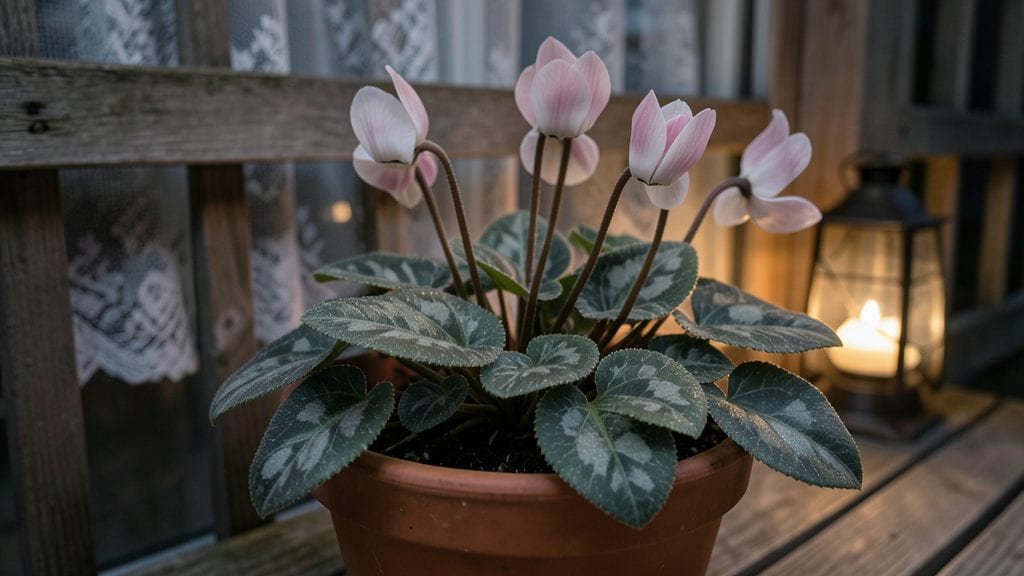
For that cozy, dimly lit porch corner where sunlight barely reaches, cyclamen are the understated stars of winter. Their heart-shaped leaves (often silver-marked) and delicate pink or white blooms emerge in late fall, thriving when most plants have gone dormant. Unlike sun-loving varieties, these shade specialists prefer bright, indirect light—perfect for north-facing porches or spots tucked under eaves.
Grow them in well-draining potting mix with a touch of perlite to prevent root rot, and keep soil lightly moist (they hate soggy conditions). A cool indoor temperature (55–65°F) mimics their Mediterranean woodland habitat, while occasional misting encourages lush foliage. For extra drama, pair them with boxwoods (from the previous item) to contrast their soft blooms with structured greenery.
Cyclamen are ideal for small-space gardeners and apartment dwellers—their compact size fits snugly in ceramic pots, and they bloom for 6–8 weeks, often reblooming with proper care. Just avoid placing them near drafty windows or heat vents, which can cause premature dormancy. 💚
Dwarf Lilac Bushes for Fragrant Blooms
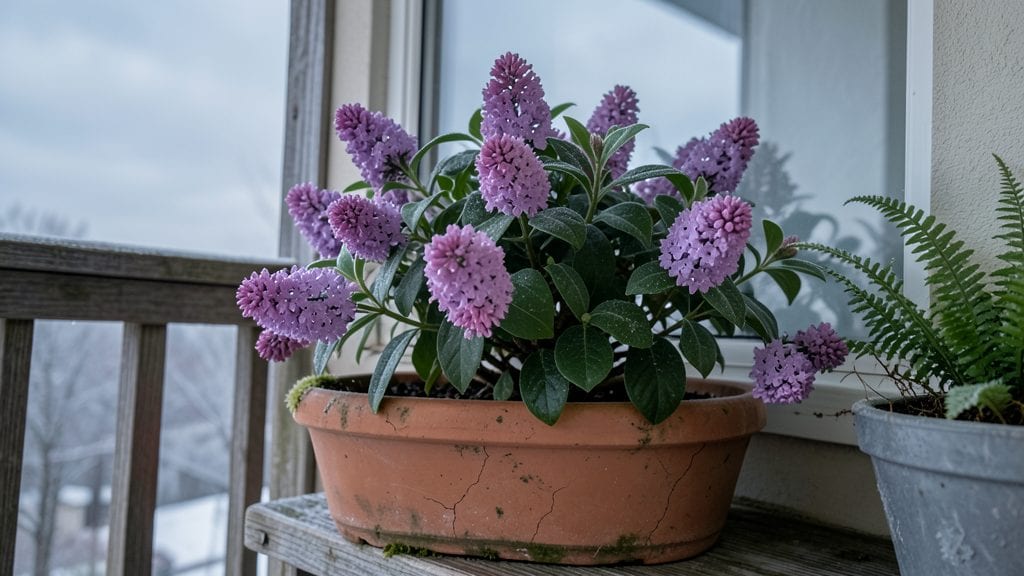
Craving that classic lilac scent without sacrificing precious porch space? Dwarf lilac bushes like 'Mme. Lemoine' deliver fragrant purple blooms in late winter—when most gardens are still dormant—while staying compact enough for small balconies or window boxes. Unlike their full-sized cousins, these varieties top out at just 3–4 feet tall, making them ideal for containers or tight corners where you want aroma without bulk.
Plant them in well-draining soil with full sun to partial shade, and prune lightly after flowering to maintain their shape. Their late-winter blooms (February–March) arrive just as other plants are waking up, while their glossy leaves add year-round interest. For best fragrance, position them near seating areas where you can savor their sweet, heady scent—perfect for romantic evenings or cozy mornings.
Gardeners with limited space but a love for classic fragrance will adore these lilacs—they’re the perfect compromise between old-fashioned charm and modern small-space gardening. 🌷
Ornamental Kale with Frost-Enhanced Colors
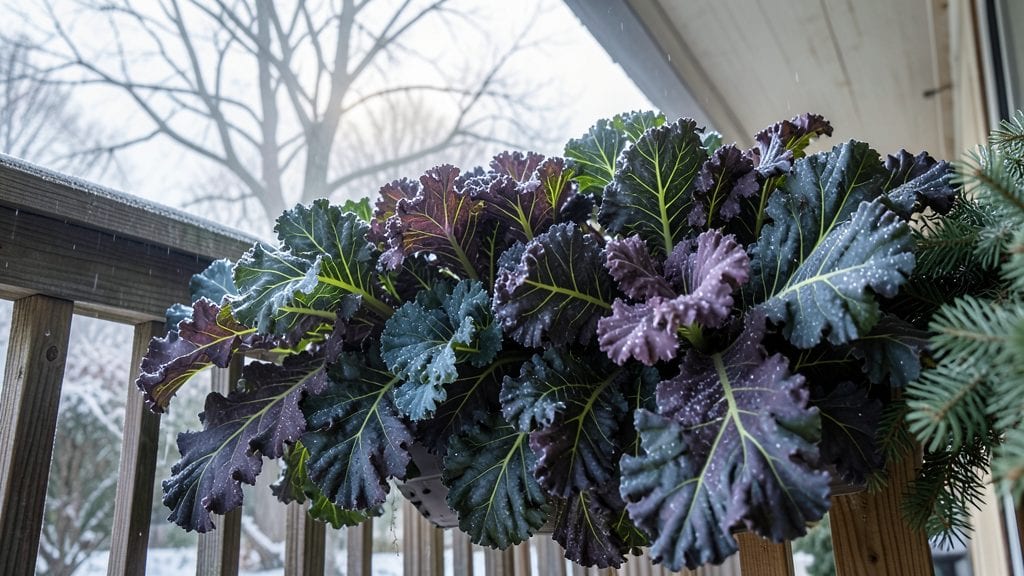
Tired of winter porch plants that fade into dull greens? Ornamental kale transforms your space into a living work of art, with leaves that shift from lime green to deep purples and blues as temperatures drop. Unlike its edible cousin, this variety prioritizes visual drama—think velvety 'Black Magic' or frosty 'Winter Red'—while still being safe to nibble if you're adventurous.
Sow seeds 4–6 weeks before your first frost for fall planting, or start indoors in late summer. These cold-lovers thrive in full sun to partial shade and actually prefer cooler weather—their flavors intensify after light frosts! Use well-draining potting mix in containers, and water when the top inch of soil feels dry. For extra winter interest, pair them with boxwoods (from item #4) to contrast structured greenery with their sculptural forms.
Urban gardeners and small-space enthusiasts will love how ornamental kale doubles as a living centerpiece—simply snip leaves for salads or let them stand proudly in decorative pots. Its year-round appeal makes it the perfect bridge between fall harvests and spring blooms. 💚
Winter Aconite for Early Sunshine
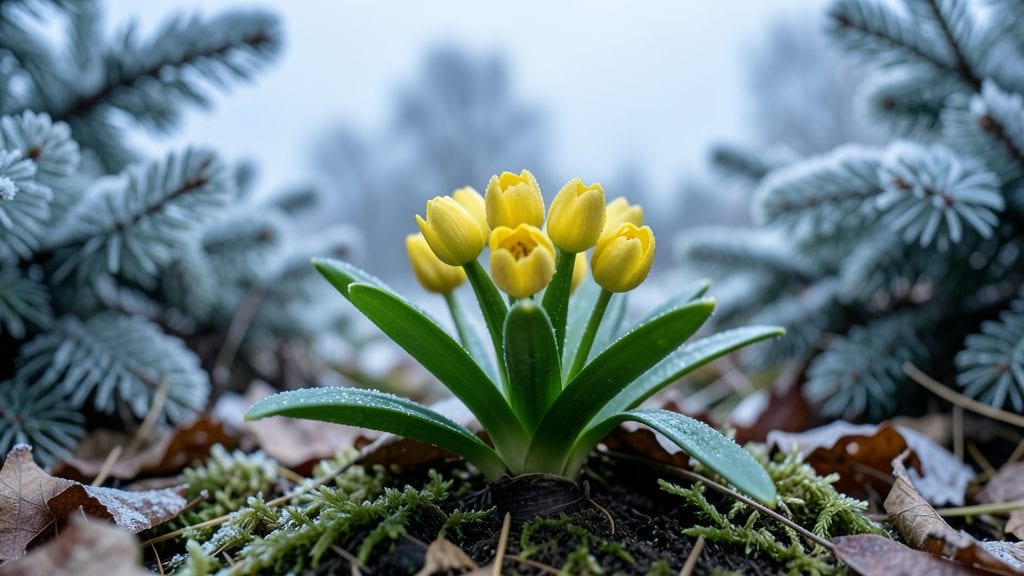
When your porch craves a burst of color before spring even arrives, winter aconite (Eranthis hyemalis) delivers sunshine in miniature form. This tiny, bulbous plant produces bright yellow, cup-shaped flowers that appear in late winter—often while snow still lingers—making it one of the first harbingers of spring. Unlike many winter bloomers, it thrives in full sun to partial shade, tolerating temperatures down to -10°F, so it’s perfect for containers left outdoors year-round.
For best results, plant winter aconite in well-draining soil mixed with sand or grit to prevent rot, and water sparingly once established (they’re drought-tolerant). Their clump-forming habit makes them ideal for small pots or rock gardens, where their delicate blooms stand out against dark foliage or moss. Since they naturalize over time, you’ll get more flowers each year with minimal effort—just divide congested clumps every few years to keep them vigorous.
This is the perfect pick for urban gardeners with limited space or those who love early-season blooms. Pair it with boxwoods (from earlier in this list) for a striking contrast of bright yellow against evergreen structure. 🌟
Heuchera Coral Bells for Textured Foliage
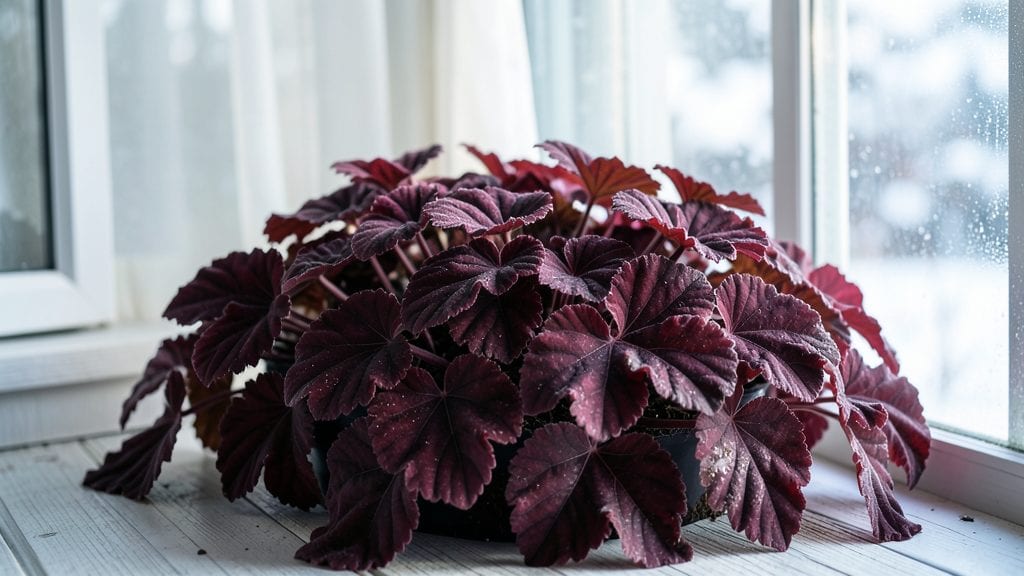
When your winter porch feels like a blank canvas waiting for color, heuchera—or coral bells—steps in to deliver bold, textured foliage that outshines flowers. Unlike most winter plants that fade into dormancy, varieties like 'Palace Purple' keep their deep, velvety leaves in shades of burgundy, lime green, or silver year-round, even when snowflakes start to fall. Their waxy, palmate leaves add architectural interest to containers where blooms are scarce.
These cold-hardy perennials thrive in partial to full shade, making them perfect for north-facing porches or shaded corners where sunlight is limited. Plant them in well-draining potting mix with a touch of compost, and water moderately—letting the top inch of soil dry between waterings. For extra winter protection, mulch with shredded bark or moss to insulate roots, and avoid soggy conditions that can cause leaf rot. Their compact growth (1–2 feet tall) fits snugly in terracotta pots or window boxes, where they’ll create a striking contrast with evergreens like boxwood.
Gardeners who love low-maintenance, high-impact plants will adore heuchera—they’re the unsung heroes of winter containers, offering season-long texture with zero fuss. Pair them with winter jasmine (from item #2) for a mix of foliage and flowers, or let them shine solo in monochromatic planters for a modern, moody vibe. 💚
Snowdrops in Woodland-Style Planters
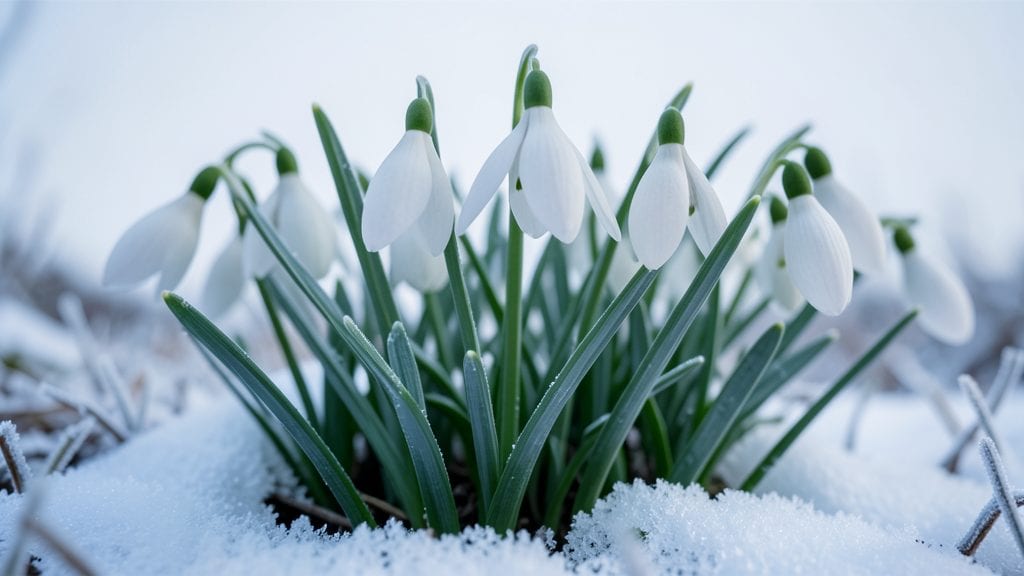
When you spot those first delicate snowdrop blooms peeking through snow, you’ll know spring is on its way—even if your porch is still chilly. These hardy perennials (Galanthus spp.) are nature’s way of announcing renewal, and their white, bell-shaped flowers thrive in temperatures down to -20°F, making them perfect for woodland-style planters that mimic their native forest floor.
To recreate their ideal habitat, use moss-covered planters or containers filled with peat-based soil mixed with leaf mold. Plant bulbs in fall (October–November) at a depth of 3–4 inches, spacing them 3–4 inches apart for a lush carpet of blooms. Place them in partial to full shade—they’ll reward you with February–March flowers that seem to defy winter’s grip. For extra drama, layer them with heuchera or ferns to create a miniature woodland scene.
Snowdrops are ideal for beginner gardeners and urban balconies—they’re low-maintenance, multiply over time, and their early blooms attract pollinators when little else is in flower. Just keep soil moist but not soggy and avoid fertilizing, as they prefer lean conditions. 🌱