
Companion Plants
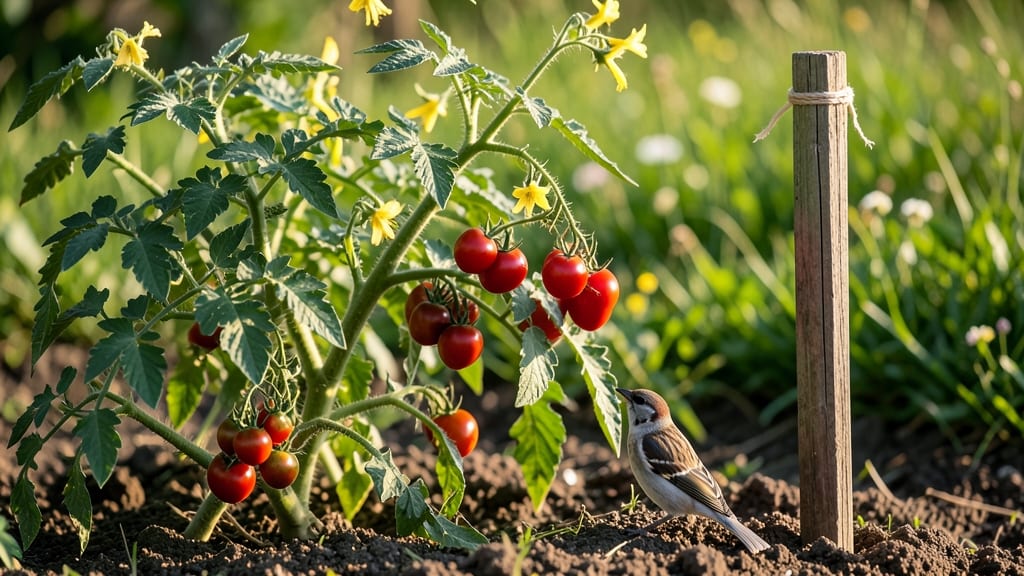
Birds devouring your tomato plants before they ripen is one of the most frustrating garden setbacks. 🌱 I lost an entire season’s harvest to hungry sparrows last summer—until I discovered the right plant pairings and timing tricks that finally kept them away without harming the birds or my garden’s balance.
The problem starts when birds spot your tomatoes as easy snacks—ripe fruit, seedlings, and even tender leaves become irresistible. Most gardeners reach for netting or chemical repellents, but those solutions disrupt the ecosystem.
Instead, I turned to companion plants that confuse birds, disrupt their feeding patterns, and even attract their natural predators.
With the right strategy, you’ll protect your crop while keeping your garden thriving. Planting marigolds near tomatoes deters birds with their strong scent, while basil and thyme create a fragrant barrier they avoid.
Timing your harvests to stay ahead of ripening also reduces temptation—birds prefer soft, overripe fruit over firm, green ones.
This approach works for both backyard gardens and container setups, and it’s completely organic. No more wasted harvests, no more frustrated gardening—just a balanced ecosystem where birds stay away naturally. Let’s get your tomatoes growing safely this season.
Why Birds Target Tomato Plants
Birds aren’t just random visitors to your garden—they’re drawn to tomato plants for specific, often delicious, reasons. Understanding these triggers can help you protect your harvest before it becomes a feast for feathered friends. Here’s why your tomatoes might be getting pecked, nibbled, or stolen:
Tomatoes are like nature’s candy for birds, especially when they’re ripe. The high sugar content, soft texture, and vibrant colors make them irresistible. Birds like European starlings, robins, and grackles are particularly guilty of swooping in for a snack once tomatoes turn red.
Even unripe green tomatoes can attract birds if they’re plump and juicy—birds aren’t picky!
Why it matters:
- Birds have excellent color vision, and red tomatoes stand out like a neon sign.
- The sweetness and moisture trigger their foraging instincts, especially in late summer when natural food sources dwindle.
- Overripe or fallen tomatoes become an all-you-can-eat buffet, encouraging birds to linger.
Birds don’t just go for the fruit—they’ll also snack on tender tomato leaves, stems, and even flowers. Young plants are especially vulnerable because their foliage is soft and nutrient-rich. Birds like sparrows and finches might strip leaves to expose the fruit underneath or to build nests nearby.
Why it matters:
- New growth is high in protein, making it a high-value meal for birds.
- Thin stems are easy to break or peck through, giving birds access to the plant’s core.
- Damaged leaves reduce photosynthesis, weakening the plant and making it even more susceptible to future attacks.
Tomato plants provide cover, perches, and nesting material, making them prime real estate for birds.
Tall indeterminate varieties (like 'Sungold' or 'Brandywine') are especially attractive because they offer: - Shade for roosting during hot days. - Tangled vines for building nests. - Proximity to the ground (if plants sprawl), making it easier for ground-foraging birds to access fruit.
Why it matters:
- Birds like house sparrows and mourning doves may nest in tomato cages or stakes, returning daily to protect their territory—and your tomatoes.
- Fallen leaves or debris under the plant create hidden spots for insects, which attract more birds.
- Mature plants become a year-round magnet if birds associate them with food or shelter.
Birds are opportunistic feeders, and when their natural food sources (like insects, berries, or seeds) become scarce, they turn to easy garden targets—like your tomatoes.
This is especially true in: - Late summer/early fall, when wild berries and insects decline. - Drought conditions, when other fruits shrivel but tomatoes stay juicy. - Urban or suburban areas, where birds rely more on human-provided food.
Why it matters:
- Birds have sharp memories and will return to successful foraging spots.
- Competition among birds increases as food becomes limited, leading to more aggressive pecking.
- Migratory birds passing through your area may see your garden as a quick pit stop.
Sometimes, birds target tomato plants because they’re mistaking them for other plants they love.
For example: - Tomatoes near fruit trees (like apples or cherries) may attract birds that are already feeding on those crops. - Similar-looking plants (e.g., eggplants or peppers) might draw birds that don’t usually bother tomatoes. - Weeds or wild plants near your tomatoes could be providing cover or additional food, making the area more appealing.
Why it matters:
- Birds use visual and scent cues to locate food, and a mixed garden can send mixed signals.
- Overwatered or stressed plants may emit different odors, unintentionally signaling "easy meal" to birds.
- Fallen fruit from nearby trees can train birds to expect a windfall in your tomato patch.
If you’ve ever fed birds intentionally (like at a feeder) or unintentionally (like leaving fruit scraps), they may associate your garden—and specifically your tomatoes—with an easy meal. Birds are quick learners, and once they realize your tomatoes are a reliable food source, they’ll keep coming back.
Why it matters:
- Conditioned behavior means birds will ignore natural deterrents if they’ve been rewarded before.
- Hand-feeding (even accidentally, like dropping seeds) can make birds bold enough to target your plants.
- Bird feeders nearby increase local bird populations, raising the odds of tomato theft.
Birds don’t attack tomato plants out of malice—they’re following their instincts for food, shelter, and survival. The good news? Once you identify why they’re targeting your garden, you can take specific, science-backed actions to deter them without harming the birds or your plants.
The next section will cover effective, humane solutions to keep your tomatoes safe!
Practical ways to protect tomato plants
Birds may bring life to your garden with their songs and beauty, but when they turn into uninvited tomato thieves, it’s time to take action. The good news? There are effective, natural, and easy-to-implement solutions to keep your plants safe without harming your feathered friends.
Below, we’ll break down the most common reasons birds attack tomato plants—and how to stop it.
Birds are drawn to bright red, juicy tomatoes like a magnet. Once they taste them, they’ll keep coming back.
🛡️ Fix: Use Physical Barriers
- 🍅 Netting: Cover your tomato plants with fine mesh netting (1/2-inch or smaller) before fruit ripens. Secure it tightly so birds can’t peck through.
- 🥫 DIY Cloche: Place clear plastic or glass cloches over individual plants.
Remove them during pollination (if needed) but reapply as fruit matures. - 🧶 Old Tights or Stockings: Stretch clean, breathable fabric (like pantyhose) over clusters. Birds can’t see through them, but airflow keeps tomatoes healthy.
💡 Prevention Tips:
✔ Harvest early—pick tomatoes as soon as they turn pink to deter birds. ✔ Use green tomatoes—birds prefer red; harvest when still green and ripen indoors. ✔ Plant in containers—elevate pots so birds can’t easily perch and peck.
Some birds peck at tomato plants not for the fruit but for seeds, bugs, or soil disturbance.
🛡️ Fix: Disrupt Their Access
- 🪴 Mulch heavily—spread straw or wood chips around the base to make digging harder.
- 🌿 Companion planting—surround tomatoes with deterrent plants like:
- Marigolds (birds dislike their scent)
- Basil (releases a fragrance birds avoid)
- Onions or garlic (strong odor deters many pests)
- 🎯 Scare tactics—place old CDs, aluminum pie pans, or reflective tape nearby to startle birds away.
💡 Prevention Tips:
✔ Keep garden clean—remove fallen fruit and seeds to eliminate food sources. ✔ Avoid overwatering—soggy soil attracts insects, which in turn attract birds. ✔ Use bird spikes (soft, flexible ones) around plant bases if digging is severe.
If birds are nesting near your plants, they’ll defend the area aggressively, even attacking your tomatoes.
🛡️ Fix: Relocate or Deter Nesting Birds
- 🏡 Provide alternative nesting sites—hang birdhouses or nesting boxes far from your tomato plants.
- 🚫 Remove nests humanely—if nests are in your garden, gently relocate them (with gloves) to a safer area.
- 🔊 Noise deterrents—place a wind chime or radio on a low setting near the garden to disrupt nesting.
💡 Prevention Tips:
✔ Prune branches—keep tomato plants trimmed so birds can’t easily nest in them. ✔ Use decoy predators—place fake owls or snakes (move them daily to keep birds confused). ✔ Plant dense foliage—birds prefer open areas; thick plants make nesting less appealing.
Newly planted tomatoes are vulnerable—birds may peck at tender leaves or pull up seedlings.
🛡️ Fix: Protect Sprouts Early
- 🌱 Start indoors—grow seedlings in pots or trays until they’re sturdy enough to transplant.
- 🛡️ Use row covers—cover young plants with lightweight fabric until they’re 6+ inches tall.
- 🌿 Plant in raised beds—elevated soil makes it harder for birds to reach seedlings.
💡 Prevention Tips:
✔ Use coffee grounds—sprinkle used grounds around seedlings; the strong smell repels birds. ✔ Plant near thorny bushes—birds avoid areas with natural barriers. ✔ Water seedlings at dusk—birds are less active then, giving plants a growth boost.
If birds keep returning, try these low-effort, high-impact solutions:
- 🎶 Bird-friendly distractions—set up a separate bird feeder away from your garden.
- 🌿 Native plants—birds prefer natural habitats; plant berries or grains elsewhere to lure them away.
- 🚫 Avoid over-fertilizing—lush gardens attract more pests, which in turn attract birds.
Remember: The key is layered defense—combine physical barriers, scent deterrents, and habitat changes for the best results. With these strategies, your tomato plants can thrive without becoming a bird buffet! 🍅💪
Frequently asked questions
Why do birds suddenly start eating my tomatoes when they’ve never bothered them before?
Birds target tomatoes when natural food sources like insects or berries become scarce, especially in late summer. They’re also drawn to ripe, red fruit—once they spot your tomatoes, they’ll keep returning. If you recently added bird feeders or left fruit scraps nearby, you’ve conditioned them to see your garden as a reliable food source.
Will planting marigolds or basil really keep birds away from my tomato plants?
Yes! Both marigolds and basil release strong scents that many birds dislike. The key is planting them close enough (within 1-2 feet) to create a fragrant barrier. Pair them with onions or garlic for extra protection—birds avoid these pungent smells. Just remember to harvest basil regularly so it doesn’t compete with your tomatoes for nutrients.
Can I use old CDs or reflective tape to scare birds away from my tomato patch?
Birds are startled by sudden movements and flashes of light. Hang old CDs or reflective tape from strings above your plants—they’ll create visual disturbances that make birds think the area is unsafe. Move the CDs every few days so birds don’t get used to them, and combine this with other deterrents like netting for best results.
Is it safe to use bird spikes around tomato plants?
Only use soft, flexible bird spikes designed for plants—not the rigid metal kind. These won’t harm birds but will deter them from perching near your tomatoes. Place them around the base of the plant, and pair them with mulch to make digging harder. Avoid spikes if you have small pets that might get tangled in them.
How can I protect my tomato plants from birds when I’m on vacation?
Cover your plants with fine mesh netting before you leave, and secure it tightly. For containers, use a lightweight row cover or even a breathable fabric bag tied loosely around the plant. If birds are persistent, set up a decoy bird feeder far from your garden to distract them while you’re away.