
Pests and Diseases
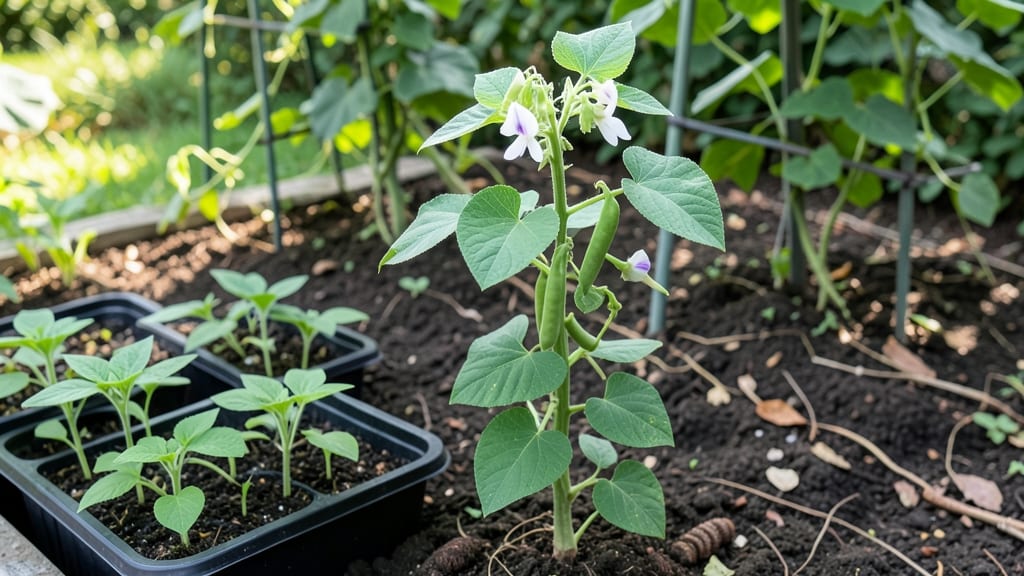
You can plant green beans and cucumbers together, but success depends on proper spacing and soil management since cucumbers spread widely while beans prefer drier soil. Their complementary growth patterns make them ideal for raised beds or trellised systems with adequate support.
Green beans and cucumbers actually make great garden partners when planted thoughtfully.
The beans fix nitrogen in the soil, which benefits the cucumbers, while the cucumbers' sprawling vines provide shade that helps retain moisture for the beans. 🌱 I’ve found that spacing them 3–4 feet apart for vining cucumbers and 4–6 inches for bush beans creates the perfect balance—giving each plant room to thrive without competing for resources.
For best results, use raised beds or vertical trellises to maximize space efficiency. Cucumbers will climb upward, leaving room below for the beans to grow without being smothered.
Just watch for signs of overcrowding, like yellowing leaves on beans or stunted cucumber growth—this usually means they need more space or better airflow.
💡 In This Article
- Companion Planting Benefits for Green Beans and Cucumbers
- Soil and Spacing Requirements for Success
Companion planting benefits for green beans and cucumbers
The real magic happens underground and above where these two plants create a natural partnership. Green beans are legumes that fix nitrogen in the soil through a symbiotic relationship with rhizobia bacteria in their root nodules.
This process converts atmospheric nitrogen into a form plants can use, enriching the soil for cucumbers which are heavy feeders but poor at accessing nitrogen on their own. 🌱 The beans essentially fertilize their own neighbors, reducing the need for synthetic nitrogen supplements.
Above ground, cucumber vines act like living shade sails. Their broad leaves filter sunlight and reduce evaporation from the soil surface, creating a cooler, more humid microclimate that green beans love.
Studies show that proper shading can maintain soil moisture 20-30% longer than in open conditions, which is crucial for beans that prefer consistent moisture but can suffer from root rot in waterlogged soil.
The vines also provide windbreaks, protecting the more delicate bean plants from damage while allowing air circulation that prevents fungal diseases like powdery mildew.
Here's where spacing becomes science: Cucumber vines can spread 10-15 feet if unchecked, while bush beans typically grow 2-3 feet tall with 1-2 foot spread. The ideal spacing of 3-4 feet between cucumber plants creates enough room for their vines to spread without smothering the beans below.
For bush beans, maintaining 4-6 inches between plants ensures good airflow while allowing their nitrogen-fixing roots to colonize the soil effectively. This vertical layering maximizes space efficiency in small gardens.
Pest control adds another layer to their compatibility. Cucumbers attract beneficial insects like ladybugs and lacewings that prey on bean pests such as Mexican bean beetles. Meanwhile, the strong scent of cucumber leaves can mask bean odors that might attract bean-specific pests.
This natural pest deterrence system works best when plants are healthy and properly spaced—crowded conditions actually increase pest problems by creating humid microclimates that pests thrive in. 🌿
The soil chemistry gets interesting too. Beans prefer slightly drier conditions with pH 6.0-7.0, while cucumbers like consistently moist soil with pH 6.0-6.8. The compromise is a well-amended soil with 3-4 inches of compost worked into the top 6-12 inches of soil before planting.
This creates ideal conditions for both: the compost provides organic matter that holds moisture for cucumbers while allowing good drainage for beans. The key is maintaining this balance through regular mulching—2-3 inches of straw or shredded leaves keeps moisture consistent without creating waterlogged conditions.
What most gardeners don't realize is how this pairing affects harvest timing. Cucumbers typically mature in 50-70 days while green beans take 50-60 days for bush varieties.
Planting them together means you'll have overlapping harvest windows where you can succession plant beans every 2-3 weeks to extend your harvest while the cucumbers are still producing. This staggered planting creates a continuous harvest cycle that maximizes garden productivity. 🌟
For the best results, consider using a trellis system where cucumbers climb vertically while beans grow at the base. This not only saves space but also creates a natural air circulation pattern that prevents diseases.
The vertical growth of cucumbers lifts them above potential soil-borne pathogens that could affect the beans below, creating a healthier growing environment for both plants.